





Industry research from SHRM and LinkedIn shows that organizations continue to prioritize hiring quality, faster decision-making, and a better candidate experience over simply filling vacancies. [1] [2] Success increasingly depends on using the right hiring techniques consistently throughout the recruitment process. If you need the strategic foundation first, read our guide to building a recruitment strategy. This article focuses on the practical hiring techniques experts use to improve hiring outcomes in 2026.
Sourcing Techniques That Surface Better Candidates
Inbound job postings attract volume, but volume rarely equals fit. Sourcing techniques allow talent teams to target high-intent, qualified professionals proactively rather than filtering through hundreds of mismatched resumes. Relying solely on inbound applications leaves your talent pipeline vulnerable to market fluctuations and high noise ratios.
1. Boolean and X-Ray Search
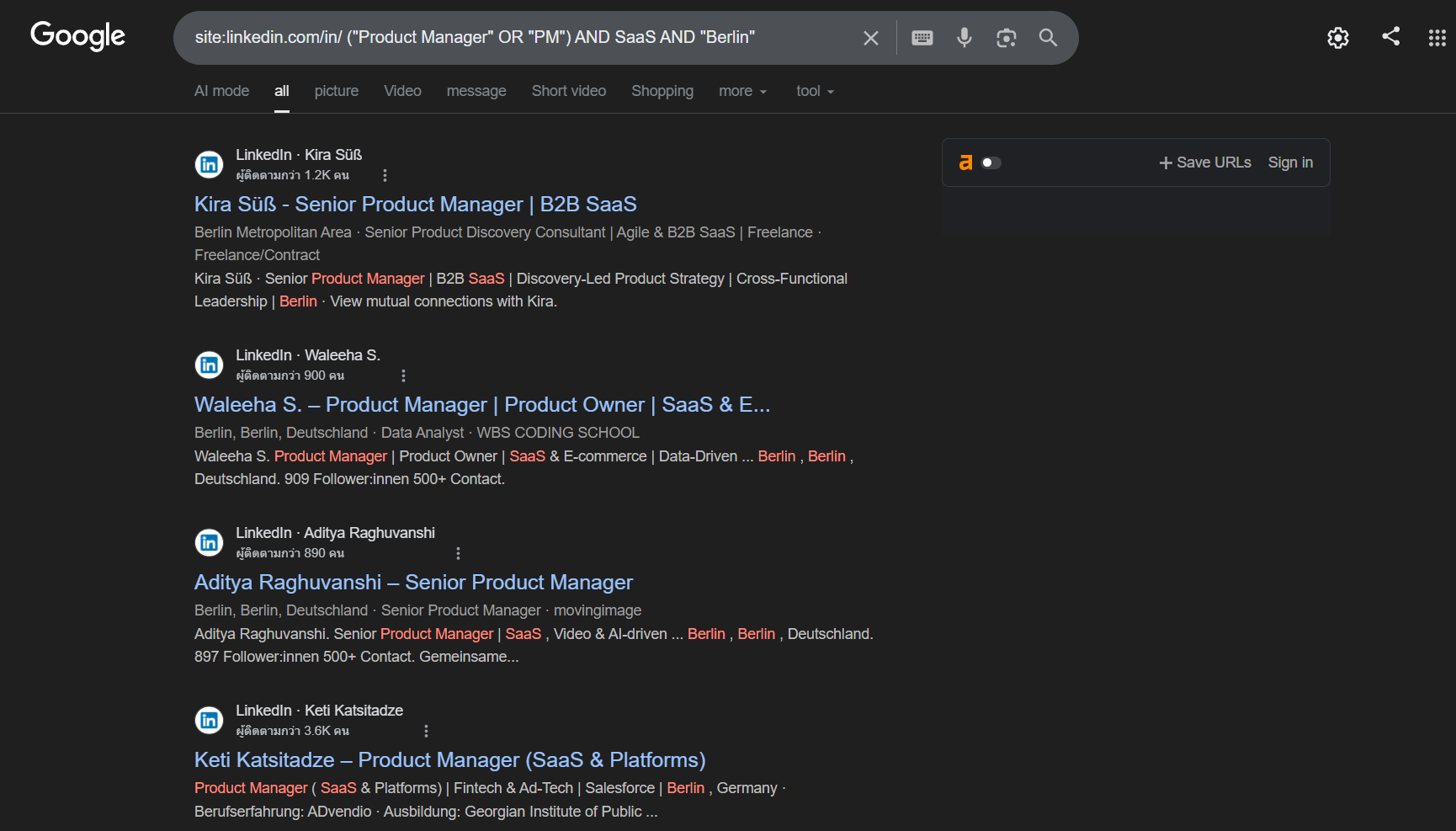
Standard search bars rely on basic keyword algorithms that often misinterpret candidate titles. Boolean logic allows recruiters to control search parameters precisely, targeting exact skill combinations while filtering out irrelevances like agency recruiters.
How to Run It: Write a string combining role titles, required skills, and exclusions: ("data engineer" OR "analytics engineer") AND (Python OR SQL) -recruiter. Execute this in LinkedIn Recruiter and run it as a Google X-ray search using site:linkedin.com/in. Save successful strings per role for future reuse.
Read more about: Boolean Search Recruiting
2. Talent Pipelining and Talent Pools
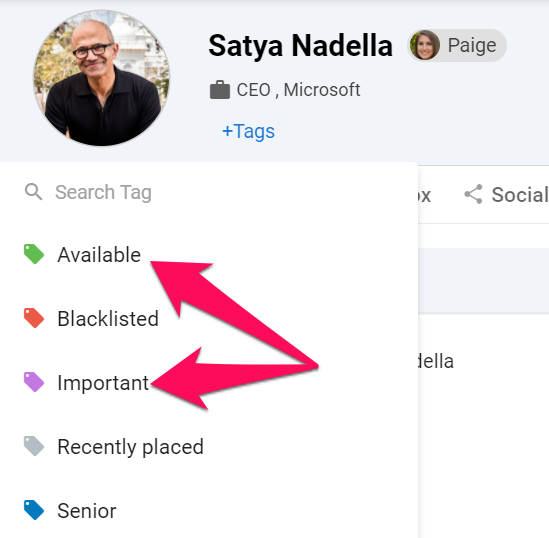
Re-sourcing every role from scratch often increases time-to-fill and inflates agency spend. Building pre-vetted talent pools captures value from past recruitment efforts, turning previous high-performing applicants into warm leads.
How to Run It: Create a candidate pool in your ATS for recurring roles. Add qualified candidates from previous hiring processes and inbound leads, tag them by skill, and schedule quarterly check-ins. Source from this pool first when a role opens.

{{cta}}
3. Tiered Employee Referrals
Employee referrals generate higher retention rates and faster time-to-hire because current employees pre-screen candidates for capability and organizational alignment. Flat referral rewards fail because they treat hard-to-fill engineering roles the same as high-volume entry-level positions.
How to Run It: Publish a referral form with three reward tiers based on role complexity. Send hiring managers a list of open roles biweekly and request two recommendations. Track referral sources in your ATS.
4. Internal Mobility and Boomerang Hires
External hiring incurs onboarding lag, steep ramp-up costs, and performance uncertainty. Internal candidates and former employees possess verified performance records and existing institutional knowledge, making them the fastest, lowest-risk talent source available.
How to Run It: Post roles internally for a set period before launching external searches. Search your ATS for previous strong applicants and former employees who left in good standing, then reach out directly.
Read more about: Interview Questions for Internal Candidates With Evaluation Tips
5. Passive-Candidate Outreach
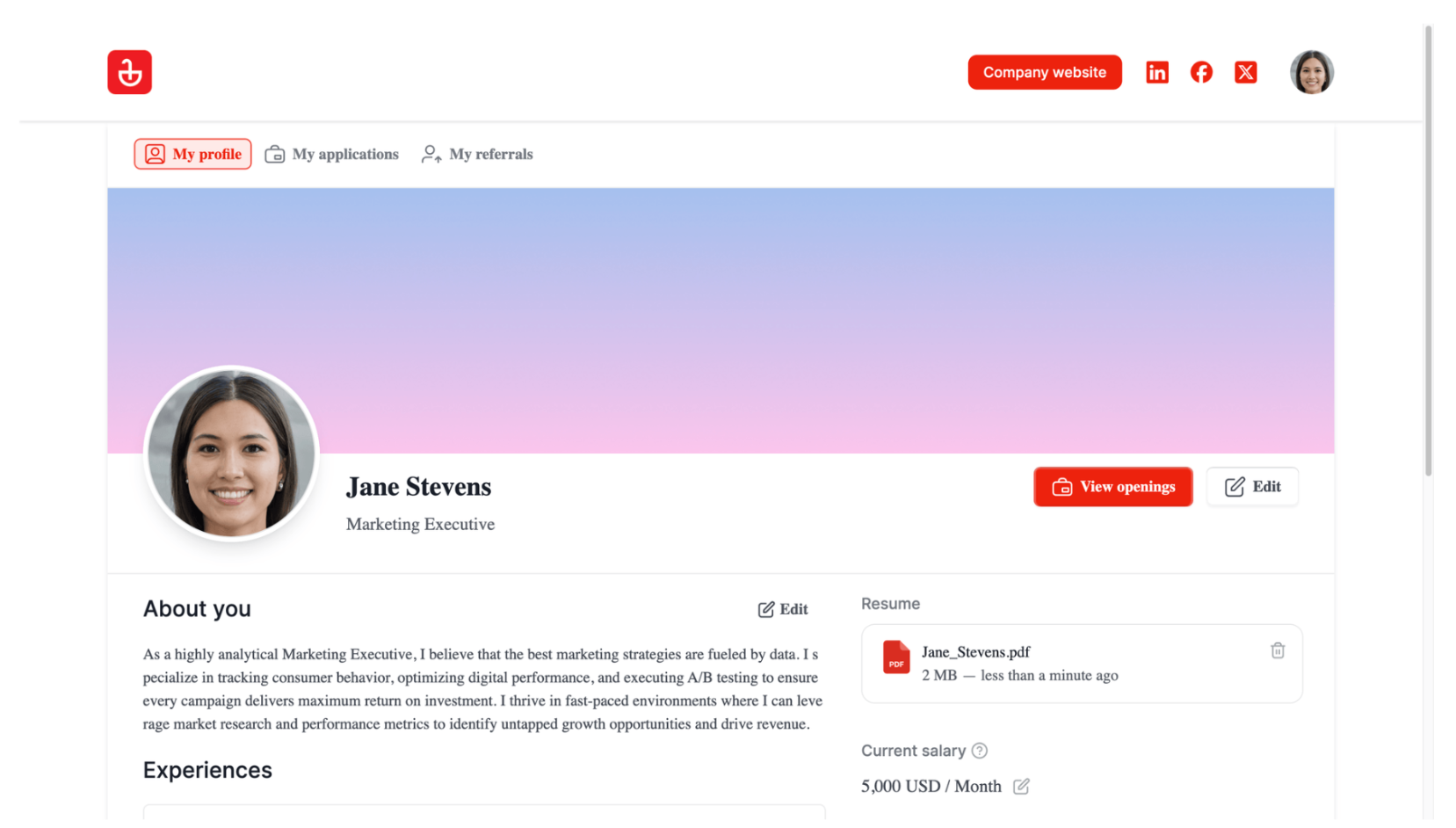
Top talent is rarely active on job boards. Engaging employed professionals requires direct, value-driven outreach that addresses career growth rather than generic job specifications.
How to Run It: Send a short, personalized outreach message stating why you contacted the candidate and what the role offers. Keep it under 90 words. Follow up twice over several days before moving the profile to your long-term talent pool.
Tap into Manatal’s Sourcing Hub to access a global external database of over 700 million professional profiles. Use AI-driven search to discover high-potential passive talent and import candidate profiles directly into your ATS pipeline while tracking all outreach activities in each candidate's activity history.
.png)
Screening Techniques That Improve Candidate Quality
The primary goal of screening is high-signal filtration. Unstructured screening wastes valuable interviewer bandwidth on unqualified candidates. Modern talent teams structure early screening stages to evaluate objective competence before committing human hours to live interviews.
1. AI-Powered Recommendation Screening
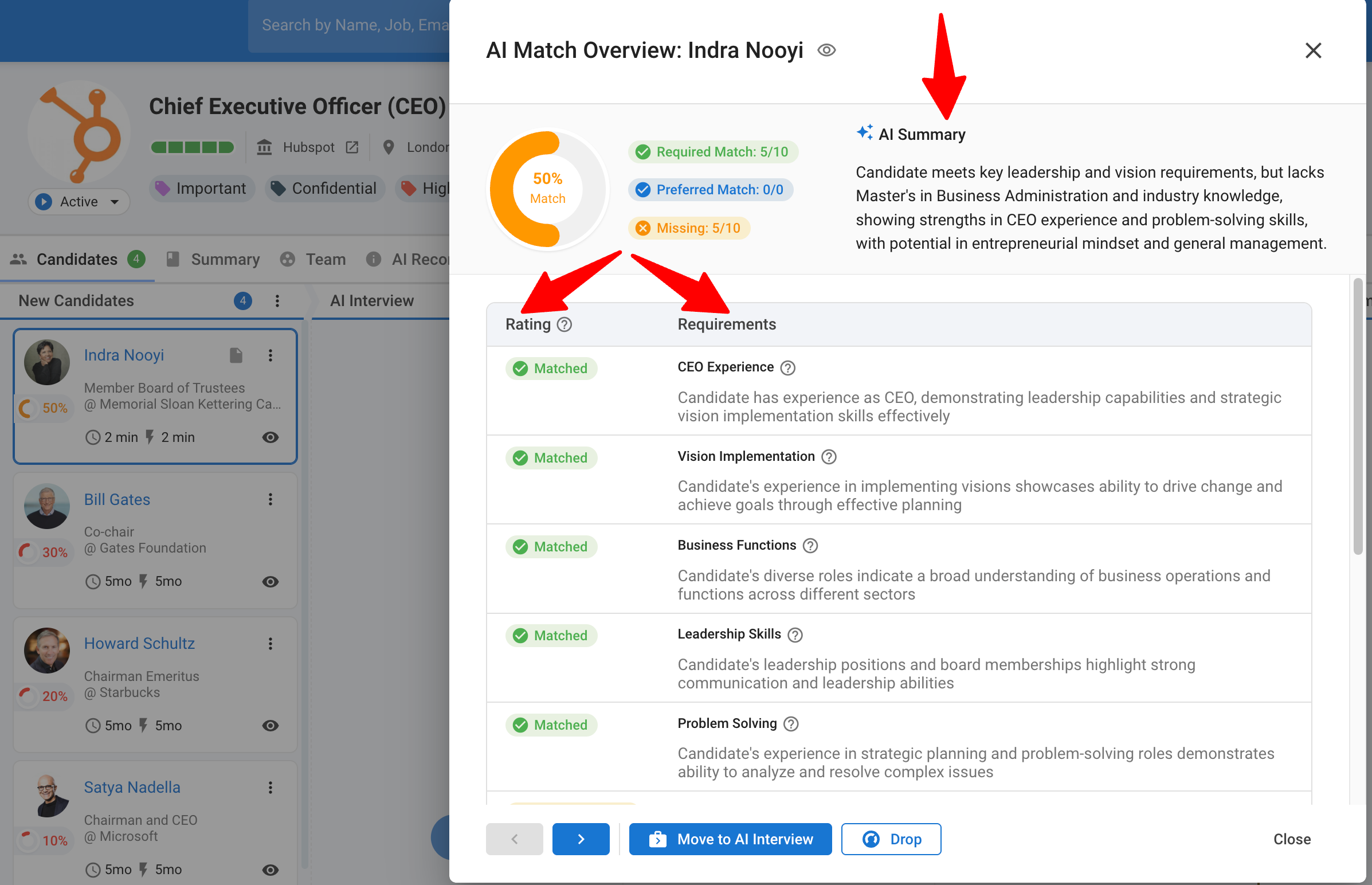
Manual resume triage creates severe bottlenecks when applicant volumes spike. AI-powered matching and semantic analysis to analyze candidate profiles against job criteria allow talent teams to surface top talent instantly without manually reviewing every resume.
How to Run It: Establish clear job requirements, key skills, and experience parameters during the requisition phase.
Use Manatal's AI Recommendations feature to automatically analyze and score incoming resumes against your job description. The AI ranks candidates based on match relevance, enabling recruiters to focus immediately on high-match profiles while reducing manual screening time.
2. Knockout and Must-Have Questions
Manual resume reviews waste time when candidates lack mandatory operational requirements, such as regional work authorization or required legal certifications. Automated knockout filters eliminate non-viable candidates at the point of application.
How to Run It: Identify two or three mandatory requirements, such as work authorization or specific certifications.
3. Skills-Based Assessments
Resume credentials like university degrees or past company names are poor predictors of future performance. According to recent data from the National Association of Colleges and Employers (NACE) Job Outlook 2026 report, 70% of employers now use skills-based hiring, up from 65% in prior years. Testing job-relevant capabilities upfront removes credential bias and isolates actual proficiency.
How to Run It: Define three or four core competencies for the role. Assign a short pre-employment skills assessment or work sample using a tool like Testify, setting a passing threshold before evaluation begins. Score every candidate on the same scale.
4. Structured Phone Screens
Unstructured screening calls lead to subjective chatter and inconsistent candidate evaluation. Standardizing initial phone screening questions ensures that every candidate is measured against identical baseline criteria.
How to Run It: Script three or four questions covering motivation, core skills, and logistics. Ask them in the same order for every candidate, record answers in your ATS, and rate responses on a fixed scale.
Interviewing Techniques That Predict Performance
Traditional interviews often fail due to bias and gut-feel decisions. Structuring the process ensures objective evaluation focused on actual capability rather than charisma.
1. Structured Interviews & Shared Scorecards
Unstructured interviews have low predictive validity because questions vary by candidate. Research shows structured interviews yield higher predictive validity, higher rater reliability, and lower adverse impact.
How to Run It: Build one recruiting scorecard per role featuring four to six competencies. Interviewing techniques lose predictive value when scoring criteria vary across team members. Using centralized ATS scorecards allows teams to capture structured evaluations within candidate profiles for direct comparison.

2. Behavioral and Situational Questions
Behavioral interview questions force candidates to provide verifiable historical evidence, while situational questions test real-time logic against actual workplace scenarios.
How to Run It: Replace hypothetical questions with behavioral queries (using the STAR method) to assess past evidence and situational scenarios to evaluate real-time problem-solving logic.
3. Panel Calibration and Interviewer Training
Different interviewers hold varying definitions of acceptable performance. Calibration training aligns raters on scoring standards, eliminating variance between lenient and strict evaluators.
How to Run It: Align all interviewers on scoring standards through calibration sessions and shadowing to eliminate lenient or strict rating variances.
Selection and Decision-Making Techniques
A structured interview process fails if the final decision relies on loudest-voice consensus or arbitrary choices. Selection techniques ensure that post-interview debriefs remain evidence-based, defensible, and focused on long-term role requirements.
1. Scorecard-Based Debriefs
Debrief meetings often default to personal opinions or senior authority. Reviewing completed scorecards forces the hiring team to debate concrete performance evidence rather than subjective impressions.
How to Run It: Require all scorecards to be submitted prior to the debrief meeting. Have interviewers present scores and evidence for their designated competencies, then address discrepancies. Document the final decision based on established competency criteria.
2. Structured Reference Checks
Informal reference calls yield generic praise. Structuring reference checks around specific competencies confirms candidates' historical claims and reveals working styles under professional pressure.
How to Run It: Ask every reference the same set of job-relevant questions. Confirm scope of responsibilities, measurable achievements, and interpersonal effectiveness. Treat vague responses as potential warning signs.
3. Fairness and Consistency Audits
Unintentional bias can creep into selection decisions through inconsistent scoring standards. Auditing final evaluation metrics verifies that all candidates faced equivalent evaluation rigor across every stage.
How to Run It: Verify that candidates were evaluated against identical standards and review drop-off rates across stages. Retain scorecard documentation to support hiring decisions.
4. Evaluating Against a Fixed Bar
Selecting the best candidate from an underqualified applicant pool guarantees poor quality-of-hire. Establishing a fixed performance bar ensures teams continue sourcing until a candidate meets absolute role requirements.
How to Run It: Define passing thresholds for competencies prior to interviewing. If no candidate meets the threshold, continue sourcing rather than selecting the best option from an underqualified pool.
Read more: Mastering the Selection Process
Offer and Candidate Experience Techniques
Candidate experience directly influences offer acceptance rates. Delays, poor communication, or rigid negotiation strategies lead top candidates to accept competing offers or withdraw entirely.
1. Timely Communication
Candidate drop-off correlates directly with communication lag. Prompt updates maintain candidate momentum, signal operational efficiency, and protect your employer brand.
How to Run It: Set response-time targets for each stage (e.g., updates within two business days). Use automated ATS notifications to inform candidates of upcoming steps and timelines.
2. Transparent Processes
Uncertainty creates candidate anxiety. Outlining interview stages, evaluation criteria, and salary expectations upfront establishes trust and filters out compensation mismatches early.
How to Run It: Detail the interview sequence, evaluation focus, and compensation range during the initial call to ensure mutual alignment.
3. Structured Offer Strategy
Delayed offer extensions risk losing candidates to counteroffers. Pre-clearing internal approvals and confirming expectations during interviews allows talent teams to move from final decision to offer extension instantly.
How to Run It: Confirm candidate expectations and salary ranges throughout the process. Secure internal approvals early to extend verbal offers immediately after selection, followed quickly by written terms.
4. Candidate Pipeline Nurturing
High-performing secondary candidates represent future hiring shortcuts. Maintaining ongoing communication preserves relationships with qualified professionals for upcoming requisitions.
How to Run It: Add qualified runners-up to dedicated talent pools. Send regular check-ins and contact them directly when similar positions open.
Modern vs. Traditional Hiring Techniques
Traditional hiring methods are not obsolete, but relying on them exclusively creates operational inefficiency. Modern digital alternatives offer scale, speed, and objective data.
Why Consistency Matters in Hiring
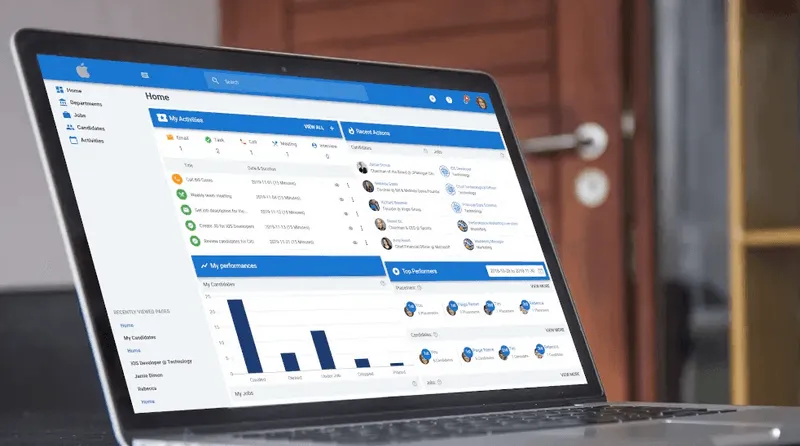
A technique only delivers results when executed consistently and recorded in a single system. Most recruitment teams fail to see quality-of-hire improvements because of fragmented data: interview notes sit on personal pads, assessment scores live in separate apps, and candidate referrals remain in spreadsheets.
Standardization combined with a central platform changes the outcome. Storing scorecards, evaluations, and pipeline data within application tracking system transforms isolated techniques into a repeatable competitive advantage.
Conclusion
Mastering individual hiring techniques is only the first step. Executing them consistently on every role and centralizing evaluation data is what improves quality-of-hire over time. Start with your next open role: create your scorecard first, enforce structural consistency, and base debriefs on standardized data.
Ready to centralize and standardize your hiring process? Start for 14 day free trial here.
Frequently Asked Questions
Q: What are the 5 C's of hiring, and how can structured tools support them?
A: The 5 C's stand for competence, character, culture fit, communication, and compensation. They offer a balanced framework to evaluate technical ability, integrity, organizational alignment, clarity, and salary expectations. Modern recruiting platforms such as Manatal help HR teams track these metrics consistently across candidates, ensuring that foundational hiring techniques are applied objectively during every evaluation.
Q: What are the 4 pillars of hiring?
A: The 4 pillars are skills, achievements, motivation, and behaviors. Skills confirm capabilities, achievements demonstrate past performance, motivation reveals role interest, and behaviors indicate how candidates collaborate. Integrating these pillars into standard hiring techniques, often supported by Applicant Tracking Systems (ATS) like Manatal, allows interviewers to evaluate candidates against a unified scoring rubric.
Q: What is the “Rule of 3” in hiring, and how is it practical to execute?
A: The Rule of 3 suggests evaluating candidates from three perspectives: interviewing three final candidates per role, involving three distinct interviewers, or focusing on three core competencies. To streamline these multi-perspective hiring techniques, teams frequently rely on platforms like Manatal to centralize scorecard feedback and coordinate candidate pipelines without administrative friction.
Q: What are the three main recruitment agency models?
A: The three main models describe third-party agency engagement structures:
- Contingency Agencies: Paid only upon successful placement.
- Exclusive Agencies: Granted exclusive rights to source for a role during a specified window.
- Retained Agencies: Paid upfront fees to execute a dedicated executive search.
Citation:
.webp)







.webp)

.webp)


.webp)


