




In 2026, recruitment events are shifting from mere brand visibility to driving real hires. Without a plan to quickly capture candidate information and follow up within 48 hours, you risk wasting your budget. [1] This guide will show you how to avoid that trap. Whether you're planning a career fair booth or organizing your own hiring event, this guide will help you turn attendance into actual placements and maximize your recruitment event ROI.
Niche Down Your Recruitment Event Strategy
Generic "open house" style job fairs fail for one simple reason: they attract everyone and convert no one.
When you cast too wide a net, you end up spending your team's time talking to candidates who aren't qualified, aren't interested, or aren't ready to make a move. Meanwhile, the talent you actually need walks past your booth because nothing signals that you're specifically looking for them.
The fix? Use candidate personas to niche down your recruitment event strategy.
Instead of hosting a generic "Come Meet Our Team" event, get specific about who you're targeting. A niche recruitment event will always outperform a generic job fair when it comes to conversion rates because you're speaking directly to the talent you need.
Digitize Your Career Fair Experience Completely
Collecting paper resumes at hiring events is a data graveyard. They get coffee-stained. They fall out of folders. They require manual data entry that your team will procrastinate on for weeks. By the time you finally input that perfect candidate into your system, they've already accepted another offer. The solution? Eliminate paper from your recruitment event workflow entirely.
Here's how modern recruiters are doing it in 2026:
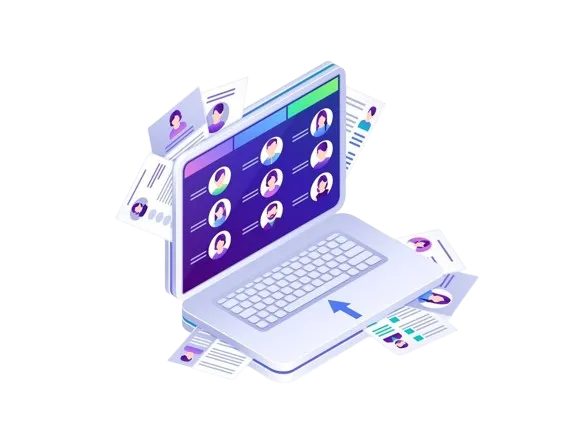
Set up a QR code at your booth that links directly to a mobile-friendly application portal. Candidates scan it with their phone, complete a brief form (or apply via LinkedIn integration), and land directly in your ATS pipeline, tagged with the event name as the source.
The transformation is immediate. While a candidate is still standing in front of you, you can:
- Review their profile on a tablet
- Rate them 1-5 stars based on your conversation
- Add notes about what impressed you
- Flag them for immediate follow-up
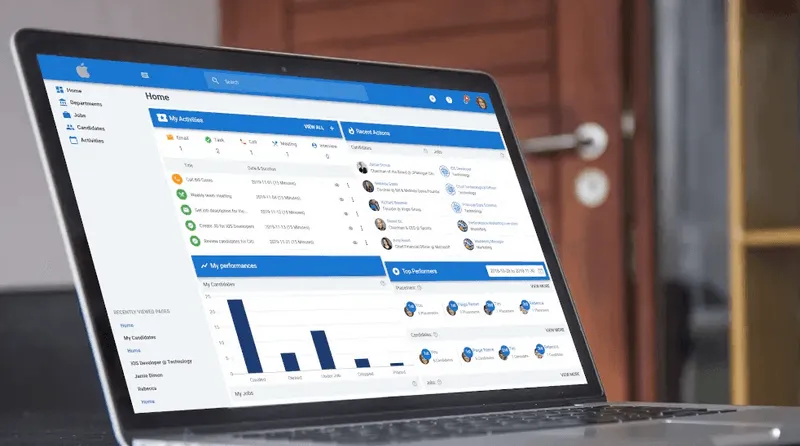
Manatal makes this seamless with a mobile-friendly application portal and customizable career pages. You can create branded landing pages specifically for each career fair, complete with QR code link that candidates scan to apply instantly. The system automatically enriches profiles with data from LinkedIn and other sources, giving you a complete picture of each candidate within seconds.
{{cta}}
Attend the Right Hiring Events in 2026
Not all hiring events are created equal. Your time and budget are limited, so strategic attendance matters. Don't just go to "recruiter" events. Go where your target talent actually hangs out. If you're hiring developers, attend PyCon or local tech meetups, not HR conferences. If you're hiring designers, sponsor a design thinking workshop. If you're hiring salespeople, show up at industry trade shows where they're already networking.
The best candidates aren't necessarily at job fairs. They're at professional development events, learning new skills and expanding their networks. That's where you should be, too.
Here's what smart recruiters are prioritizing for hiring events in 2026:
Technology & Engineering
Business, Finance & HR
Manufacturing & Logistics
Pro-Tips for Physical Job Fairs:
- Trade Shows vs. Job Fairs: In Thailand, events like Gastech or Asia Pacific Rail are technical exhibitions. However, large companies (such as Huawei, Toyota, or PTT) often have "HR Corners" or recruitment teams at their booths to find technical talent.
- University Fairs: If you are in the academic space, major universities like NYU, Penn, and Chulalongkorn host "All-Industry" physical fairs in January/February and September/October.
- Regional Festivals: RecFest 2026 (UK | July 2026) is a unique "recruitment festival" held outdoors at Knebworth Park, focusing on high-level talent acquisition networking.
Master the 48-Hour Follow-Up Rule
Automate the First Touchpoint
Set up an email sequence that triggers automatically one hour after the recruitment event ends: "Hi [Name], it was great meeting you at [Event Name] today. Here are the next steps..." This keeps you top of mind while the conversation is still fresh.
.webp)
Track Every Interaction
When you speak with 50 candidates at a hiring event, you won't remember everyone's details two weeks later. Your notes and ratings from the event become invaluable during the follow-up phase.
The 48-hour rule isn't about rushing candidates through your process. It's about respecting their time and maintaining momentum from the genuine connection you made in person.
How to Justify Your Job Fair Budget with Data
Cost per hire is your foundational metric. Take your total event cost (booth fees, travel, staff time, materials) and divide by the number of hires that resulted from that event. Compare this to your cost per hire from other sources, like job boards or agency fees.
Source-of-hire tracking in your ATS shows which hiring events produce the best candidates. You might discover that a small, niche industry event generates better talent than a massive career fair, even with lower foot traffic.
Quality metrics matter too. Track how candidates sourced from recruitment events perform in your hiring funnel:
- What percentage advances to phone screens?
- What percentage make it to the final rounds?
- How do their offer acceptance rates compare?
- What's their 90-day retention rate after hiring?
Use Manatal ATS reports and analytics to visualize which events led to the highest-quality candidates. This data transforms your recruitment event strategy from guesswork into science, helping you double down on what works and cut what doesn't.
Conclusion: Recruitment Event Action Plan
Whether you're hosting a hackathon or attending a mega-expo, success in 2026 recruitment events comes down to three pillars: strategic targeting, seamless data capture, and lightning-fast follow-up. Start by defining specific candidate personas and building your event strategy around creating genuine connections with that audience. Then eliminate paper entirely by using QR codes, mobile applications, and direct ATS integration to capture candidate data in real time. Most critically, move fast. The candidate who impressed you at Thursday's career fair is talking to your competitors by Friday. Measure every recruitment event by the metric that matters most: hires made because the strategy is clear, the technology is available, and the candidates are waiting, so the only question is whether you'll execute before your competition does.
Frequently Asked Questions (FAQs)
Q: What are the best recruitment event ideas for 2026?
A: Hybrid events combining in-person meet-and-greets with virtual assessments, speed networking, and niche hackathons yield the highest-quality candidates.
Q: How do I measure the success of a hiring event?
A: Move beyond "foot traffic." Track qualified leads (those who passed an initial screen), interview conversion rate, and ultimate cost per hire.
Q: How can I collect resumes digitally at a career fair?
A: Use a QR code prominently displayed at your booth that links directly to a mobile-friendly ATS portal. This allows candidates to apply via LinkedIn or upload a PDF directly from their phone.
Citation
[1] JobCity
.webp)





.webp)

.webp)


.webp)


