





When it comes to hiring top-quality talent, you need to be fast and precise. Many HR teams find themselves buried under a mountain of resumes, struggling with manual tracking in spreadsheets, and losing top candidates to faster-moving competitors. According to DemandSage, 87% of companies now utilize AI in their recruitment processes, indicating that the shift from manual effort to intelligent automation is well underway.[1] This isn't just about keeping up. It's about fundamentally transforming how you attract, screen, and hire talent. An automated hiring system offers a strategic solution, enabling you to build a faster, smarter talent acquisition engine that drives business growth.
What is an Automated Hiring System?
An automated hiring system is more than just an applicant tracking database. It is an AI-driven tool designed to manage the entire recruitment lifecycle proactively. Unlike traditional, manual methods that involve reactive decision-making and reliance on spreadsheets, an automated system efficiently handles tasks such as resume parsing, candidate sourcing, intelligent screening, predictive scoring, and interview scheduling without constant human input. While manual processes require recruiters to sift through applications individually, an automated system can simultaneously source candidates from multiple channels, screen them as they apply, and present a qualified shortlist to recruiters. Rather than replacing recruiters, this technology automates repetitive tasks, allowing recruiters to concentrate on strategic aspects like building relationships and securing top talent.
Benefits of an Automated Hiring System
Imagine having your weekend free because the system has already filtered, ranked, and organized 200 applications overnight. Automating high-volume, low-judgment tasks allows you to gain a competitive edge. Platforms like Manatal use features such as AI Recommendations and multi-channel job posting to turn talent acquisition into a strategic asset.
Reduced Time-to-Hire
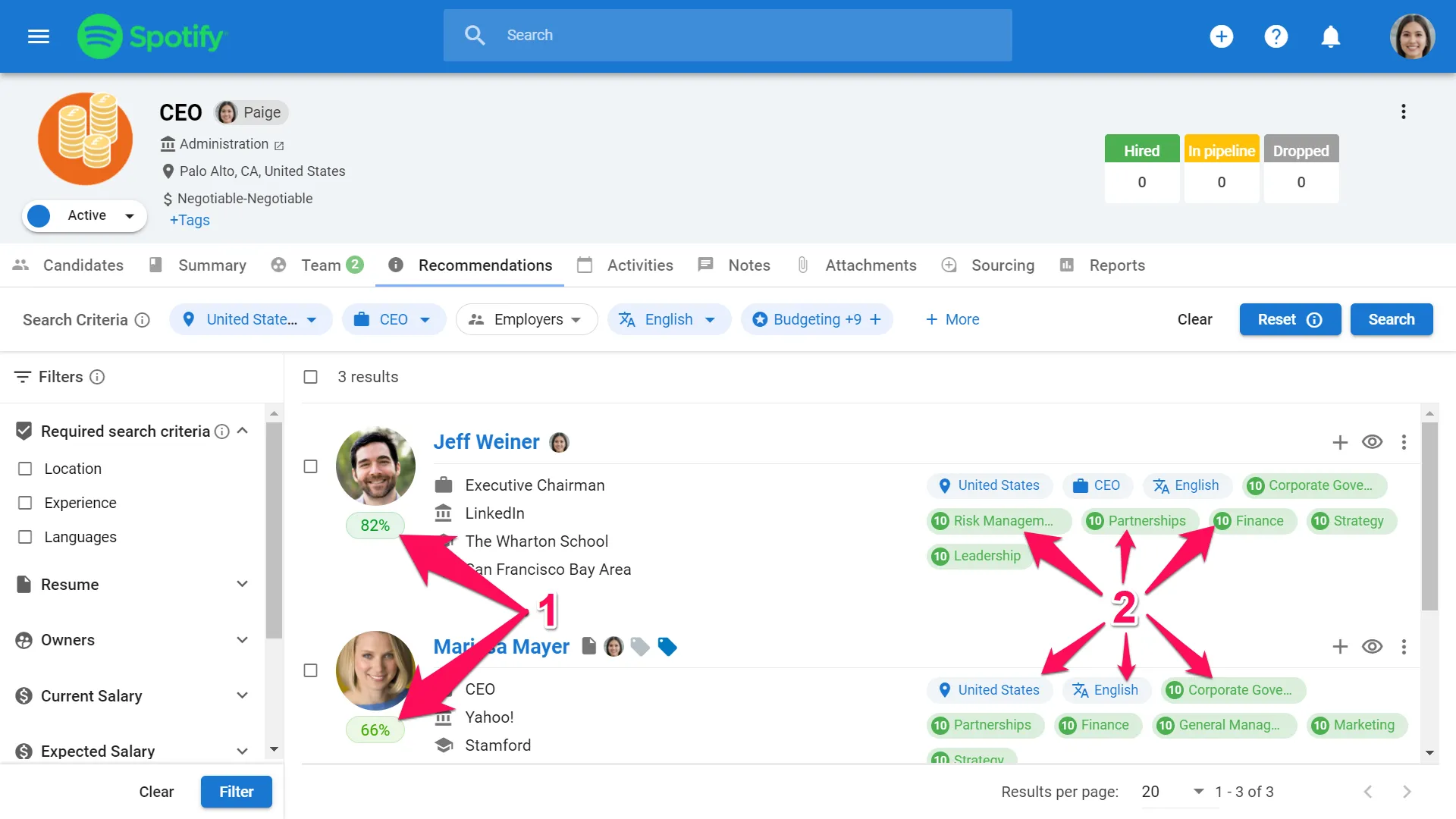
AI-driven tools can reduce time-to-hire by as much as 70%.[2] This acceleration at the top of the funnel means qualified candidates are identified and engaged faster, preventing them from being hired by competitors.
Improved Quality of Hire
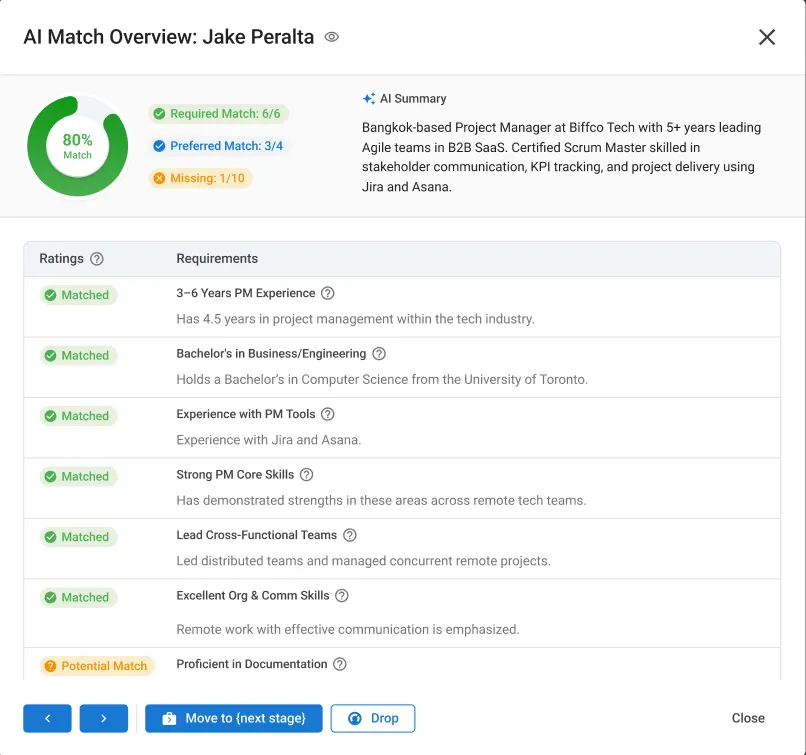
AI algorithms can analyze job descriptions and resumes for skills, experience, and qualifications with a level of objectivity that is difficult for humans to replicate. A data-driven evaluation approach helps reduce unconscious bias related to names, education sources, or other non-essential factors. This leads to a more diverse and qualified talent pool, ultimately improving the quality of hire.
Scalable Hiring Operations
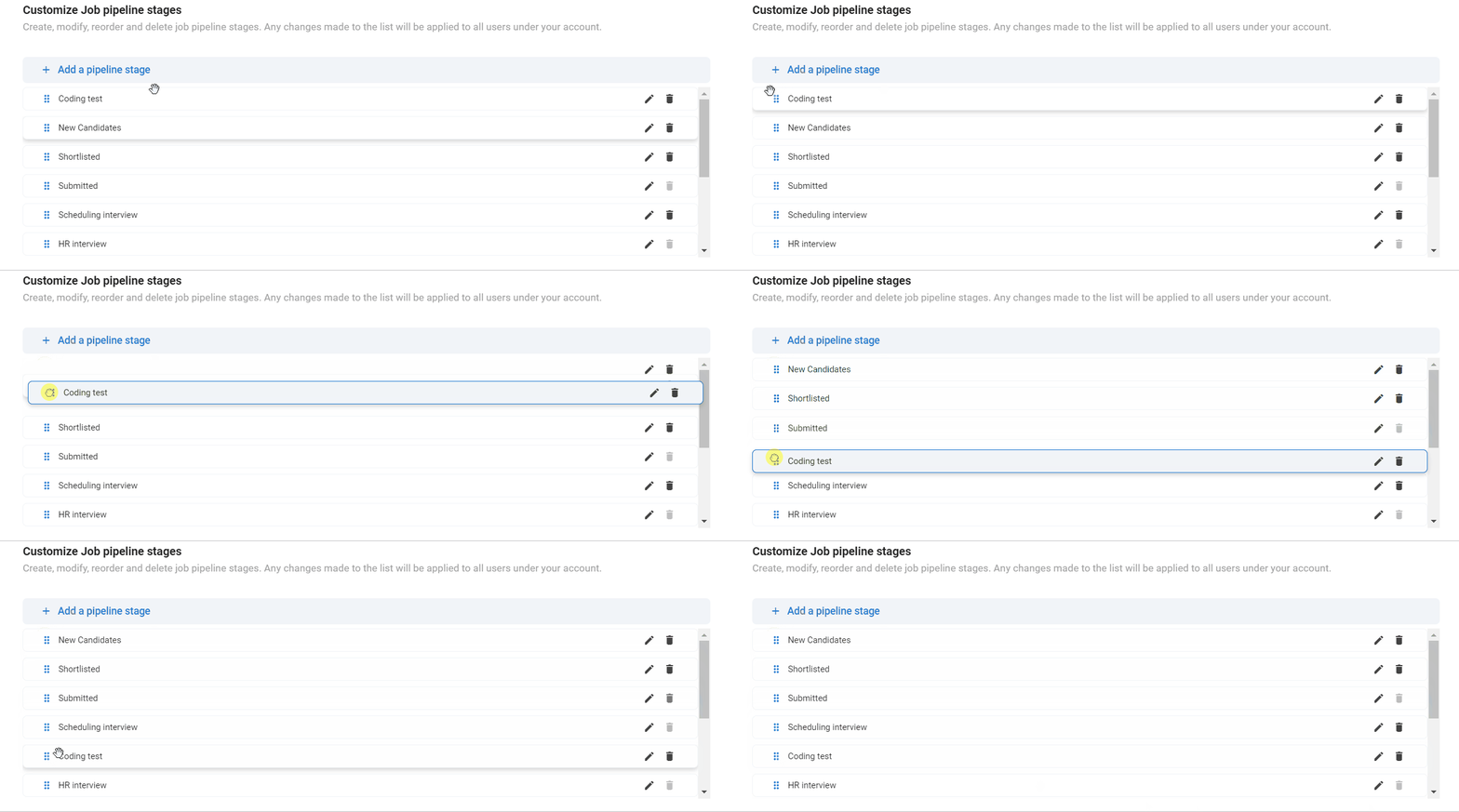
Manual hiring processes crumble under pressure. When a company needs to scale quickly, recruiters become overwhelmed. An automated system handles increased volume with ease. Whether you open five new roles or fifty, the system’s capacity to process, screen, and manage candidates remains consistent, allowing your talent acquisition function to scale seamlessly with business growth.
With customizable pipelines and drag-and-drop views, Manatal lets teams manage hundreds of candidates across multiple open roles simultaneously without losing visibility. Workflow automations run across all jobs, triggering actions like status updates and communications in bulk, so recruiters aren’t bogged down by repetitive tasks even when hiring demand spikes.
{{cta}}
Enhanced Candidate Experience
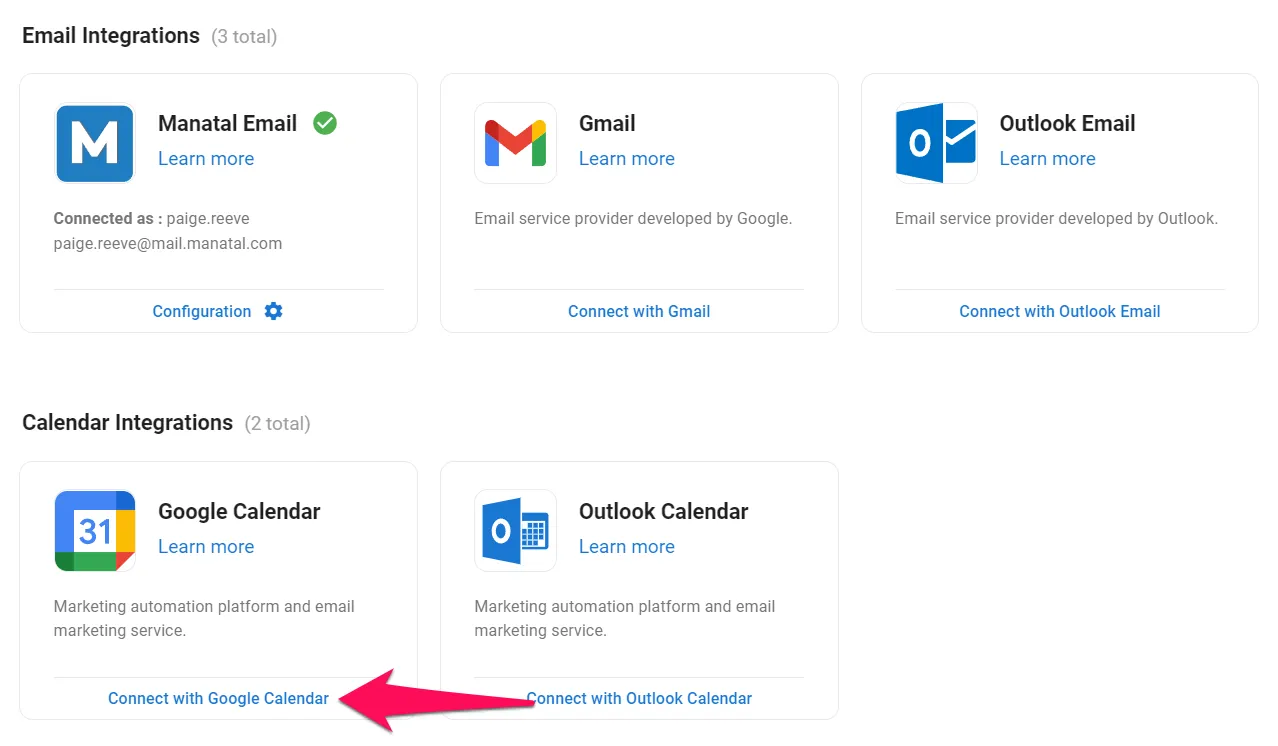
In a manual system, candidates often wait weeks for a response, if they receive one at all. Automation enables instant acknowledgments, timely updates, and faster progression through the hiring stages. This level of communication and efficiency creates a positive candidate experience, strengthening your employer brand and making applicants more likely to accept an offer.
Manatal’s workflow automation can be configured to send personalized emails or SMS updates at key application stages. For example, confirming receipt of an application, scheduling interviews, or sending rejection notices, thus improving timely communication. Calendar integrations also let candidates instantly book interview slots, reducing back-and-forth and enhancing engagement throughout the process.
Data-Driven Hiring Decisions
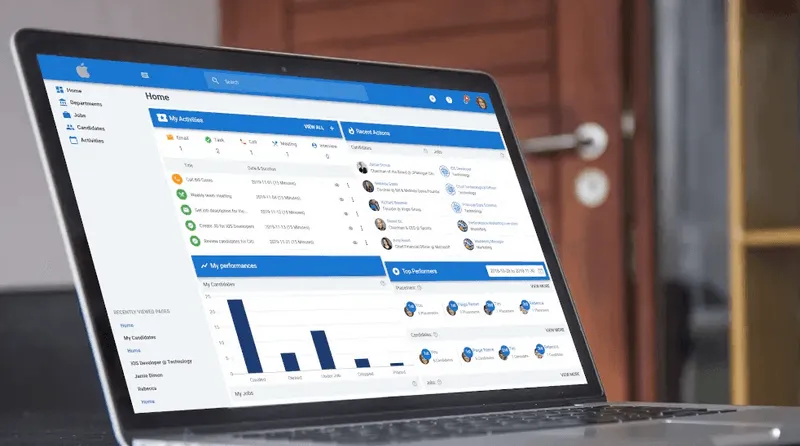
Automated systems provide a wealth of data through analytics dashboards. You can track key metrics like time-to-fill, cost-per-hire, source effectiveness, and conversion rates at each stage of the funnel. This insight allows you to identify bottlenecks, optimize your process, and make strategic, data-backed decisions. Companies using LinkedIn's AI-assisted recruiter messaging the most are 9% more likely to make a quality hire compared to those using it the least, according to LinkedIn data, proving the value of data-informed tools.[3]
Manatal’s reporting suite lets talent acquisition teams monitor recruitment KPIs in real time. You can generate job-level analytics to see where candidates drop off, which sources yield the best hires, and how different outreach sequences perform, enabling evidence-based adjustments to workflows and improving hiring ROI.
{{cta}}
Common Components of a Modern Automated Hiring System
When evaluating options, it’s crucial to understand the features that define a truly automated platform. These aren't just bells and whistles; they are the core tools that give you your day back and elevate your recruitment strategy. A comprehensive automated hiring management system integrates these components into a seamless workflow.
Multi-Channel Job Posting
Post your job openings across multiple boards, social media, and career pages with a single action, expanding reach without repetitive manual steps. Manatal integrates with thousands of free and premium job boards and lets you distribute job listings from one dashboard to maximize visibility.
AI Candidate Matching
Let AI evaluate candidate profiles against job criteria and automatically rank them by suitability, so top fits rise to the top. Manatal’s AI recommendation engine analyzes applicant data and job requirements to score and suggest best-fit candidates, simplifying shortlisting.
Automated Interview Scheduling
Eliminate scheduling bottlenecks by syncing calendars, proposing available times, and sending invites automatically. The platform integrates with calendar systems to coordinate interview slots and schedule meetings without repetitive back-and-forth messaging.
Automated Candidate Communication
Use templates and trigger-based messaging to send acknowledgments, updates, interview invites, and rejections in bulk. Built-in automation workflows let you configure personalized email sequences based on candidate status, keeping communication timely and consistent.
Recruitment Analytics and Reporting
Track recruitment metrics and KPIs in real time to monitor performance, spot bottlenecks, and refine your hiring strategy. Manatal’s reporting suite offers visual dashboards that consolidate key hiring data, like pipeline progress and source effectiveness, to support data-driven decisions.
Understanding the Limits of Hiring Automation
While an automated hiring system is incredibly powerful, it's still just a tool. Implementing it successfully requires acknowledging its limitations because the goal is to augment human intelligence, not replace it entirely.
Human Judgment Remains Essential
An AI can screen for hard skills and keywords with remarkable accuracy, but it cannot assess a candidate's cultural fit, communication style, or problem-solving abilities in a live setting. The final hiring decision must always rest with humans who can evaluate these crucial soft skills. Yes, automation saves time, but the human connection is still what closes the candidate.
Managing Bias in AI Hiring
If an algorithm is trained on historical hiring data that contains inherent biases, it can perpetuate or even amplify those biases. It is critical to choose an automated hiring system from a vendor that prioritizes fairness and to regularly audit the system’s outputs to ensure it is promoting diversity and equity, not hindering it.
Enhanced Candidate Experience
While automation ensures timely communication, it can feel impersonal if not configured thoughtfully. The best practice is to use automation for standardized updates (e.g., application received), but ensure that communication at later, more critical stages (e.g., interview feedback, offer extension) is personalized and handled by a human.
Data Privacy in Recruitment
Hiring systems handle sensitive personal data, making compliance with regulations like GDPR and CCPA non-negotiable. Ensure your chosen platform has robust security measures and clear data privacy policies to protect both your company and your candidates.
For deeper insights on balancing technology and the human touch in hiring, listen to the full podcast episode with Rohit Joshi from Sanofi on All In Recruitment.
How Automated Hiring Drives Business Growth
While the operational benefits of automation improve day-to-day hiring, the broader impact extends to long-term business performance and competitive positioning. Here are several ways automated hiring systems give companies a leading edge:
- Competitive Edge: Automated hiring systems enable companies to quickly identify and hire top talent, gaining a significant advantage over competitors who rely on manual processes.
- Speed and Efficiency: In a fast-paced market, being able to swiftly interview top candidates sourced by AI ensures you secure quality hires before others can.
- First-Mover Advantage: Rapid action allows businesses to engage with the best candidates early, increasing their chances of successful recruitment.
- Strategic Insights: Automated systems generate valuable data that inform workforce planning and improve decision-making.
- Resource Allocation: Understanding candidate source effectiveness and role fill times leads to better resource distribution and more accurate forecasting.
- Agility in Talent Strategy: Data-driven insights allow for quick adjustments to hiring strategies, ensuring businesses can scale and evolve with market changes.
- Proactive Talent Acquisition: Automated systems transition recruitment from a reactive to a strategic function, driving overall business success with proactive planning.
Steps to Introduce Hiring Automation
Transitioning from manual processes to an automated system can feel daunting, but a phased approach makes it manageable. Here’s how you can do it:
- Assess Existing Hiring Processes: Examine your complete hiring process to identify bottlenecks and repetitive tasks. This audit will highlight where automation can be most beneficial.
- Set Clear Hiring Objectives: Determine if your focus is on reducing time-to-hire, improving candidate quality, or both. Clear objectives will help in selecting and configuring the right system.
- Evaluate Automation Tools: Research and shortlist hiring systems with AI capabilities, such as intelligent sourcing and resume parsing.
- Run a Pilot Program: Start with a pilot program for a specific role or department to test the system, gather feedback, and make necessary adjustments in a controlled setting.
- Enable and Train Users: Conduct thorough training sessions for all users to ensure they understand both the tool's functionalities and how it benefits the organization.
- Measure and Optimize Performance: Continuously track key performance indicators post-implementation. Use analytics to assess progress and be ready to refine processes over time, utilizing free trials to test features risk-free.
Conclusion
The large number of applicants and stiff competition for skilled workers pushes companies to move beyond slow, manual processes. An automated hiring system offers the speed, efficiency, and quality needed, making it a crucial tool for growth businesses of all sizes. The best results come from blending automation with human insight. Let technology take care of tasks like sourcing, screening, and scheduling, so your team can focus on building relationships and finding the right cultural fit. This approach not only speeds up the hiring process but also creates a lasting competitive edge. With the right automated hiring system, you'll have more time to concentrate on what truly matters: people.
Frequently Asked Questions
Q: How does an automated hiring system integrate with my existing ATS or HR software?
A: Integrating an automated hiring system with your existing Applicant Tracking System (ATS) or HR software involves using APIs for seamless data exchange and workflow alignment. This integration synchronizes candidate information and application statuses, ensuring consistency and accuracy, reducing manual data entry, and minimizing errors, thereby enhancing the candidate experience while enabling HR teams to use familiar tools without disruption.
Q: What role does AI play in automated hiring, and how accurate is it?
A: AI significantly improves the recruitment process by efficiently screening candidates, predicting success, and saving time for recruiters. However, while it can reduce some human biases, it may perpetuate others if trained on biased data and can struggle with human nuances. Therefore, AI is most effective when combined with human oversight.
Q: Can automated hiring systems handle niche or high-volume recruitment?
A: Automated hiring systems are effective for high-volume recruitment by quickly processing applications and identifying suitable candidates through AI algorithms, thus reducing administrative tasks. However, these systems may fall short in niche recruitment, where unique skills are crucial, as they often depend on specific keywords, potentially missing qualified candidates. While automation enhances recruitment efficiency, human judgment remains essential for evaluating candidates with specialized skills in niche roles.
Q: How do I measure the ROI of an automated hiring system?
A: Measuring the ROI of an automated hiring system involves analyzing quantitative and qualitative factors such as reduced time-to-hire, cost savings, and quality of hires. Organizations should assess improvements in recruiter productivity and gather feedback from candidates and hiring managers to evaluate the system's overall effectiveness and impact on the organization.
Q: What are the top challenges in automated hiring, and how to overcome?
A: Automated hiring systems face challenges like potential bias, lack of transparency, and difficulty assessing candidates' soft skills. Bias can result from flawed training data, so companies must use diverse datasets and audit algorithms for fairness. Transparency issues can be alleviated by explaining AI decision-making to build trust. Since AI struggles with evaluating emotional intelligence and cultural fit, combining AI tools with human judgment is recommended. Continuous improvement and feedback loops are essential to maintain effective and fair hiring practices.
—
Citations
.webp)






.webp)

.webp)


.webp)


