





Sometimes a qualified candidate will not see your job post because they are not actively applying for jobs. That is why relying solely on inbound applications doesn’t always help recruiters find candidates who truly match the role. In 2026, effective sourcing means actively going to the right people instead of waiting for them to come to you. This guide covers eight practical strategies to help you find candidates across different roles, seniority levels, and hiring needs, with clear actions you can execute immediately.
What It Takes to Find Candidates in Today’s Market
Posting a job and waiting for applications rarely brings the candidates you actually want. Most qualified professionals are not actively applying to jobs. Most job seekers (about 75%) are passive; they aren't actively looking but are open to offers, requiring a completely different engagement strategy.[1]
8 Strategies to Find the Best Candidates
Most sourcing problems stem from three errors: relying too heavily on active candidates, ignoring an ATS database of previously screened candidates, and posting every role to the same channels regardless of fit. The eight strategies below address each of these directly.
Talent Rediscovery
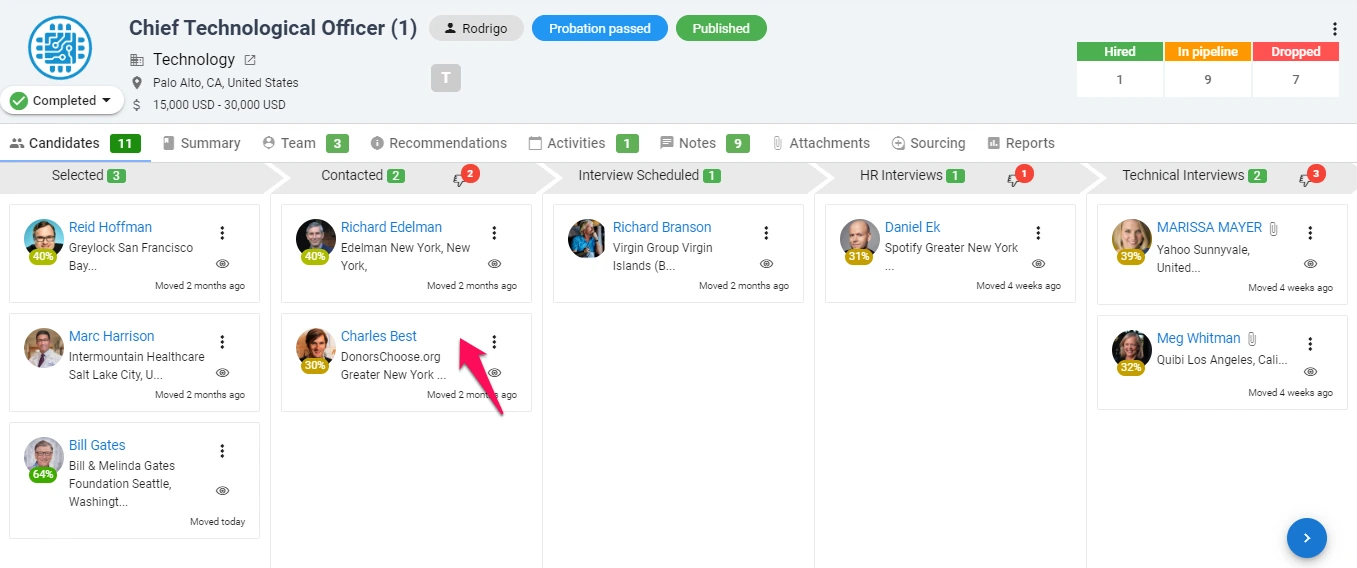
Before you open a new sourcing channel to find candidates, search the candidate database you already have. In most organizations, the ATS holds hundreds or thousands of screened applicants who were not hired because either the role was filled by someone else, the timing was wrong, or the headcount was frozen. And those candidates have already been vetted. Reaching out to them costs nothing.
Do this:
1. Open your ATS and filter for candidates who reached the second interview stage or beyond in the last 24 months but were not hired.
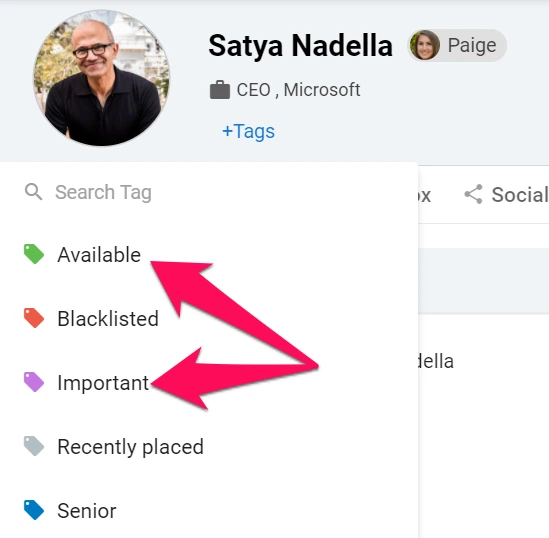
2. Tag those candidates with a label such as "Vetted, Backend Engineer, 2024" to create a reusable pipeline segment.
3. Set a task reminder to follow up within 48 hours of tagging.
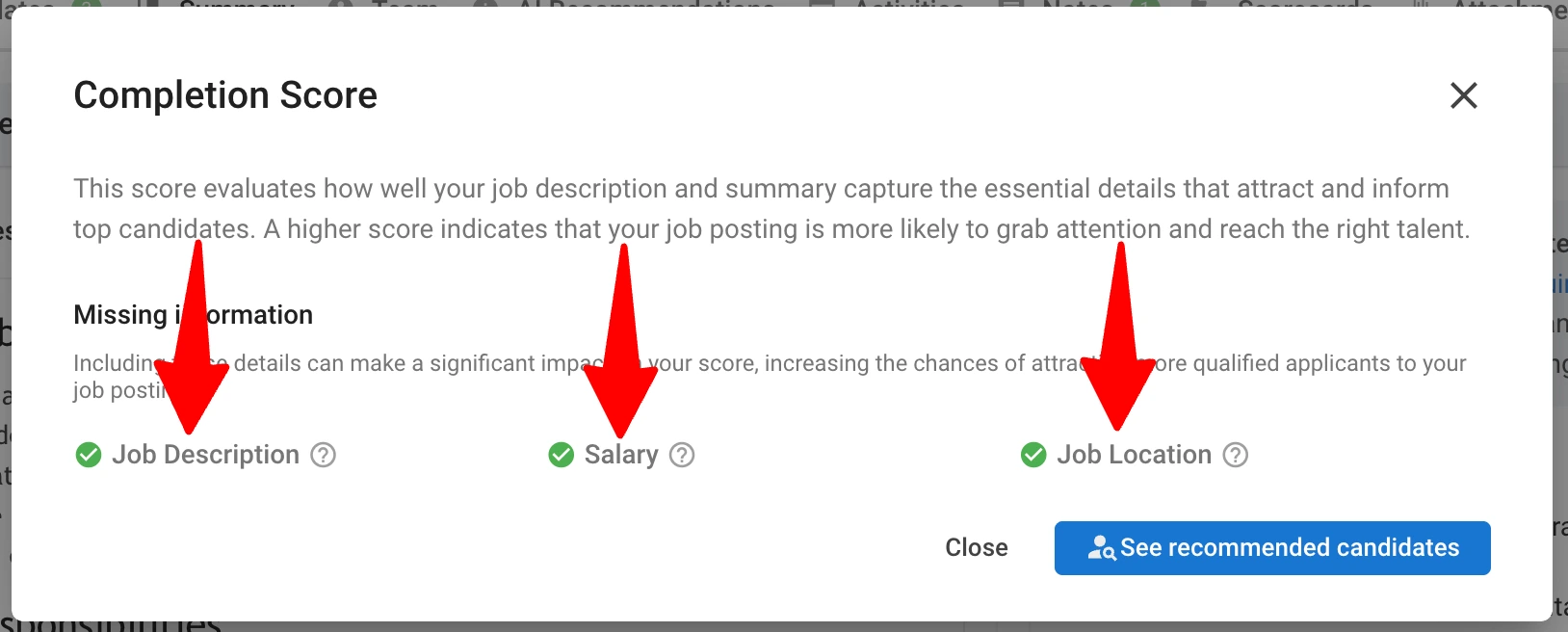
Manatal’s AI Recommendations tool allows you to efficiently find candidates. When a new job is opened, it scans your existing candidate database and ranks past applicants by skills match against the job description. You see a scored list of people you already know rather than starting from zero. For a recruiter managing 15 or more open roles at once, that eliminates hours of manual searching per week.
The outreach message for rediscovery contacts should be direct:
"Hi [Name], we spoke in [year] about a [role] position. We have a new opening that aligns closely with your background in [specific skill]. Would you be open to a 15-minute conversation this week?"
{{cta}}
Source Passive Candidates Through Niche Communities
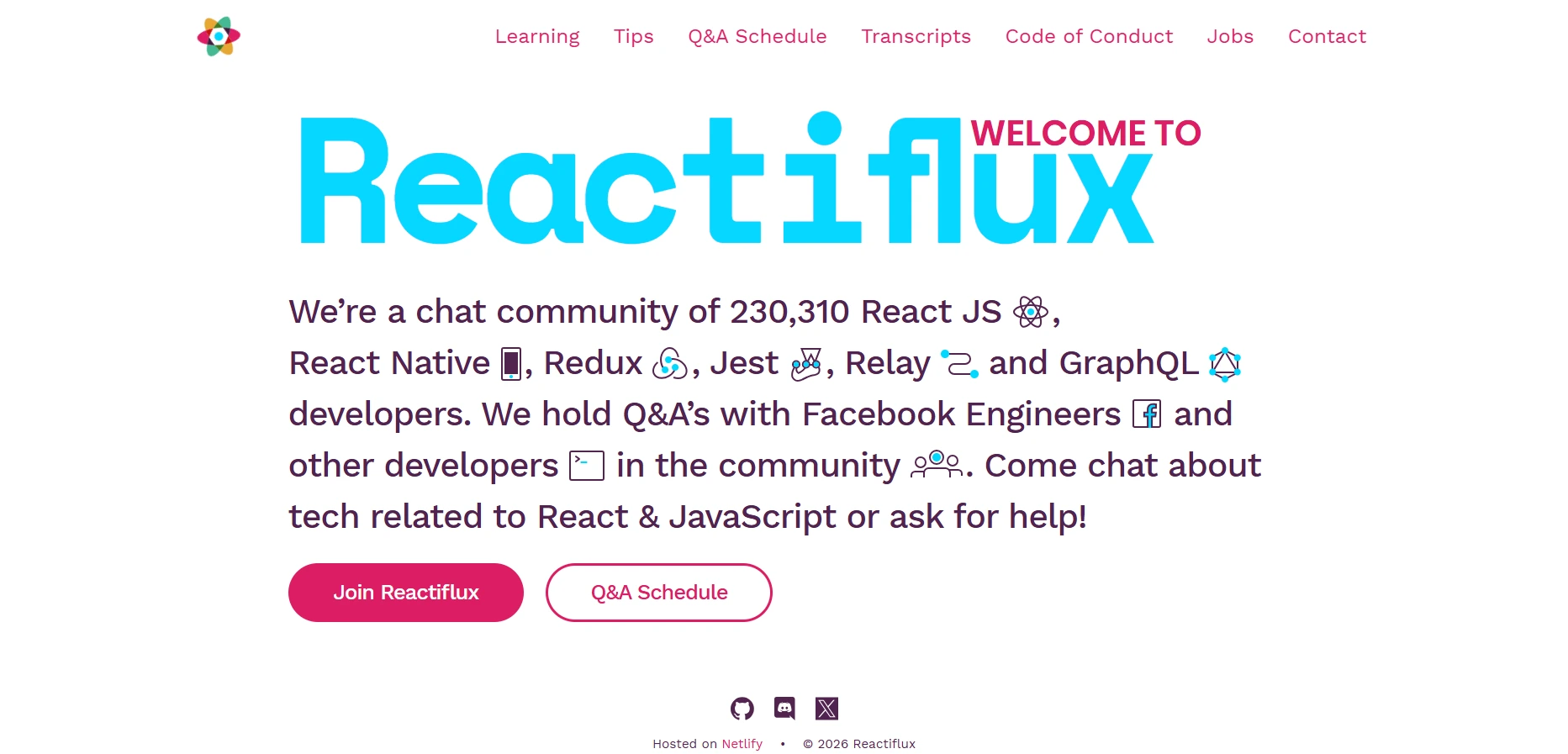
Passive candidates do not check job boards. They spend time in professional communities, and that is where you go to find them.
Slack workspaces, Discord servers, and subreddit communities organized around specific skills are among the most underused sourcing channels in recruitment. They work because the members self-select by expertise. A Python Discord server contains Python developers. A performance marketing Slack group contains performance marketers.
Do this:
- Identify two or three communities where your target candidates are active. For software engineers, look at communities such as Reactiflux on Discord or local tech Slack groups. For designers, check out Design Buddies or Dribbble's community spaces. For data professionals, look at the DataTalks community on Slack.
- Join as a member, not as a recruiter. Read the rules first. Many communities prohibit direct job postings in general channels.
- Spend one to two weeks contributing before you source. Answer questions. Share relevant articles. Build a recognizable name.
- Post in the designated jobs channel when one exists. Keep your post specific: role title, team size, tech stack or required skills, and a direct link to apply.
- When you identify a standout member from their contributions, send a direct message within 24 hours.
The outreach message should reference something specific:
"I saw your post about [topic] in this community and it matched exactly what we are looking for in a [role]. We are a [brief company description]. Would you be open to a quick chat?"
Reminder: Never send a copy-paste message. Community members spot templated outreach immediately, and it will damage your credibility in the space.
Boolean Search and Advanced Social Sourcing
Boolean search helps you control what LinkedIn shows you instead of relying on a basic job title search. It works on LinkedIn’s free search, LinkedIn Recruiter, and on X. The three core operators are simple:
- AND = both terms must appear
- OR = either term can appear
- NOT = exclude a term
Here’s the important part. On a free LinkedIn account, complex strings often return no results because LinkedIn limits advanced Boolean logic in the main search bar. So instead of pasting one long string, break it into steps to find candidates.
Step-by-step example (free LinkedIn account)
If you’re sourcing a mid-level frontend developer:
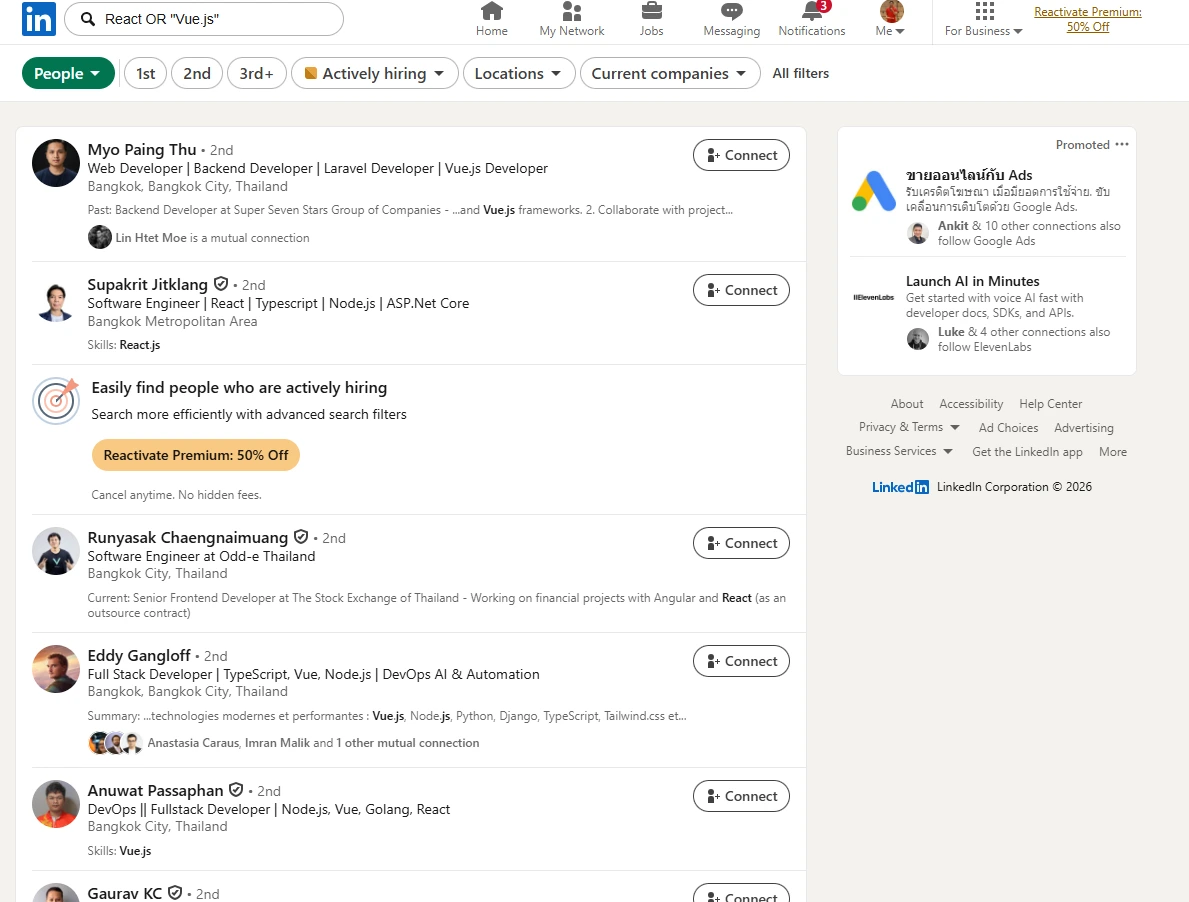
Step 1: In the search bar, type React OR "Vue.js". Then, click People on the left side and Show all people results.
If that works, move to step two.
Step 2: Add one more requirement by typing AND (TypeScript OR JavaScript)
.webp)
If results disappear, remove parentheses and simplify like this: React AND TypeScript.
Step 3: Use filters instead of overloading the search bar.
Use LinkedIn’s built-in filters for:
- Location
- Current company
- Industry
- Keywords (inside profile)
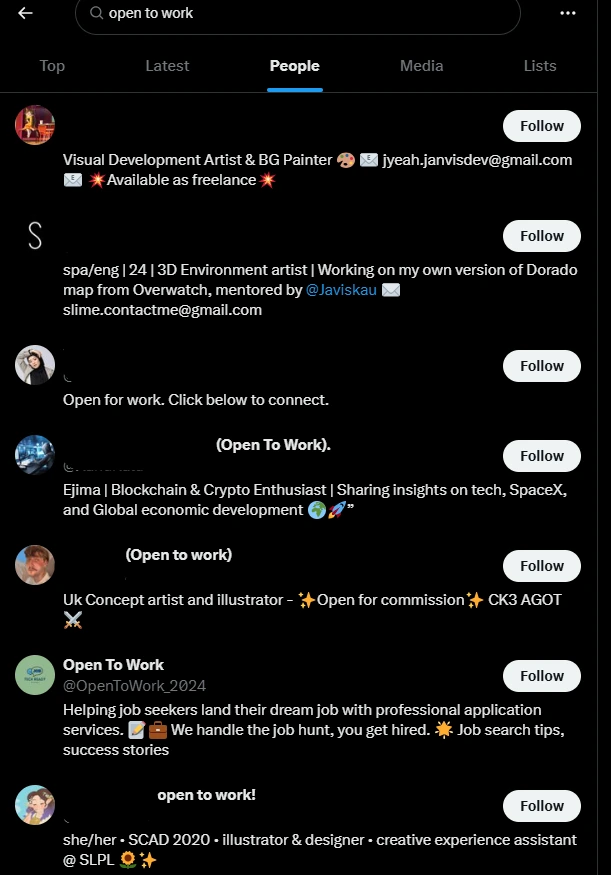
For X, use the search operator to find people in your target field who are actively posting about their work. Search for terms like "open to work" OR "looking for new opportunities" combined with a skill keyword. This surfaces candidates who are not on LinkedIn at all.
Employee Referral Programs and Social Proof
Cash bonuses work, but they are not the core driver of referrals. The real driver is trust. When employees share roles with their own networks, the message carries more weight than a recruiter post. Your job is to make that sharing easy and structured.
Here is what to change:
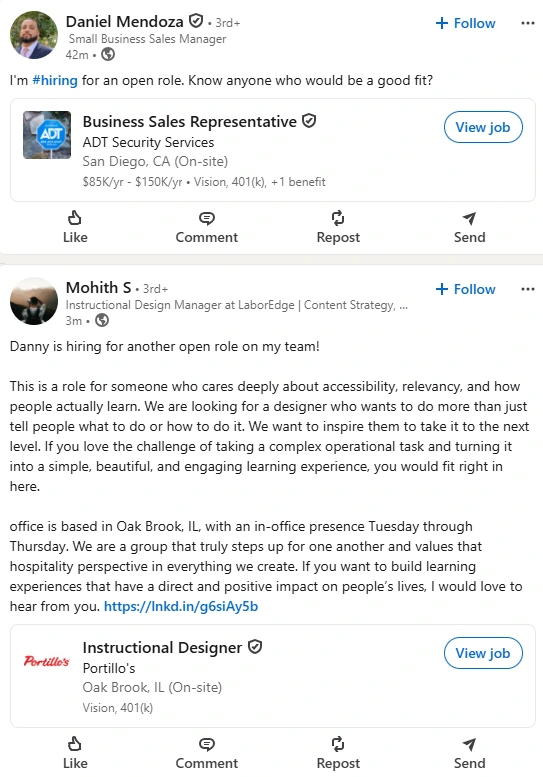
- Give employees ready-to-send content by creating a simple referral kit for every open role, such as a short LinkedIn post they can copy and paste, a direct job link, and a short team description written by someone on the team.
- Make submission frictionless. A single form with three fields: referrer name, candidate name, and candidate contact. Do not ask for resumes at this stage.
- Reward visible action, not just hires. Give a small public acknowledgment when an employee shares a role, not only when their referral gets hired. This keeps participation high even when roles take time to fill.
- Track the referral-to-interview conversion rate separately from the general applicant pool. This data tells you which roles and which teams generate the strongest referral outcomes.
If referrals are underperforming, fix friction and visibility first. Do not increase the bonus before simplifying the system.
Run Programmatic Job Advertising Instead of Manual Posting
Programmatic job ads mean a platform distributes job postings across multiple boards at once and reallocates budget in real time toward the sources generating qualified applicants. You set a cost-per-applicant target, and the system optimizes toward it. Instead of manually posting the same role to multiple boards and guessing performance, you launch one campaign and track results by role, location, and applicant quality.
Here’s how to do it using LinkedIn:
Let’s say you need to hire a Senior Java Developer in Seattle. Instead of casting a wider net, you use the platform’s programmatic features.
1. The "Smart" Targeting
You tell LinkedIn's algorithm: "Only show this to people in Seattle who have 'Java' as a skill and at least 5 years of experience."
2. The Automated Bid (Maximum Delivery)
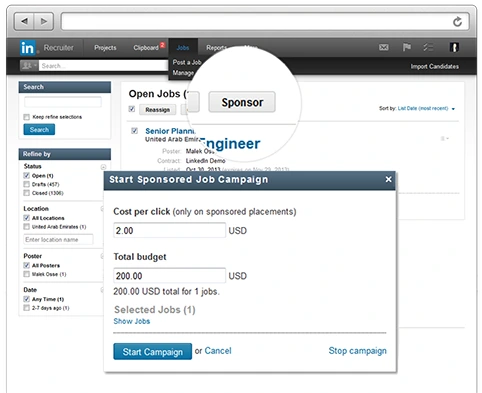
You set a daily budget (e.g., $50/day). LinkedIn then runs the ad through its automated auction system. Every time a qualified candidate logs in, the platform bids in milliseconds to place your job in their feed or job recommendations, spending only what is necessary within your budget.
3. Real-Time Pivot
The system also reallocates spend automatically. If data shows strong engagement at specific times, such as weekday mornings, and weak performance at others, it shifts bidding toward the high-performing windows and reduces spend where results are poor.
4. The Kill-Switch (Budget Caps)
Budget caps act as a safeguard. If you set a total campaign limit, for example, $200, the ad stops automatically once that limit is reached. You do not need to manually turn the campaign off to prevent overspending.
Track cost-per-screened-applicant, not cost-per-click. The click number is a vanity metric. What matters is how many of those applicants you actually contacted for a screen.
Build Diverse Sourcing Into Your Sourcing Channels
Finding diverse candidates is a sourcing problem, not a review problem. If your pipeline lacks diversity, the issue is almost always that you are drawing from the same channels repeatedly. Widening the funnel requires targeting platforms and communities where underrepresented talent is concentrated.
Action Plan:
- Audit your last 10 hires by sourcing channel. If more than 80 percent came from the same two or three channels, your pipeline diversity problem starts there.
- Add two new sourcing channels from the list above to your next open role. Post the role and engage with the platform's community.
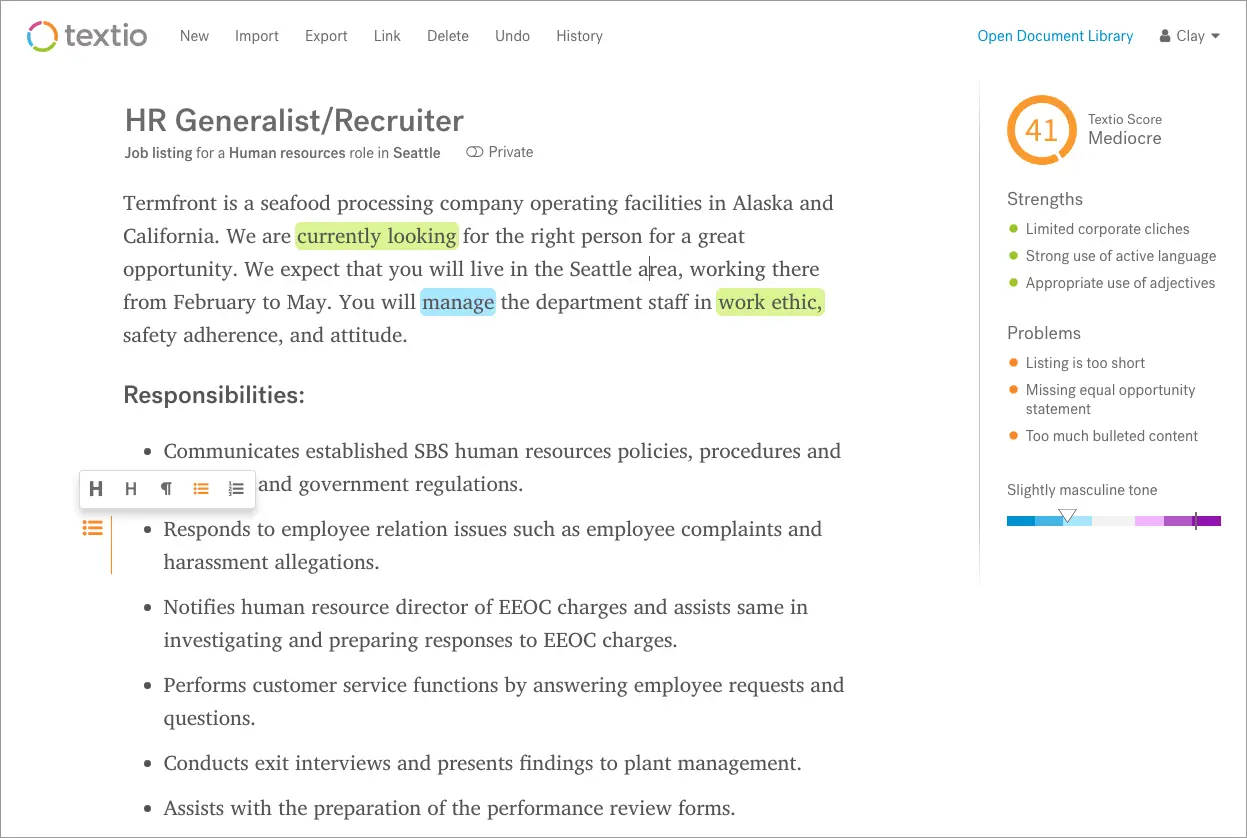
3. Review your job descriptions for language that unintentionally narrows the applicant pool. Tools like Textio or the free Gender Decoder tool flag exclusionary phrasing.
4. Track application rates from new channels separately. Measure conversion at each stage to identify where drop-off occurs.
The goal is to widen the top of the funnel. Sourcing decisions must be grounded in reaching more qualified people, not in meeting quotas. For a deeper breakdown of strategies and platforms that expand underrepresented talent pipelines, see our guide on diversity sourcing.
Virtual Events and Industry Conferences
Job fairs are no longer the primary format for event-based recruiting. Virtual events, industry conferences, and community-hosted online gatherings offer broader reach and greater efficiency for most roles. A virtual event on cloud architecture or growth marketing attracts attendees across cities and countries, while an in-person job fair limits you to a commutable radius. For remote roles, virtual events provide a larger and more relevant talent pool.
Action Plan:
- Find two or three upcoming events in your target candidate's area of specialization. For tech, Devcon, JSConf, and local meetup.com groups for specific stacks are good starting points. For marketing, the MarketingProfs events and LinkedIn Live sessions from industry leaders regularly draw the right audience.
- Register as an attendee, not just as a sponsor or exhibitor. Active participation in session Q&As is more effective than sitting behind a virtual booth.
- Identify participants who ask informed questions or contribute meaningfully during sessions. Connect immediately after the event with a specific reference to something they said or asked.
- Build a follow-up sequence for every event contact. Day one: LinkedIn connection with a personal note. Day three: a short message referencing the conversation. Day seven: a role-specific follow-up if there is a relevant opening.
Template for post-event outreach:
"Hi [Name], I attended the [event name] session on [topic] and noticed your question about [specific topic]. I lead recruiting for [company] and we are working on exactly that problem right now. Would you be open to a brief conversation?"
Match Your Sourcing Channels to the Role You Are Filling
Not every channel reaches every candidate type. Sending a niche DevOps role to a general job board is a slow way to get a poor result. Matching the sourcing channel to the function reduces time-to-qualified-applicant significantly.
Use this table as a starting point for new role types. Your actual performance data by channel will tell you where to concentrate over time.
Execution at Scale
Individually, these strategies work. Combined, they create a sourcing system that covers active and passive candidates, inbound and outbound channels, and both new leads and existing database talent. The key is execution order and operational discipline.
Execution priority (from lowest to highest cost):
- Start with rediscovery: Re-engage candidates already in your database before spending externally.
- Move to outbound sourcing: Use community engagement and Boolean search to target passive talent directly.
- Activate referrals: Leverage employee networks once internal database sourcing is exhausted.
- Add programmatic distribution last: Invest in paid channels only after lower-cost sources are fully utilized.
Scaling reality:
- Manual workflows break past 10+ open roles: Tracking rediscovery, outreach, tagging, and follow-ups manually does not scale.
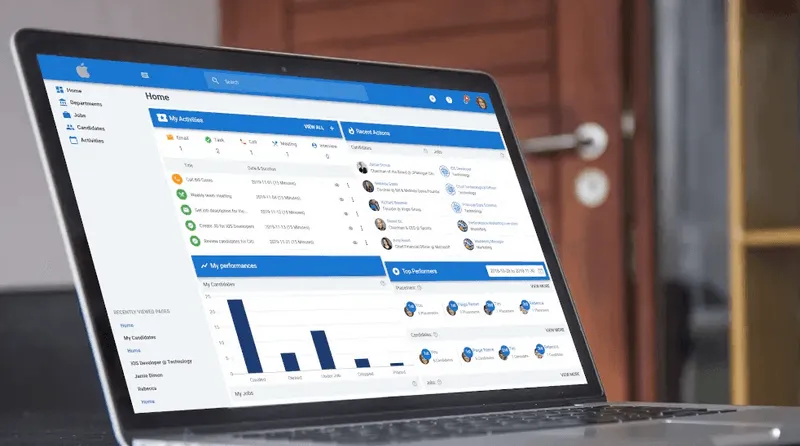
- Use an ATS with automation and AI support: An ATS like Manatal centralizes rediscovery, pipeline tagging, and automated follow-ups so recruiters can run this system without switching tools.
Measure what matters:
- Track time-to-qualified-applicant: This shows whether sourcing channels are producing viable candidates.
- Do not rely on time-to-apply: Application speed does not indicate sourcing effectiveness.
Conclusion
Finding candidates in 2026 is an operational discipline, not a posting activity. If you rely on inbound applications alone, you will compete for the same visible talent as everyone else. The advantage comes from sequencing your sourcing correctly, exhausting internal assets first, targeting passive talent deliberately, activating employee networks, and using paid distribution only when necessary. When you match the right channel to the right role and track time-to-qualified-applicant instead of surface metrics, sourcing becomes predictable, measurable, and scalable.
Frequently Asked Questions
Q: What is the fastest way to find qualified candidates for a technical role?
A: Start with your existing ATS database before opening any new sourcing channel. Filter for candidates who completed at least one interview for a similar role in the past two years. Reach out directly within 24 hours of identifying them. Pair this with Boolean search on LinkedIn targeting the specific tech stack required. This approach consistently produces a qualified shortlist faster than posting to job boards.
Q: How do I find candidates who are not actively looking for a job?
A: Passive candidates are reachable through three channels: professional communities where they spend time (Slack, Discord, subreddits), industry events where they present or attend, and mutual connections through employee referrals. The outreach must be specific to their background and credible. Generic InMails sent to passive candidates have very low response rates.
Q: How do I find diverse candidates without it feeling like a checkbox exercise?
A: Diversity sourcing is a sourcing problem. Expand the channels you post to and engage with before you have an open role. Build relationships with HBCUs, code schools that serve underrepresented communities, and professional networks like Jopwell well before you are in a hiring rush. Sourcing done in advance produces better outcomes than sourcing done under pressure.
Citation
.webp)







.webp)

.webp)


.webp)


