Internal Recruiting: Benefits, Challenges & Best Practices

August 22, 2025
Read Time
Min Read
Ann
Table of Contents

AI software built for Recruiters

Start Free Trial

Download our free Recruitment Signals report!

Download

As business strategies advance, internal recruiting positions itself not only as a supportive function but as a strategic lever essential for driving success. However, it is important for you as an HR professional to uphold a balance between internal and external recruitment to avoid cultural stagnation and mitigate the risk associated with excessive reliance on existing talent. This article delves into how internal recruiting functions as a strategic lever for organizations, evaluating the benefits and methodologies that consolidate its role in advancing hiring and retention goals.

What is Internal Recruiting

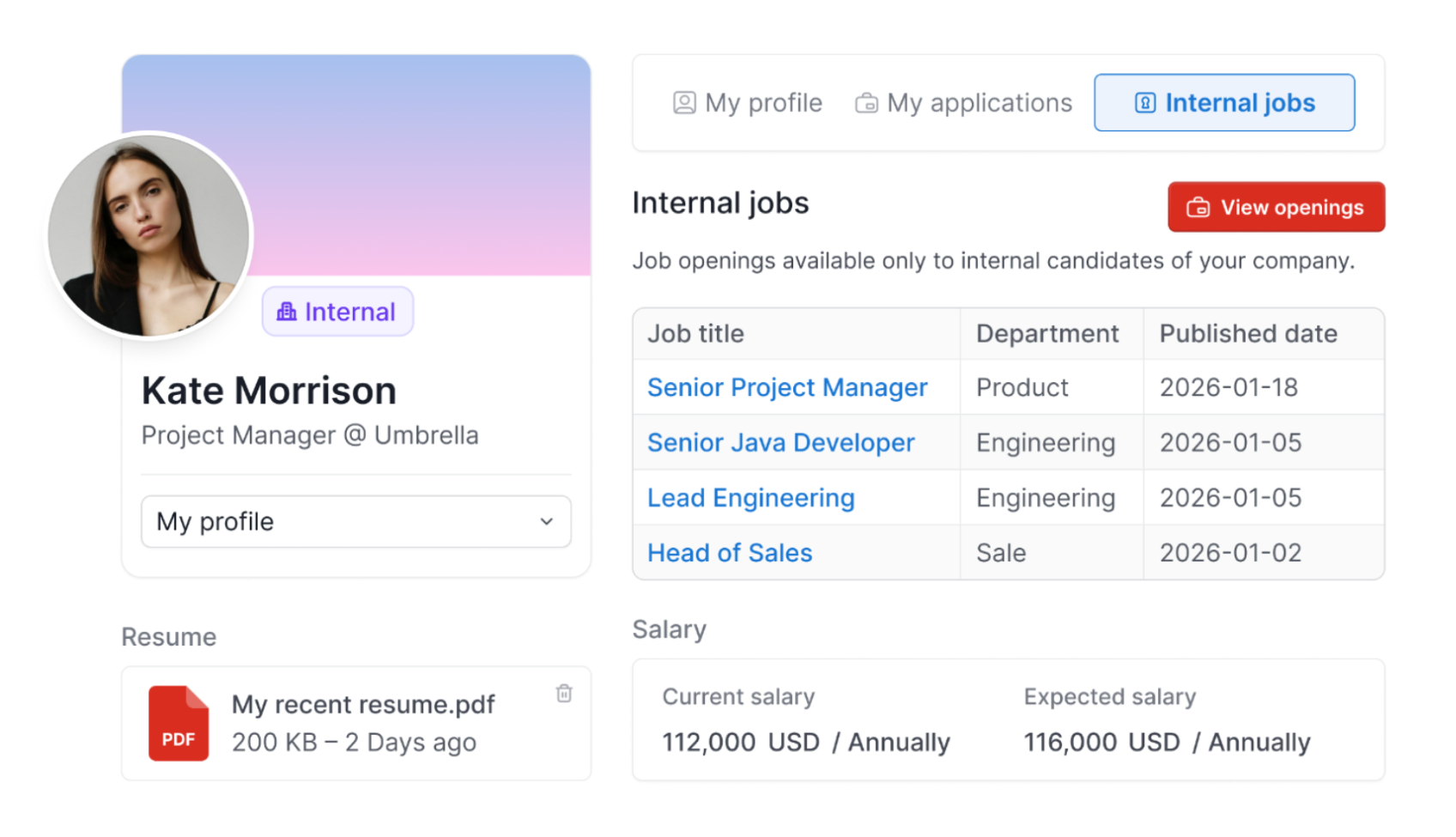
Internal recruitment means hiring people who already work for your company for new or open roles. It requires informing your employees about the available opportunities and using their existing skills and knowledge from various areas and levels of the organization to meet their needs and support their career development. It includes promotions, making temporary or contract workers permanent and full-time, and rehiring former employees.

Pros and Cons of Internal Recruiting

Companies can address talent shortages more efficiently to accelerate hiring agility and enhance career advancement opportunities for current employees. As a result, organizations can experience higher employee retention and more effective succession planning. Here are some of the pros of internal recruiting.

Boosting Employee Morale: A business's commitment to employee career growth leads to increased engagement and motivation. It also fosters a collaborative environment and reinforces loyalty that enhances morale.

Reducing Hiring Costs: Internal recruiting cuts hiring costs by eliminating external expenses such as advertising, resume databases, and recruitment agency fees.

Expediting Onboarding Process: Internal recruiting accelerates the onboarding process, as internal candidates already understand the company's culture and require less introductory training. This familiarity allows internal hires to contribute sooner to their new roles, saving time and ensuring a smooth transition.

Here are the cons:

Skill Gaps: Promoting existing employees may create skill gaps in their previous roles and potentially disrupt operations without proper succession planning.

Internal Bias: Favoring internal hires may encourage bias, leading to unfair decision-making. Long-term employees might be chosen over potentially more qualified new recruits, hindering growth.

Outdated Practices: Internal promotions might perpetuate outdated practices and resist necessary innovation. This resistance to change may result in a stagnant organizational environment.

Employee Resentment: Consistently filling positions internally can lead to resentment among non-selected employees. This can harm inter-employee relationships and negatively affect morale.

Internal Recruiting Platforms and Tools

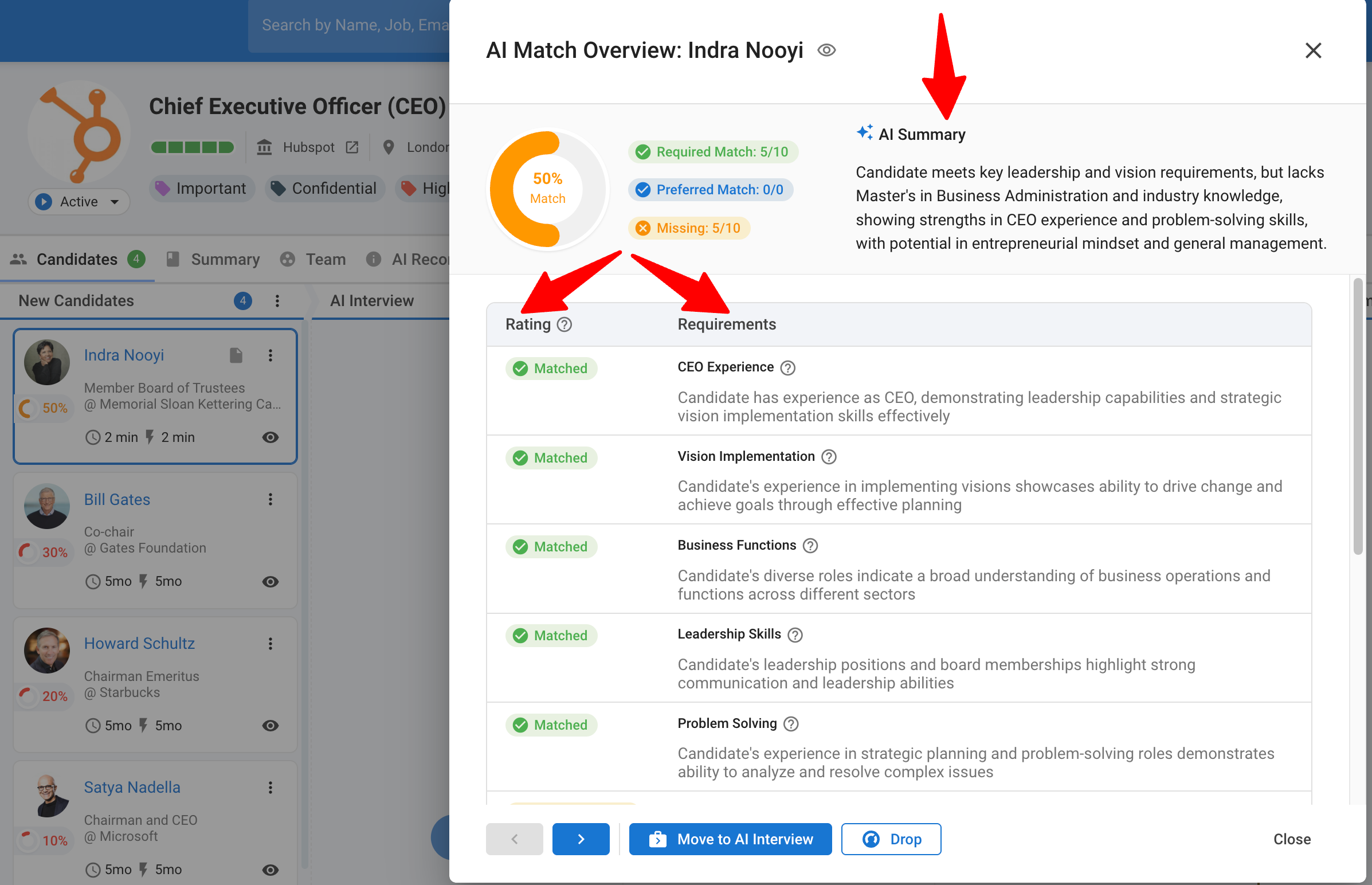
Effectively using technology in internal recruiting can address talent gaps and manage career growth, reducing costs and boosting efficiency. Manatal’s AI Recommendations feature enables you to swiftly identify internal candidates by matching open job requirements with existing employee profiles and scoring them for relevance. This functionality makes it significantly easier to discover promotable talent and accelerate the hiring process by reducing the need for manual filtering.

{{cta}}

Other Platforms and Tools for Seamless Transitions

The right platforms and tools can significantly enhance the internal recruiting process.

Human Resource Information Systems (HRIS) – e.g., Workday, SAP SuccessFactors:

  • Integrate employee records, performance data, and career goals with recruitment processes.
  • Help HR teams identify qualified internal candidates quickly.
  • Enable data-driven talent placement aligned with strategic business needs.

Internal Talent Marketplaces – e.g., Gloat, Fuel50:

  • Make open roles, projects, and gig opportunities visible across the organization.
  • Use AI to recommend career paths and match employees to opportunities based on skills, experience, and aspirations.
  • Encourage career mobility, skill growth, and employee retention.

Learning Management Systems (LMS) – e.g., Cornerstone OnDemand, LinkedIn Learning:

  • Offer courses, certifications, and training programs to develop in-demand skills.
  • Provide learning pathways tailored to prepare employees for internal career moves.
  • Track progress and certifications to support promotion readiness.

Communication & Collaboration Tools – e.g., Slack, Microsoft Teams:

  • Facilitate direct communication between HR, managers, and employees about opportunities.
  • Support virtual interviews, Q&A sessions, and feedback loops.
  • Keep internal hiring transparent and responsive through real-time updates.

Combining these tools creates a seamless internal recruiting system, one that identifies talent, nurtures skills, and ensures smooth career transitions within the company

Methods of Internal Recruiting

Utilizing internal job postings, employee referrals, and structured succession planning builds a strong internal talent pool, enabling companies to fill roles with employees already aligned to their culture and goals. Transfers and temporary-to-permanent conversions add flexibility and maximize internal resources.

  • Succession Planning: Identifies and prepares internal talent for future leadership roles by defining required skills, setting performance benchmarks, and maintaining candidate lists. Strengthens mobility, retention, and leadership readiness.
  • Promotions: Advances employees to higher positions to reward performance, boost morale, and retain talent by demonstrating career growth opportunities.
  • Transfers: Moves employees to different departments or locations without changing pay or role, balancing workforce needs and providing new experiences for engagement.
  • Mentorship-Based Selection: Pairs experienced staff with high-potential employees for guidance and skill development, ensuring candidates are prepared for advancement.
  • Internal Talent Marketplaces: Digital platforms matching employees with internal opportunities based on skills and interests, fostering agility, visibility, and retention.
  • Temporary-to-Permanent Offers: Hires employees on a trial basis before offering a permanent role, allowing mutual evaluation and reducing hiring risks.

Differences Between Internal and External Recruitment

Criteria Internal Recruitment External Recruitment
Source of Candidates Current employees (promotions, transfers, referrals.) Candidates outside the organization (job boards, agencies, fairs, etc.)
Time-to-Hire Faster: existing performance data, minimal onboarding. Slower: need advertising, multi-stage screening, and onboarding.
Cost Implications Lower cost: saves on ads, agencies, and relocation. Higher cost: advertising, hiring fees, comprehensive onboarding.
Candidate Pool & Innovation Limited: may lack fresh perspectives and new ideas. Broad: brings diverse skills, innovative thinking.
Onboarding & Integration Smooth: already familiar with culture and processes. Requires time and effort to adapt to culture and systems.
Employee Morale & Motivation Promotes career development and retention. It can harm morale if employees feel overlooked, but it can inspire if managed well.
Internal Disruption Can create vacancies that require filling (domino effect). Minimal: role is filled directly without internal reshuffling unless by referral.
Risk & Fit Lower risk: performance history known. Higher risk: cultural fit and performance less certain.
Best Use Cases When speed, cost savings, retention, and cultural fit matter. When needing new skills, innovation, diversity, or during growth/expansion.

How to Develop an Internal Recruiting Process

Developing a robust internal recruiting process ensures fairness, boosts engagement, and helps retain top talent by filling roles from within. Follow these key steps:

  1. Establish a clear internal hiring policy: Draft documented guidelines that define who’s involved in internal recruitment, eligibility criteria, timelines, and decision-making frameworks. This ensures transparency, minimizes bias, and fosters trust. [1]
  2. Conduct strategic workforce planning: Regularly assess current and future talent needs aligned with business goals. Identify critical roles, skill gaps, and potential internal candidates. Forward planning enables proactive readiness. [2]
  3. Post jobs internally with clarity and reach: Use internal communication channels to advertise open positions clearly, detailing responsibilities, requirements, compensation, and expectations—to ensure broad visibility and equitable access for all employees.[3]
  4. Create fair and objective selection criteria: Define and evaluate candidates against standardized, competency-based metrics to ensure fairness and focus on role-specific skills and potential.
  5. Streamline assessment and hiring (with fairness): Use the same objective metrics or structured interviews for all internal candidates to preserve integrity. Provide timely, constructive feedback, maintaining morale, and supporting continuous development.[4]
  6. Coordinate onboarding or transition for selected candidates: Even though they're familiar with the company, support transitioning employees with training or mentoring tailored to the new role, this speeds up integration and sets them up for success.[5]
  7. Monitor, review, and refine the process: Track process outcomes such as time-to-fill, candidate satisfaction, retention rates, and solicit feedback from participants. Use these insights to continuously improve your internal recruitment process.[6]

Internal Recruitment Success Metrics

These success metrics not only offer insights into the internal recruiting program's performance but also help in refining the approach over time.

  1. Time to Fill: One of the most telling metrics in internal recruiting is the time taken to fill a position. A shorter time to fill typically indicates an efficient process where qualified internal candidates are readily identified and transitioned into roles with minimal downtime.
  2. Employee Retention Rate: Higher retention rates for internally recruited employees demonstrate successful matches between candidates and job roles, suggesting that they are equipped with the right skills and cultural alignment. This metric reflects the ability of the recruiting team to anticipate individual career paths that align with company growth.
  3. Employee Engagement and Satisfaction: Regular surveys and feedback mechanisms can be utilized to measure how engaged and satisfied internally recruited employees feel after transitioning into their new roles. High engagement levels often correlate with enhanced productivity and job satisfaction.
  4. Promotion Rate: Tracking the rate of promotions that stem from internal recruitments can highlight not only the quality of hires but also the company's commitment to career development and leadership pipeline building.
  5. Diversity and Inclusion Metrics: It's important to measure internal recruiting's impact on diversity and inclusion. Metrics in this area could include the diversity of candidates considered for roles, and ultimately, how those numbers translate into actual placements.
  6. Cost Per Hire: Understanding the financial implications of internal recruiting is essential. Often, internal recruiting can reduce external hiring costs, and by tracking cost per hire metrics, companies can evaluate the financial efficiency of their internal strategies.

Examples of Internal Recruitment

Google

The tech giant operates a policy of “hire and promote from within," maintaining transparent internal job postings so employees can apply across teams and levels.[7] Google alsoleverages AI-driven internal talent platforms, especially within gTech operations, to match employees with suitable internal roles, optimizing placement efficiency and alignment.[8] The story of Alison Agüero Dooley illustrates how Googlers can transition across roles, from MBA intern to Product Manager, demonstrating the company’s emphasis on internal mobility and growth.[9]

Deloitte

Deloitte is pioneering the use of a technology-enabled platform, the internal talent marketplace (ITM), to match employees with both internal and external opportunities, facilitating mobility and career growth.[10] The ITM framework is also designed to support diversity, equity, and inclusive outcomes by making internal opportunities more visible and accessible to all employees.[11] Deloitte’s platform-based approach improves visibility by enabling employees to explore new roles and projects, which strengthens internal talent utilization. By treating mobility as a dynamic resource, the firm achieves a more agile, talent-aligned workforce planning across geographies. The marketplace also promotes equity by reducing bias and ensuring fair, inclusive access to opportunities.

Microsoft

Microsoft evolved its mobility model to be more agile—supporting cross-border moves, remote project collaboration, and flexible assignments aligned with global needs.[12] As shared by a Microsoft engineer, internal promotions are accelerated by proactive career communication—using the internal "role library" to understand expectations and skills gaps, then seeking targeted feedback and opportunities.[13] The modern mobility model at Microsoft fosters both geographic and functional flexibility, enabling global collaboration and quicker responses to business needs. Employees who take an active role in managing and communicating their career aspirations are also more likely to secure high-impact projects and advance more rapidly.

Conclusion

Internal recruiting, when balanced with external hiring, equips businesses with the agility, cost-efficiency, and cultural strength needed to thrive in a competitive market. They can use robust platforms, data analytics, and structured talent development programs to identify and nurture high-potential employees, fill critical roles quickly, and maintain engagement through clear career pathways. Tools like Manatal offer solutions from AI recommendations to centralized talent databases and streamlined workflows, making it easier to uncover, develop, and retain top talent. This strategic integration not only maximizes existing talent but also fosters a dynamic workplace culture that values growth, innovation, and long-term retention.

Frequently Asked Questions

Q: When should a company prioritize internal recruiting?

A: A company should prioritize internal recruiting to leverage existing talent, boost morale, and maintain a strong organizational culture. Internal recruitment is beneficial for filling positions requiring an understanding of the company's operations and values, and it is cost-effective compared to external recruitment. Promoting from within enhances employee engagement and retention by providing career progression opportunities and is especially important during organizational changes or restructuring.

Q: What systems support internal recruiting?

A: Internal recruiting streamlines recruitment by optimizing talent identification and mobility within organizations. HRIS maintains critical employee data for quick access, aiding this process. Applicant Tracking Systems (ATS), like Manatal, can be tailored for internal use, improving the efficiency of managing internal applications and postings. Performance management systems provide insights into employee capabilities, supporting informed recruitment decisions. Internal job boards and communication tools like newsletters help employees stay informed about new opportunities, fostering internal growth and advancement.

Q: Does internal recruiting eliminate the need for external hiring?

A: Internal recruiting can reduce the need for external hiring by utilizing existing talent, but it cannot entirely replace it. While internal recruiting has benefits like faster onboarding and improved employee morale, external hiring is crucial for introducing new perspectives, specialized skills, and filling gaps from business growth or unexpected departures. A balanced approach between internal and external hiring helps maintain a diverse and adaptable workforce.

Q: How can internal recruiting be made fair?

A: To make internal recruiting fair, companies should implement transparent processes, communicate job openings and criteria clearly, and provide resources for professional growth. Using objective assessment tools and diverse panels can reduce biases. Regular audits of the recruitment process can identify and address disparities, and fostering an inclusive culture valuing diversity and equity can promote fairness in internal recruiting.

Q: What if no internal candidate is qualified?

A: When no internal candidates are qualified for a job, companies may need to hire externally to find the right fit, despite challenges like longer onboarding and possible cultural misalignment. It's important to thoroughly recruit candidates who meet both technical and company values while also investing in the development of current employees to build a stronger internal talent pool for the future.

Citations

  1. The Human Capital Hub
  2. Employment Hero
  3. Hireful
  4. HRShelf
  5. SavvyHRMS
  6. The Human Capital Hub
  7. Engagedly
  8. Forbes
  9. Google
  10. Brian Heger
  11. Deloitte
  12. ANSR
  13. Business Insider

Ann Schumann

As a former recruiter turned content writer, Ann specializes in creating engaging content. With a passion for the recruitment industry, she helps businesses streamline hiring and attract top talent using innovative solutions.

Sourcing candidates shouldn't be hard

Source & hire candidates faster with Manatal's ATS.

No credit card required
No commitment
Sign up for Free

Our Top Articles

Explore how Manatal can Fit
your Business

Receive an overview of Manatal platform from a product expert.

Get started with Manatal

Our 14-day free trial allows anyone to explore the platform without commitment, while our team is committed to providing support and guidance throughout the process.
Data migration from your existing recruitment software
Team training for a fast and smooth onboarding
Transparent and flexible pricing without lock-in contract
Highest security protocol as standard (SOC II Type 2)
24 / 5 support availability via live chat
All-in-one platform covering all your recruitment needs

Transform the Way You Recruit Today.

World-leading Recruitment Software for Talent Acquisition and Recruitment Professionals.
900,000+
Recruitment processes managed.
10,000+
Active recruiting teams.
135+
Countries.
Bill Twinning
Talent Resources & Development Director - Charoen Pokphand Group
Manatal is the best ATS we worked with. Simplicity, efficiency and the latest technologies combined make it an indispensable tool for any large-scale HR team. Since its adoption, we've seen a huge increase across all our key recruitment metrics. To summarize, it is a must-have.
Dina Demajo
Senior Talent Acquisition - Manpower Group
Manpower has been using Manatal and we couldn't be happier as a team with the services this platform has provided. The application is extremely user-friendly and very well equipped with all the useful functions one would require for successful recruitment. The support team is also excellent with very fast response time.
Ahmed Firdaus
Director - MRI Network, Executive Search Firm
I've been using Manatal for the past couple of months and the platform is excellent, user-friendly and it has helped me a lot in my recruitment process, operation and database management. I'm very happy with their great support. Whenever I ask something they come back to me within minutes.
Edmund Yeo
Human Resources Manager - Oakwood
Manatal is a sophisticated, easy-to-use, mobile-friendly, and cloud-based applicant tracking system that helps companies achieve digitalization and seamless integration to LinkedIn and other job boards. The team at Manatal is very supportive, helpful, prompt in their replies and we were pleased to see that the support they offer exceeded our expectations.
Maxime Ferreira
International Director - JB Hired
Manatal has been at the core of our agency's expansion. Using it has greatly improved and simplified our recruitment processes. Incredibly easy and intuitive to use, customizable to a tee, and offers top-tier live support. Our recruiters love it. A must-have for all recruitment agencies. Definitely recommend!
Ngoc-Thinh Tran
HR Manager, Talent Sourcing & Acquisition - Suntory PepsiCo Beverage
I am using Manatal for talent sourcing and it is the best platform ever. I am so impressed, the Manatal team did an excellent job. This is so awesome I am recommending the solution to all recruiters I know.
Bill Twinning
Talent Resources & Development Director - Charoen Pokphand Group
Manatal is the best ATS we worked with. Simplicity, efficiency and the latest technologies combined make it an indispensable tool for any large-scale HR team. Since its adoption, we've seen a huge increase across all our key recruitment metrics. To summarize. it is a must-have.
Ahmed Firdaus
Director - MRINetwork, Executive Search Firm
I've been using Manatal for the past couple of months and the platform is excellent, user-friendly and it has helped me a lot in my recruitment process, operation and database management. I'm very happy with their great support. Whenever I ask something they come back to me within minutes.
Dina Demajo
Senior Talent Acquisition - Manpower Group
Manpower has been using Manatal and we couldn't be happier as a team with the services this platform has provided. The application is extremely user-friendly and very well equipped with all the useful functions one would require for successful recruitment. The support team is also excellent with very fast response time.
Kevin Martin
Human Resources Manager - Oakwood
Manatal is a sophisticated, easy-to-use, mobile-friendly, and cloud-based applicant tracking system that helps companies achieve digitalization and seamless integration to LinkedIn and other job boards. The team at Manatal is very supportive, helpful, prompt in their replies and we were pleased to see that the support they offer exceeded our expectations.
Maxime Ferreira
International Director - JB Hired
Manatal has been at the core of our agency's expansion. Using it has greatly improved and simplified our recruitment processes. Incredibly easy and intuitive to use, customizable to a tee, and offers top-tier live support. Our recruiters love it. A must-have for all recruitment agencies. Definitely recommend!
Ngoc-Thinh Tran
HR Manager, Talent Sourcing & Acquisition - Suntory PepsiCo Beverage
I am using Manatal for talent sourcing and it is the best platform ever. I am so impressed, the Manatal team did an excellent job. This is so awesome I am recommending the solution to all recruiters I know.

Try Manatal for free during 14-day with no commitment.

No credit card required
No commitment
Try it Now