





The shift to remote work demands new recruitment strategies to effectively build a global workforce. Traditional methods often struggle with sourcing and vetting remote candidates worldwide. In 2025, around 28% of full-time employees globally work remotely, a notable increase from around 20% in 2020.[1] This surge spotlights a high demand for flexible hiring models that can tap into talent from anywhere. Remote recruitment agencies specialize in overcoming these challenges, offering essential expertise and resources for international hiring.
Why Remote Recruitment Agencies Matter
- Global Opportunity: With over a quarter of the workforce now remote, businesses increasingly need agencies that can source talent beyond geographic boundaries.
- Lower Overhead and Flexible Operations: Remote setup reduces the need for physical office space, enabling faster scaling and lower operational costs.
- Market Differentiation: Agencies specialized in remote work can offer services tailored to vetting candidates for remote readiness, including their communication habits, technical skills, and ability to collaborate asynchronously.
- Alignment with Industry Trends: As remote work becomes permanent for more roles, remote recruitment agencies can become strategic partners to businesses adapting to hybrid and distributed work models.
Strategy for Launching a Remote Recruitment Agency
Conduct Market and Niche Research
Begin with in-depth market research for remote talent acquisition by analyzing role demand on job boards like Remote OK and We Work Remotely and using tools such as Google Trends or LinkedIn workforce reports to identify emerging trends. Then, define a clear niche—such as technology, healthcare, or creative roles—to build expertise and establish a competitive edge in the remote recruitment landscape.
Validate Cost Structure and Select a Business Model
Launching remotely significantly lowers overhead—no office rent, fewer utilities, and reduced equipment needs—enabling lean startup costs. Decide whether you’ll focus on permanent placements, temporary staffing, or a hybrid model. Each has different revenue mechanisms and administrative overhead.
Build Your Foundational Business Plan and Legal Framework
Develop a detailed business plan incorporating:
- Your vision, mission, and target client/candidate segments
- Financial assumptions, pricing strategies, and revenue forecasts
- A SWOT analysis to position your agency effectively in the remote recruiting market. Meanwhile, establish your legal structure—LLC, sole proprietor, etc.—and register according to your jurisdiction’s requirements. Understand applicable laws such as employment regulations and data protection (e.g., GDPR compliance).
Invest in Core Tech and Platforms
Invest in robust, cloud-based recruitment technology, especially an integrated platform like Manatal that combines ATS and a Recruitment CRM (more details below). With Manatal, you centralize candidate tracking and client relationship management in one system, benefiting from features like customizable Kanban pipelines, AI-powered candidate recommendations and scoring, social media enrichment, branded career pages, and comprehensive reporting and analytics, all accessible via a seamless, remote-friendly interface.
{{cta}}
Establish Robust Remote Recruitment Operations
Design a recruitment workflow tailored for remote hiring:
- Begin with a structured client intake to deeply understand both role requirements and company culture.
- Source candidates via remote‑focused platforms and networks.
- Screen through skills testing, structured video interviews, and asynchronous assessments.
- Maintain continuous communication during interviews, offer negotiations, and onboarding.
- Automate admin tasks, such as scheduling and feedback loops, to enhance efficiency.
Prioritize Seamless Onboarding and Relationship Management
Provide added value by assisting with remote onboarding best practices—tool setup, communication norms, and cultural integration. Maintain ongoing client and placed candidate relationships to encourage repeat engagements and referrals.
Continuously Monitor, Adapt and Scale
Keep a pulse on evolving remote hiring trends and technology innovations like AI matching or virtual reality interviewing. Regularly assess the legal environment and compliance—especially regarding data privacy and candidate evaluation methods. As your agency matures, consider scaling by expanding into adjacent niches or offering hybrid services that blend remote and flexible placements.
Dive into 8 Steps for Starting Your Recruitment Agency for a practical, step-by-step roadmap tailored for aspiring agency founders.
How Manatal Supports Remote Recruitment
As mentioned above, Manatal’s Recruitment CRM brings together client relationship management and applicant tracking into a single, cloud-based platform, simplifying both commercial and hiring workflows. It empowers agencies to source and manage both leads and candidates seamlessly, supports collaboration through an on-brand Guest Portal, and offers built-in analytics to monitor revenue and performance, all at no additional cost.
Consolidated Client and Candidate Management
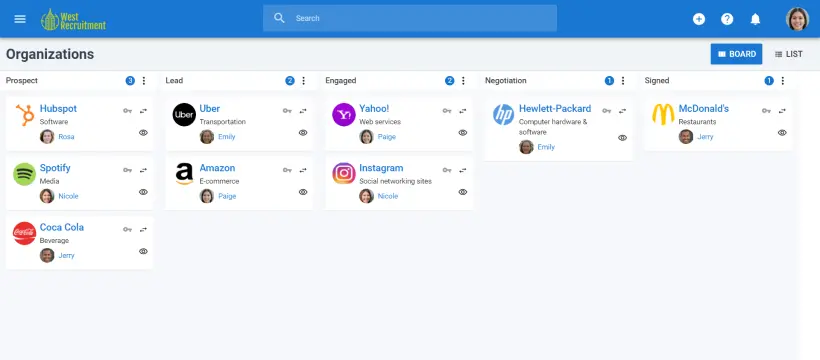
The platform merges sales-focused CRM (Customer Relationship Management) capabilities with ATS (Applicant Tracking System) tools, centralizing lead generation, client relationship management, candidate sourcing, and placements within one platform. This unified structure enables recruitment agencies to manage both commercial and hiring workflows seamlessly.
Transparent Client Collaboration via Guest Portal
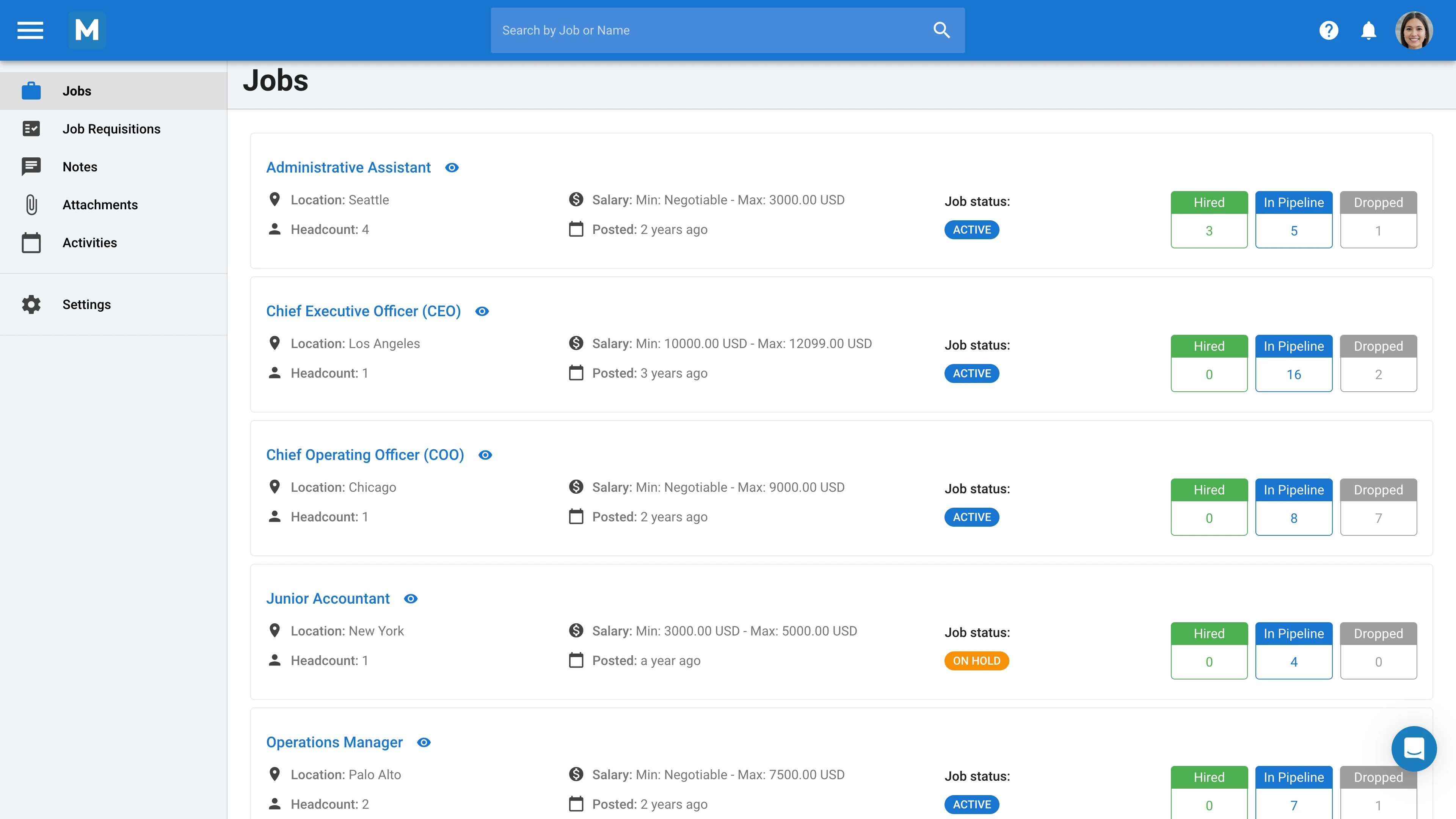
A key feature is the Guest Portal, through which clients gain 24/7 access to their hiring campaigns. They can view real-time progress, access candidate details, and stay informed without manual status updates—a major win for remote transparency and trust-building.
Accelerated Data-Driven Sales and Placement
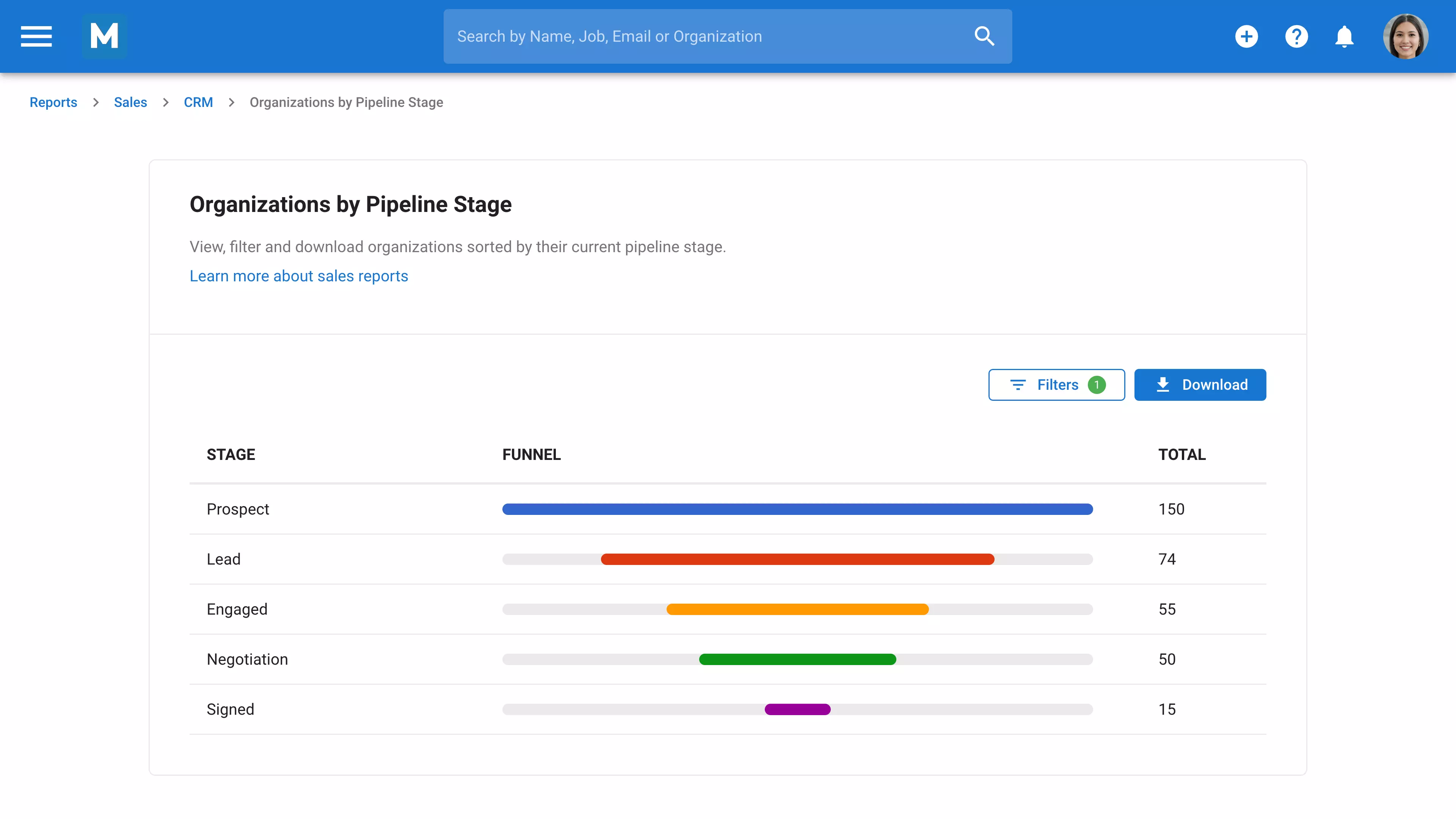
Manatal empowers agencies to track their commercial pipelines, from prospects to active clients—alongside recruitment outputs. Features like revenue linking (to jobs, clients, recruiters) and performance analytics help agencies measure ROI, spot bottlenecks, and optimize both sales and placement efforts.
Unified ATS and CRM Workflow

Combining ATS and CRM means agencies don’t need separate tools for candidate and client management. All recruitment activities—from sourcing and screening to client engagement—occur in one integrated environment. This cohesion simplifies remote workflows and supports better decision-making.
How Manatal Drives Measurable Results in Remote Recruitment
Manatal equips recruitment teams and agencies with powerful features that drive efficiency, consistency, and cost-effectiveness, helping remote hiring efforts become more strategic and scalable.
- Efficient High‑Volume Recruiting: Import thousands of candidate profiles in bulk, source via 2,500+ channels (including a LinkedIn extension), leverage AI-powered screening, send bulk communications, and generate custom analytics for ROI tracking—all in one unified workflow.
- Boosted Team Productivity: Through seamless channel integration and built-in automation, Manatal helped users report a 20% increase in team productivity and a 25% rise in positive candidate responses.
- Centralized Candidate Database: Manatal offers a unified database for storing, managing, filtering, scoring, and tagging all candidate data—supporting smarter, more targeted recruiting at scale.
- Advanced Analytics & Metrics: Gain deep visibility into recruitment performance through dashboards, reports, and KPIs like time‑to‑hire, cost‑per‑hire, reasons for rejection, job-level insights, and recruiter performance—all customizable via a powerful report builder.
- AI‑Powered Sourcing & Screening: AI recommendations rank and match candidates to roles instantly, enabling faster, more accurate selection—supported by predictive tooling to match skills, experience, and job fit.
- Enhanced Recruitment Marketing: Create branded, multilingual career pages; tailor job postings and application forms; automate mass email and SMS outreach; and track engagement and sourcing performance to optimize your marketing strategy.
Conclusion
In conclusion, building an effective global recruitment strategy requires the right tools, partners, and processes. Partnering with specialized remote recruitment agencies provides access to wider talent pools, faster hiring timelines, and seamless compliance across regions. When paired with a powerful platform like Manatal, agencies and businesses can further enhance efficiency, streamline candidate management, and leverage AI-driven insights to make smarter hiring decisions. As remote work continues to reshape the global talent landscape, adopting data-driven solutions and collaborative recruitment models will be key to staying competitive and attracting top talent worldwide.
Frequently Asked Questions
Q: How does a remote recruitment agency balance competitive compensation with clients’ budgets when helping companies hire remote talent?
A: A remote recruitment agency helps clients balance competitive salaries with their budgets by conducting market research on salary trends and offering flexible hiring solutions. They focus on finding skilled candidates who provide value, advising employers on attractive compensation packages that include competitive pay and non-monetary benefits. The agency acts as a mediator to ensure client and candidate expectations align, fostering mutually beneficial agreements.
Q: How can agencies maintain candidate quality during a fully remote talent acquisition process?
A: Maintaining high candidate quality in remote talent acquisition is possible with the right approaches. Agencies should use technology like applicant tracking systems and video interviews, implement structured interviews, conduct skills assessments, and maintain open communication with candidates. Training recruiters to evaluate candidates virtually and collaborating with clients to understand desired skills and cultural fit are also crucial.
Q: What industries and roles does a remote recruitment agency specialize in when sourcing remote talent?
A: A remote recruitment agency focuses on sourcing talent for roles that are well-suited for remote work across various industries, such as technology, digital marketing, creative industries, e-commerce, and administrative functions. These agencies use technology and global networks to connect businesses with skilled professionals worldwide, facilitating opportunities for employers and job seekers in the global market.
Q: How does a staffing agency for remote jobs source and vet remote talent, including candidates from LATAM?
A: A staffing agency for remote jobs sources and vets talent from LATAM using a multi-faceted process. They utilize online job boards, social media, and their databases, alongside collaborating with local networks to find candidates. The vetting process includes screening interviews, practical assessments, and reference checks to evaluate skills, experience, and fit. By understanding cultural nuances within LATAM, the agency ensures high-quality candidates who meet clients' needs.
Q: How do agencies manage remote talent across different time zones and communication styles?
A: Agencies effectively manage remote talent across various time zones by using strategic planning, technological tools, and clear communication protocols. They implement flexible work schedules to accommodate overlapping hours for real-time collaboration when needed. Platforms like Slack, Trello, or Asana aid in seamless task coordination, while guidelines for communication help bridge cultural and style differences, ensuring that remote teams remain cohesive, productive, and aligned with the agency's goals.
Citation
.webp)







.webp)

.webp)


.webp)


