





Hiring teams waste budget on channels that look busy but deliver few hires. You spent $15,000 on LinkedIn slots last quarter. $8,000 on Indeed. $12,000 on agency retainers. Yet with six hires, you can't pinpoint the real sources. Source of hire tracks exactly where hires originated. Not where applicants came from. Where the hires came from. The distinction matters because volume doesn't equal value. This guide breaks down the source-of-hire definitions, metrics, and tracking methods required to optimize your recruitment spend.
What is Source of Hire?
Source of Hire (SoH) identifies the specific channel that generated a candidate who eventually accepted your offer. It answers one question: Which recruiting source produced this employee?
The definition sounds simple. The execution is not.
Source of Hire vs. Source of Applicants
Most companies measure the Source of Applicants (SoA), which tells you where your applications came from. For example, a job board might send you 200 applicants, resulting in zero hires. Meanwhile, an employee referral program could generate 3 real hires from just 10 applicants.
The source of hire (SoH) metric helps you determine which channel delivers the most valuable results.
To put it simply:
- The source of applicants measures traffic.
- Source of hire measures conversion.
Why Track Source of Hire Metrics?
Budget allocation based on gut feeling is expensive.
- Cost Per Hire by Channel: Calculate the total spend on a source divided by hires from that source. If you spent $10,000 on LinkedIn and hired 2 people, your cost per hire is $5,000.
- Time to Fill by Source: Referrals often take 29-40 days to fill. Job boards take 39-55 days. Agencies vary, but usually last longer. [1] Every extra week a role sits open costs you productivity and team morale. Track which sources fill roles fastest.
- Retention Rates by Source: A hire who stays for 18 months costs less than one who quits after 6 months. [2] If agency hires leave twice as fast as referrals, the "cheaper" agency option is actually losing money due to turnover costs.
The Excel Trap vs. Automated Tracking
Manual tracking fails at scale.
Most teams start with a spreadsheet. They ask candidates, "How did you hear about us?" during the application. Candidates may select "Other" if they don't remember or have touched multiple channels. Your data is dirty before you even start.
The multi-touch attribution problem exacerbates this. A candidate saw your LinkedIn post, visited your career site three weeks later, and then applied through Indeed. Which source gets credit? First touch? Last touch? The candidate doesn't remember. You're guessing.
How Manatal Solves This
Manatal's automated source tracking eliminates the guesswork. When a candidate clicks a job link on LinkedIn, the system immediately tags them as that source. If they later apply through your career site, you still have first-touch attribution data.
{{cta}}
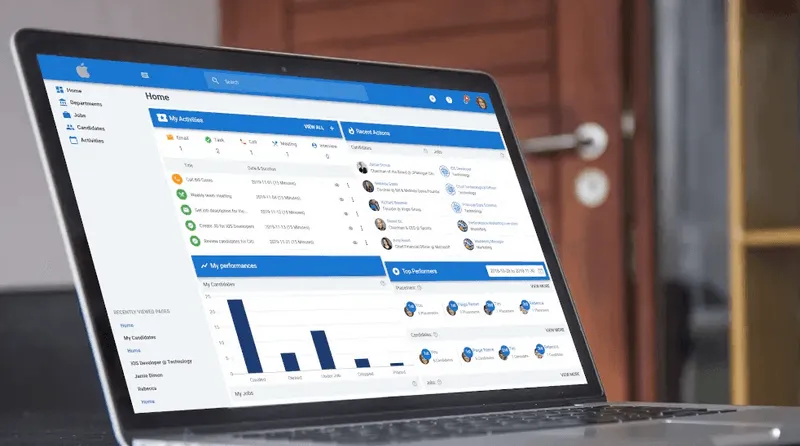
The reports and analytics dashboard breaks down hiring sources in real time. You see which channels produced hires, not just applicants. The cost per hire by source is automatically displayed when you enter recruitment spend. Time-to-hire-by-source updates with every new placement.
The result: Clean data for ROI decisions. Stop paying for channels that send applicants but never deliver employees.
.webp)
Top Source of Hire Examples
When auditing your channels, categorizing them helps you see where your strategy is strongest (or weakest). Here are the standard categories used by most modern recruitment teams.
1. Inbound Channels
These are passive channels where candidates find you.
- Career Page: Candidates who apply directly via your company website.
- Job Boards: Aggregators like Indeed, Glassdoor, or specialized niche boards.
- Social Media: Applications triggered by posts on LinkedIn, Twitter/X, or Facebook.
2. Outbound Channels
These are candidates you actively pursued.
- Sourcing/Headhunting: Candidates approached directly by your internal recruiters via LinkedIn Recruiter or email.
- Recruitment Agencies: Hires delivered by external staffing partners.
3. Internal Channels
Often, the highest-quality sources.
- Employee Referrals: Candidates recommended by current staff.
- Internal Mobility: Current employees moving into new roles.
Employee referrals typically yield the highest-quality hires. They apply faster, interview better, and stay up to 46% longer than job board hires [3]. Yet most companies spend 80% of their budget on paid job boards.
How to Calculate Source of Hire
If you need to present these numbers manually, here is the basic formula to calculate the percentage of hires from a specific source.
Basic Percentage Formula:
(Hires from Source X / Total Hires) x 100 = % Source of Hire.
Cost Per Hire (CPH) by Source:
Total Spend on Source X / Number of Hires from Source X = Cost Per Hire
Example:
If you spend $12,000 on LinkedIn and hire 3 people, your cost per hire is $4,500. If you spent $3,000 on a referral bonus and got 6 hires, the choice for your next budget cycle is obvious.
- LinkedIn spend: $12,000
- Hires from LinkedIn: 3
- Cost per hire: $4,000
Compare that to:
- Referral bonus spend: $3,000
- Hires from referrals: 6
- Cost per hire: $500
The data tells you where to double down.
Simple Source of Hire Tracking Template
If you're tracking manually, use this structure:
Add columns for Time to Hire and 90-Day Retention Status if you want to track quality metrics.
This works for 5 hires per month. At 50 hires, the manual data entry breaks. Human error creeps in. Attribution gets messy. You need automation.
Conclusion
Volume is not a victory metric. A source that floods you with 500 applicants but produces zero hires is eating up your time and budget. The best recruiting teams spend less and hire better because they know their numbers.
Frequently Asked Questions
Q: What is the difference between the source of hire and the source of application?
A: Source of application tracks where all your applicants came from. Source of Hire tracks where your actual hires originated. The first measures volume. The second measures conversion. A job board might send 300 applicants but produce zero hires. That's why tracking applications alone misleads you.
Q: What are the limitations of source of hire tracking?
A: Multi-touch attribution creates blind spots. A candidate might see your LinkedIn post, visit your career site, and then apply through Indeed. Which source gets credit? Most systems use last-touch attribution, which ignores earlier touchpoints. Small sample sizes also distort the data. If you hire only 10 people per quarter, one outlier can skew your percentages.
Q: How do you accurately track the source of hire?
A: Use ATS software that automatically captures the original source when someone clicks your job link. Manual tracking via the "How did you hear about us?" dropdowns fails because candidates either forget to select or choose "Other." Automation eliminates human error and attribution gaps.
Q: What is a source of hire report?
A: A source of hire report breaks down your hires by channel over a specific period. It shows the percentage of hires from each source (referrals, job boards, agencies), cost per hire by source, and time to fill by source. The report answers the question, "Which channels deliver the most hires at the lowest cost?"
Citations:
.webp)







.webp)

.webp)


.webp)


