





Transferable skills, such as communication and problem-solving, are increasingly important to recruiters as the job market evolves. There is a growing trend towards skills-based hiring, with 60% of companies adopting this approach in 2024, and this trend is anticipated to continue into 2025 [1]. This shift, driven by technological advancements and a need for adaptable talent, emphasizes candidates' abilities over traditional educational credentials. Below, we break down the insights for recruiters to understand the importance of transferable skills and how to hire talent with transferable skills.
What Are Transferable Skills?
Transferable skills are portable competencies, knowledge, and abilities that remain valuable across different roles, industries, and career paths. Unlike job-specific technical skills, these capabilities transcend particular positions and can be applied effectively in various professional contexts. They represent the fundamental building blocks of professional adaptability and career mobility.
According to a LinkedIn survey, 9 out of 10 global executives agree that soft skills are more important than ever [2], emphasizing the importance of transferable skills. This shift reflects the recognition that while technical skills can be taught, foundational competencies like problem-solving, communication, and adaptability are harder to develop and more universally applicable.
Key Types of Transferable Skills
- Communication Skills: The foundation of professional success across all industries. A transferable skill in any setting, you will communicate in almost every job. This includes written communication, verbal presentation, active listening, and digital communication proficiency.
- Leadership and Management: The ability to guide, motivate, and coordinate teams transcends specific industries and becomes increasingly valuable at senior levels.
- Problem-Solving and Critical Thinking: These cognitive skills are essential for navigating complex challenges regardless of the specific industry context.
- Adaptability and Learning Agility: In a rapidly changing job market, the ability to quickly acquire new knowledge and adjust to new environments is invaluable.
- Project Management: Planning, organizing, and executing projects successfully is a highly transferable capability valued across sectors.
- Digital Literacy: Basic technological competence and the ability to learn new digital tools quickly have become essential in virtually every role.
- Emotional Intelligence: Understanding and managing emotions, both personal and interpersonal, drives success in collaborative environments.
- Time Management and Organization: The ability to prioritize tasks, manage deadlines, and work efficiently is universally valuable.
- Analytical Skills: Data interpretation, pattern recognition, and strategic thinking capabilities transfer well across industries.
- Customer Service Orientation: Understanding and meeting stakeholder needs, whether internal or external, is fundamental to business success.
How to Hire Talent with Transferable Skills
1. Using ATS to Recognize Transferable Skills on a Resume
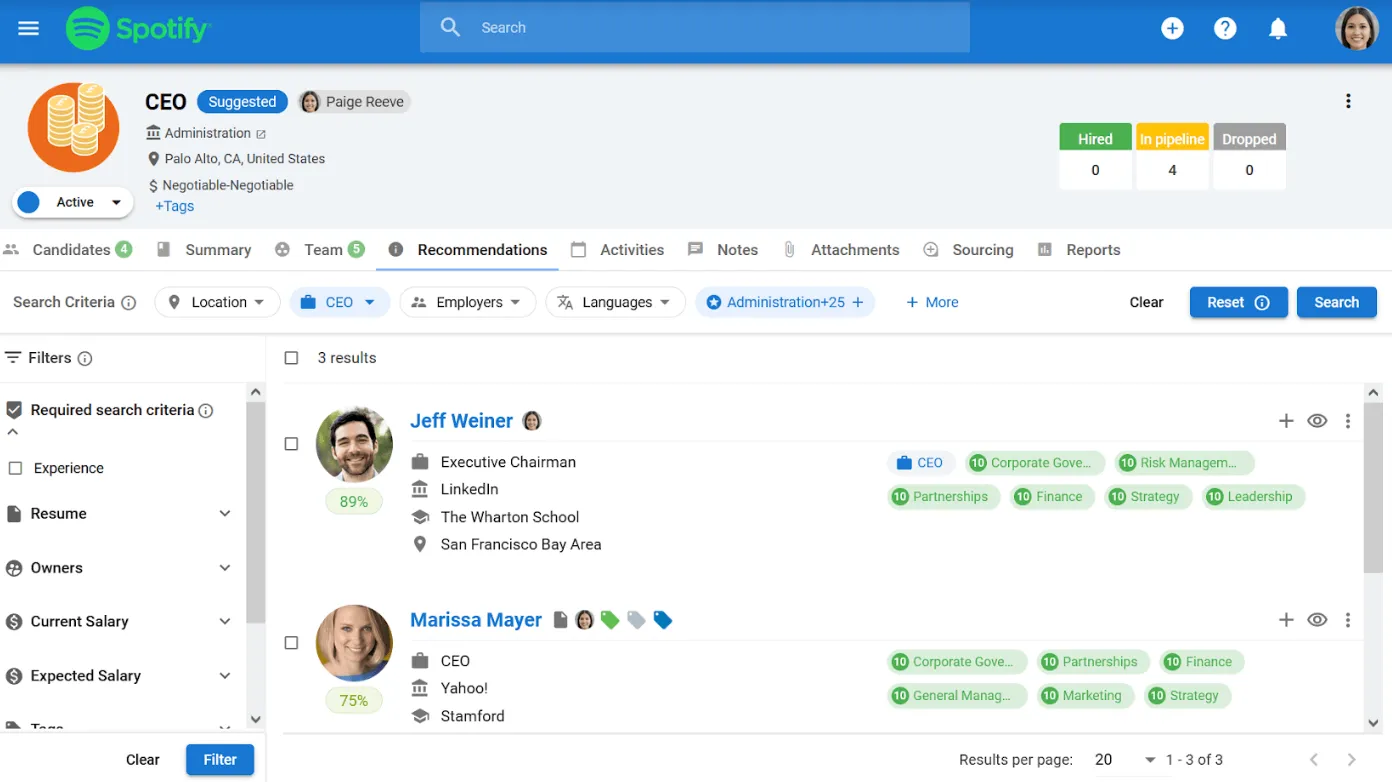
Manatal’s AI-Recommendations feature can compare and rank candidates. It assigns scores when recommending candidates for specific jobs and evaluates candidates based on parameters extracted from job descriptions. These parameters include transferable skills, spoken languages, degree, location, and current and past experiences. These systems help recruitment professionals make more informed decisions by quantifying the potential value of career changers and identifying hidden talent pools.
{{cta}}
2. Using Interview Techniques
To ensure that you get the right result, avoid asking generic or closed-ended questions, as they can limit your ability to assess the candidates’ transferable skills. Some of the interview techniques that can help you uncover transferable skills are
- Behavioral Interviewing: Behavioral interview questions ask candidates to describe how they have handled a specific situation or task in their past experiences that demonstrates transferable skills rather than focusing solely on industry-specific achievements, such as, “How would you approach a new challenge or task?”
- Scenario-Based Questions: Present hypothetical situations that require candidates to demonstrate how they would apply their transferable skills in new contexts. Like, “What would you do if a crucial statistic dropped week after week?”
How to Attract Candidates with Transferable Skills
1. Writing a Job Description That Emphasizes Transferable Skills
To attract a diverse range of candidates, job descriptions should emphasize transferable skills rather than industry-specific experience. Highlighting how these skills relate to job responsibilities and organizational goals is important. Manatal can assist by providing job description templates for various industries, streamlining the creation and distribution of job postings.
2. Offering Training and Development Programs for Skill Enhancement
- Highlight the opportunities and benefits of learning and developing new skills in your organization, such as career advancement, personal growth, and recognition. For example, you can create a career page that showcases your learning culture and the success stories of your employees who have improved their skills through training and development programs.
- Offer a range of training and development programs like online courses, workshops, mentoring, and coaching that suit the diverse needs and interests of employees. Encourage and support their personal learning goals by taking external courses, attending conferences, and reading books. For example, customer service operators can enhance skills in communication, time management, and leadership. Consider providing incentives for completing courses or certifications. To make training more engaging and visually impactful, using best AI presentation generators can help employees create professional-quality presentations that reinforce their learning and showcase their knowledge. You can also invest in elearning translation to make training materials accessible to a broader, multilingual workforce
How Recruiters Can Support Transferable Skill Development
You can help your employees develop these skills by fostering an environment that encourages the building of transferable skills. You can do this by:
1. Providing Opportunities for Cross-Functional Collaboration
- Creating a culture of teamwork and cooperation among employees from different departments, functions, and backgrounds. You can organize team-building activities or events that foster collaboration and communication among employees. Examples include Field Day or Human Knot.
- Encourage and facilitate the exchange of ideas, feedback, and best practices among employees through various channels, such as meetings, forums, newsletters, and so on.
- Assign employees to work on diverse and challenging projects that require them to use and learn new skills.
2. Creating a Culture of Continuous Learning
- Foster a learning mindset among employees by promoting curiosity, creativity, innovation, and experimentation. For example, you can encourage employees to share their learning experiences or insights with others through blogs or podcasts.
- Recognize and reward employees for their achievements and contributions in learning and developing new skills.
- Provide regular feedback and guidance to employees on their performance and development plans.
Conclusion
Attracting and including candidates with transferable skills can enhance the growth and success of your company. These candidates bring a diverse range of experiences and knowledge that can contribute to innovative thinking and problem-solving. By highlighting the value of transferable skills in your job postings and interviews, you can attract a wider pool of candidates and increase your chances of finding the right fit for your organization.
Additionally, providing opportunities for professional development and growth can further attract candidates with transferable skills, as they are often seeking new challenges and opportunities to expand their skill set. Overall, recognizing and valuing transferable skills in the hiring process can lead to a more well-rounded and successful team.
Frequently Asked Questions
Q: What are examples of transferable skills?
A: Transferable skills are versatile abilities that can be used across various jobs and industries. These include communication, leadership, teamwork, problem-solving, project management, time management, adaptability, technical skills, customer service, negotiation, and the ability to work under pressure.
Q: How do I identify my transferable skills?
A: Identify recurring themes in your work, education, and projects to pinpoint skills you frequently use for success. Reflect on feedback, consider skills assessments, and evaluate challenges you've overcome to recognize consistent abilities that benefit you across various roles or environments.
Q: Are soft skills and transferable skills the same?
A: While there's significant overlap, they're not identical. Soft skills are interpersonal and behavioral abilities like communication, empathy, and teamwork that relate to how you work with others. Transferable skills encompass soft skills but also include technical abilities, analytical skills, and hard skills that can move between industries. Soft skills are therefore a subset of transferable skills.
Q: How do I showcase transferable skills in a resume?
A: To create an effective resume, emphasize achievements and results with specific examples and action verbs. Highlight transferable skills in both a skills section and your work experience, tailoring your resume to each job by using relevant keywords from the job posting. Include a summary statement to showcase your most valuable transferable skills.
Q: Do employers value transferable skills?
A: Yes, employers highly value transferable skills because they show adaptability, learning potential, and growth within an organization. These skills are often prioritized over specific technical experience, especially for roles that require collaboration, leadership, or problem-solving, and are crucial when changing careers or industries.
Citations
2 LinkedIn
.webp)







.webp)

.webp)


.webp)


