





A background check for employers is a vital safeguard in competitive hiring, one that can avert costly mistakes and reinforce workplace trust. Picture a hiring manager who skips verification only to meet a candidate who falsifies their credentials. Weeks later, the fallout is more than just embarrassment. It is a financial and reputational loss. That is where a thorough background check for employers is a vital safeguard to prevent such missteps before they happen. According to SHRM, 94% of employers conduct pre-employment checks, believing that it is an important part of the hiring process.[1] This guide will cover what employers look for in a background check, from criminal and identity verification to employment and education history, and outline the best background checks for employers by evaluating factors like turnaround time, accuracy, and compliance.
Background Check for Employers: 5 Critical Objectives
At its core, an employment background check is a process of verification and risk assessment. Employers are looking for specific information to confirm a candidate’s qualifications and identify potential red flags that could compromise workplace safety, security, or integrity. The primary goals are to:
- Verify Identity and Credentials: Confirming that candidates are who they say they are and possess the education and certifications they claim.
- Assess Honesty and Integrity: Uncovering discrepancies between a candidate's resume and their actual history can be an indicator of their character.
- Ensure Workplace Safety: Identifying past behaviors, such as violent criminal convictions, that could pose a threat to other employees, customers, or the public.
- Evaluate Job-Related Competency: Verifying past employment helps confirm that a candidate has the experience necessary to succeed in the role.
- Mitigate Financial and Legal Risk: For roles with financial responsibilities, a credit check can reveal potential risks. Employers can also utilize ongoing credit monitoring to ensure that personnel managing company assets maintain sound financial standing over time. Similarly, identifying a history of relevant criminal activity can help prevent negligent hiring lawsuits.
The specific information sought depends heavily on the nature of the job, industry regulations, and company policy, but the overarching theme is a commitment to making an informed, defensible hiring decision.
Types of Background Checks for Employers
A comprehensive background check for employers often involves a combination of screenings tailored to the role. Here are the most common types:
1. Criminal History Checks: These checks search county, state, and federal databases for records of felonies or misdemeanors. Employers focus on convictions relevant to the job. For example, fraud for financial roles or violent offenses for public-facing positions.
2. Employment Verification: This confirms past job titles, dates of employment, and sometimes responsibilities. Discrepancies in work history can indicate honesty issues or potential risks.
3. Education and Credential Verification: Validates degrees, diplomas, and licenses to ensure candidates meet job requirements. This is especially critical for regulated professions like healthcare, engineering, and law.
4. Credit and Financial Checks: Used for roles involving cash handling, sensitive financial data, or fiduciary duties. Employers look for signs of financial instability that could indicate potential fraud or theft risks. Conducted only when job-relevant and within legal limits.
5. Reference Checks: Provides qualitative insights into a candidate’s work ethic, collaboration skills, reliability, and cultural fit by speaking with former supervisors or colleagues.
6. Drug Screening: Common in safety-sensitive industries like transportation, manufacturing, and healthcare. Ensures workplace safety by identifying potential substance-related risks.
Step-by-Step Guide to Conducting Background Checks
A structured and consistent process is key to a legally compliant and effective background screening program.
Step 1: Obtain Candidate Consent
Under the Fair Credit Reporting Act (FCRA), employers must notify the candidate in writing—in a standalone document—that a background check may be conducted. You must then obtain the candidate’s written authorization before proceeding. This step is non-negotiable and foundational to a compliant process.
Step 2: Choose the Right Checks
Determine which types of checks are necessary and relevant for the specific role. A senior accounting position will require a different set of screenings (e.g., criminal history, credit check, education verification) than an entry-level customer service role (e.g., criminal history, employment verification). Having a clear, job-related policy ensures fairness and consistency.
Step 3: Select a Provider
Rather than handling background checks on your own, which can be legally risky and inefficient, it is wise to rely on a professional, compliant screening service.
Here’s what to look for in a provider:
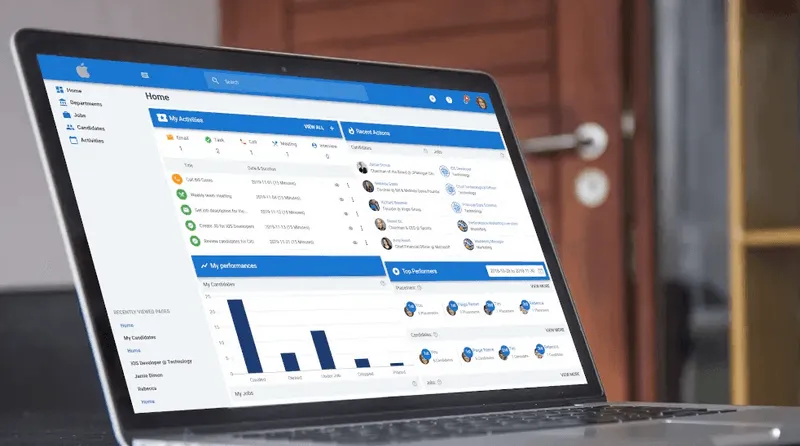
- ATS/HRMS Integration: Ensure the service connects smoothly with your Applicant Tracking System or HR platform. With integration, you can initiate checks, receive results, and manage compliance all from one place, reducing manual effort, errors, and delays. In many cases, this integration brings real-time status updates directly into your hiring dashboard.
- Legal Compliance and Built-In Workflows: The provider should offer FCRA-compliant processes like consent collection, adverse-action notices, and transparent record handling. Look for accreditation (e.g., PBSA/NAPBS) as proof that they meet industry standards.
- Customizable Screening Options: You want flexibility—whether you're checking criminal records, employment and education verifications, driving histories, professional licenses, or even drug screening. The best services allow you to choose what fits your needs.
- Speed and Accuracy: Efficient results are essential. Look for providers that promise fast, reliable reporting to keep your hiring process moving.
- Positive Candidate Experience: A user-friendly, mobile-accessible interface with clear updates improves both compliance and branding and keeps applicants informed and engaged.
{{cta}}
Step 4: Review Results
Once the background check is complete, review the report carefully. Look for information that is directly relevant to the job's requirements and assess any potential issues in the context of your established hiring criteria. It’s crucial to apply your criteria consistently to all candidates to avoid discrimination.
Step 5: Make Informed Decisions
If the report contains information that may lead you to deny employment, you must follow the FCRA's adverse action process. This involves providing the candidate with a copy of the report and a summary of their rights before making a final decision (pre-adverse action notice). After allowing them a reasonable time to dispute the information, you can then make your final decision and provide a final adverse action notice.
Best Background Check Services and Companies for Employers
Choosing the right background screening provider involves balancing compliance, speed, technology, and candidate experience. Below are three top-rated providers, with an overview of their strengths across the five key factors: FCRA compliance, service breadth, accuracy, technology, and candidate experience.
GoodHire
GoodHire is a widely trusted, FCRA-compliant vendor with strengths in accuracy, integration, and user experience.
- Compliance: Provides FCRA-compliant pre-employment and employment background checks.[2]
- Ratings: Excellent reputation with report quality rated 4.4/5 and reputation 4.5/5; pricing scored lower at 2.5/5.[3]
- Services: Offers a wide suite of screening products, including international criminal checks and compliance resources.[3]
- User Experience & Efficiency: Recognized for a user-friendly, fast, and efficient platform.[4]
- Technology & Integration: Delivers one of the easiest end-to-end workflows in the industry, customizable and efficient.[5]
HireRight
HireRight is a global screening powerhouse, notable for its breadth of services and enterprise-grade integrations.
- Compliance: FCRA-compliant employment screening, covering criminal checks, employment and education verifications, identity verification, I-9/E-Verify, drug testing, and health screening.[6]
- Global Reach: Offers services in over 200+ countries and territories.[6]
- Technology & Integration: Provides robust ATS, HRIS, and API integration, enabling seamless workflows.[6]
- User Feedback: Strengths include global service and integrations; challenges cited include inconsistent customer support, delayed results, and transparent pricing.[6]
- Enterprise Positioning: Described as a leading global provider of technology-driven workforce risk and compliance solutions.[7]
VICTIG
VICTIG excels in speed, high customer satisfaction, and integration, making it a standout choice for efficient and compliant screening.
- Compliance: FCRA-certified and accredited by the Professional Background Screening Association (PBSA).[8]
- Speed & Retention: Boasts a lightning-fast average turnaround of 1.8 days and a 99.6% customer retention rate.[8]
- Ratings & Praise: Holds a stellar 4.8 rating from 300+ reviews on G2.[8]
- Technology & Integrations: Integrates with multiple ATS platforms and supports user-friendly tools like QuickApp.[9]
- User Experience: Rated highest on G2 for ease of use, customer service, and fast turnaround. Users report “easiest UI,” “best customer service ever,” and seamless implementation.[9]
- Minor Drawbacks: Some users mention pricing transparency and occasional jurisdiction-related delays as minor issues.[9]
Social Media Background Checks
A candidate’s online presence can reveal insights into their professionalism, judgment, and potential cultural fit. Social media background checks are now a common part of the hiring process.
Free vs. Paid Tools
- DIY checks (scrolling through profiles manually) are risky and may expose companies to discrimination claims based on protected characteristics like age, religion, or family status.
- Professional services use advanced tools and trained analysts to review content objectively, filtering out irrelevant or legally sensitive information.
Read our social media background check guide for more details.
Best Practices for Effective Background Checks
To maximize the value of your screening program, adopt these best practices:
- Develop a Written Policy: Create a clear, comprehensive background check policy that outlines when checks are conducted, what they include for different roles, and how results are evaluated.
- Train Your Team: Ensure that all hiring managers and HR staff are trained on your policy and the legal requirements of the screening process, particularly the adverse action steps.
- Integrate with Your ATS: Use a background check service for employers that integrates seamlessly with your hiring software. This automates requests, centralizes reporting, and improves overall efficiency.
- Consider Continuous Monitoring: For certain roles, ongoing monitoring can provide real-time alerts about new criminal records post-hire, offering an additional layer of risk management.
Legal Considerations and Compliance in Background Checks
Compliance is the most critical aspect of any background check program. The legal landscape is complex and constantly evolving. Key regulations include:
- The Fair Credit Reporting Act (FCRA): A federal law that governs how consumer reports (including background checks) are obtained and used for employment purposes. It mandates consent, disclosure, and the adverse action process.
- "Ban the Box" Laws: Many states and cities have passed legislation that restricts when in the hiring process an employer can ask about criminal history.
- Equal Employment Opportunity Commission (EEOC) Guidance: The EEOC enforces federal anti-discrimination laws. Its guidance recommends that employers consider the nature of the crime, its relevance to the job, and the time that has passed before disqualifying a candidate based on a criminal record.
Navigating these laws requires diligence and expertise. Partnering with one of the best background check companies for employers is the most effective way to ensure your program remains compliant.
Conclusion
Incorporating comprehensive background checks for employers into your hiring process is essential for making informed, compliant, and risk-free decisions. By understanding what to look for, choosing the right types of screenings, leveraging professional services, and prioritizing both compliance and candidate experience, employers can protect their organization, build a trustworthy workforce, and strengthen their brand reputation. Selecting a reliable provider and following best practices ensures your background screening program not only minimizes hiring risks but also supports long-term business success.
Frequently Asked Questions
Q: What key areas should recruitment professionals focus on in a background check?
A: Recruiters should verify criminal records, employment history, education credentials, professional references, and, optionally, credit reports and driving records, depending on the role requirements.
Q: How can recruitment professionals ensure compliance during background checks?
A: They must obtain written consent from candidates before conducting checks, follow company policies consistently, and comply with federal, state, and local laws, including adverse action procedures for negative results.
Q: What should recruiters do if discrepancies are found in a candidate's background check?
A: Recruiters should discuss the findings with the candidate, allow them to explain or dispute any negative information, and make hiring decisions based on company policy and legal guidelines.
Q: Which types of jobs require specific background checks, such as credit or motor vehicle records?
A: Jobs with financial responsibilities usually require credit checks, while positions involving driving duties necessitate motor vehicle record verification to ensure safety and reliability.
Q: How long does the background check process typically take during recruitment?
A: Most background checks are completed within a few days, but some verification searches, like county criminal records, may take longer depending on the scope of the search.
Citations:
.webp)







.webp)

.webp)


.webp)


