





You post a job. You pay for the LinkedIn slot. You sift through 200 resumes. You hire one person. Then, you let the other 199 profiles sit in a digital graveyard until the next headcount opens. This is reactive recruiting; it is expensive and slow. Top-tier talent acquisition functions operate differently. They treat recruitment as a supply chain problem. They build a candidate pool to ensure they never start a search at zero. This article defines what a candidate pool actually is, explains how to fix a pool that's too small or too stale, and shows you how to stop paying LinkedIn Recruiter fees for candidates you already sourced six months ago.
What is a Candidate Pool?
A candidate pool is a centralized database of individuals who have previously engaged with your brand or possess the specific skills your company requires. It is not a live job funnel. It is a reservoir of potential.
Candidate Pool vs. Talent Pipeline
People confuse these terms. A talent pipeline refers to active candidates moving through a live hiring workflow (application → phone screen → interview → offer). A candidate pool is static. It's your reserve list. Pipelines pull from pools. The pool is where people wait. The pipeline is where they move.
The Strategic Value of a Warm Pool
Relying on job boards for every hire is a massive tax on your margins. A well-managed pool changes the unit economics of hiring.
- Reduced Time-to-Fill: You skip the two-week "waiting for applicants" phase. You call the person who came in second for a similar role last quarter.
- Lower Cost-per-Hire: You stop paying for the same candidate twice. Many companies pay for a LinkedIn seat to find candidates who are already in their ATS.
- Superior Quality: You evaluate candidates over time rather than making a panicked decision because a seat has been empty for 45 days.
How to Build and Diversify Your Candidate Pool
Most recruiting advice focuses on finding new people. That's the expensive way. The smart way is to capture everyone who's already shown interest and ensure your pool reflects the diversity you claim to care about.
Start With Silver Medalists
The lowest-hanging fruit in recruiting is the person who almost got the job. If someone made it to a final round interview and lost to another candidate, they were qualified. You spent hours interviewing them. You checked their references. Then you let them disappear.
Tag every silver medalist in your ATS. When a similar role opens three months later, call them first. Conversion rates on silver medalists are 3-5x higher than cold outreach because trust already exists. Manatal uses AI recommendations for candidate rediscovery to scan past candidates and match them to new job openings based on skills, experience, and previous interests. You're not paying LinkedIn Recruiter fees for someone who's already in your database.
{{cta}}
Social Sourcing and Referrals
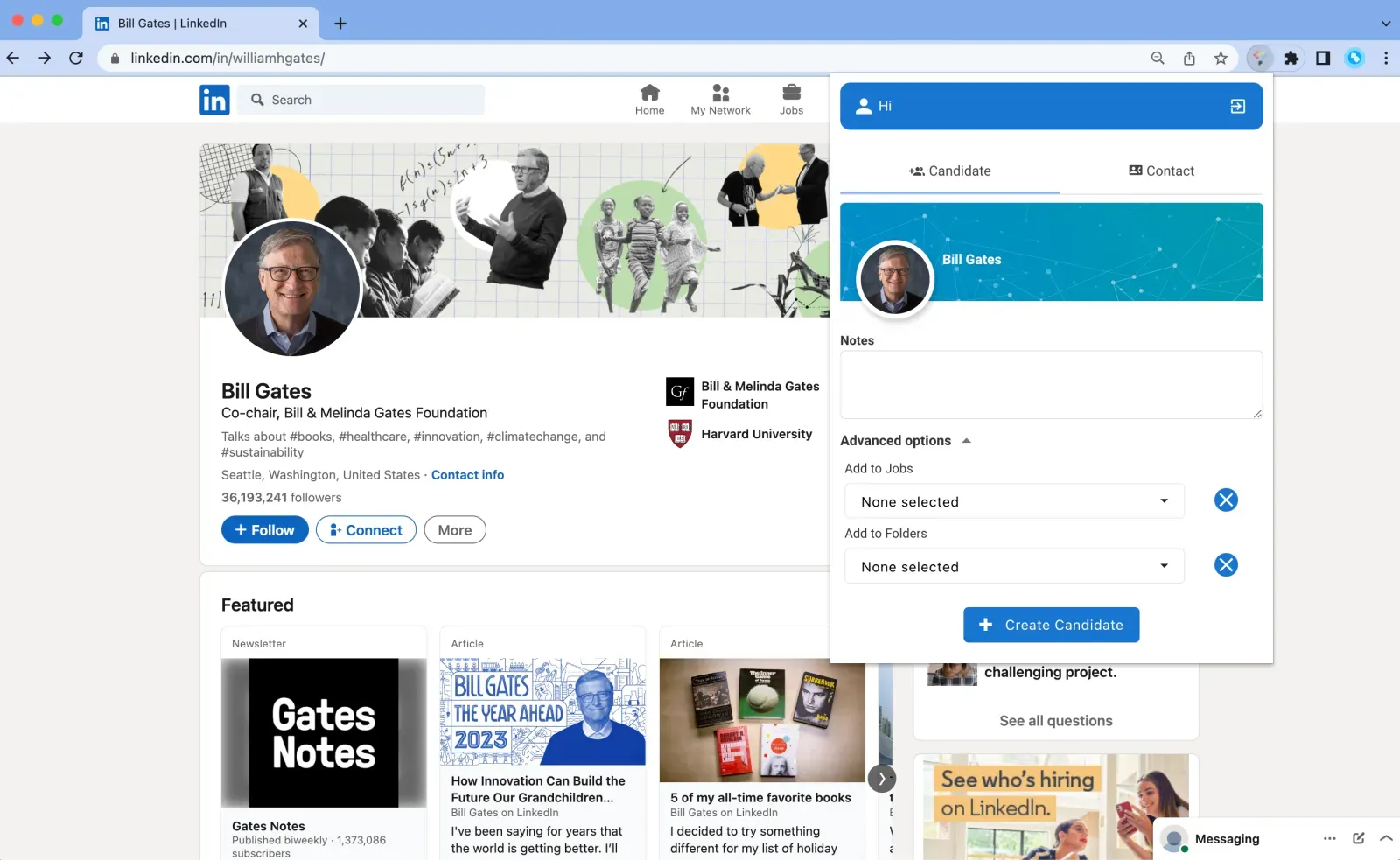
Use LinkedIn Recruiter or a Chrome extension to save profiles even when you're not actively hiring. Build lists by skill, location, and seniority. When someone refers a friend, but there is no open job, add them to the pool anyway. Referrals are pre-vetted by people who already work for you.
What to Do With a Small Candidate Pool
A small candidate pool usually signals a brand problem or a requirement problem. If your database is empty, your criteria are likely a fantasy.
Broaden Your Criteria
Go back to the job description. Does this role actually require a four-year degree, or does it require the skill the degree is supposed to signal? Does it require five years of experience, or does it require proficiency?
Niche roles in tight labor markets require creative sourcing. If you're hiring for a Rust developer in a city with 12 total Rust developers, you need to do either of the following:
- Train someone in Python to learn Rust
- Offer remote work and expand your geography
- Pay above-market rates
Inbound Marketing
Candidates are consumers. They research you on Glassdoor and LinkedIn before they apply. If your employer brand is invisible, your pool will stay dry. Publish technical content. Share your engineering blog. Post salary ranges. Show what your office looks like, such as "day in the life" videos, to attract passive talent who aren't checking job boards.
Candidate Rediscovery
Re-engaging a "cold" candidate from a year ago is faster than finding a new one. by this step-by-step process
- Step 1: Define Your Modern Criteria. Identify the specific keywords, technical skills, or job titles you need right now. Don't just search for the title they had. Then, search for the skills they likely have now
- Step 2: Filter the "Gold Mine." Set your ATS filters to candidates who applied 6 to 18 months ago. This is the "sweet spot" where candidates have gained significant new experience but are no longer in the honeymoon phase with their current role.
- Step 3: Prioritize "Silver Medalists." Look for candidates who reached the final interview stage previously but weren't hired due to headcount or cultural fit, rather than a lack of skill.
- Step 4: Analyze Career Progression. Check their LinkedIn profile against their old resume. Identify the New Skills. they’ve acquired, and any promotions they’ve received since you last spoke.
- Step 5: Contextualize Market Timing. Research their current company. Is the company undergoing layoffs? Is their stock price dropping? Use this "environmental data" to gauge their likely openness to a conversation.
- Step 6: Personalize the "Cold" Outreach. Avoid generic templates. Acknowledge the history: "We spoke about a year ago for the [X] role. I’ve noticed your great work at [Current Company] with [New Skill], and I’d love to sync up again.”
- Step 7: The "What’s Changed" Discovery Call. Once they respond, focus the conversation on their growth. Ask about the failures they’ve learned from and the new responsibilities they’ve handled since the last application.
- Step 8: Fast-Track the Process: Since they are already in your system and have passed initial vetting, move them directly to hiring manager reviews or technical assessments to save time.
Candidate Pool Management: Best Practices
Managing a pool of 50 people is easy. You can track them in a spreadsheet. Managing a pool of 5,000 is impossible manually. Segmentation is mandatory. You cannot treat all candidates the same. A senior engineering candidate expects different communication than an entry-level sales hire. Segment your pool by:
- Role and skillset: Python developers, account executives, product managers
- Status: Ready to hire, nurturing, unresponsive
- Location: Remote, on-site, specific cities
- Relationship stage: Silver medalist, past employee, sourced cold, referral
The Excel Trap & Why Manual Candidate Pool Management Fails
Here's where most recruiting teams hit a wall. You build a pool of 500 candidates in a spreadsheet, but without a centralized system, those names quickly go "cold." This is called data decay. To avoid losing top talent in a sea of cells, you need a robust strategy for tracking recruitment.
Using ATS Moving Beyond the Spreadsheet
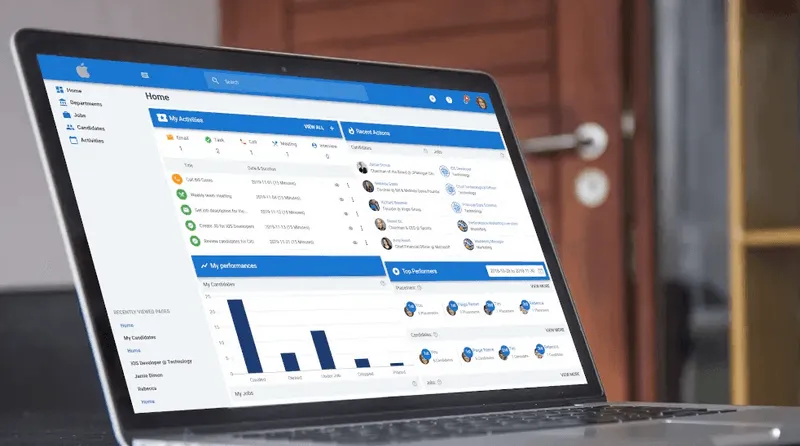
Modern recruitment requires an AI-driven approach to candidate pool management. Manatal addresses data decay by using AI. Instead of manual tagging, the system scans your entire history. It automatically identifies past applicants who match new job descriptions. It ranks them based on fit. This turns your "dead" database into a living source of hires. You stop wasting budget on external ads for talent you already "own.”
Quick Tip: Basic Segmentation Tags
- Skill Level: Junior, Mid, Senior, Lead.
- Relationship: Silver Medalist, Past Employee, Sourced, Referral.
- Availability: Immediate, Passive, Unresponsive.
Conclusion
The labor market in 2026 does not reward slow movers. If you are starting every search from a blank LinkedIn search bar, you are losing. Your competitors are already talking to the people you rejected last year. Stop looking for "new" people. Start leveraging the ones you already found. Manual searching wastes time, and you end up paying to source candidates you already have. Modern ATS platforms automate matching past candidates to new roles.
Frequently Asked Questions
Q: Who should be in my candidate pool?
A: Silver medalists from past hires, sourced LinkedIn profiles, previous applicants (even rejected ones), employee referrals submitted when no role was open, and anyone who showed interest in your company but wasn't hired.
Q: How do silver medalists improve the quality of my candidate pool?
A: Silver medalists are the #2 and #3 finalists from previous hiring processes. You already interviewed them, checked references, and confirmed they're qualified. Conversion rates on silver medalists are 3-5x higher than cold outreach because trust already exists.
Q: What's the best way to segment my candidate pool?
A: Segment by role/skillset (Python developers, sales reps), relationship stage (silver medalist, past employee, cold-sourced), availability (immediate, passive, unresponsive), and location (remote, on-site, specific cities). This lets you send targeted outreach instead of generic blasts.
Q: How often should I contact people in my pool?
A: Send quarterly updates, company news, product launches, or team growth stories. Not job postings. The goal is to stay top of mind so that when you reach out about a role, they remember you.
Q: How does a candidate pool reduce cost-per-hire?
A: Every candidate in your pool represents sourcing hours or ad spend you already paid for. When you hire them later for a different role, you're getting a second hire without paying LinkedIn Recruiter fees or premium job board costs again. You're reusing work you already did.
.webp)







.webp)

.webp)


.webp)


