





A company's careers page often serves as the "final destination" for its most qualified talent. Unfortunately, many company career sites function as static graveyards, uninspiring lists of open roles that fail to convey the company's culture. This lack of engagement leads to high bounce rates and forces talent acquisition teams to rely on expensive third-party job boards. To attract top-tier professionals, you must pivot from a simple directory to a dynamic recruitment engine. This guide focuses on the recruitment psychology and technical structure required to transform your careers page into a high-converting talent hub. If your goal is to attract, convert, and retain top talent through your own career site, read on.
What Is a Company Careers Page?
A company's careers page is a dedicated section of its website where open positions are listed and potential candidates can learn about the organization's culture, values, and hiring process. It serves as both a talent attraction tool and a conversion mechanism, guiding visitors from initial interest through to submitting an application.
5 Essential Elements of Career Page Content
To move a candidate from "just browsing" to "applying," your career page content must answer the questions they are actually asking. High-quality content should include:
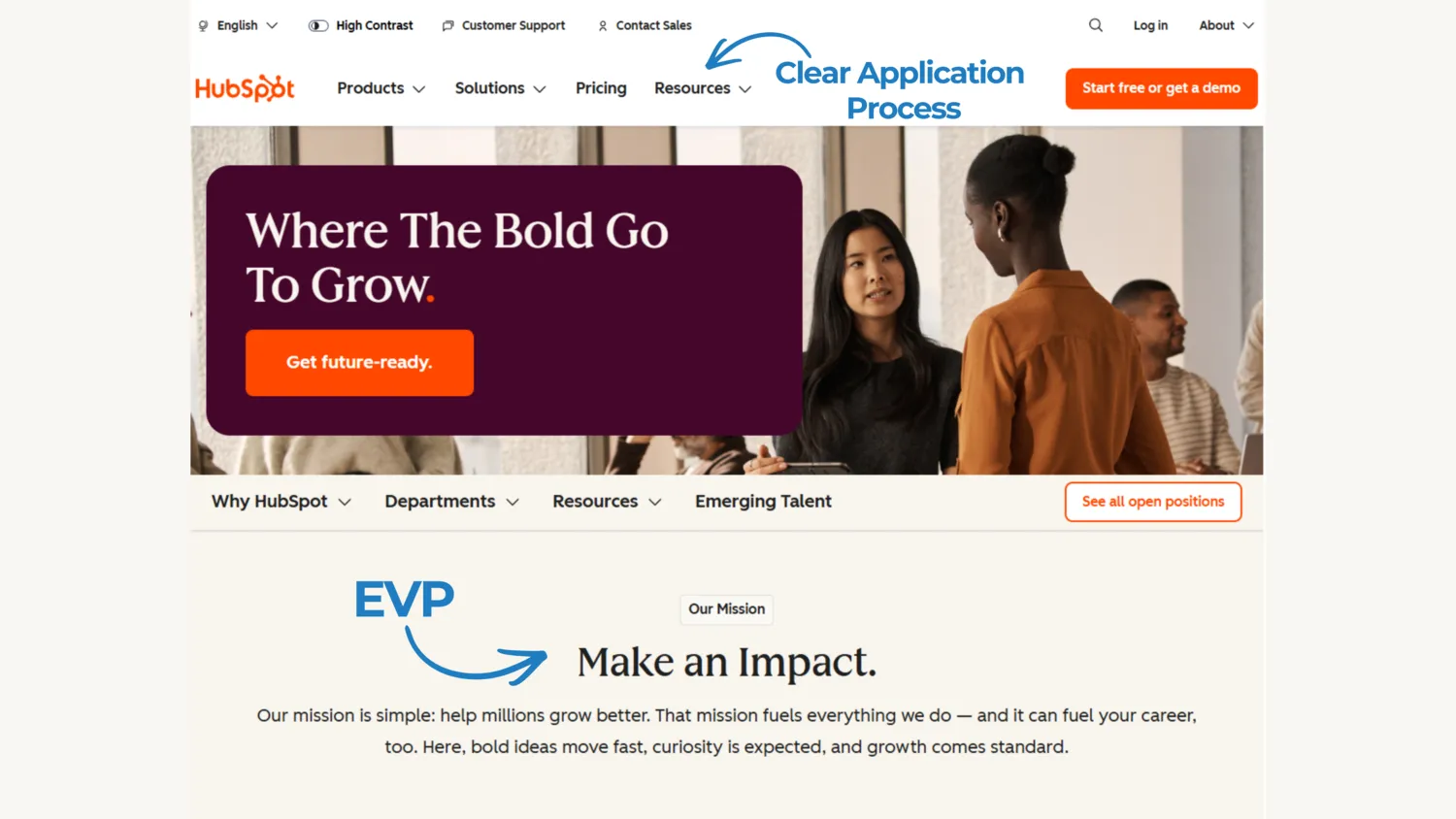
- The Employee Value Proposition (EVP): Clearly define why someone should work for you. Move beyond basic perks; focus on the work's purpose and impact. read more here
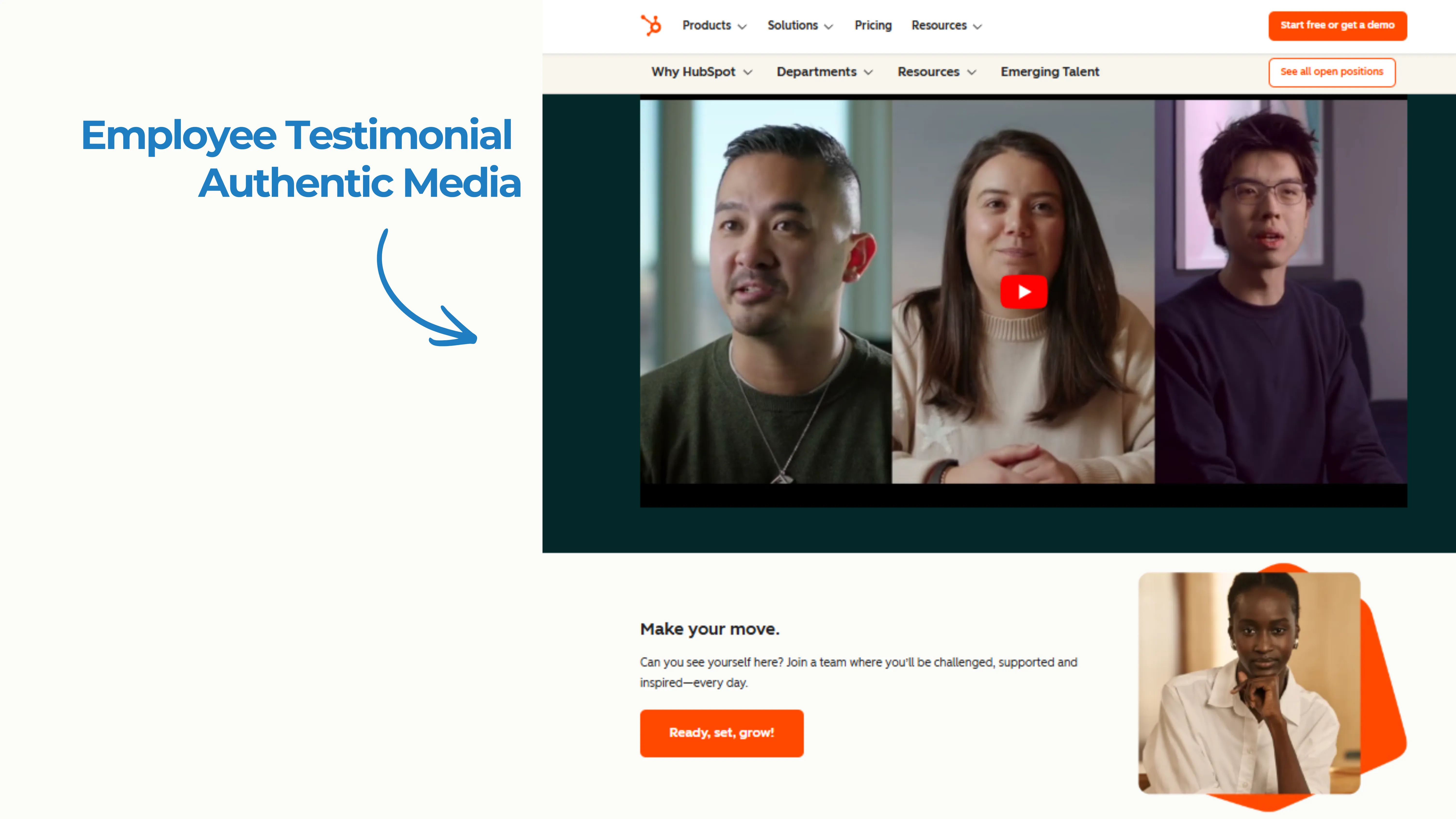
- Authentic Media: Use real photos and videos of your office and team. Candidates are deterred by stock photos of people shaking hands; they want to see the actual environment they will inhabit. A 60-second video of your engineering lead explaining what they are building is worth more than a thousand words of copy.
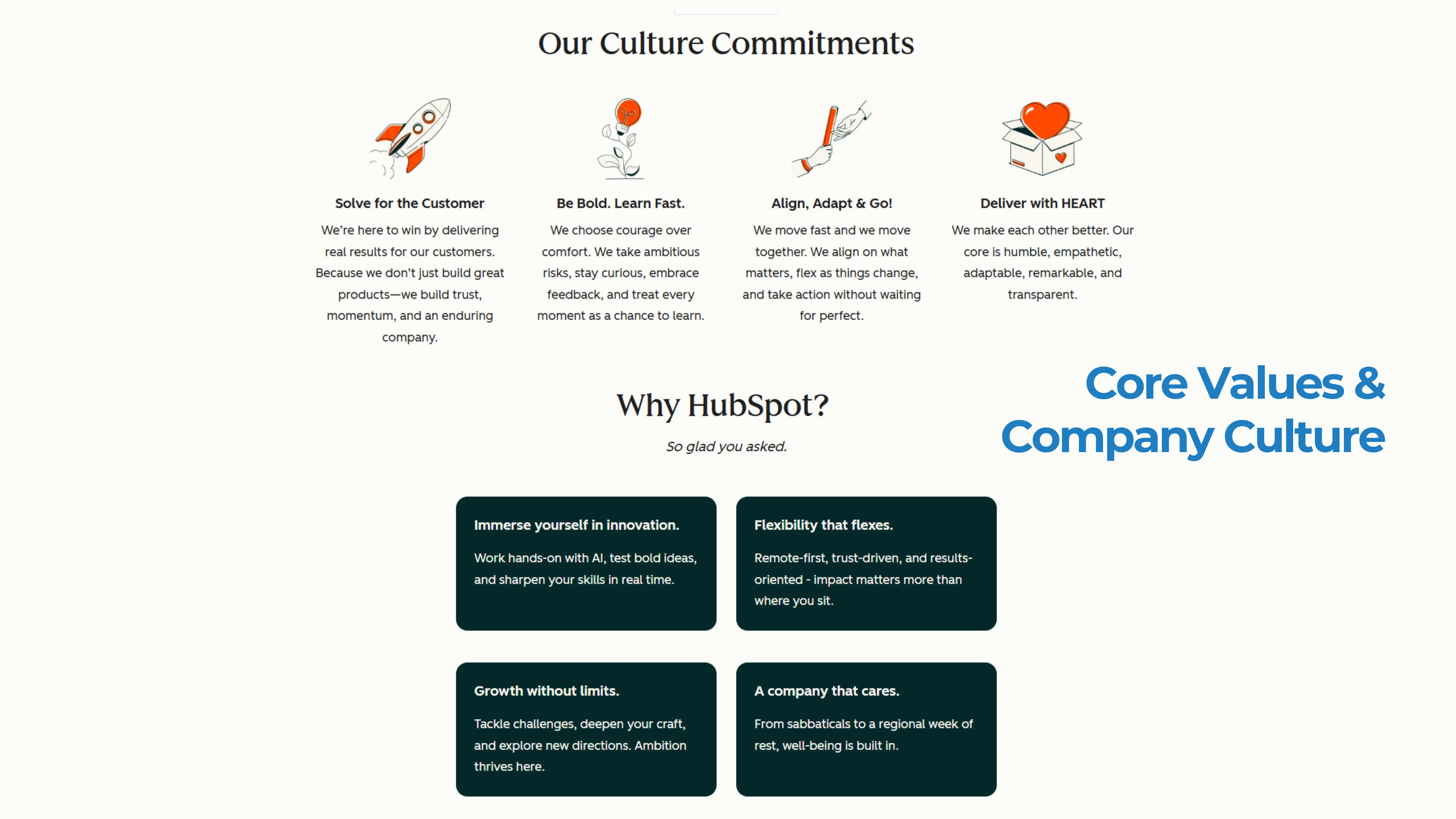
- Core Values & Company Culture: Define your organization's "DNA." Beyond just words on a wall, describe the behaviors and principles that guide how your team works together every day. Candidates want to know if their personal values align with the company’s mission.
- Employee Testimonials: Social proof is powerful. Let your current staff tell their stories through short quotes or video clips. The format does not need to be elaborate. A photograph, a name, a role title, and two or three sentences about what this person values about working at your company will do more than a polished brand film with actors.
- Clear Application Process: Manage expectations by providing a visual timeline of your candidate experience. Show them exactly what happens after they hit "Apply."
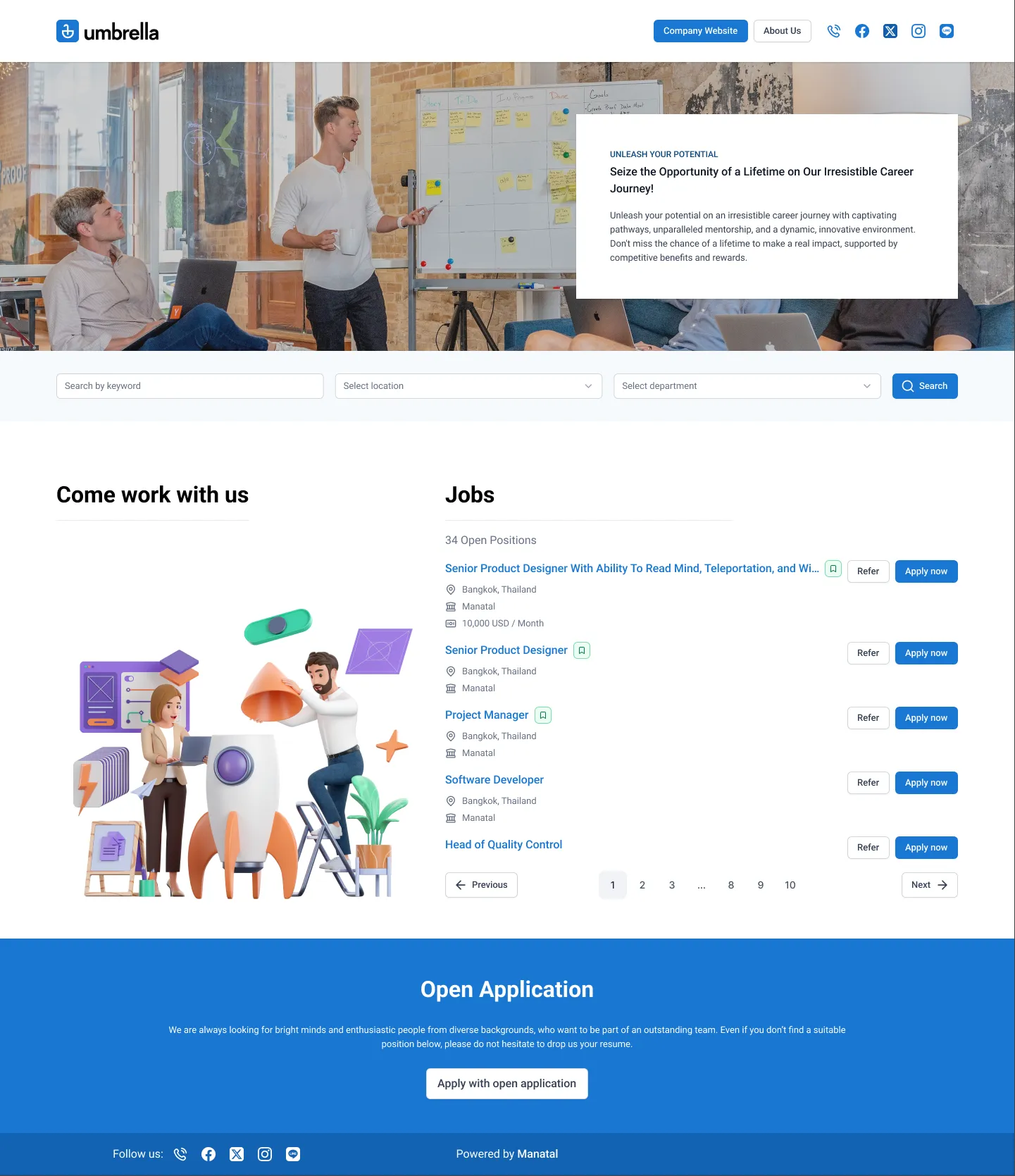
Manatal's Branded Career Page Builder addresses all of these needs in a single integrated platform. Your team can build, launch, and update a professional, fully advanced career page without developer support, while all applications feed directly into your recruitment pipeline.
{{cta}}
Top Company Career Page Examples
Looking at career page examples from leading organizations reveals something useful: visual design rarely makes them effective. The strategy underneath the design is what converts. Here are three distinct examples across different organization types, with an analysis of why they work.
Apple: The Tech Giant, Energetic Immersion
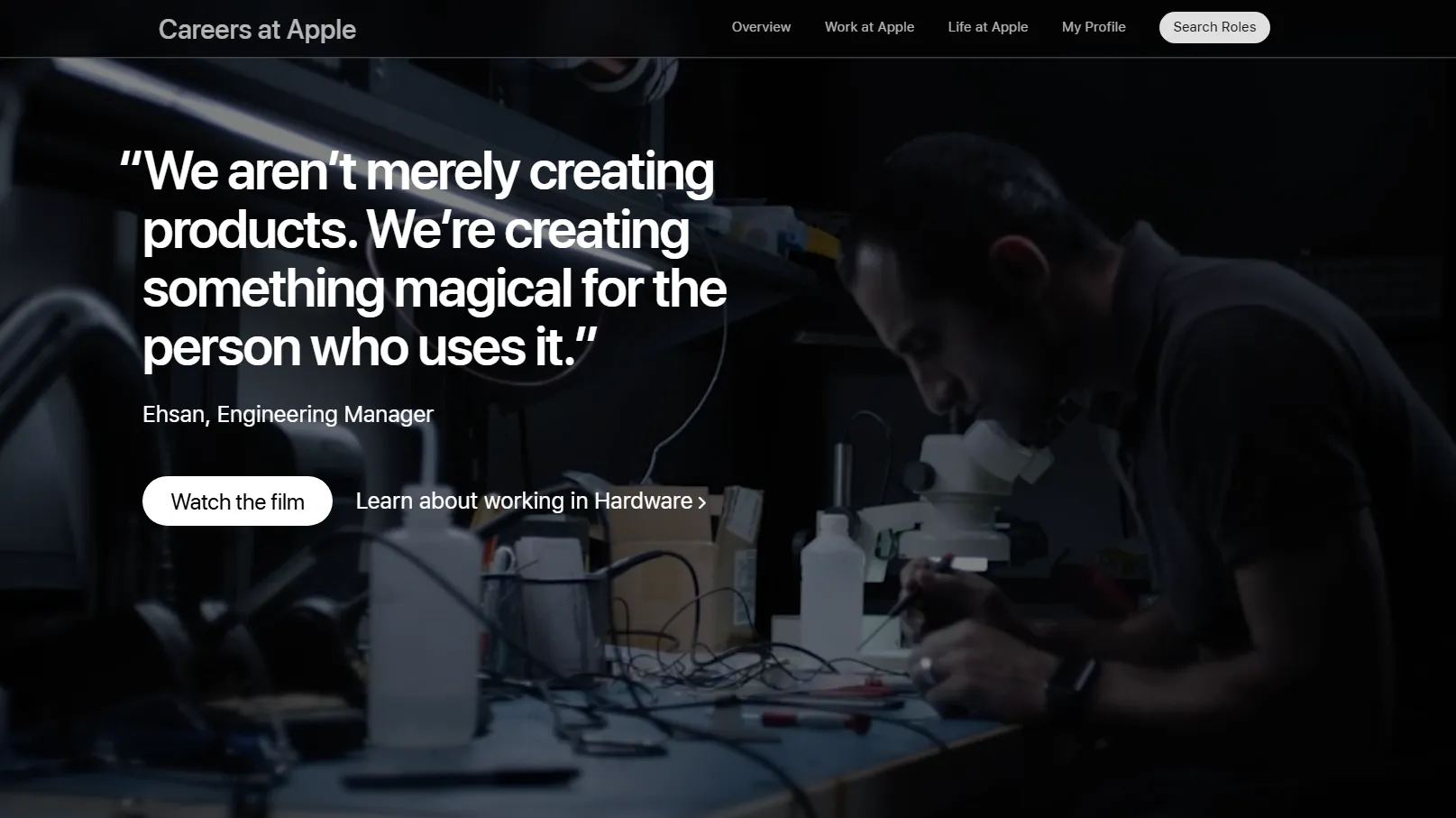
- Strategy in use: Apple offers another great example of a careers page. This American multinational technology company and large tech organizations frequently lead with high-production video backgrounds on their career site homepages. The intention is not just aesthetic; it is emotional. A fast-cut video of engineers collaborating, products launching, and teams celebrating generates an immediate sense of energy and momentum. Before a candidate reads a single word, they feel the company's pace.
- What to borrow: Consider whether a short, looping video background could replace your static hero image. Keep it under 15 seconds and ensure it loads without slowing the page, which is a critical technical constraint covered in the next section.
Stripe: The Fast-Growing Startup, Navigation-First Architecture

- Strategy in use: High-growth fintech companies like Strsearchesipe, with hundreds of open roles spanning 25+ global offices, succeed by making job discovery effortless through intelligent filtering. Rather than overwhelming candidates with an endless alphabetical scroll, they enable multi-dimensional searches by team (Sales, Engineering, Product), office location (San Francisco, Dublin, Singapore, Tokyo, etc.), remote options, and specialized tags. A software engineer seeking a remote backend role in payments can identify their ideal position in seconds, not minutes.
- What to borrow: Prioritize a robust search-and-filter infrastructure that scales with your hiring ambitions. When you're managing 50+ roles across multiple departments, geographies, and work arrangements, candidates need precision tools to cut through the noise.
Carbon Direct: The Purpose-Driven Nonprofit, Content Depth
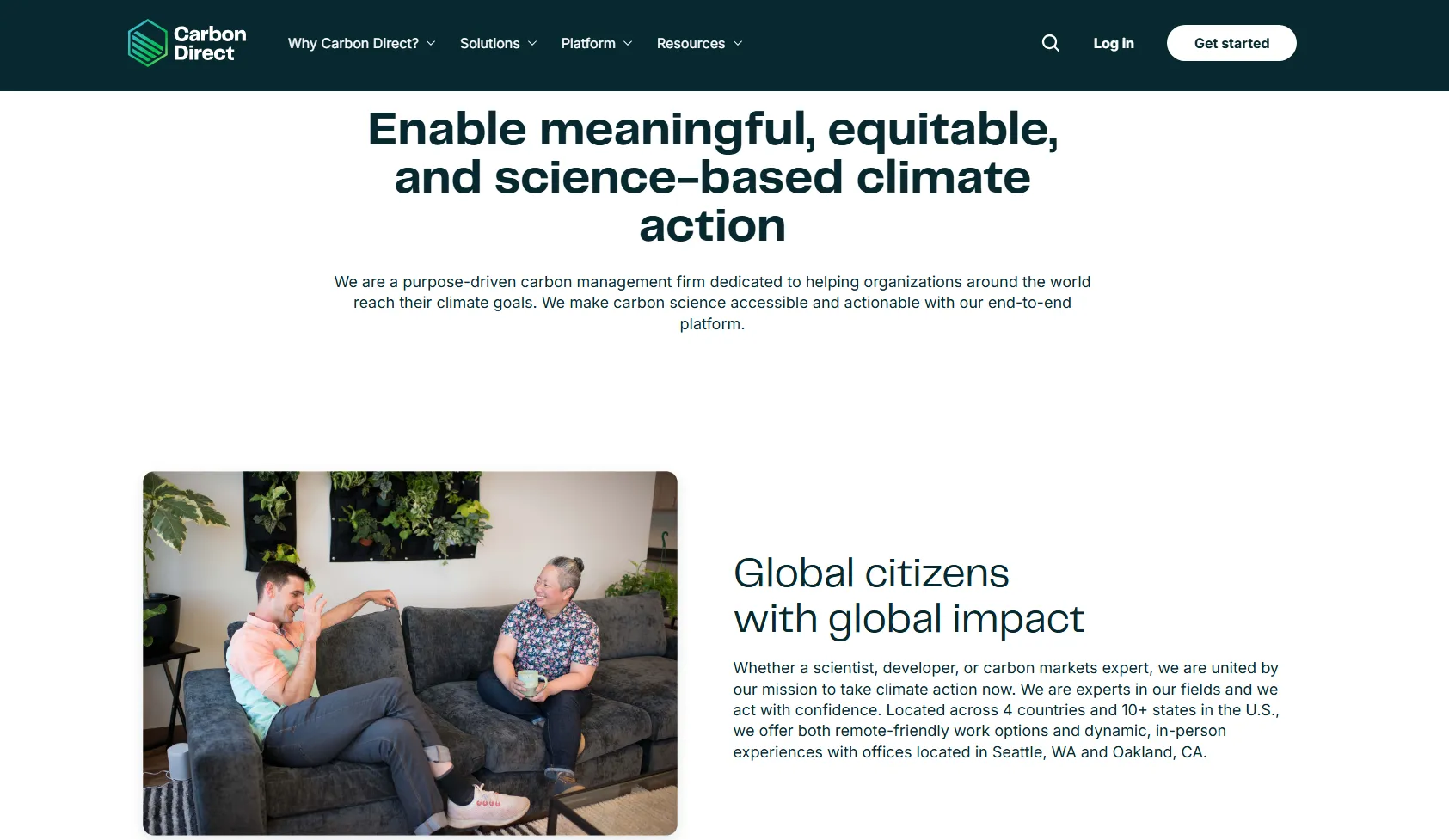
- Strategy in use: Purpose-driven Purpose-driven organizations attract candidates motivated by impact over compensation. Carbon Direct, a climate tech company with a team of over 150 scientists and engineers, demonstrates this approach clearly. Their career site opens not with perks or salary ranges but with their mission: bringing together diverse backgrounds and experiences to effectively address the climate crisis. The page includes a dedicated section highlighting how their team of Ph.D. scientists, carbon accountants, and technologists collaborate across continents to set standards for meaningful climate action.
- What to borrow: Describe the people doing the work and the problems they are solving, not just the job description. Mission-driven candidates want to see themselves in the stories of your current team members. If you have employees with compelling career paths or meaningful project work, feature them on your careers page with their own voice.
For additional career page examples, click here.
Technical and Structural Best Practices for Company Career Sites
A well-written, visually compelling career site will fail if the technical foundation is unstable. These are the non-negotiable technical requirements for any modern company career website.
Mobile Optimization and Load Speed
Over 60% of candidates now apply for jobs via mobile devices. [3] If your careers page is not fully responsive, you are losing more than half of your potential talent pool. Furthermore, heavy graphics can reduce conversion rates; each additional second of load time increases the likelihood of a bounce.
SEO Structure for Job Listings
For your company's careers page and individual job description pages to appear in Google Jobs and organic search results, several technical SEO conditions must be met.
- First, each job description page needs a unique URL
- Second, job postings should include structured data markup (JobPosting schema) so that search engines can parse and display role details directly in results.
- Third, incorporate relevant search terms naturally into the job description copy. Candidates search for roles using specific language, and your pages need to reflect that language to be found.
Remove the Technical Bottleneck with Manatal
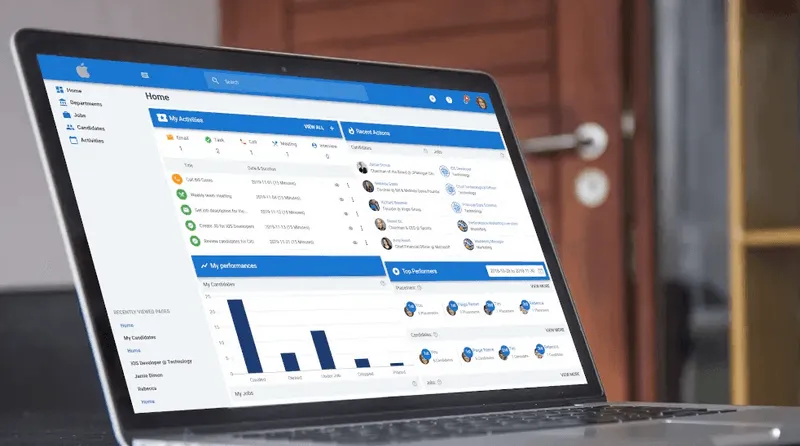
The primary bottleneck for HR teams is often technical. Building a custom site usually requires IT tickets or expensive agencies. Manatal solves this by offering a native Career Page Builder that integrates directly with your ATS.
- No Code Required: HR can launch a branded page using drag-and-drop tools.
- Seamless Integration: Applications flow directly into your Manatal recruitment pipeline, eliminating manual data entry.
- Total Customization: Easily align the page with your brand colors, logos, and imagery to maintain a consistent corporate identity.
Career Page Audit Checklist
Use this checklist to evaluate your company's current careers page or validate a new build before launch. Each item represents a conversion lever; missing any one of them is a measurable risk to your applicant volume and quality.
Content and Messaging
Navigation and Usability
Technical and SEO
Conclusion
A high-converting career site requires the right content strategy (EVP, authentic media, social proof, and transparency), the right technical structure (mobile optimization, load speed, and SEO), and the right infrastructure to keep it updated without creating a bottleneck in your HR team's workflow.
Frequently Asked Questions
Q: How is a career page different from a job board?
A: A job board is a third-party platform aggregating listings from multiple employers. A career page sits on your own company domain and gives you complete control over messaging, branding, and candidate experience.
Q: How many sections should a company's careers page have?
A: A standard page should include at least four sections: a hero header with a clear EVP, a searchable job gallery, a culture/benefits section, and a testimonial area.
Q: Do I need a developer to build a career page?
A: Not necessarily. Traditional website builders require developer involvement for ATS integration, SEO configuration, and ongoing maintenance. Purpose-built tools like Manatal's career page builder are designed specifically for your hiring team so they can build and manage the page without technical support.
Q: Does a careers page need to be on a separate domain?
A: No, it is typically best to host it as a subdomain (e.g., careers.yourcompany.com) to maintain SEO authority while keeping the recruitment content distinct from your consumer-facing site
Q: How often should I update my career page content?
A: You should review your content quarterly. Ensure photos are up to date, testimonials are from current employees, and the job list is synced in real time with your ATS.
Citations:
.webp)







.webp)

.webp)


.webp)


