





Understanding the difference between a cover letter vs a resume can significantly enhance recruitment efficiency. While both are important, 94% of hiring managers say cover letters influence interview decisions [1]. For recruiters, strategically using both documents can improve candidate selection and uncover hidden talent. This guide explains how each serves a unique role, aiding in more informed hiring decisions.
What Is a Resume?
A resume is a structured, fact-based document that outlines a candidate's professional qualifications, work history, and core competencies. For recruiters, it serves as the primary screening tool for rapidly determining whether a candidate meets essential job requirements.
Key Components of an Effective Resume
- Contact Details: Complete, professional contact information, including phone, email, and LinkedIn profile
- Professional Summary or Objective: A 2-3 line snapshot highlighting the candidate's value proposition and career focus
- Work Experience: Chronological listing of positions with quantifiable achievements, typically using action verbs and metrics
- Education & Certifications: Relevant academic credentials, professional certifications, and continuing education
- Technical and Soft Skills: Industry-specific competencies and transferable abilities that match job requirements
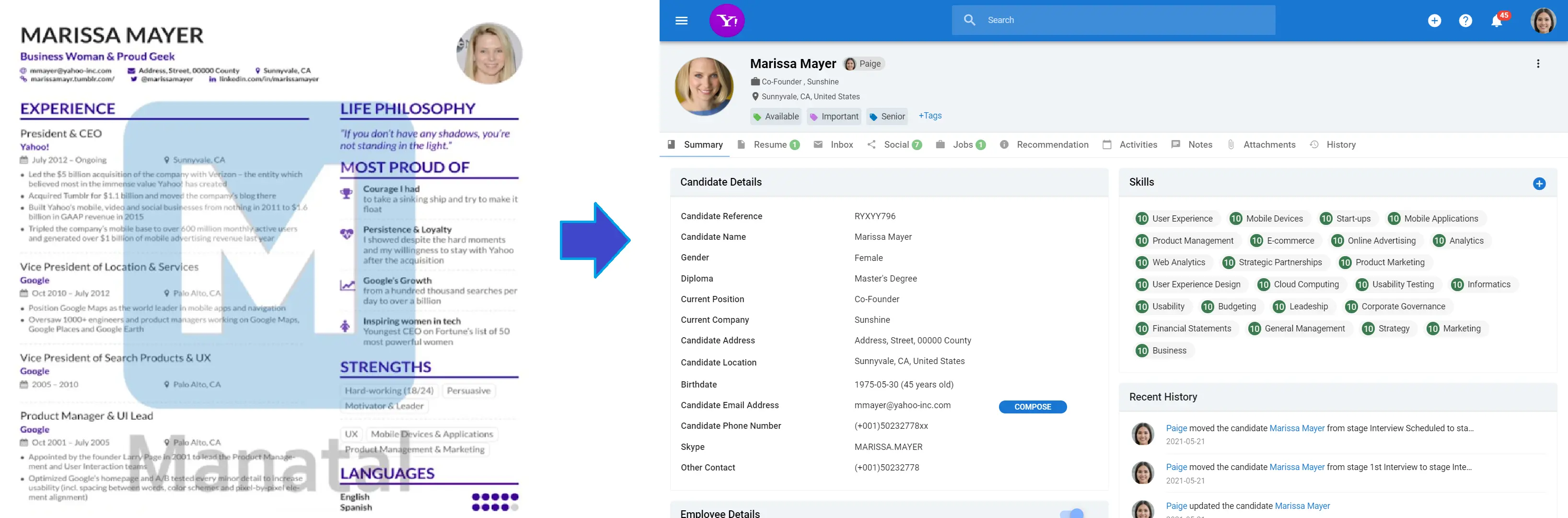
Recruiters spend just 6–8 seconds reviewing a resume initially [2], making scannability crucial. Resumes excel at helping recruiters quickly validate technical qualifications, experience levels, and career progression patterns. They provide the hard data needed for initial candidate filtering and skills-based matching. Manatal AI Resume Parsing automatically extracts structured data, including skills, experience, and education, from resumes, dramatically reducing manual screening time while ensuring no qualified candidates slip through initial reviews.
{{cta}}
What Is a Cover Letter?
A cover letter is a personalized, narrative document that connects a candidate's background directly to the specific role and company. Unlike the factual nature of resumes, cover letters provide context, personality, and a demonstration of genuine interest in the position.
Key Components of an Effective Cover Letter
- Personalized Greeting: Addressed to a specific hiring manager or recruiter when possible, avoiding generic salutations
- Engaging Opening: Hook that immediately connects the candidate to the role or company mission
- Specific Examples: Concrete stories linking past achievements to job requirements and company needs
- Closing and Call-to-Action: Professional conclusion expressing enthusiasm and next steps
What Is the Purpose of a Cover Letter?
Cover letters reveal crucial soft skills that resumes cannot capture: communication style, cultural fit potential, genuine motivation, and problem-solving approach. They help recruiters assess whether candidates understand the role requirements and company values. Today, many applicants use AI to polish their drafts, and an AI humanizer helps refine tone while ensuring the written communication is clear, authentic, and human-sounding, much like support from an assignment writing service can help improve structure and clarity in professional documents.
Cover Letter vs Resume: Side-by-Side Comparison
Why the Difference Between Cover Letter and Resume Matters for Recruiters
Understanding the difference between a cover letter and a resume ****significantly improves recruitment outcomes in several key ways:
- Enhanced Candidate Selection Accuracy: Resumes validate technical qualifications while cover letters assess cultural fit and motivation. This dual-document approach reduces hiring mismatches and improves long-term retention rates.
- Uncovering Hidden Potential: 49% of hiring managers say a strong cover letter can secure an interview for an otherwise weak candidate [3]. Career changers, recent graduates, and candidates with non-traditional backgrounds often shine through compelling cover letter narratives.
- Balanced Assessment Framework: Hard skill validation through resume data, combined with personality and communication assessment through cover letters, creates a more complete candidate picture.
Manatal AI Recommendation technology cross-analyzes both documents simultaneously, identifying top candidates who meet both technical requirements and cultural fit criteria for more strategic hiring decisions.
Common Mistakes in Resumes and Cover Letters
Recruiters often encounter recurring issues in candidate submissions. Being aware of these pitfalls can streamline evaluation and avoid missed opportunities.
- Generic Copy-Paste Cover Letters: Mass-produced letters that don't address specific job requirements or company values, indicating low candidate engagement levels. Seeking help of AI detector for authenticity, can caution applicants against such common mistakes.
- Information-Overloaded Resumes: Documents packed with irrelevant details that obscure key qualifications and make screening inefficient.
- Document Inconsistencies: Mismatched dates, conflicting information, or tone differences between the resume and cover letter that raise credibility concerns.
- Missing Context: Resumes listing responsibilities without achievements, or cover letters lacking specific examples of relevant experience. Using a professional resume builder can help candidates showcase measurable achievements and organize relevant experience.
Best Practices for Recruiters When Evaluating Both
- Consistency Verification: Cross-reference dates, company names, and job titles between documents to ensure accuracy and honesty.
- Strategic Document Usage: Use resumes for rapid skills and experience validation, then leverage cover letters to assess communication style, motivation, and role-specific interest.
- Red Flag Recognition: Watch for unexplained employment gaps, overstatements, or generic language that suggests minimal effort or attention to detail.
- Cultural Fit Assessment: Cover letters provide insights into values alignment and communication style that predict long-term success within the organization.
- Timeline Awareness: Remember that more than 47.4% of applicants only submit cover letters when explicitly requested [4], so consider making them mandatory for roles requiring strong communication skills.
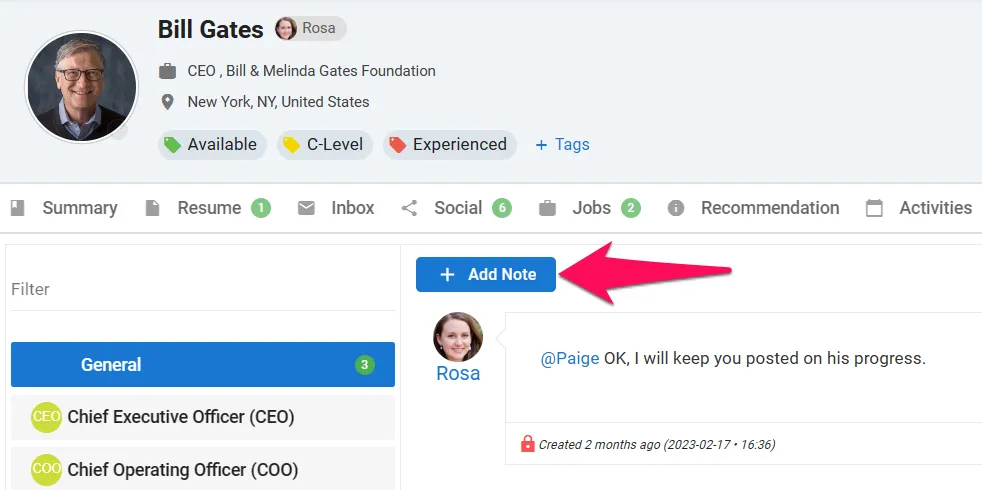
Streamlining review processes for hiring teams, Manatal's Collaboration & Notes feature enhances recruitment by allowing multiple recruiters to provide feedback on the same documents, which promotes diverse perspectives and more thorough evaluations, ultimately reducing bias in decision-making.
Conclusion
Modern recruitment success relies on utilizing both resumes and cover letters effectively. Resumes provide quick, factual data for initial screening, while cover letters offer deeper insights into a candidate's cultural fit and motivation. Successful recruiters integrate both documents into their hiring processes, using technology to analyze resumes and human interpretation for cover letters. By valuing the unique contributions of both, recruiters can improve hiring outcomes and make more informed decisions. The goal is to leverage the strengths of both documents for efficient and insightful candidate evaluation.
Frequently Asked Questions
Q: What’s the difference between a cover letter, resume, and CV?
A: A cover letter is a personalized introduction that explains the candidate's interest in a specific position and highlights relevant qualifications, while a resume is a structured summary of the applicant's work experience, skills, and education. A CV (curriculum vitae) is typically longer and more comprehensive than a resume, commonly used in academic, research, or international contexts, and includes detailed information about publications, research, and academic achievements.
Q: What is the purpose of a cover letter vs a resume?
A: A cover letter serves as the job seeker's pitch to explain why they are interested in the role and how their background makes them a strong candidate. A resume provides factual documentation of the professional's history, skills, and accomplishments in a standardized format that allows employers to assess the individual's qualifications quickly.
Q: Should a resume or cover letter be tailored for each job?
A: Both documents should be tailored for each job application. The cover letter should specifically address the company and position requirements, while the resume should emphasize the most relevant experiences and skills for each particular role rather than using a generic version.
Q: How do the formats and styles differ between cover letters and resumes?
A: Cover letters follow a traditional business letter format with paragraphs of prose that tell the job seeker's professional story in a conversational tone. Resumes use a structured, scannable format with bullet points, headers, and concise phrases that allow for quick review of the individual's credentials.
Q: Can a cover letter replace a resume?
A: A cover letter cannot replace a resume because they serve different functions. The cover letter provides context and personality, while the resume delivers the essential facts employers need to evaluate your qualifications. Most employers expect both documents as part of a complete application package.
—
Citation
[1] ResumeGenius
[2] Standout CV
[3] Resume Mansion
[4] FlairNovorésumé
.webp)







.webp)

.webp)


.webp)


