





According to the U.S. Department of Labor, a poor hiring decision can cost a company at least 30% of the employee’s first-year salary. [1] This doesn’t even include lost productivity, lower team morale, or the cost of restarting the hiring process. Still, many companies rely on resumes and unstructured interviews, so they often guess whether candidates can actually do the job. Resumes are meant to highlight strengths and downplay weaknesses. They tell you what candidates say they can do, not what they have actually done. Modern recruitment assessment methods provide the objective data companies need to make confident hiring decisions. When implemented strategically, these tools act as performance predictors, revealing whether candidates possess the skills, behaviors, and potential to succeed in specific roles.
Three Core Recruitment Assessment Methods
Every effective hiring strategy should incorporate these foundational assessment methods for recruitment:
1. Cognitive and Skill Assessments
These tests answer the fundamental question: "Can this person actually do the work?"
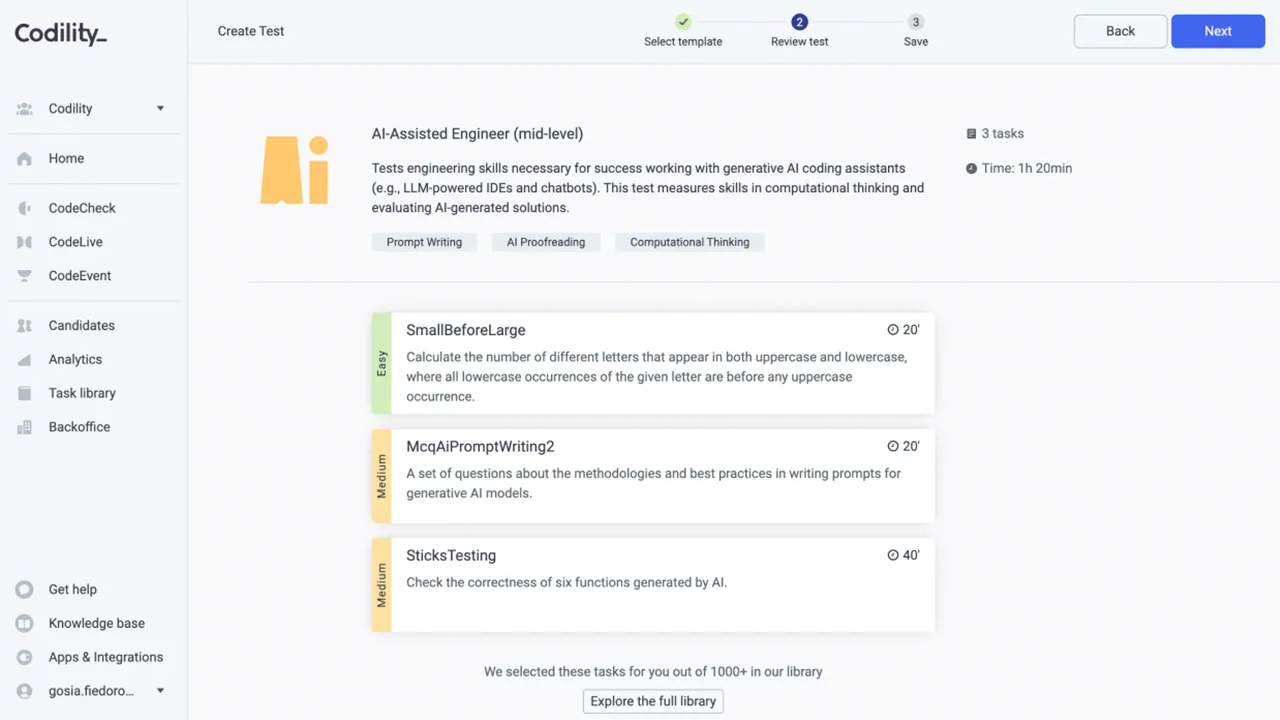
Work sample tests, a form of skill-based assessment, are among the highest predictors of future job performance, with structured interviews showing slightly higher validity in recent meta-analyses. [2] Whether it’s a coding challenge via Codility for developers or a writing prompt for marketers, these tests prove technical competency.
Key Benefit: Reduces "pedigree bias" (hiring based on university names) and focuses on raw capability.
2. Psychometric and Behavioral Assessments
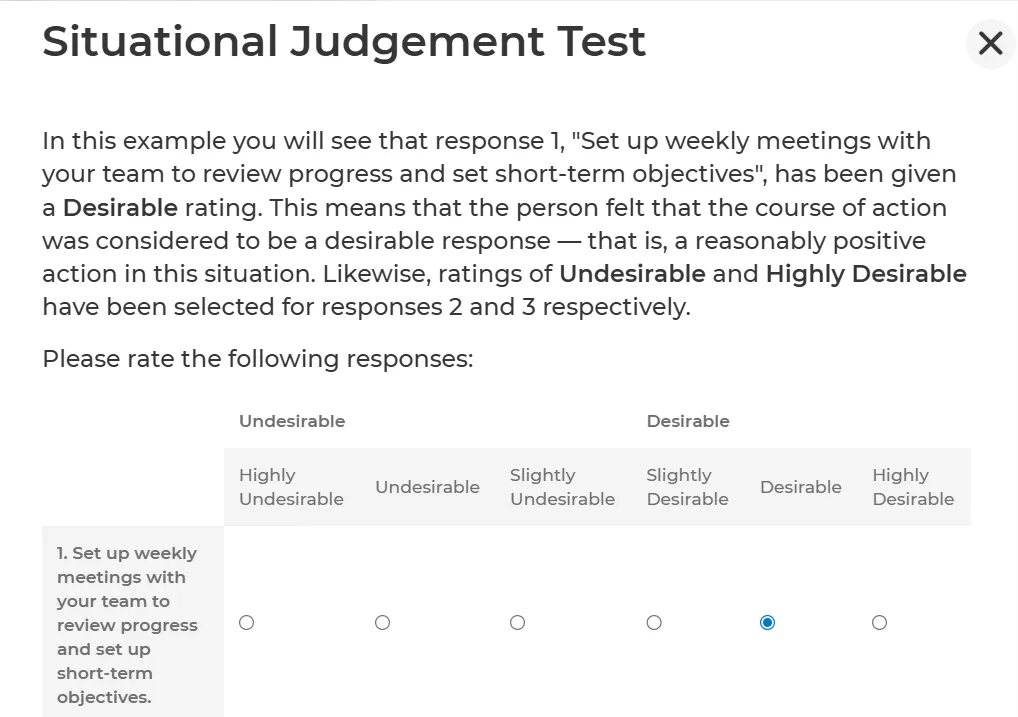
Psychometric assessments, such as the Big Five personality inventory and Hogan Assessments, evaluate personality traits, work styles, and motivational drivers to predict team dynamics and cultural fit. Situational judgment tests (SJTs) assess candidates' responses to realistic workplace scenarios to gauge decision-making and alignment with company culture.
Key Benefit: These tools help reduce turnover by ensuring employees' work styles align with their roles and team environments, leading to greater engagement and commitment.
3. Work Simulations and Trial Projects
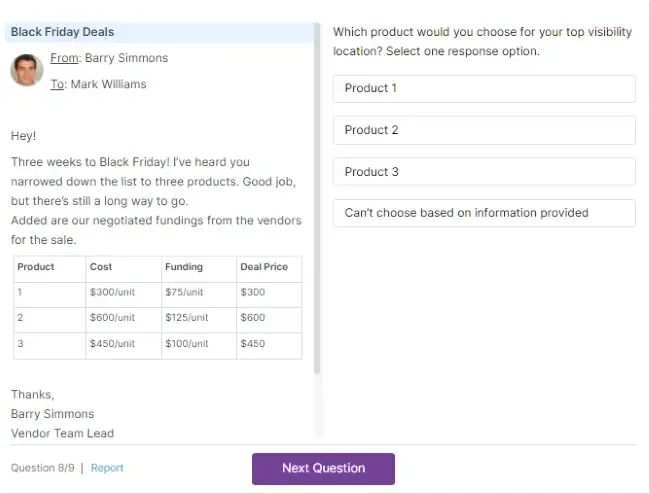
Work simulations predict future job performance by having candidates perform tasks similar to those they would encounter in the role. This approach, especially relevant for senior or remote positions, uses mock tasks or trials to mitigate geographic constraints and traditional office assessments.
Key Benefit: It offers a fairness advantage by allowing candidates to demonstrate their abilities through actual performance rather than relying solely on their educational background, connections, or interview skills.
Creative Recruitment Assessment Methods to Stand Out
For competitive roles where top talent has multiple offers, standard assessments can feel transactional. Creative recruitment assessment methods help companies stand out while gathering valuable data.
- Gamified assessments use neuroscience-based games to measure cognitive abilities without the stress of traditional testing. Platforms like Pymetrics present engaging challenges that assess memory, attention, risk tolerance, and decision-making patterns. Candidates often find these experiences more enjoyable than conventional tests, improving completion rates.
- Hackathons and collaborative challenges bring candidates together to solve real problems in real time. These events assess technical skills while revealing how candidates communicate, handle pressure, and contribute to team efforts. The social aspect also gives candidates a preview of the company culture and potential colleagues.
- Asynchronous video interviews ask candidates to record responses to predetermined questions. Unlike cover letters, which can be endlessly edited and potentially ghost-written, video responses reveal communication skills, presence, and thinking processes. They also provide a consistent basis for comparison across candidates.
Integrating Assessment Methods into Recruitment Workflows
The more assessment methods in recruitment you use, the higher the risk of candidate drop-off. If a candidate has to create three different logins for a personality quiz, a coding test, and a video portal, they may abandon the application.
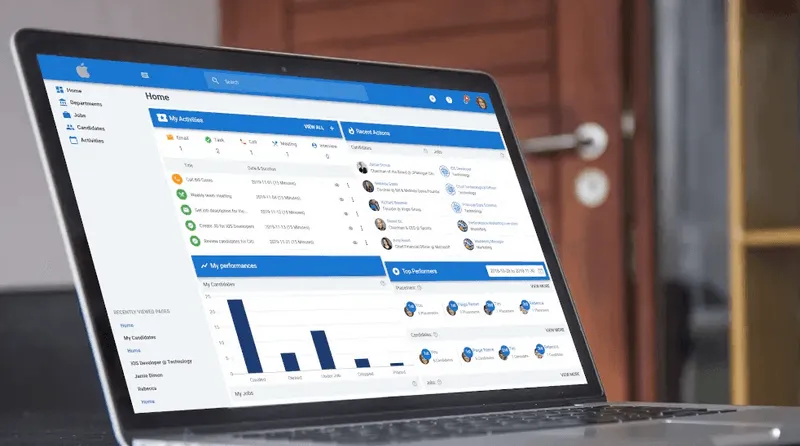
This is where integrated assessment methods in recruitment become critical. Modern applicant tracking systems like Manatal offer native integrations with leading assessment providers, such as Codility, Testlify, HackerRank, and others, reducing multi-platform fragmentation.
- The workflow becomes seamless: Send assessment invitations directly from a candidate's Manatal profile. They complete the test through a single, branded experience. Results automatically populate their scorecard alongside other evaluation data. You can see comprehensive candidate information in a single dashboard without toggling between systems or manually reconciling data.
{{cta}}
Building an Assessment Stack
Not every role requires the same evaluation approach. Strategic assessment methods for recruitment vary by position level, function, and hiring volume.
- For high-volume or entry-level positions, prioritize efficiency and scalability. AI-scored assessments and gamified tests quickly filter large applicant pools, identifying the top candidates who merit human review. Automated screening handles the heavy lifting, ensuring recruiters spend time with genuinely qualified candidates rather than manually sorting through hundreds of applications.
- For technical roles, work sample tests provide the clearest performance signal. Developers complete coding challenges. Data analysts work with real datasets. Technical writers produce actual documentation. These simulations directly measure the skills that drive job success.
- For leadership positions, invest in comprehensive psychometric assessments from established providers like Hogan or SHL. Leadership roles require specific competencies in decision-making, emotional intelligence, and strategic thinking that are revealed through validated personality and cognitive assessments. Combine these with structured behavioral interviews that probe specific leadership scenarios. For more senior roles, adding a leadership assessment test designed to evaluate decision-making, emotional intelligence, and strategic thinking can complement psychometric profiling, giving hiring teams a clearer view of a candidate’s suitability for leadership responsibilities.
The key is matching assessment depth to role complexity and hiring stakes. An entry-level customer service hire might complete a 20-minute typing and communication skills test. A VP of Engineering candidate could work through multiple days of technical evaluations, leadership assessments, and strategic exercises.
Strategic Benefits of Structured Assessment
Beyond identifying capable candidates, systematic recruitment assessment methods measurably improve hiring outcomes.
- Reduced bias and increased diversity: Standardized assessments help prevent unconscious bias in resume reviews and unstructured interviews. The "halo effect," where a candidate's charisma or impressive credentials overshadow real ability, is less of a problem when objective test results guide decisions. Companies using structured assessments often see a more diverse pool of candidates moving forward in their hiring process.
- Faster time-to-hire: AI resume screening eliminates weeks of manual resume review. When the bottom 50% of applicants are filtered out based on demonstrable skill gaps rather than recruiter judgment calls, hiring teams immediately focus on qualified talent. The time saved compounds across multiple open positions.
- Improved candidate experience: Many candidates prefer demonstrating their abilities through tests rather than answering generic interview questions. Clear evaluation criteria feel fairer than unclear decision processes. Even candidates who don’t move forward know why they didn’t meet specific, measurable standards, not just a vague “cultural fit.”
- Data-driven hiring decisions: Assessment results provide concrete talking points for hiring discussions. Instead of debating whether someone "seemed smart" in an interview, teams review actual test performance, behavioral tendencies, and simulation results. This shifts conversations from subjective impressions to evidence-based analysis.
Conclusion: Test Smart, Not Hard
The goal of modern assessments isn't to create hurdles for candidates; it's to build a clear, objective picture of their potential. Don't force your candidates to navigate five different platforms, or have your recruiters copy data between systems. Centralize your recruitment assessment methods on an integrated platform that connects your favorite assessment tools to your hiring workflow.
Ready to hire better? Start a free trial with Manatal today and send your first integrated assessment in minutes.
Frequently Asked Questions
Q: Are personality tests legal in recruitment?
A: Yes, provided they are non-discriminatory and job-relevant. Using validated tools within Manatal’s ecosystem ensures your process remains compliant and objective.
Q: What is the most accurate recruitment assessment method?
A: Statistically, structured interviews are among the most predictive of future job success, followed closely by work sample tests (simulations), as they mimic the actual role.
Q: How do I stop candidates from cheating on online tests?
A: Modern tools utilize AI proctoring, browser lockdowns, and question randomization, features standard among Manatal’s integration partners.
Citations:
.webp)






.webp)

.webp)


.webp)


