





Recruiting moves fast, and you cannot afford to waste time searching across multiple platforms, downloading resumes one by one, or managing candidate information in scattered places. When talent data is spread out, it becomes harder to keep qualified candidates organized and ready for future roles. Resume harvesting and resume harvesting software are often part of the conversation for teams that want a faster way to collect and manage candidate information.
What is Resume Harvesting?
Resume harvesting is the systematic collection and storage of resumes to build a candidate database for future hiring needs. The practice often carries a negative reputation because some agencies hoard resumes to lure clients or use them to create a paper trail for compliance. These methods can backfire if employers avoid qualified candidates to bypass potential finder’s fees. Proper resume harvesting transforms passive hoarding into proactive talent pipelining.
Ethical engagement and transparency ensure the database represents a genuine network of ready professionals instead of a static list of names.
Manual vs. Automated Resume Harvesting
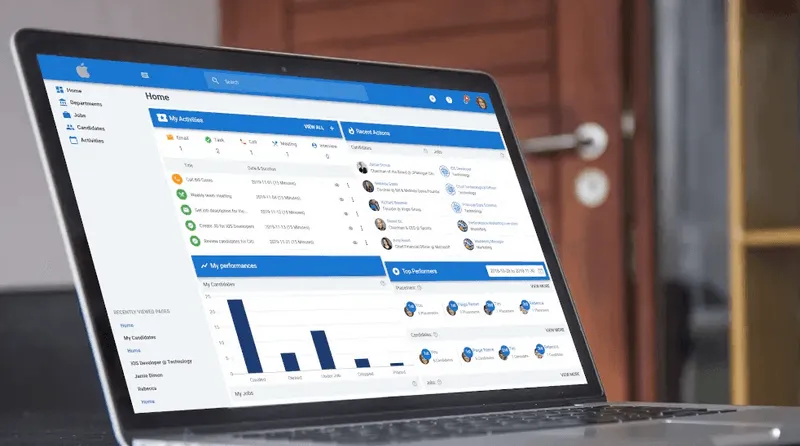
When it comes to your ethical resume harvesting, handling resumes and candidate details across multiple platforms manually can consume significant resources over time. With Manatal, this information can be collected more efficiently and converted into a structured, searchable candidate database. Keeping that database current as people change jobs requires fresh, real-time workforce intelligence from data platforms like Coresignal.
Manatal’s Sourcing Hub gives you access to an external database of more than 700 million candidate profiles. Once added to your internal database, you can easily review candidate profiles, apply searchable tags, and leverage AI-powered advanced search and filters to pinpoint talent already in your system. This keeps your talent pool organized and highly scannable, ensuring your team can seamlessly reuse existing profiles the moment new vacancies open.
{{cta}}
How to Harvest Resumes Ethically
Implement these steps to scale your active pipeline while remaining firmly aligned with federal employment mandates.
Phase 1: Outbound Mechanics
Use integrations like the Manatal Chrome Extension, LinkedIn RSC, or HireEZ to protect your brand from platform bans. To eliminate algorithmic bias at inception, you must construct Boolean search strings based strictly on Bona Fide Occupational Qualifications (BFOQs). It mitigates legal risk while optimizing data quality through two distinct parameters:
- Platform Compliance: Utilizing native vendor APIs guarantees adherence to platform Terms of Service (ToS), preventing intellectual property disputes and ensuring data accuracy.
- Demographic Neutrality: Stripping out proxies like graduation years, high school locations, or non-essential geographic radii ensures alignment with US EEOC selection guidelines.
Use the copy-and-paste template below to target hard skills and industry certifications objectively:
("AWS Certified" OR "Azure Architect") AND ("Python" OR "Golang") AND "Kubernetes" NOT "entry level”
Transparency is non-negotiable, requiring immediate candidate outreach once a profile is indexed. Send an outreach message via your primary communication channel within 24 hours of adding a profile to your database. You can use this template:
"Hi [Name], I noticed your background in [Skill] and have added your profile to our talent network for upcoming [Industry] opportunities. To ensure your data remains secure, please review our privacy policy and reply 'AGREE' to confirm your consent for us to retain your resume. If you prefer to opt out, simply let me know, and we will purge your details immediately."
Phase 2: EEOC-Compliant Inbound Processing Via an ATS
Transitioning from outbound sourcing to database ingestion requires an immediate shift toward objective evaluation mechanics. Inside Manatal, your team can systematically mitigate unconscious bias and satisfy federal record-keeping mandates by utilizing native compliance and AI matching frameworks. This technical standardization replaces subjective recruiter commentary with reproducible, data-driven selection metrics:
- Execute Blind Screening via Redaction: Utilize Manatal's Branded Resume feature within the candidate's profile to apply custom redaction overlays, blacking out names, photos, and graduation dates before internal distribution.
- Standardize AI Scoring with Smart Weighting: Leverage Manatal's AI Recommendation Engine to map profiles against job requirements, using the platform's Smart Weighting tool to grade candidates strictly on calibrated technical criteria.
- Enforce Compliance via Data Privacy Tools: Deploy Manatal's built-in Data Privacy & Compliance module to automate candidate consent loops and systematically purge or archive profiles when your legal data retention window expires.
Phase 3: The 5-Minute Recruiters Self-Audit
Accountability requires a final verification check before executing any sourcing campaign. Run through this four-step diagnostic protocol to guarantee absolute legal compliance:
- Review search strings to ensure all graduation years, age-related proxies, and subjective criteria are completely omitted.
- Verify target certifications and core technical competencies directly against the approved job description's BFOQs.
- Confirm Manatal permission settings are actively restricting visibility on names, photos, and demographic markers for the reviewing team.
- Check automated consent workflows to ensure the initial outreach script triggers immediately upon candidate ingestion.
Ethical Sourcing Checklist
Copy and paste this daily execution checklist into your recruiting workflow:
- Deploy Approved Tools Only: Use the Manatal Chrome Extension or LinkedIn RSC; completely ban unauthorized web-scraping tools.
- Audit Boolean Criteria: Restrict all search strings strictly to BFOQs, hard skills, and current certifications.
- Enforce Blind Review: Activate Manatal custom profile views to mask candidate demographic indicators during initial screening.
- Automate Consent Tracking: Dispatch the compliance outreach script within 24 hours of profile harvesting.
- Execute Title VII Hygiene: Purge non-consented records after 30 days and archive compliant data for exactly one year.
Conclusion
Resume harvesting works best when it follows a clear process: define the criteria, collect resumes from the right channels, parse the data, and keep the workflow compliant. With the right resume harvesting software and a structured intake process, you reduce manual work and build a candidate database that is ready for immediate hiring. For high-volume roles, that is what helps recruitment teams keep pace with hiring demand.
Frequently Asked Questions
Q: What does resume harvesting mean?
A: Resume harvesting means collecting candidate data from different sources, parsing it into searchable profiles, and keeping it in one system instead of scattered files. In Manatal, resume parsing automatically extracts data when you add a resume to a candidate profile, and candidate sourcing pulls applications and external candidates into one database.
Q: How do you use resume harvesting for labourers?
A: Set filters for location, licenses, shift fit, and start date, then collect applications through a short mobile form and parse each resume as it arrives. Manatal’s Sourcing Hub lets you search external candidates by skills and location, which fits high-volume labour hiring well.
Q: Which resume harvesting software should you use?
A: Use software that parses resumes, keeps profiles searchable, and lets you source from multiple channels in one place. Manatal covers that workflow with candidate sourcing, resume parsing, candidate enrichment, AI recommendations, and a single candidate database.
Q: Does resume harvesting speed up hiring?
A: Resume harvesting speeds up hiring because your team spends less time retyping data and more time filtering and shortlisting candidates. Resume parsing and AI matching features help turn incoming resumes into structured profiles that are easier to review quickly.
Q: What legal rules apply to resume harvesting?
A: Keep a privacy notice on your career page, record consent where required, and handle access and deletion requests through a clear process. Manatal documents GDPR-related consent and data handling workflows, privacy notices, the right of access, and the right to erasure, and its consent tools let admins request or update consent inside the platform.
.webp)







.webp)

.webp)


.webp)


