





Job boards are getting expensive [1], and you are mostly reaching only 25-30% of the workforce actively looking for work at any given moment. [2] Meanwhile, the person who would be your next best hire is on social media right now, not searching for jobs, just scrolling. This guide is written for recruiters and hiring managers who want to use a social media recruitment strategy. It covers where passive talent actually lives online, how to build content that pulls them in without begging, and how to set up a sourcing workflow that doesn't collapse under its own manual weight.
Why Social Media Recruiting Is a Must In 2026
73% of job seekers aged 18-34 say they found their last role through a social platform. [3] Every Minute, 7 People Are Hired on LinkedIn. [4] Recruiters who still treat social media as an afterthought aren't just leaving candidates on the table. They're funding their competitors' talent pipelines.
There are two modes of social media recruiting, and most teams only practice one.
- Passive sourcing is the hunt: you actively find and contact candidates.
- Employer branding is the farm: you build a presence that makes candidates come to you.
Both matter. Neither works without the other.
The Top Platforms for Social Recruitment
Each platform attracts a different type of candidate. A sourcing strategy that works on LinkedIn will fail on TikTok, and vice versa. Pick the platform based on who you're hiring.
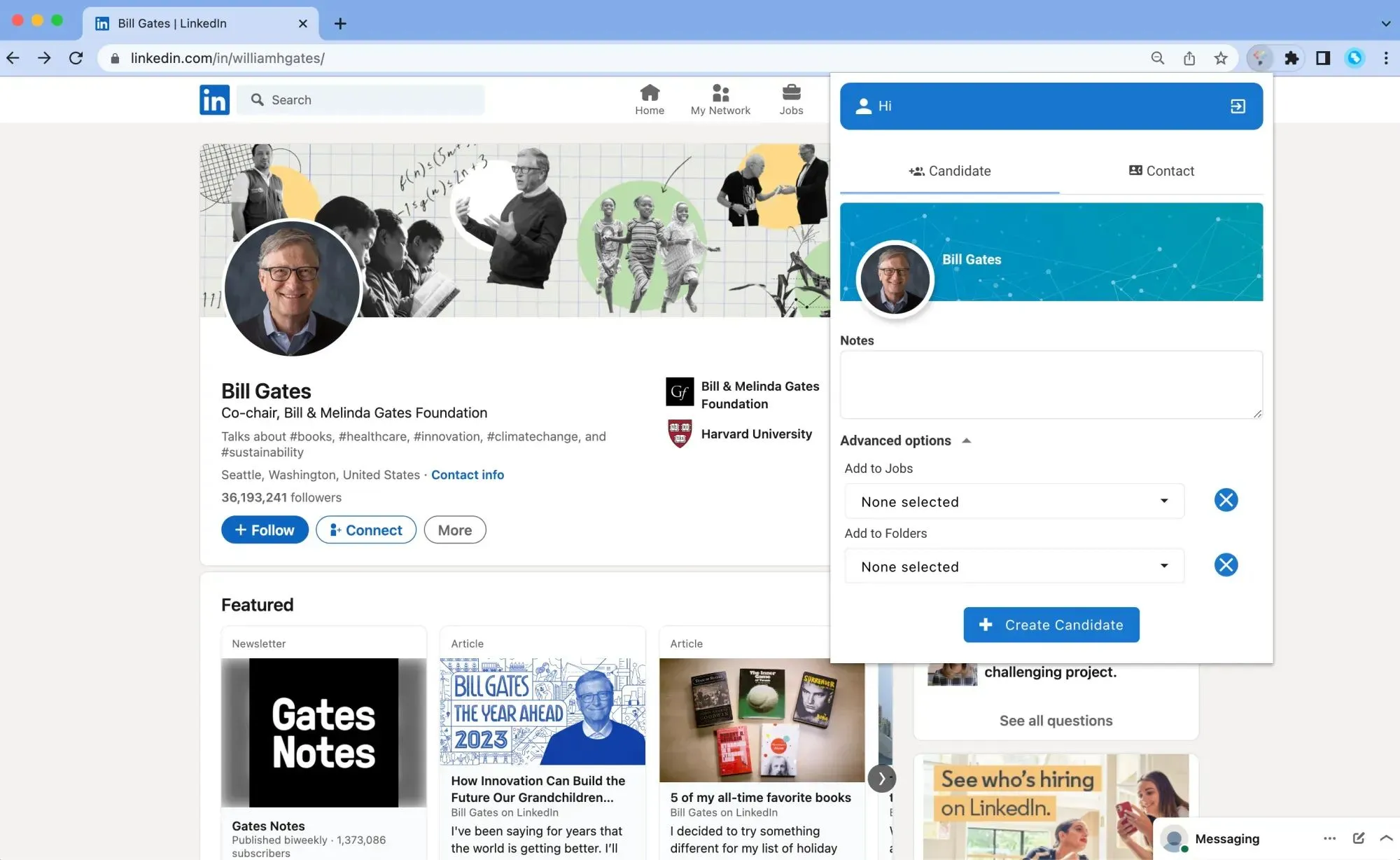
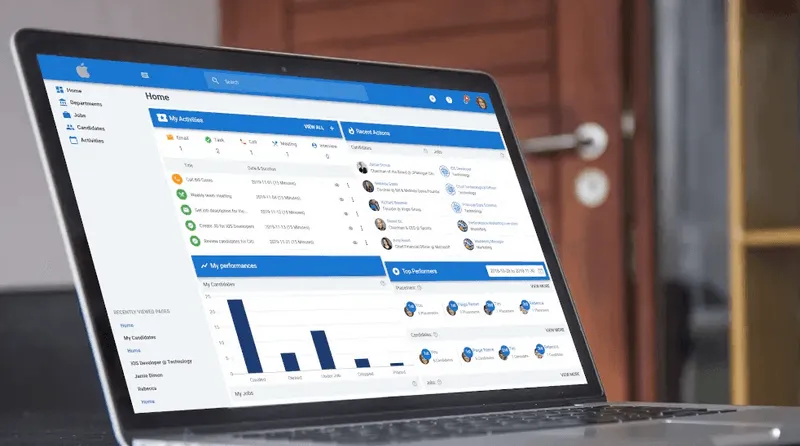
Manatal Candidate Sourcing feature has a Chrome extension that lets you visit any candidate's social profile and import their data into your ATS with a single click. The system then searches public web sources to automatically enrich that profile, pulling in additional skills, experience, and background data you wouldn't find on a single profile page. You go from social browsing to a fully structured candidate record in seconds.
{{cta}}
Quick Checklist: Is Your Social Profile Ready for Recruiting?
Before you source a single candidate, make sure your profiles can do their job.
7 Steps to Build a Winning Social Media Recruitment Strategy
Most social recruiting strategies fail not because teams picked the wrong platform but because they skipped the groundwork. These seven steps are ordered intentionally. Don't jump to step 5 before you've completed step 2.
1. Define Your Candidate Persona
Recruiters who skip this end up broadcasting to everyone and converting no one. Generic content gets ignored. A DevOps engineer and a retail shift manager are not on the same platform, in the same tone, or at the same time of day.
- How to do it: Write a one-page profile: target role, preferred platform, content they engage with, and what would make them stop scrolling. Build one persona per role family.
- Free Tools: Google Forms (for internal surveys), Notion (free tier) for documenting personas
2. Audit Your Employer Brand
75% of candidates research a company's reputation before applying. If your last post was six months ago and the bio links to a 404 page, you've already lost them.
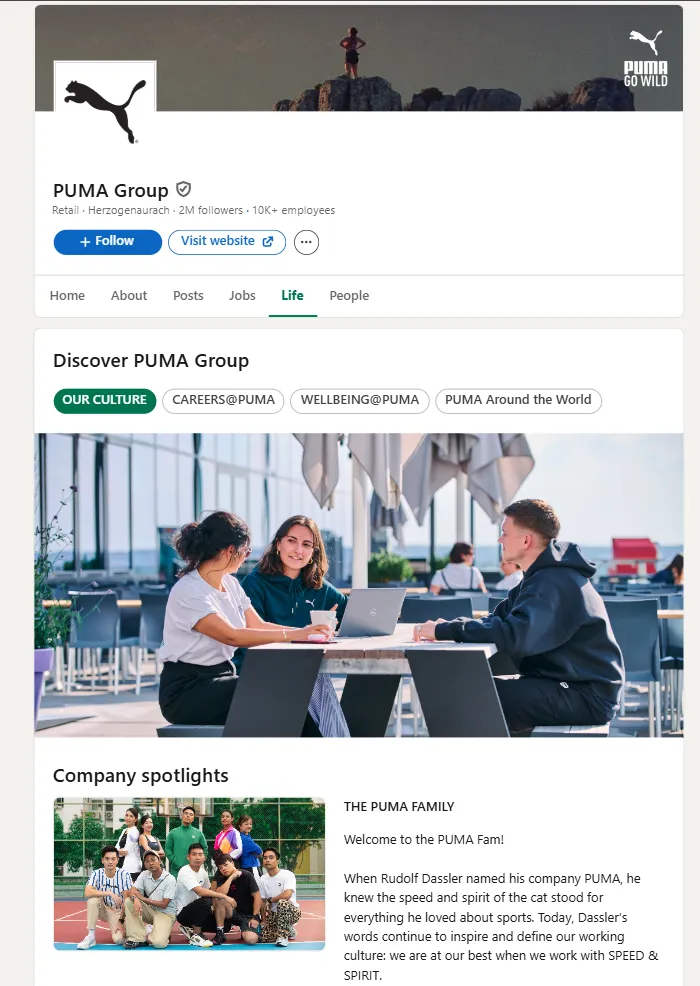
- How to do it: Search your company name on every platform you plan to use. Check: bio accuracy, banner freshness, last post date, and whether employee faces appear in the post. Puma's "Life at Puma" series is the benchmark: real employees, real moments, posted consistently.
- Free Tools: LinkedIn Company Page analytics, Meta Business Suite
3. Apply the 80/20 Content Rule
Accounts that only post job listings see up to 50% lower engagement than those that mix in culture content. The job post performs better when the audience already trusts the brand.
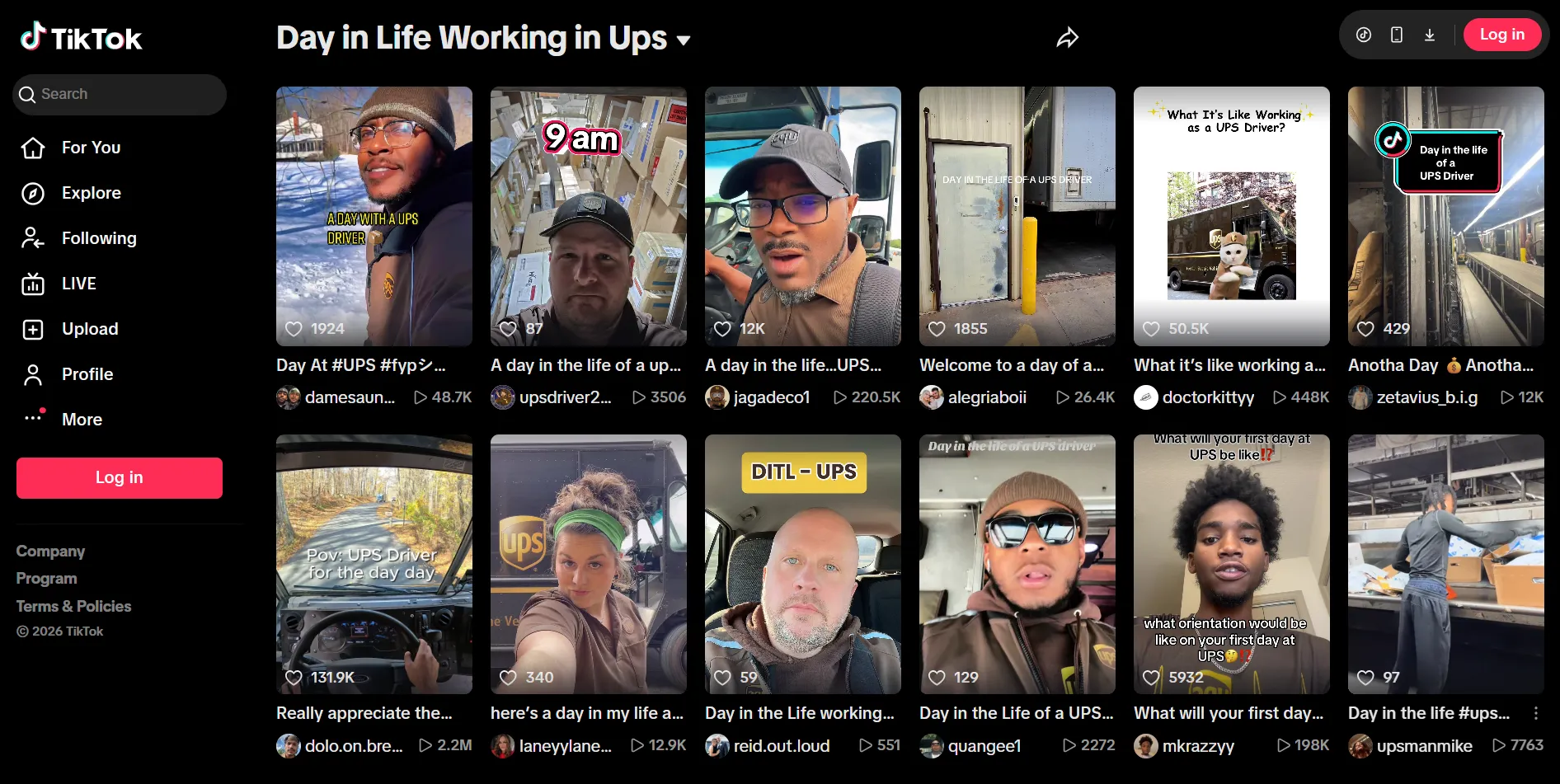
- How to do it: 80% of posts should be culture, team milestones, employee spotlights, and behind-the-scenes content. 20% job listings. UPS uses "Day in the Life" content to help candidates understand what the role looks like before day one, which reduces early attrition.
- Free Tools: Buffer (free plan, 3 channels), Meta Business Suite (free scheduling)
4. Build an Employee Advocacy Program
Content shared by employees gets 8x more engagement than the same post from a company career page and reaches networks your brand page can't access.
- How to do it: Create a monthly batch of 3-5 shareable posts: short captions, no jargon, and content that makes employees look good for sharing it. H&M's team-member tips series works because it reflects well on the people posting it, not just the brand.
- Free Tools: LinkedIn's free "Notify Employees" feature, GaggleAMP (free trial)
5. Hunt Candidates Directly
70% of the workforce isn't applying to any jobs right now. Waiting for inbound means competing only for the 30% who are.
- How to do it: Use LinkedIn's Boolean search and "Open to Work" filter to find candidates matching your criteria. On X, search skill-specific hashtags alongside #opentowork. Reach out with a message that references something specific from their profile.
- Free Tools: LinkedIn free search (limited), Hunter.io (25 free searches/month for emails), X Advanced Search (free)
6. Know When to Boost
Organic reach on Facebook company pages averages 5.2% of followers. For urgent hiring, that's not enough.
- How to do it: Use paid campaigns for time-sensitive roles. LinkedIn ads let you target by job title, industry, seniority, and geography. A $500 Facebook boosted post targeting by location and interest will outperform three months of organic for a warehouse role that needs to be filled in six weeks.
- Free Tools: Meta Ads Manager, LinkedIn Campaign Manager
7. Measure What Actually Hires People
Likes and impressions don't put candidates in seats. Teams that track vanity metrics optimize for the wrong thing and can't justify the budget.
- How to do it: Track click-through rate from post to job listing, conversion rate from click to completed application, and cost per hire by platform. If Instagram generates 200 clicks but 0 applications, the audience is wrong, or the job page isn't converting. Fix the bottleneck.
- Free Tools: Google Analytics 4 (free UTM tracking), LinkedIn Analytics, Meta Insights
Key Challenges and Compliance
Social media recruiting opens doors that traditional hiring never could. It also introduces risk that job boards never exposed you to. Most teams learn this the hard way, after a complaint, a legal review, or a public backlash. Getting ahead of these three issues costs far less than cleaning them up.
- Privacy. Candidates expect their public profiles to be viewed. What damages your employer brand is outreach that feels like surveillance: contacting someone through three channels in the same week or referencing details from a personal account they never connected to professional life. Be direct about how you found them and what you want.
- Bias risk. Social profiles show things resumes don't: photos, age signals, religious content, and political views. None of these should factor into a sourcing decision. Before you start any sourcing sprint, write down the skills and experience criteria you're evaluating. Stick to them. If the information on a profile wouldn't be permissible in an interview, it shouldn't influence whether you reach out.
- Volume without direction. LinkedIn returns 50,000 results for "senior product manager.” That's not a talent pool; that's noise. Set hard filters before you open the search: required skills, minimum experience, location, and availability signals. Treat every sourcing session like it has a 90-minute timer, because without a cap, it becomes unproductive browsing.
Case Studies: Brands Doing Social Media Recruiting Right
What separates a good social media recruiting strategy from a functioning talent pipeline is execution. These three brands ran campaigns in 2025 that moved candidates from scrolling to applying, and each one did it differently.
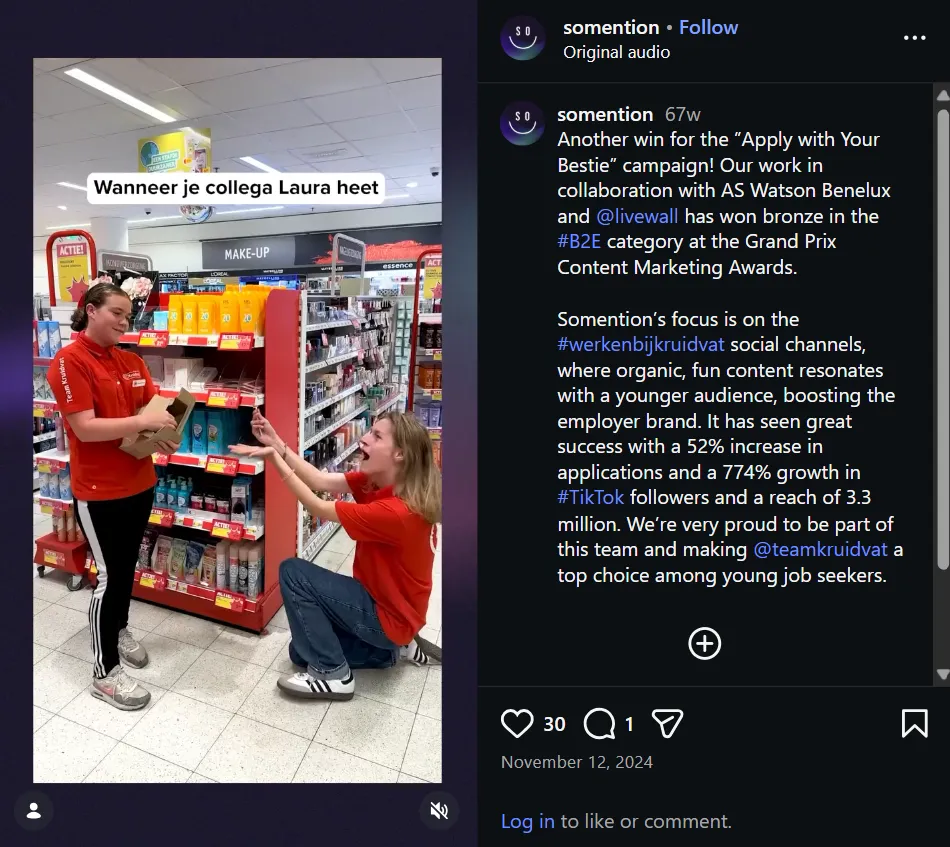
Kruidvat: "Apply with Your Bestie"
The Challenge: Despite a Gen Z-dominated workforce, this Dutch retailer saw application numbers plummet.The Fix: They turned the application process into a social experience.
- Team Up: Candidates can tag a friend, apply as a duo, attend interviews together, and even work side-by-side on the same shifts.
- Frictionless: They ditched long, tedious forms. Instead, just send a WhatsApp message to apply.The Takeaway: By understanding that Gen Z values social connection, they made the process easy and fun, proving that if your application funnel is too hard, you’ll lose the candidate before they even finish.
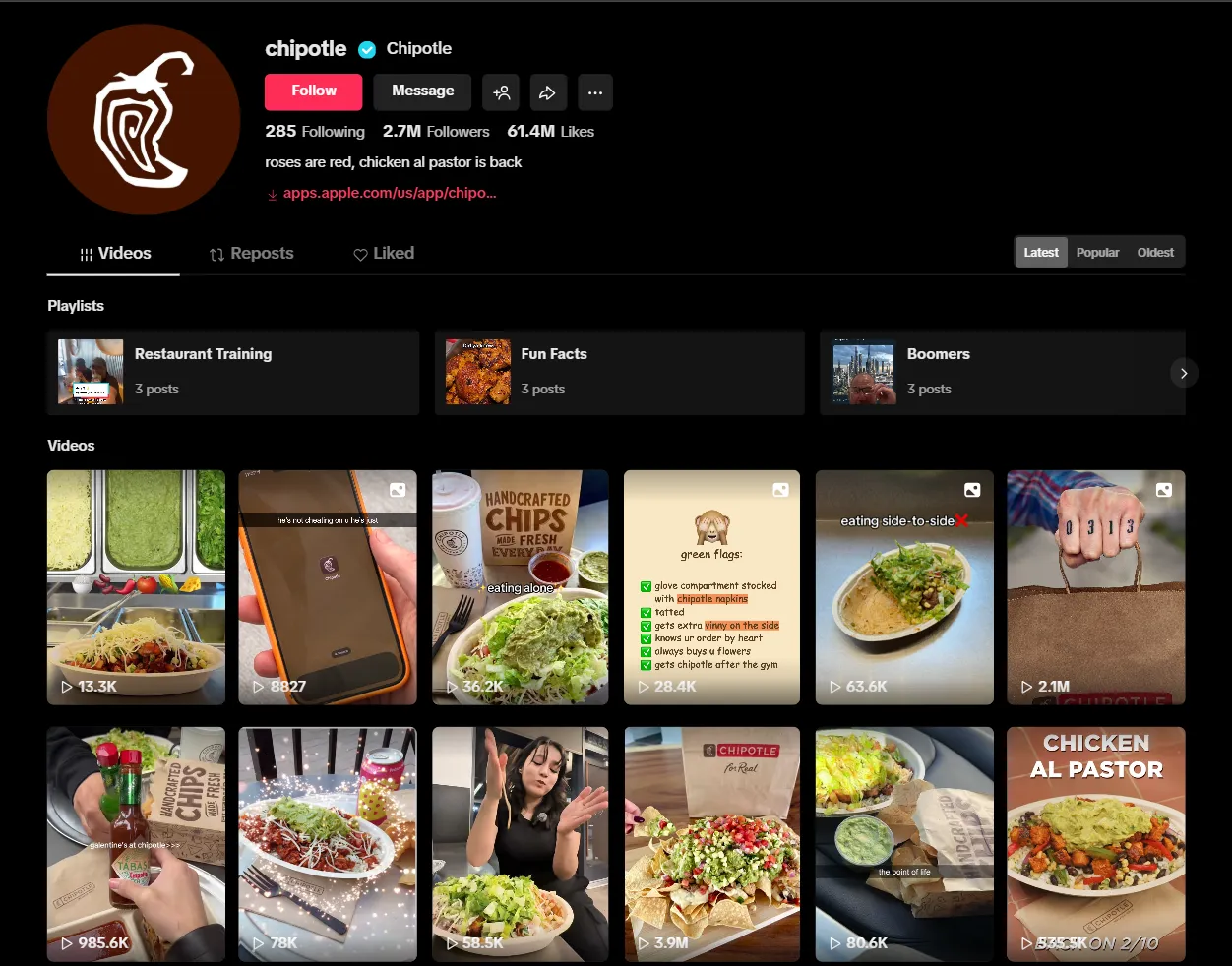
Chipotle: "The Video Resume"
The Challenge: 40% of Gen Z prefer social media over traditional job boards.The Fix: Chipotle met them where they already hang out.
- Native Content: Instead of a traditional resume, they invited candidates to submit a short video explaining why they’d be a great hire.
- The Result: It felt natural, engaging, and "native" to TikTok. A video on a social feed gets views; a long-form on a careers page gets ignored.The Takeaway: Recruitment works best when the format matches the platform where your candidates spend their time.
Australian Defence Force: "Gaming & Social"
The Challenge: Traditional military ads weren't grabbing the attention of their target recruits.The Fix: They used "passive reach" by embedding themselves into existing digital habits.
- In-Game Ads: They placed recruitment ads directly inside popular video games.
- Influencer Partnerships: They collaborated with gaming streamers to discuss concepts such as discipline and teamwork authentically.
- Short-Form Video: They expanded the campaign to TikTok and YouTube Shorts to reach people who weren't actively looking for a job.The Takeaway: You don't always need people to be searching for you. Sometimes, you just need to be present where they already are.

Conclusion
Most recruiting teams treat social media as a broadcast channel. Post a job, hope someone applies, move on. The companies that consistently win on talent treat it as a year-round two-way relationship, not just when a role opens. By the time you're urgently hiring, your competitor who's been posting culture content for six months already has a warm candidate pool waiting. Start building that before you need it.Manatal's 14-day free trial includes full access to AI Candidate Enrichment and the Chrome Extension.
citation
.webp)







.webp)

.webp)


.webp)


