





Australia’s recruitment industry is navigating a pivotal shift, with the market projected to exceed A$28 billion by 2026, driven largely by a 7% annual growth in temporary staffing. The hurdle? Australia’s regulatory landscape is becoming increasingly complex, with mandatory labor hire licensing in Victoria, Queensland, South Australia, and the ACT, alongside rigorous compliance under the Fair Work Act and rising insurance premiums. [2] Most new agencies fail not from lack of clients but from regulatory bottlenecks and administrative chaos. This guide navigates the red tape so you can get to revenue faster. If you want to start a recruitment agency in Australia, this step-by-step roadmap provides the legal clarity, compliance frameworks, and operational strategies needed to launch successfully in 2026
Start a Recruitment Agency in Australia in 8 Steps
Step 1: Identify Your Niche
Before starting a recruitment agency in Australia, it is essential to conduct thorough research to identify high-demand staffing solutions, such as temporary staffing, executive search, or specialized recruitment services.
Research the Job Market
Explore the current job market in Australia to identify industries with high demand and candidate shortages. Pinpointing a growing niche can set the foundation for success. Here is a curated toolkit of the best government and industry sources available as of 2026.
Identify Regional Variations
To spot underserved niches in Perth, Brisbane, or Adelaide, look at where people are working versus where job ads are growing.
- Jobs and Skills Atlas: This is a goldmine. It provides a visual, interactive map of Australia’s labor market. You can filter by region (SA4 level) and see employment growth, industry share, and top occupations in places like Adelaide or Perth.
- Internet Vacancy Index (IVI): This monthly report tracks online job advertisements. If you see high vacancy growth in Brisbane for a specific niche but low applicant numbers, you’ve found an underserved market.
Analyze Talent Shortages
The goal here is to find the "mismatch" between what companies want and what the workforce has.
- Skills Priority List (SPL): The definitive list. It tells you exactly which occupations are in national or state-based shortage. Look for roles marked as "S" (Shortage) or "R" (Regional Shortage).
- Recruitment Experiences and Outlook Survey (REOS): This surveys ~1,000 employers monthly. It’s excellent for understanding why employers are struggling (e.g., a lack of technical skills vs. a lack of applicants).
- Occupation Search: If you want to look up a specific occupation's growth percentage (like the 15% example), use the Occupational and Industry Profiles tool
Understand the Compliance Landscape
Labor-hire in Australia is heavily regulated and varies significantly by state.
- Fair Work Ombudsman (FWO): Your "Bible" for the Fair Work Act. Use their Find My Award tool to determine which legal minimums apply to specific roles.
- Labour Hire Licensing Authorities: If you are "hiring out" staff (not just permanent recruitment), you must check:
- Victoria: Labour Hire Authority (LHA)
- Queensland: Labour Hire Licensing Queensland
- South Australia: Consumer and Business Services (CBS)
- ACT: Access Canberra
Study Wage Trends
Monitor industry salary benchmarks to price your services competitively and advise clients accurately.
- Hays Salary Guide: One of the most comprehensive annual reports covering thousands of roles across all states.
- ABS Wage Price Index (WPI): Use this to see if wages are rising faster than inflation, which helps you advise clients on "cost-of-living" adjustments for their offers.
- Robert Half 2026 Salary Guide: Provides specific "percentile" data (25th, 50th, 75th) for roles in Sydney, Melbourne, Brisbane, and Perth.
Leverage Your Expertise: Assess your own knowledge and experience in specific industries or job sectors. Using your background can give you a competitive edge and build credibility.
Understand Client Needs: Investigate the unique staffing needs of Australian businesses. Identify whether services like temporary staffing, executive search, or specialized recruitment are in high demand, and tailor your offerings accordingly.
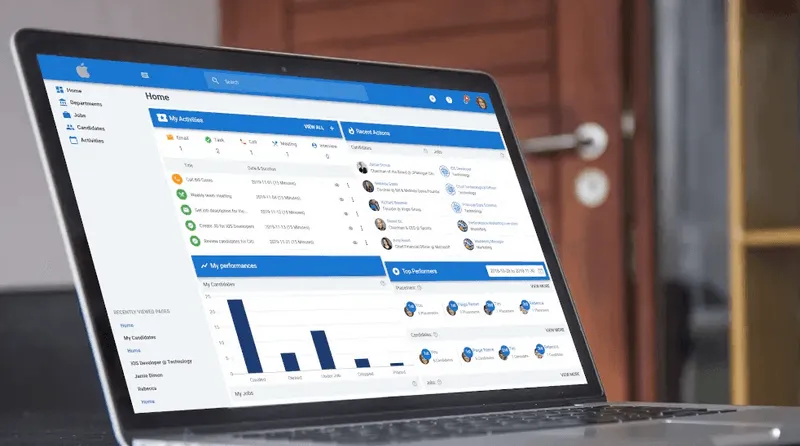
Discover how you can grow your client base with this How to Get Clients for a Recruitment Agency guide. Then use Manatal’s recruitment CRM to manage your sales pipeline, build strong client relationships, and oversee the hiring process all in one place.
{{cta}}
Step 3: Calculate the Costs
When you start a recruitment agency in Australia, focus first on these essential steps:
Business Setup
- Legal and Licensing: Register your business and secure the necessary licenses to operate legally in Australia.
- Insurance: Protect your agency with coverage such as public liability or professional indemnity to minimize financial risk.
Technology and Tools
- Recruitment Software: Use an Applicant Tracking System (ATS) to efficiently manage candidates and clients.
- Website: Build a professional website to establish credibility and attract clients and candidates.
Staffing and Salaries
- Hire Key People: Start with a small team or contractors to help with operations, and expand as your business grows.
Understanding the financial investment required to start a recruitment agency in Australia is crucial for sustainable growth.
Step 4: Get Your Business License
As mentioned, you need a business license to start a recruitment agency in Australia. You'll need to register for an Australian Business Number (ABN), and depending on the type of staffing services you offer and the state you're operating in, you may have specific licensing requirements for staffing agencies.
Understanding Labor Hire Licensing in Australia
Labor hire licensing applies when you provide workers to perform work for another entity (the host). This includes temporary staffing, contract workers, and certain types of recruitment placements.
State-by-State Labor Hire Licensing Requirements (2026)
For more detailed information on the licenses your agency needs, see this article on the required licenses for staffing agencies.
Step 5: Draft a Business Plan
To draft a simple business plan for your recruitment agency, follow these key sections:
- Executive Summary: Write a brief overview of your agency, including your mission, services, and target market.
- Market Research: Share details about the industries you want to target and the demand for recruitment services in those areas.
- Services Offered: Clearly explain the types of recruitment services you'll provide, such as temporary staffing or permanent hires.
- Target Audience: Describe the businesses and industries you'll work with and the candidates you'll recruit.
- Marketing Strategy: Outline how you'll attract clients and candidates, including online ads, event attendance, and networking.
- Operations Plan: Explain how your business will run day-to-day, including the recruitment process and tools you’ll use.
- Financial Plan: Include your startup costs, expected revenue, and how you’ll charge clients.
- Growth Strategy: Mention how you plan to grow your agency, like adding new services or expanding into different markets.
Here's a clean business plan template for your recruitment agency:
Business Plan: [Agency Name]
1.Executive Summary
2. Market Research
3. Services Offered
4. Target Audience
5. Marketing Strategy
6. Operations Plan
7. Financial Plan
8. Growth Strategy
Step 5: Draft a Business Plan
To draft a simple business plan for your recruitment agency, follow these key sections:
1. Executive Summary: Write a brief overview of your agency, including your mission, services, and target market.
2. Market Research: Share details about the industries you want to target and the demand for recruitment services in those areas.
3. Services Offered: Clearly explain the types of recruitment services you'll provide, such as temporary staffing or permanent hires.
4. Target Audience: Describe the businesses and industries you'll work with and the candidates you'll recruit.
5. Marketing Strategy: Outline how you'll attract clients and candidates, like using online ads, attending events, or networking.
6. Operations Plan: Explain how your business will run day-to-day, including the recruitment process and tools you’ll use.
7. Financial Plan: Include your startup costs, expected revenue, and how you’ll charge clients.
8. Growth Strategy: Mention how you plan to grow your agency, like adding new services or expanding into different markets.
Step 6: Attend or Create Recruitment Conferences to Build Your Network
Attending recruitment conferences is a great way to grow when you start a recruitment agency in Australia. These events bring together hiring and staffing professionals, offering opportunities to learn about the latest trends, improve your skills, and network with potential clients and partners. To get the most out of a conference, prepare in advance, participate actively, and connect with attendees on-site and online. As your agency grows, hosting your own recruitment events, such as workshops, webinars, or conferences, can strengthen your brand and attract valuable clients or partners. Sharing your expertise on topics relevant to your industry will help you stand out as a trusted expert in the recruitment field.
Step 7. Build a Team
When building your recruitment team structure, focus on hiring individuals who align with your agency's values and mission. Here are the four key roles to consider:
- Recruiters: Industry experts with a strong network who can efficiently source top talent.
- Sales & Business Development: Staff who attract new clients and build lasting relationships.
- Compliance & Operations Experts: Ensure your agency follows regulations and operates smoothly.
- Support Staff: Handle administrative tasks to keep day-to-day operations efficient.
Fostering a positive work culture and encouraging ongoing professional development will help boost employee satisfaction and retention, leading to long-term success.
Step 8. Start Your Business
The final step to start a recruitment agency in Australia is to officially launch your business. Here’s how to get started:
- Promote Your Business: Launch your website and promote your services through social media, online ads, and professional platforms like LinkedIn. Attend networking events or industry meetups to build connections.
- Reach Out to Clients: Contact businesses in your target industries and showcase how your agency can solve their recruitment challenges.
- Source Candidates: Build your talent pool by advertising job openings, using job boards, and leveraging your network. Implement a robust screening process to effectively match candidates with client needs.
- Deliver Excellent Service: Provide quality matches to clients to build a strong reputation and secure repeat business.
- Monitor and Improve: Track performance, gather feedback, and continuously refine your processes to adapt to market needs.
These steps will help you confidently start a recruitment agency in Australia and position it for long-term success.
Recruitment Agency Startup Checklist
Use this comprehensive checklist when you start a recruitment agency in Australia:
Research and Planning
[ ] Conduct market research to identify high-demand industries and niches
[ ] Analyze competitors and determine your unique selling proposition (USP)
[ ] Draft business plan with financial projections and growth strategy
Legal and Licensing Requirements
[ ] Choose business structure (Sole Trader with ABN or Pty Ltd with ACN)
[ ] Register business name and obtain ABN/ACN from ASIC
[ ] Apply for a labor hire license (if operating in VIC, QLD, SA, or ACT)
[ ] Obtain Professional Indemnity Insurance ($1-2M coverage recommended)
[ ] Secure Public Liability Insurance
[ ] Arrange WorkCover/Workers Compensation Insurance (for temp/contract placements)
Financial Preparation
[ ] Calculate total startup costs and secure funding if needed
[ ] Open a business bank account
[ ] Set up accounting software (Xero or MYOB)
[ ] Register for GST (if expecting annual turnover above $75,000)
[ ] Develop pricing model and fee structure
[ ] Create invoice templates and payment terms (typically 30 days)
Technology and Operations Setup
[ ] Invest in recruitment software (ATS with CRM functionality like Manatal)
[ ] Build a professional website with career page integration
[ ] Set up business email and communication tools (Google Workspace or Microsoft 365)
[ ] Purchase a LinkedIn Recruiter license for candidate sourcing
[ ] Create a SEEK employer account and purchase job ad credits
[ ] Implement a document management system for compliance documentation
[ ] Set up a video interviewing platform (Zoom, Microsoft Teams)
Team and Process Development
[ ] Hire key staff (recruiters, business development, and administrative support) or plan a solo launch
[ ] Develop a standardized recruitment process workflow (sourcing to placement)
[ ] Create candidate assessment and screening criteria
[ ] Draft standard contracts (client service agreements, candidate terms, temp worker agreements)
[ ] Establish quality assurance and compliance processes
[ ] Build onboarding and training materials for new team members
Marketing and Branding
[ ] Develop brand identity (logo, color scheme, messaging)
[ ] Create marketing materials (brochures, presentations, case studies)
[ ] Launch the LinkedIn company page and build an initial following
[ ] Set up a Google My Business listing
[ ] Implement digital marketing strategy (Google Ads, LinkedIn Ads, SEO)
[ ] Build an email marketing list and create a nurture sequence
[ ] Identify key industry events and networking opportunities
Launch and Client Acquisition
[ ] Announce business launch via email, LinkedIn, and social media
[ ] Conduct direct outreach to potential clients (warm introductions, cold outreach)
[ ] Start building a candidate database through job postings and sourcing
[ ] Implement a client onboarding process with clear expectations and SLAs
[ ] Set up feedback collection mechanisms (client satisfaction surveys, candidate experience surveys)
Monitor, Measure, and Grow
[ ] Track key performance indicators (placements per month, time-to-fill, revenue per consultant)
[ ] Conduct monthly financial review (revenue, expenses, cash flow, profitability)
[ ] Gather and analyze client feedback; adjust services accordingly
[ ] Monitor compliance with labor hire licensing conditions and employment law
[ ] Adapt to market trends and identify new opportunities
[ ] Plan for expansion (new services, geographic markets, team growth)
Other Important Things to Focus on Early
When you start a recruitment agency in Australia, focus on these key areas:
- Legal Compliance: Understand employment laws, register your business, and meet tax obligations, such as GST.
- Cash Flow Management: Set clear payment terms with clients and have a plan to manage delayed payments.
- Client Relationships: Build strong connections through excellent service and regular communication.
- Technology: Invest in essential tools, such as an Applicant Tracking System (ATS), to streamline operations.
- Market Adaptability: Stay flexible to changes in demand and focus on niche services to stand out early.
These priorities are crucial for building a solid foundation when you start a recruitment agency in Australia.
Conclusion
Starting a recruitment agency in Australia offers exciting opportunities but also comes with challenges. With high demand in industries such as healthcare, IT, and engineering, targeting these growth areas can help your agency stand out. Success depends on careful planning, selecting the right niche, managing costs, building a strong team, and using technology and branding effectively. By following the steps outlined and staying adaptable to market trends, you can confidently start a recruitment agency in Australia that caters to the needs of businesses and job seekers alike.
Frequently Asked Questions
Q: How do recruitment agencies make money?
A: Recruitment agencies earn revenue through placement fees, which can be a percentage of a candidate's annual salary or a flat fee, and by providing temporary staffing services.
Q: Do I need a license to start a recruitment agency in Australia?
A: It depends on the state. Some states, like Victoria and South Australia, require a labor hire license, while others have minimal licensing requirements.
Q: What are the legal requirements for setting up a recruitment agency in Australia?
A: Key requirements include registering your business, obtaining any necessary licenses, complying with fair work laws, and meeting tax and insurance obligations.
Q: How much does it cost to start up a recruitment agency?
A: Startup costs can range from $10,000 to $50,000 or more, depending on factors like office space, software, and marketing.
Q: What tips can help me start a successful recruitment agency in Australia?
A: Focus on a niche market, build strong relationships, invest in recruitment software, and maintain compliance with legal regulations.
Q: How can I attract clients and candidates when starting out?
A: Leverage networking, social media, and job boards to connect with clients and candidates. Offering excellent service and competitive rates can also help.
Q: What is the average profit margin for a recruitment agency in Australia?
A: Profit margins typically range between 15% and 25%, though this can vary based on the industry and agency size. Some figures cited by experts even reach 50%.
Citations:
.webp)







.webp)

.webp)


.webp)


