





Talent pipeline automation eliminates manual recruitment tasks (like sourcing and scheduling), helping teams shift from reactive to proactive hiring. With the average cost-per-hire reaching $5,475 and vacant roles costing up to $9,000 monthly in lost productivity, automating the pipeline is essential for cutting costs.
What is a Talent Pipeline?
Unlike a raw talent pool, a talent pipeline is a curated, pre-screened group of qualified candidates. Automation uses ATS and CRM platforms to keep this pipeline active, searchable, and ready to tap into before a role officially opens.
The Two Types of Automation
- Trigger-based (Reactive): Executes predefined tasks based on specific rules, such as sending automated follow-up emails when a candidate moves to a new stage.
- AI-driven (Proactive): Predicts candidate fit and identifies talent gaps ahead of time, turning the pipeline into a predictive, high-value asset.
How to Build an Automated Talent Pipeline
Building a talent pipeline automation well requires deliberate planning and the right technology stack. A structured, multi-stage approach allows HR teams to implement each component methodically and strengthen recruitment outcomes over time.
1. Automated Sourcing and AI Matching

Start by consolidating sourcing into Manatal, so your talent pipeline automation begins in one system, where every candidate can be evaluated consistently. Use the People-Match AI Chrome Extension to capture profiles and let Manatal's AI layer handle parsing, enrichment, and ranking. This shifts sourcing from manual screening to system-driven prioritization, which is the foundation of how to use AI sourcing for smarter recruitment.
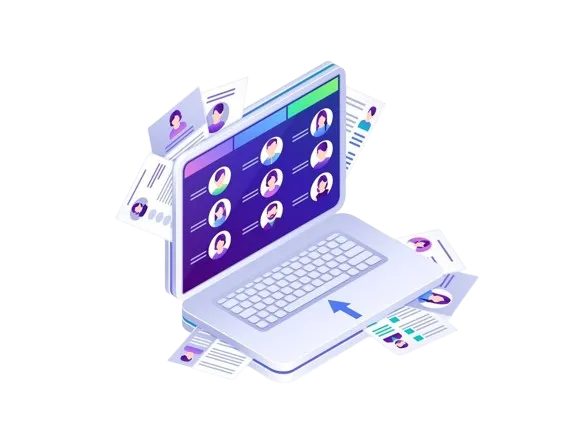
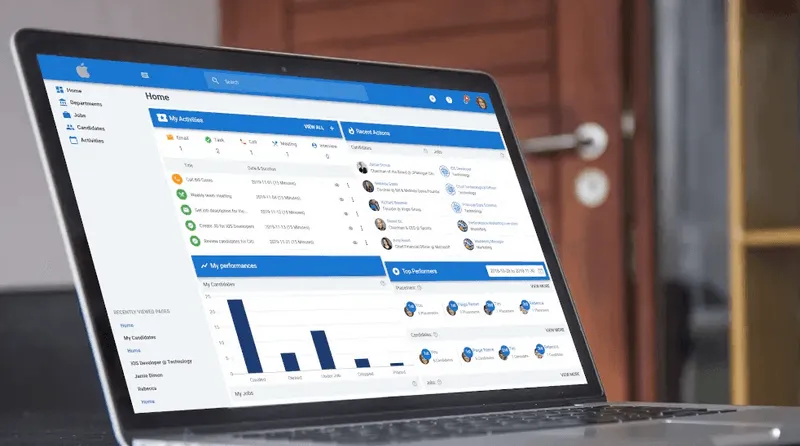
Here's a quick view of what that shift looks like in practice:
To set this up well:
- Install People-Match and define which roles require external sourcing versus inbound applicants, so recruiters focus effort where pipelines are weakest
- Standardize job descriptions inside Manatal before sourcing, since AI matching quality depends on structured role criteria
- Use tags and custom fields to segment candidates at intake, so AI recommendations later pull from clean, searchable pools
This setup ensures every candidate added is immediately usable, which makes ongoing engagement the next priority. That is the real value of talent pipeline automation. It turns candidate intake into a reusable recruiting asset instead of a one-time task.
2. Automated Candidate Nurturing
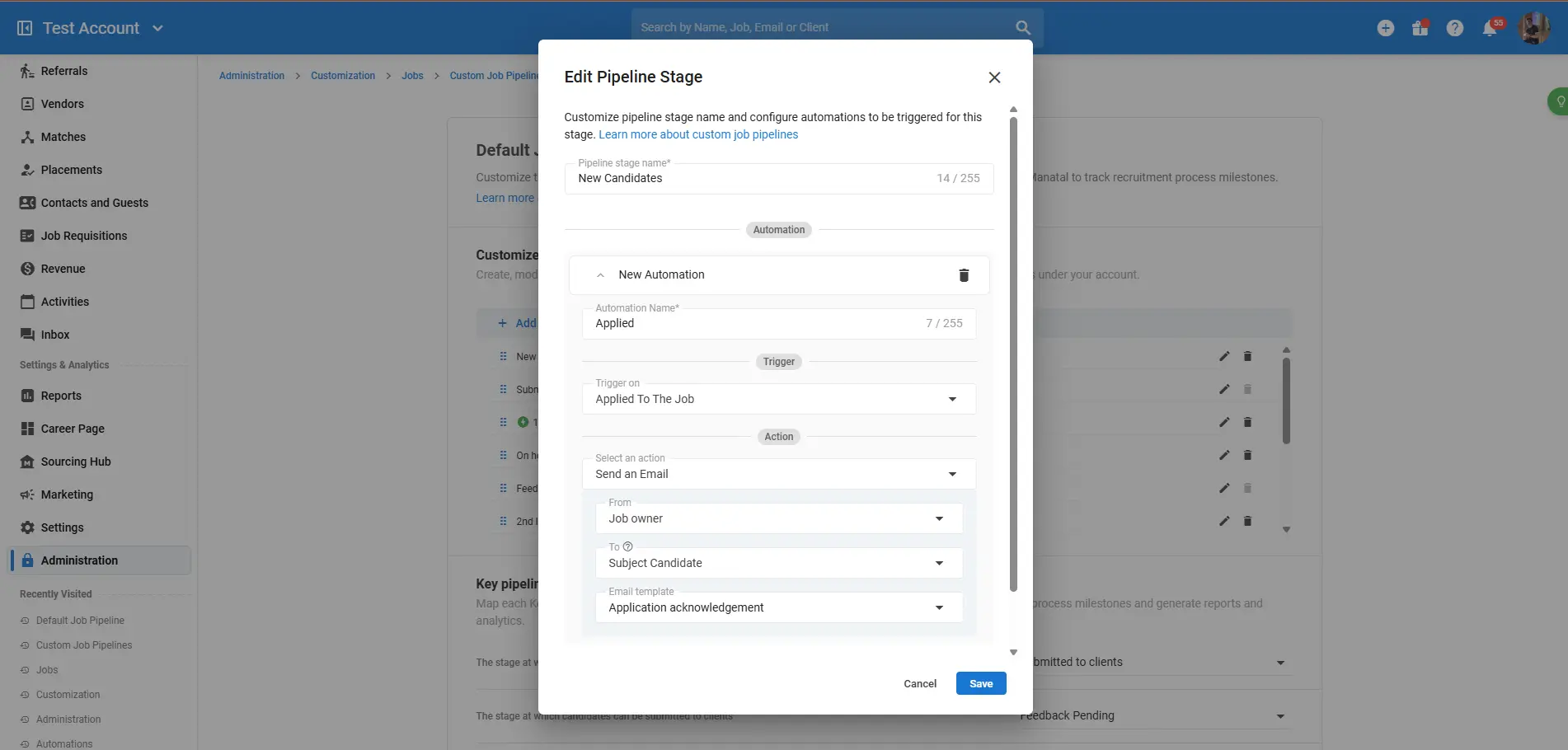
Once candidates are in the system, structure engagement directly in Manatal rather than relying on ad hoc outreach. Use its workflow automation at either the pipeline level or job level, then connect a trigger such as Applied To The Job, Move To, or Drop From to an email action. This type of automation works when each stage has a specific purpose, such as asking for documents, sending a branded nurture message, or re-engaging candidates who have gone quiet. Manatal's documentation also notes that email automations require a Gmail or Outlook integration and a prepared email template.
- Build one automation for each meaningful pipeline event, such as a new applicant entering the first stage, a candidate moving into nurture, or a drop event that should trigger a follow-up or exit email
- Use the sender setting to route emails from the user who triggered the action, the job owner, or a specific user, so the message context matches the stage and recipient
- Keep the content tied to the stage transition, not just the candidate list, so the email feels like a response to a real event in the process rather than a broadcast
- Review the automation logs to confirm each sequence is firing correctly, then use the log status and filters to spot failed or stalled workflows before they create gaps in candidate communication
A note on pipeline hygiene: Automated nurturing only works when the pipeline is clean. Candidates who accepted roles elsewhere, withdrew, or became unresponsive for extended periods should be flagged or archived rather than continuing to receive active outreach. Build a simple quarterly review into your workflow to remove or re-segment these profiles. A pipeline full of stale contacts is a liability.
{{cta}}
3. Automated Interview Scheduling
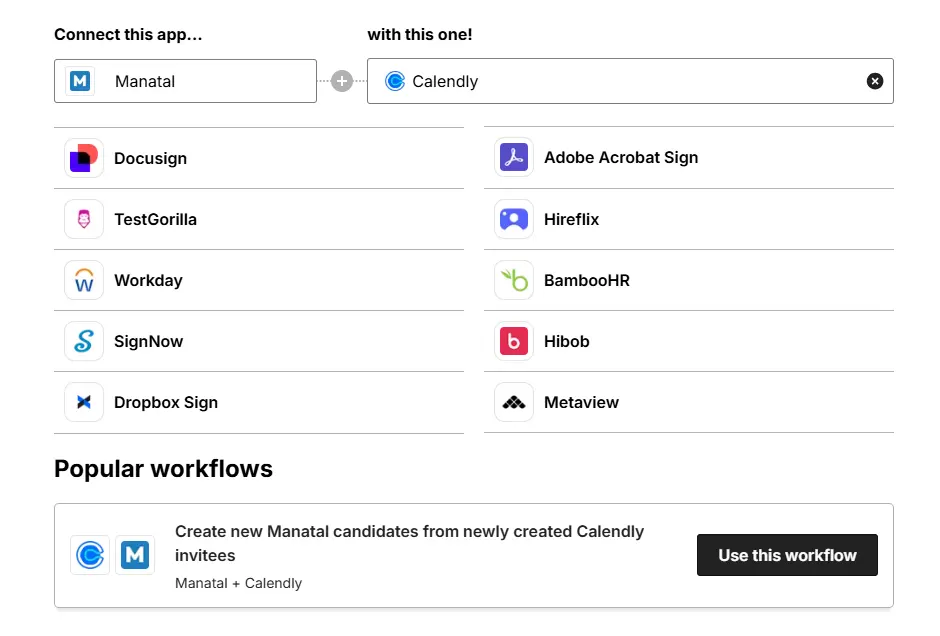
Once a candidate reaches the interview stage, move the handoff into Manatal and connect the calendars that already run your hiring team. Its email and calendar integrations include Google Suite, Microsoft 365 / Office 365, and Microsoft Teams. For teams that prefer a booking link, you can connect Calendly through Zapier so candidates can choose a time without you going back and forth.
- Connect each recruiter and interviewer calendar to Manatal first, then define interview availability around fixed time blocks so the system only offers real openings
- Use the interview stage as the trigger point, so moving a candidate forward automatically starts the scheduling flow instead of waiting for a recruiter to send options manually
- Send the candidate either a calendar invite through the integrated email account or a booking link through Calendly via Zapier, depending on whether you want recruiter-led or candidate-led scheduling
- Add reminders through the same calendar or scheduling tool so confirmations, time changes, and interview prep details stay attached to the event rather than living in separate threads
This keeps scheduling tied to the ATS record, reduces double-booking, and moves the process forward with less manual coordination.
How to Measure Whether Your Talent Pipeline Automation Is Working
Automation without measurement is just noise. These are the core KPIs that signal whether your pipeline is performing the way it should:
Sourcing efficiency: Time-to-shortlist (how quickly AI matching produces a usable candidate list after a job is opened) and source-of-hire breakdown to see which channels are feeding quality candidates versus volume.
Engagement health: Email open and response rates by nurture stage, and the percentage of candidates who progress from the pipeline to active consideration. If candidates are being added but not moving, the nurturing logic needs review.
Scheduling velocity: Average time between interview stage trigger and confirmed interview. If this number stays high after scheduling automation is live, check calendar availability settings and confirm the trigger is firing correctly.
Pipeline hygiene rate: Percentage of active profiles with valid consent status and up-to-date information. A clean, current pipeline is a usable pipeline.
Review these monthly at a minimum. The goal is to catch problems before they become patterns.
Conclusion
Talent pipeline automation gives hiring teams a repeatable way to move from reactive sourcing to a more reliable, proactive pipeline. Done well, talent pipeline automation reduces manual work, improves candidate experience, and keeps compliance and scheduling from becoming separate problems. The ability to leverage AI for candidate matching, nurture candidates at scale, simplify scheduling, and maintain compliance is now foundational for hiring teams operating at scale. The important thing is to implement it in layers, clean your foundation first, build trigger-based automation second, and let AI-driven intelligence sit on top of both.
Frequently Asked Questions
Q: What's the difference between trigger-based automation and AI-driven pipeline automation?
A: Trigger-based automation reacts to events you define, such as a candidate moving to a new stage or being dropped from a job, and fires a predetermined action like sending an email. AI-driven automation is proactive: it evaluates candidates against jobs, surfaces matches from your existing database, and flags pipeline gaps before you go looking. In Manatal, talent pipeline automation combines both layers; workflow automation handles the trigger-based side, while the AI Recommendation Engine and AI matching handle the proactive side.
Q: Does talent pipeline automation apply to CCPA, not just GDPR?
A: Yes. If your organization processes data from California-based candidates and meets CCPA's thresholds, you have obligations around the right to know, right to delete, right to correct, and, as of 2026, the right to opt out of automated decision-making. In practice, talent pipeline automation should apply GDPR-level controls across your entire candidate database, which will satisfy CCPA requirements in most scenarios.
Q: How do I know if my pipeline needs automation or better hygiene first?
A: Run a quick audit: What percentage of your active pipeline profiles have valid consent documentation? How many candidates in the nurture stages have been inactive for more than six months? If either number is high, fix the hygiene before adding automation. Otherwise, you're systematically reaching out to the wrong people with the wrong permissions. Clean first, then automate.
Q: How do I automate candidate sourcing and tracking efficiently?
A: Use Manatal as the central ATS, pull candidates in from job boards, LinkedIn, the career page, and other sourcing channels, then apply AI candidate enrichment and AI recommendations to parse profiles, fill missing data, and rank matches against the job. That keeps sourcing and tracking in one workflow instead of splitting it across spreadsheets and inboxes.
Q: How can talent pipeline automation improve the recruitment process?
A: Talent pipeline automation reduces manual screening, speeds up shortlisting, keeps candidate communication consistent, and makes it easier to reuse qualified talent for future roles. Manatal supports this with AI parsing and ranking, workflow automation, and integrated communication tools that cut down repetitive recruiter work.
Q: What tools or software are commonly used for talent pipeline automation?
A: Common tools include an ATS, AI resume parsing and matching, workflow automation, mass emailing, calendar integrations, and screening tools for assessments or interviews. Manatal supports this mix through its ATS, automation workflows, mass emailing, integrated calendar and email connections, and integrations with screening platforms like Hireflix, Hirevire, HeyMilo, and Alpharun.
Q: How does talent pipeline automation impact candidate experience?
A: Talent pipeline automation makes the process faster, more responsive, and less repetitive for candidates because communication, interview scheduling, and follow-up can happen automatically instead of waiting on manual recruiter action. In Manatal, that means more timely updates, easier interview booking, and more consistent communication across the pipeline.
Citations
.webp)






.webp)

.webp)


.webp)


