





According to ManpowerGroup’s 2026 Global Talent Shortage Survey, 72% of employers globally report difficulty finding skilled talent. The most severe shortages are reported in Slovakia (87%), Greece (84%), Japan (83%), and Germany (83%), while AI model & application development, AI literacy, engineering, and sales & marketing rank among the hardest-to-find skills. [1] To address these challenges, consider strategies to fill a position faster without compromising on quality. This also means employers may miss out on growth opportunities, innovation potential, customer satisfaction, and competitive advantage.
What Is Causing the Talent Shortage in 2026?
The talent shortage is driven by several factors, including demographic shifts, skills gaps, retention challenges, and barriers to workforce participation.
- Skills mismatch. Employers continue to struggle to find workers with the skills they need. SHRM’s 2026 Talent Trends found that 68% of HR professionals had difficulty recruiting full-time employees, while 80% struggled to find candidates with key systems and resource management skills. [2]
- Retention challenges. Finding new talent is only part of the problem. SHRM found that 42% of HR professionals experienced difficulty retaining full-time employees, increasing pressure on employers to retain existing talent while recruiting new workers. [2]
- Untapped workforce potential. The ILO estimates that 408 million people globally will be part of the jobs gap in 2026, meaning they want paid work but cannot access it. Women are also 24.2% less likely than men to participate in the global labor force. [3]
- Demographic shifts. Population aging and slower labor force growth are limiting the supply of workers, particularly in high- and upper-middle-income economies. As experienced workers retire, replacing specialized skills becomes more difficult. [3]
Talent Shortage Solutions
Broad advice on workplace flexibility cannot overcome structural workforce shortages. Successfully addressing these gaps requires organizing solutions around specific, actionable levers to guarantee complete coverage.
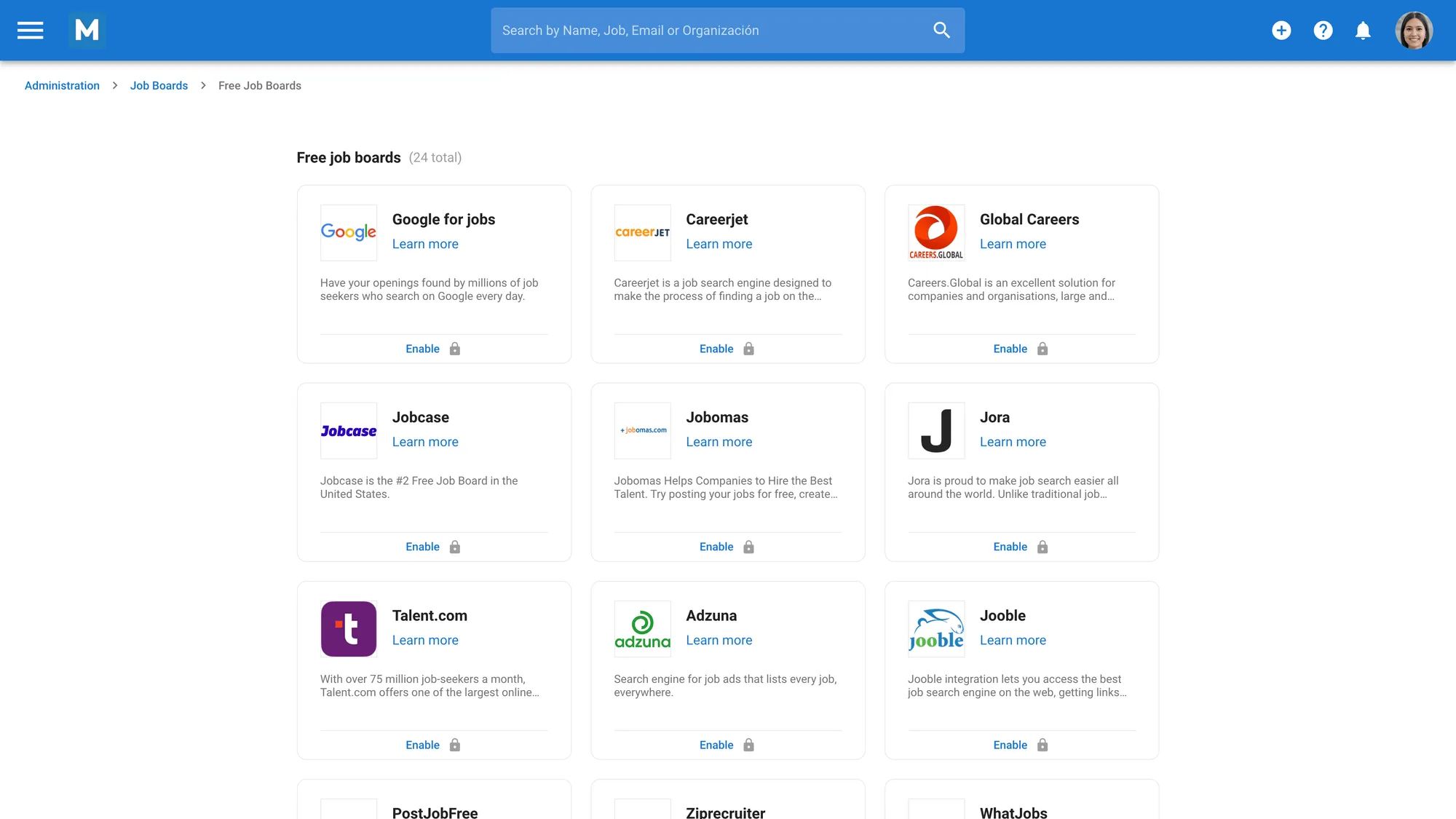
- Widen Your Reach: Use multichannel job distribution to publish openings across active, passive, and niche platforms simultaneously rather than relying on a single job board. Manatal's Job Distribution lets a team post a single job to 2,500+ free and premium channels, including Indeed, LinkedIn, Monster, ZipRecruiter, SEEK, and JobsDB, and manage sponsored campaigns from one place, which cuts the manual multi-posting that eats recruiter time.
{{cta}}
- Adopt skills-based hiring: LinkedIn Economic Graph data indicates that removing degree requirements can expand the candidate pool several times over. Instead of filtering on education, use structured skills assessments or work samples early in the process to identify candidates who demonstrate the required abilities.
- Build Internal Talent: Upskill and reskill current employees to fill specialized roles internally when external candidate supply is low. Implementing an effective internal recruiting strategy allows you to leverage existing skills and boost employee retention.
- Prioritize Retention: Offer competitive compensation, flexibility, and a strong workplace culture to minimize turnover and protect institutional knowledge.
- Accelerate Hiring Velocity: Speed is a competitive advantage when candidates have multiple offers. Compress screening timelines, reduce interview rounds, and shorten time-to-decision so you do not lose qualified candidates to faster-moving competitors. Audit your current process for unnecessary delays. Set target SLAs for each stage and measure actual performance against them.
How to Hire During a Talent Shortage
Translating strategy into action requires a concrete process. This workflow combines the reach, skills, and speed levers into an ordered sequence.
Starter stack:
- An ATS with multichannel job distribution as the backbone (Manatal)
- Job boards for reach (Indeed, LinkedIn)
- Recruitment assessment tools for skills-based screening
Step 1: Rewrite the Requisition for Skills
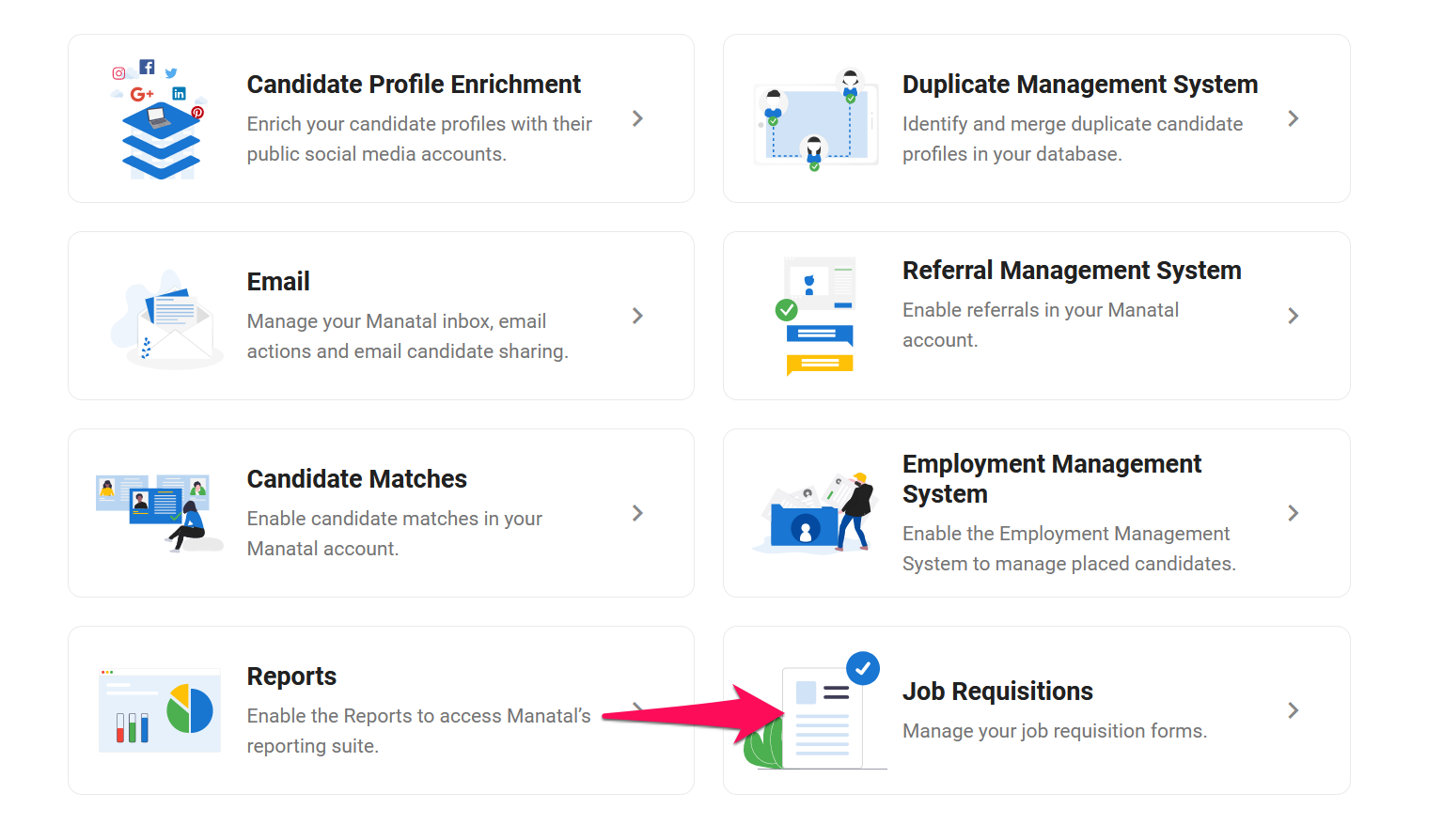
Strip degree requirements that are not genuinely needed. List the 3–5 must-have skills for the role. This single change opens the funnel to candidates previously filtered out by credential-based screens. Store and update these streamlined job descriptions directly in Manatal’s job requisition hub so all hiring team members align on skill requirements from day one.
Step 2: Distribute the Role to Many Channels at Once
Publish the job to multiple relevant channels rather than relying on a single board. Prioritize channels based on where your target skill set actually resides: technical communities for engineering roles, healthcare job boards for clinical positions, and generalist platforms like Indeed or LinkedIn. Instead of logging into dozens of sites manually, use Manatal’s multi-channel job distribution to publish your listing across multiple job boards and social networks with a single click.
Step 3: Add a Short Skills Assessment Early
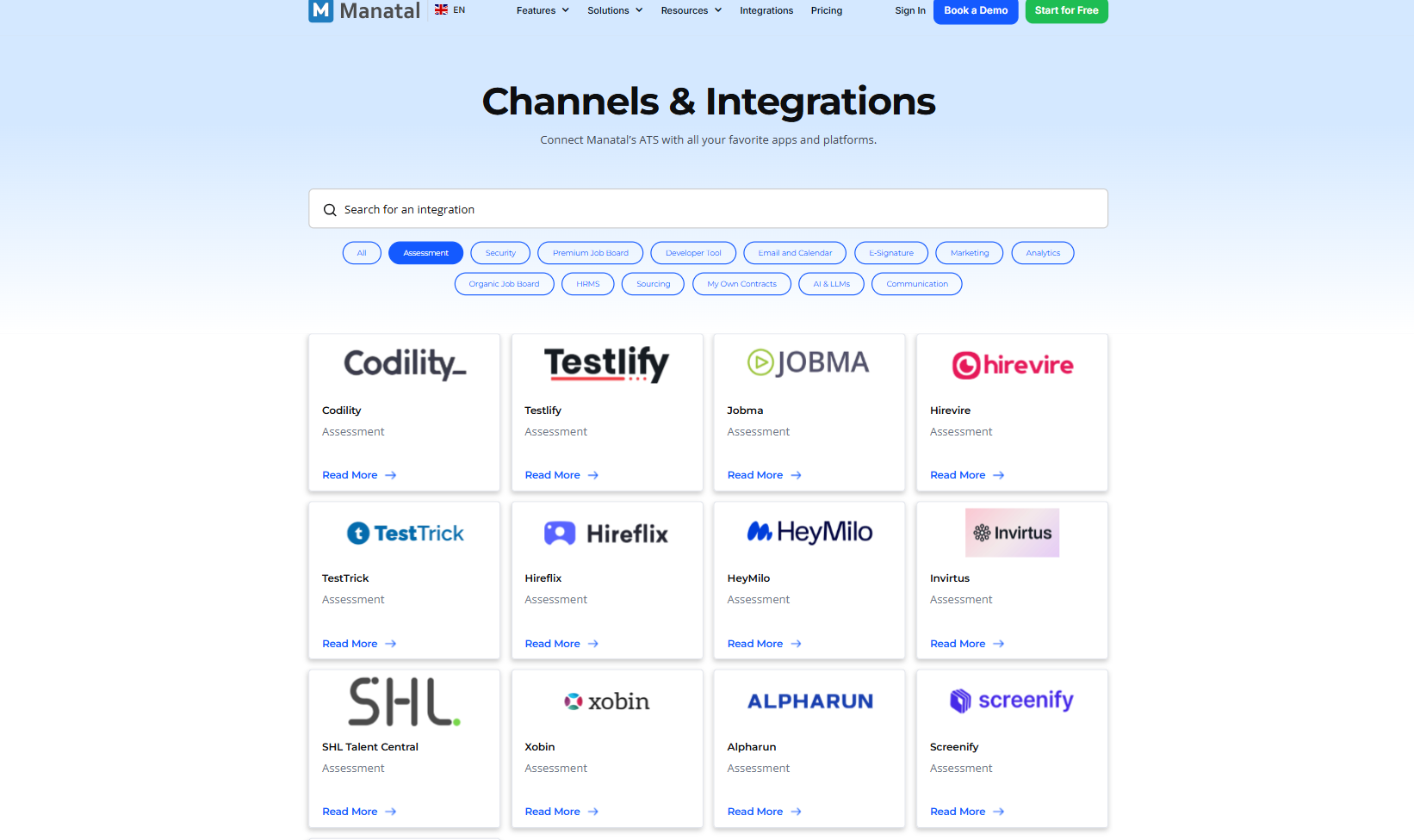
Include a skills assessment or work sample as an early screening step, using a tool such as Testlify. This screens on demonstrated ability rather than pedigree, widening the viable pool while giving you concrete evidence of candidate capability. If you are new to candidate assessments, start with one short, job-relevant test; you can add role-specific work samples later once the basic workflow runs. Seamlessly integrate Manatal with your assessment tools to automatically trigger tests when a candidate reaches a specific pipeline stage, consolidating test scores directly onto the candidate’s profile in Manatal.
Step 4: Compress the Process
Fewer interview rounds, scheduled quickly, with a target time-to-decision. Set internal SLAs for each hiring stage. Scarce candidates do not wait, so shorten cycles wherever possible. Leverage Manatal’s candidate tracking and automated workflows to schedule interviews, track approval statuses, and send reminders to keep the hiring team moving fast within your target SLAs.
Step 5: Keep Passive and High-Potential Candidates Warm
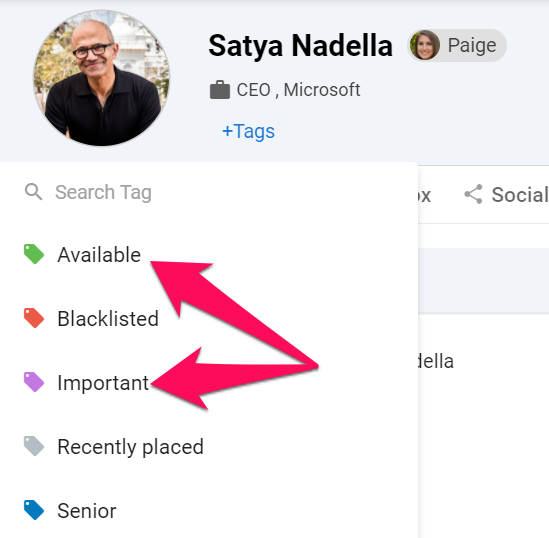
Strong candidates who were not selected for one role may fit the next. Store them in a talent pool and maintain periodic contact so you can re-engage quickly when a new requisition opens. To retarget or re-engage past candidates in Manatal, you can search and filter your existing database using custom tags, past job pipelines, and AI search tools to find qualified talent for new roles.
Conclusion
A complex mix of aging demographics, expanding skill gaps, technology shifts, and migration trends is fueling the 2026 talent shortage, creating sharp pressures in finance, manufacturing, and tech. Strategic responses should combine AI tools, internal upskilling, skills-based screening, and proactive collaboration. Steering clear of traditional recruitment errors and actively embracing inclusive practices allows organizations to secure the resilient talent needed for tomorrow.
Frequently Asked Questions
Q: Is there still a talent shortage in 2026?
A: Yes. ManpowerGroup's 2026 survey of 39,000 employers across 41 countries found that 72% report difficulty finding skilled talent. While down from 74% the previous year, the improvement reflects slightly cooled hiring demand rather than increased talent supply. The underlying structural gap persists.
Q: Is a talent shortage the same as unemployment?
A: No. Unemployment measures people without jobs who are actively seeking work. A talent shortage measures jobs without qualified people to fill them. Both can exist simultaneously: unemployment can be low while employers still cannot find candidates with specific skills.
Q: How can a small business compete for talent during a shortage?
A: Small businesses can compete by widening their reach, moving faster, and offering non-wage benefits. Highlight flexibility, career growth, and direct impact that smaller teams can offer. Make hiring decisions quickly while larger competitors move through bureaucratic approval cycles. Small teams can leverage Manatal's Single-Click Job Posting to instantly distribute listings across 2,500+ global and local channels to maximize reach without extra overhead.
Q: How do you retain employees during a talent shortage?
A: Retention during a shortage requires competitive pay, flexibility, and a strong employee experience. Conduct regular compensation benchmarking, offer remote or hybrid options where possible, and invest in career development. Every departure sends a scarce worker into a market where competitors can hire them.
Q: What's the fastest way to fill open roles during a talent shortage?
A: Combine reach with speed. Distribute roles to many channels at once, drop unnecessary degree requirements to widen your pool, use skills assessments to screen quickly, and compress interview timelines. Set internal SLAs for each stage and hold hiring managers accountable to them.
Citations:
.webp)







.webp)

.webp)


.webp)


