





A Deloitte and Manufacturing Institute report shows that nearly 1.9 million manufacturing jobs are projected to remain unfilled by 2033. This makes modern manufacturing recruitment a survival skill, especially since younger workers often view manufacturing as low-tech or limited in growth opportunities. They often avoid these roles due to concerns about digital maturity and work-life balance. [1]
To win, plants are ditching "post and pray" ads for aggressive, tech-driven sourcing. McKinsey research shows that AI and digital tools can deliver substantial productivity gains in manufacturing. [2] This guide provides the tactics to fill shifts and secure engineers in a competitive labor market.
Manufacturing Recruitment Trends in 2026
Before we take a look at the strategies, let’s take a look at the emerging trends in the industry. Manufacturing hiring looks very different today than it did a decade ago. Skilled labor shortages, an aging workforce, and the rise of automation have changed what manufacturers need from candidates and how they have to recruit them.
Key shifts shaping manufacturing recruitment:
- A shrinking skilled workforce: Experienced machinists, CNC operators, and other skilled trades professionals are retiring faster than new workers are entering the field.
- Higher technical skill requirements: Modern manufacturing relies on automation, robotics, and AI-assisted systems.
- A growing skills mismatch: The talent pool often lacks the hybrid technical skills manufacturers need.
- Traditional hiring channels underperform: Generic job board postings generate high application volume but rarely attract candidates with the right technical backgrounds.
- Competition for skilled candidates is intense; qualified candidates typically receive multiple offers.
Five Strategic Sourcing Channels for Manufacturing Talent
Manufacturing hiring works best when you combine multiple sourcing channels instead of relying on job boards alone. The strategies below focus on building repeatable pipelines and reaching candidates where they already are.
They also reflect how the industry is changing. As manufacturers invest in automation, electrification, and energy-efficient production lines, demand is rising for technicians who can support sustainability upgrades and modern industrial systems. That shift is expanding the candidate pool to include workers trained in energy systems, equipment retrofitting, and advanced maintenance.
1. Partnering with Trade Schools
To build a long-term talent pipeline, you need to target institutions that consistently produce industry-ready graduates. Here is a curated list of top trade schools and the resources to help you find more in your specific region.
Top Manufacturing Trade Schools (National Leaders)
These institutions are recognized for their state-of-the-art facilities and high job-placement rates in CNC machining, welding, and industrial maintenance.
- Ranken Technical College (St. Louis, MO): Widely considered the gold standard for Advanced Precision Machining. They maintain a nearly 100% placement rate and have some of the most robust industrial maintenance labs in the country.
- Wallace State Community College (Hanceville, AL): A "Rising Star" in manufacturing education. They are known for high-tech welding and mechatronics programs and have secured significant industry investment for their training equipment.
- San Jacinto College (Pasadena, TX): A top choice for manufacturing within the petrochemical and maritime industries. Their curriculum is co-developed with local industry giants to ensure "Day 1" readiness.
- Pennsylvania College of Technology (Williamsport, PA): An affiliate of Penn State, this school offers a unique blend of "trade-level" hands-on training with "engineering-level" technical depth in machining and industrial systems.
- Tennessee Colleges of Applied Technology (TCAT - Various Locations): Specifically, the Pulaski and Elizabethton campuses, which are nationally ranked for their CNC Machinist Technology and affordable certificate programs.
Why it works: Students graduate with the exact skills your facility needs, and early relationships position your company as their first employer choice. A handful of plants that moved from ad hoc visits to semester-long co-ops in 2025 reported higher retention in the first 12 months.
2. Building an Incentivized Referral Program
Employee referrals consistently outperform other sourcing channels in manufacturing because workers trust recommendations from people who understand the job.
How to structure the program
- Offer a cash bonus paid in two stages: the first payment at 30 days and the second payment at 90 days.
- Announce the program during shift meetings.
- Post physical reminders in break rooms or locker areas.
- Use a simple submission form to track referrals.
Why it works: Referrals bring candidates who already understand the shop floor environment and expectations.
3. Running Geofenced Social Media Ads
Many manufacturing candidates are not actively searching on job boards but can still be reached through targeted ads.
How to run the campaigns
- Use Facebook or Instagram to target workers within 10–15 miles of your facility.
- Filter by location, age range, and employment categories.
- Lead the ad with the wage rate, shift schedule, and one clear benefit.
When to use LinkedIn: For engineers, technicians, or supervisors, LinkedIn sponsored posts with job title targeting typically produce better results.
4. Leveraging Manufacturing Job Boards
General job boards generate large volumes of applicants, but industry-specific platforms often deliver more relevant candidates for technical roles.
Although applicant volume is lower, skill relevance is significantly higher, particularly for engineers, technicians, machinists, and specialized operators.
5. Presenting Manufacturing Roles to Attract Talent
The perception problem in manufacturing is fixable at the job description and content level. All you need to do is change what candidates see when they evaluate your roles. Specialised component manufacturers such as Promax, which produces pogo pins and spring-loaded contacts for consumer electronics, EV charging, and medical-device applications, exemplify the kind of high-precision employers that attract hardware engineers looking to work on tightly specified product lines rather than generic production runs.
Lead with technology and growth
Rewrite job descriptions to call out the machines, controls, and certifications candidates will use and earn. Example: CNC Production Technician rather than Machine Operator.
Produce short facility walkthroughs
Film 60–90 second videos that show the floor, the equipment, a supervisor describing team culture, and one employee talking about what they value. Post them on your careers page, on LinkedIn, and inside job ads. Candidates who see the environment before applying arrive with accurate expectations and stronger intent.
State stability and scheduling clearly
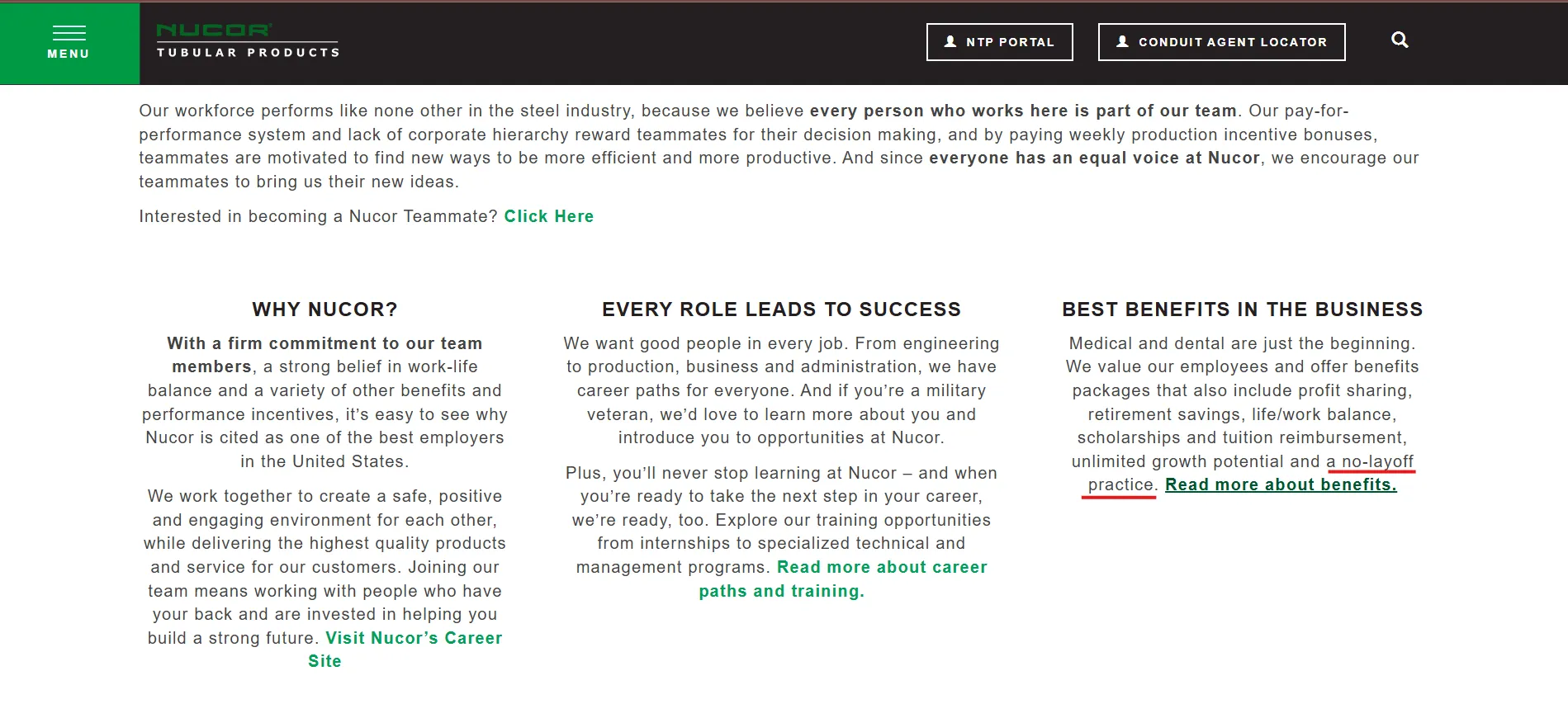
If you haven't had a layoff in five years, say it. If you offer guaranteed hours or predictable night-to-day rotation, put that in the ad.
Accelerating Manufacturing Hires with Manatal
Manufacturing is currently the fastest-hiring industry, with an average time-to-hire of 30.7 days, compared to 44.7 days in finance.[3] If your process takes longer, you lose the best talent to the facility down the street. Here is how to use Manatal to win that 72-hour race.
1. Build a Sustainable, Mobile-First "Front Door"
Don't waste time manually timing your application. Use Manatal to create a frictionless entry point that works 24/7.
- The Workflow: Deploy Manatal’s mobile-optimized career pages. They are designed to be completed in under two minutes without requiring a resume upload.
- The "Sustainability" Factor: Once the page is live, it automatically funnels every lead into your pipeline. No manual data entry or separate Google Forms required.
2. Hit the "2-Hour Window" with Integrated SMS
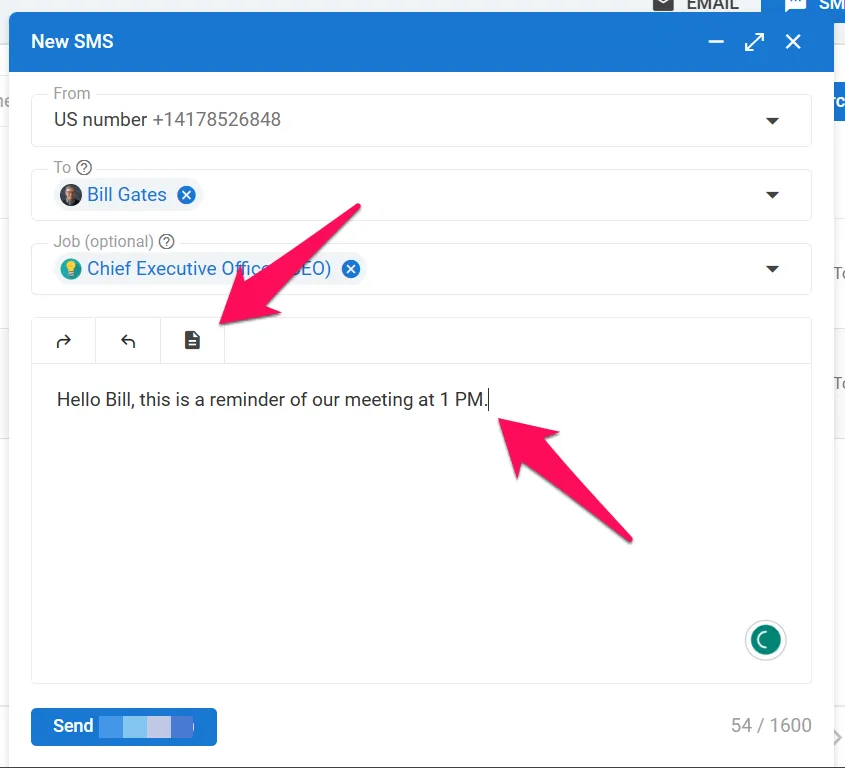
Many manufacturing candidates rarely check email during the workday, especially those already working shifts. A quick SMS often gets a response within minutes, which makes it one of the fastest ways to move applicants from application to interview.
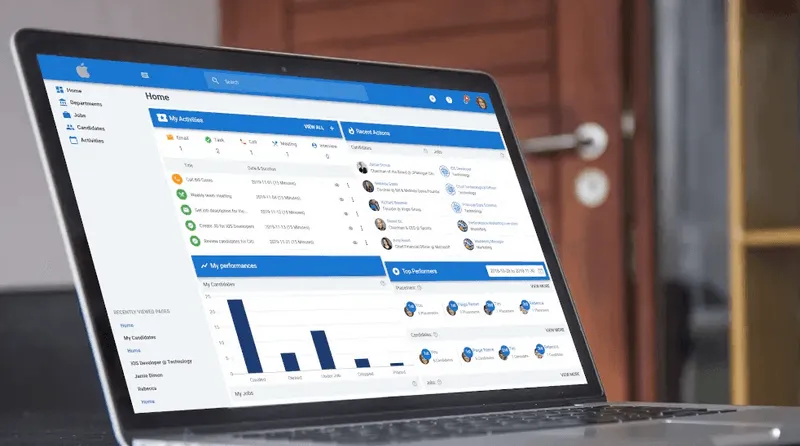
Manatal allows you to send SMS messages directly from inside the ATS once the SMS feature is enabled. You can send messages from the candidate profile, the inbox, or the job pipeline, without switching tools.
Basically, you can use SMS to:
- Send immediate follow-ups after an application, confirming that the application has been received
- Ask quick screening questions, such as shift availability or commute distance
- Confirm interview slots without long email threads
- Re-engage past candidates who previously applied for similar shop-floor roles
Manatal also supports SMS templates, which help you send consistent outreach messages while automatically inserting candidate details.
For high-volume manufacturing hiring, this keeps communication short, fast, and organized inside the ATS, while dramatically reducing the time it takes to move candidates from application to interview.
Note: SMS messaging in Manatal currently supports sending and receiving messages in Canada, the United States, Australia, and the United Kingdom.
3. Use AI to Skip the Manual Sifting
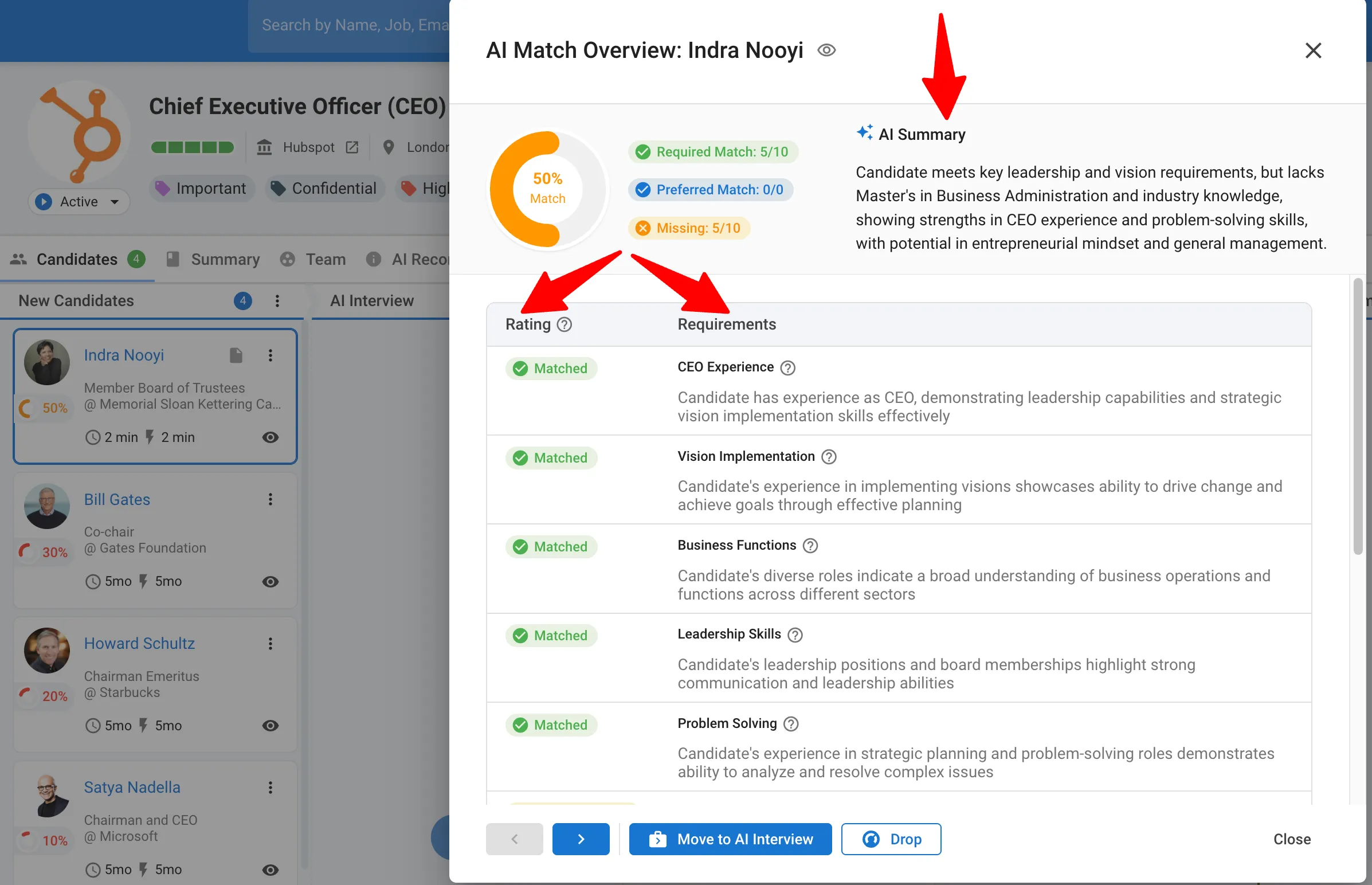
Manual screening is the biggest bottleneck in high-volume hiring. Manatal's AI recommendation engine acts as your first-round filter to keep the line moving.
- Instant Shortlisting: The AI scores candidates against your specific requirements (such as CNC machining, forklift certs, or shift flexibility) and surfaces the top matches immediately.
- The 15-Minute Screen: Spend your time calling only the AI-ranked "Top Matches." Use these short calls to verify three things: their shift availability, their transportation reliability, and why they want to work in your specific facility.
- Faster Decisions: Focus on candidates with the highest-scoring talent and move them from application to a phone screen in hours rather than days.
For blue-collar and gray-collar roles, where resumes are often short or inconsistent, Manatal’s candidate enrichment can surface true technical signals (tools, certifications, project descriptions) that would otherwise be missed
4. Rediscover "Pre-Warmed" Talent
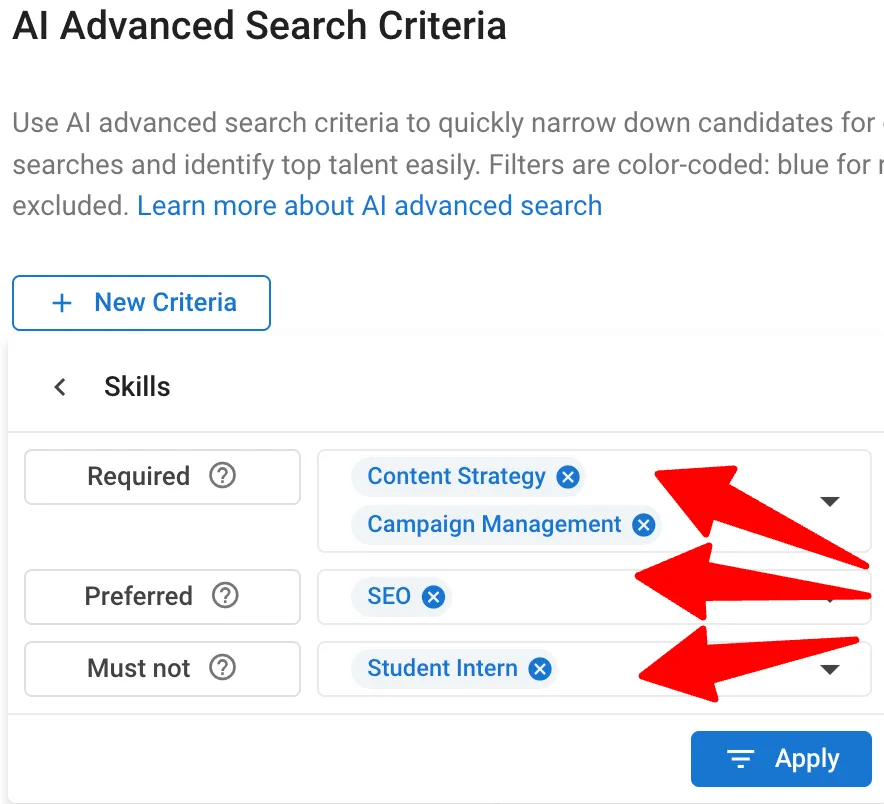
Don't pay for a new job ad until you've checked the people who applied six months ago. Maybe they weren't right then, but they are right now.
- The Action: Use Boolean search and filters to instantly pull up every candidate in your database who lives within 20 miles and is tagged with the right skills.
- The Advantage: You can fill a role in 24 hours just by sending a bulk text to a group of "pre-qualified" people you already have on file.
{{cta}}
Retention Starts at the Recruitment Stage
Replacing a single line worker costs an estimated one-third to one-half of that role's annual salary when you account for sourcing, onboarding, and productivity loss. Reducing turnover starts with who you hire and how you set expectations from day one.
During the hiring process, assess schedule fit and reliability alongside technical skill. Ask candidates directly about their preferred shift, their commute, and prior attendance history. These conversations surface mismatches before an offer is made.
Use the first 90 days as a structured retention window.
New Hire 90-Day Retention Checklist:
Employees who receive structured onboarding are significantly more likely to remain past the six-month mark.
Conclusion
The workforce is aging, required skills are becoming more specialized, and candidates have more options than they did five years ago. The operations that consistently fill roles run faster processes, source from relevant channels, and present manufacturing accurately to candidates evaluating their options. Start by mapping your application flow from the candidate's perspective on a mobile device. That exercise alone will show you where you are losing people.
Frequently Asked Questions
Q: What is manufacturing recruitment?
A: Manufacturing recruitment is the process of sourcing, screening, and hiring candidates for production, operations, engineering, quality, and logistics roles within manufacturing organizations. It covers both high-volume hourly hiring and specialized technical hiring.
Q: Why is manufacturing recruitment difficult in 2026?
A: The primary challenge is a structural skills gap driven by an aging workforce, accelerating automation, and a perception problem that discourages younger workers from entering the sector.
Q: What are the most effective sourcing channels for manufacturing roles?
A: For line worker and shift roles, geofenced social media ads and employee referral programs consistently outperform general job boards. For technical and engineering roles, niche platforms like iHireManufacturing and LinkedIn produce higher quality applicants. Trade school partnerships build long-term pipeline for both role types.
Citations:
.webp)







.webp)

.webp)


.webp)


