





Some roles are so rare and specialized that they seem to exist only on paper. When recruiters are tasked with filling one of these uncommon positions, traditional recruiting methods completely fall flat, leaving critical projects stalled and teams scrambling. This is the "purple squirrel" problem, and it affects every recruiter who sources for a niche role. Niche recruiting requires a fundamentally different approach: one that shifts your strategy from passive inbound postings to targeted, outbound talent acquisition built on precision sourcing, AI-powered matching, and community engagement.
What Is a Niche Role?
A niche role is a position where you need a candidate who holds two or three overlapping specializations that relatively few professionals worldwide possess. The challenge is not that applicants are scarce because of compensation; it is that the talent pool is structurally tiny. For example, quantum computing cryptography specialists are difficult to hire because the field is still emerging, and the talent pool remains limited. Niche roles sit at the intersection of emerging disciplines, rare certifications, and domain-specific regulatory knowledge.
Other examples of niche roles in 2026:
- AI Ethics Compliance Officer: combines legal expertise, machine learning literacy, and regulatory policy experience.[1]
- Autonomous Vehicle Safety Auditor: requires automotive engineering credentials plus federal safety certification knowledge.[2]
- Specialized Green Energy Engineer: blends electrical engineering, environmental science, and utility-scale project management.[3]
- Clinical Bioinformatics Scientist: merges genomics data analysis with clinical research protocols.[3]
Niche talent acquisition starts with recognizing that standard Applicant Tracking System (ATS) workflows are often insufficient on their own.
Four Strategies for Niche Recruitment
Effective niche recruitment follows a structured, repeatable process. Each step builds on the previous one to compress your sourcing cycle and improve candidate quality.
Strategy 1: Use Hyper-Targeted Boolean Search and X-Ray Sourcing
Boolean search and X-Ray strategies let you find niche candidates on platforms they use daily. Start with the platforms where your target professionals publish work, answer questions, or maintain profiles.
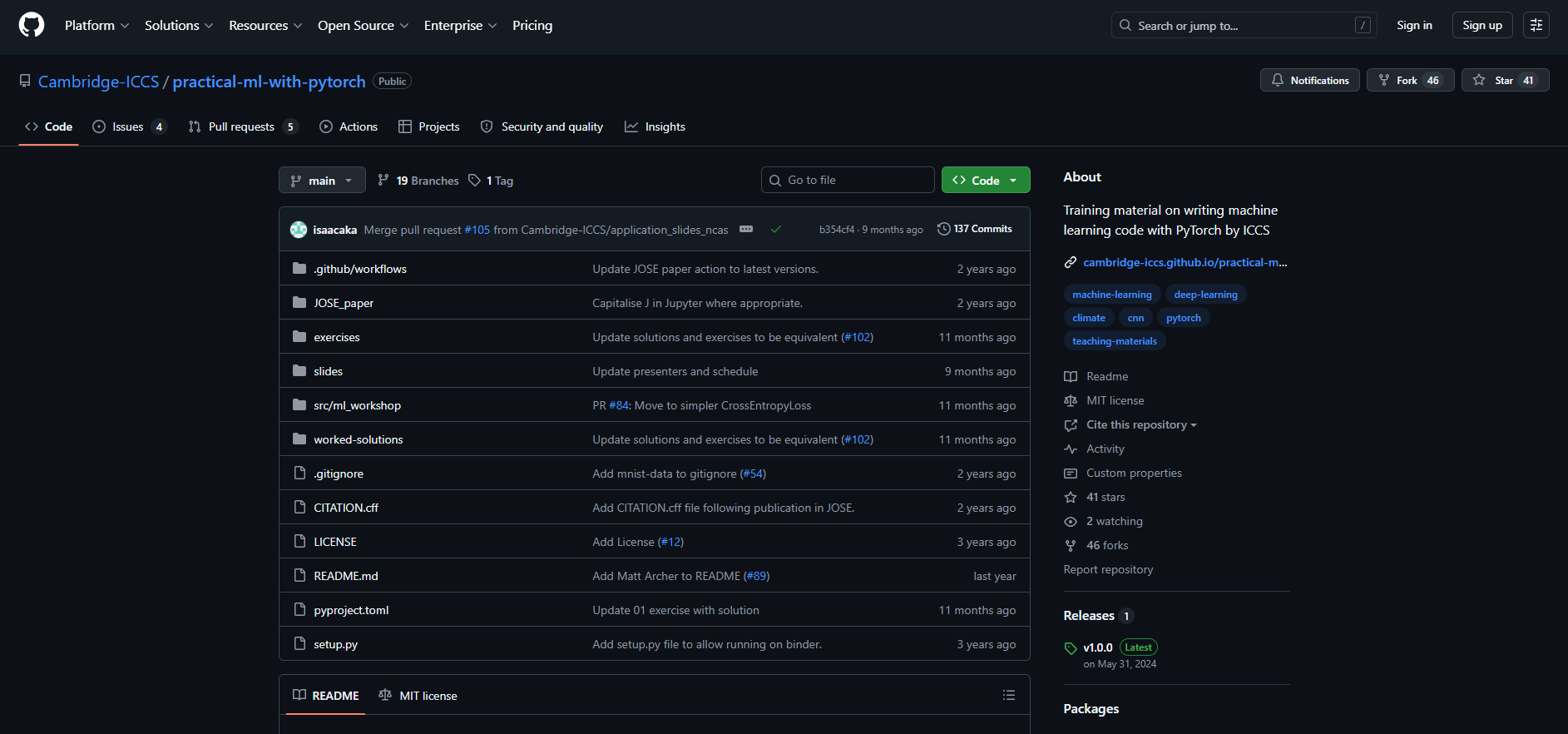
GitHub (for technical roles): Search repositories and contributor profiles filtered by language, framework, and activity. Boolean strings let you target developers who actively commit code in a specific stack.
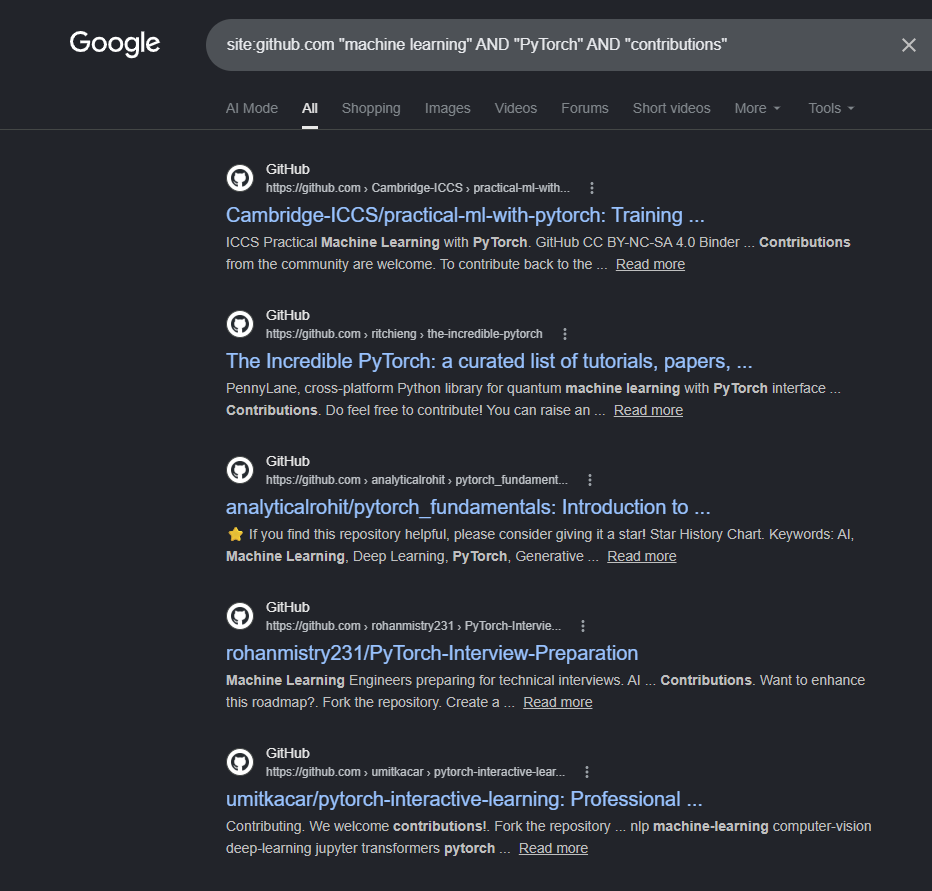
Google X-Ray for LinkedIn: Use Google's “site:” operator to find LinkedIn profiles that standard LinkedIn search filters miss. This technique can uncover profiles that may be harder to find using LinkedIn's native search tools.
Specialized directories: Professional registries, certification databases, and industry association member lists contain verified credential data that no general job board provides. Search these directories for certified professionals in your target discipline.
For a deeper breakdown of Boolean operators and advanced search syntax, read the Boolean search recruiting guide.
Strategy 2: Replace Boolean with AI
For rare positions, candidates may not always use the correct keywords or terms on their profiles. This forces recruiters into endless cycles of manual work, checking variations of keywords against a pile of resumes.
Manatal’s AI Advanced Search engine analyzes specific role requirements by combining traditional filters with intelligent semantic search. Candidates are then scored based on contextual meaning rather than exact keyword matches alone. Additionally, users can adjust the settings within the feature to prioritize or exclude the specific certifications, years of experience, or technical skills required for the position.
{{cta}}
Strategy 3: Post on Niche Job Boards
Generalist job boards may make it more difficult for niche roles to stand out among a large volume of listings. Specialized boards put your opening directly in front of pre-qualified candidates.
- Dice: technology roles across software engineering, data science, and IT infrastructure
- Health eCareers: healthcare positions spanning clinical, administrative, and allied health disciplines
- Rigzone: oil, gas, and energy sector roles
- ClearanceJobs: security-cleared positions in defense and government contracting
- Wellfound: startup and early-stage technology roles
Posting across multiple niche boards manually adds significant overhead. Candidate sourcing automation through Manatal's multiposting feature distributes your listing to 2,500+ boards from a single interface, including niche and regional boards you may not have discovered on your own.
Strategy 4: Use a Peer-to-Peer Interview Process
Generalist HR interviewers may be less equipped to assess deep technical expertise without support from subject matter experts (SME). Pair every niche candidate with an internal SMEs who works in the same discipline.
- Structure a technical assessment panel: Assign at least one SME to each interview loop. Provide the SME with a structured scorecard that maps directly to the role's core technical requirements.
- What to expect: SME involvement improves assessment accuracy because the interviewer speaks the candidate's professional language. Candidates also respond more positively when they meet a future peer rather than a generalist screener.
- Synthesize the data: After SME interviews, use Manatal's AI candidate scoring to compare structured feedback across interviewers and generate a composite ranking that combines technical assessment with skills-match data.
Niche Recruitment Boolean Search Cheat Sheet
Boolean search strings can provide highly targeted search results on platforms where niche candidates are active. Use these templates as a starting point and customize them for your role.
1. GitHub: Finding Developers With Specific Framework Experience
site:github.com "machine learning" AND "PyTorch" AND "contributions" -site:github.com/topics
2. Google X-Ray for LinkedIn: Finding Profiles Not Visible in Standard Search
site:linkedin.com/in/ "quantum computing" AND "PhD" AND ("IBM" OR "Google" OR "Rigetti")
3. Specialized Directory: Finding Certified Professionals
site:isaca.org OR site:isc2.org "CISSP" AND "cloud security" AND "director"
4. Google X-Ray for GitHub: Finding Contributors by Skill and Location
site:github.com "Rust" AND "embedded systems" AND "San Francisco"
5. Google X-Ray for Research Databases: Finding Published Experts
site:scholar.google.com "CRISPR" AND "gene therapy" AND "clinical trials"
Boolean strings work, but they demand constant tuning, exact syntax, and manual cross-referencing. Manatal's AI Advanced Search combines semantic relevance scoring with traditional filters and Boolean logic in a single interface. You describe the niche role requirements in plain language, and the engine returns ranked candidates matched at the requirement level, reducing reliance on complex Boolean syntax.
Conclusion
Filling a niche role requires targeted Boolean sourcing, active presence in specialized communities, and AI-powered matching to replace manual screening. Layer these channels into a repeatable system, automate the repetitive work with tools like Manatal's candidate sourcing automation, and involve Subject Matter Experts in every interview loop. The recruiters who fill niche roles consistently treat sourcing as a structured process, not a one-off search.
Frequently Asked Questions
Q: How long does it take to fill a niche role?
A: The industry average time-to-hire sits at 44 days [3], but niche roles routinely take 60 to 90+ days because of the limited candidate pool and extended vetting cycles. You may be able to shorten that timeline by automating parts of the sourcing process with tools such as Manatal's AI Recommendations, which scores and ranks candidates against niche requirements in seconds rather than days of manual screening.
Q: What is the difference between niche recruiting and general recruiting?
A: General recruiting relies on high-volume inbound applications from job boards and career pages. Niche recruiting flips that model: you proactively source passive candidates through targeted outbound strategies, specialized communities, and AI-powered matching tools. Manatal supports both workflows, but its semantic matching and 700M+ profile Sourcing Hub are purpose-built for the thin-market conditions that define niche recruitment.
Q: How do you measure success in niche talent acquisition?
A: Track three metrics: time-to-fill (target a measurable reduction from your baseline), quality-of-hire (retention at six and 12 months), and sourcing channel effectiveness (which channels produce candidates who reach the offer stage). Manatal's customizable reporting dashboards let you monitor these KPIs per role, per channel, and per recruiter so you can identify which niche sourcing strategies deliver results and which to cut.
Citations
.webp)








.webp)

.webp)


.webp)


