





A single job post rarely attracts qualified candidates and often leads to a higher cost per hire and slower hiring. You need to use multiple recruitment methods to reach both active and passive talent. Each method serves a different purpose. Job boards generate volume. Employee referrals deliver high-quality candidates. And talent sourcing reaches specialists who are not actively applying. The key is to combine recruitment methods that match your hiring budget, timeline, and role requirements, then track which channels produce qualified candidates. This guide explains the recruitment methods that work in 2026 and how you can use them to fill roles faster and build a stronger talent pipeline.
Choosing the Right Recruitment Methods for Your Team
The six methods below cover the full range of sourcing approaches, from low-cost passive channels to high-investment targeted outreach. Each requires a different mix of time, budget, and internal capability.
Direct Job Board Advertising
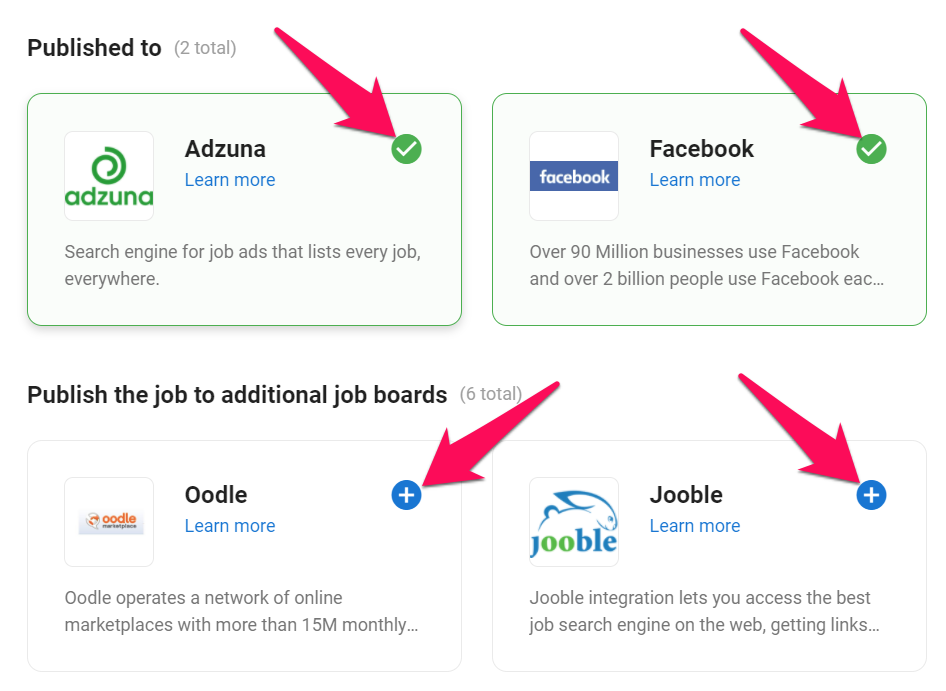
Share your jobs on more than 2,500 free and premium channels.
To improve applicant quality, allocate a portion of your job board budget to niche platforms specific to the role or industry, such as tech job boards. A DevOps position, for example, is more likely to attract relevant candidates on Stack Overflow Jobs or Dice than on a general aggregator, even if total reach is smaller.
If you are using an ATS like Manatal, you can simplify this process by enabling its built-in free job board distribution. This feature allows you to publish a single job posting and automatically distribute it to more than 2,500 job boards and channels, reducing manual posting time while expanding reach.
Post the role on the niche platform first and run it for a few days. If applications fall below your target volume, expand distribution to general job boards or push the listing to additional platforms directly through your ATS.
Social Recruiting and Employer Branding

Social media recruiting requires a consistent employer presence so passive candidates encounter your company before they begin actively searching for a job.
Assign one team member to manage your company’s presence on LinkedIn. Publish at least three posts per month:
- One employee story
- One insight from the hiring team
- One role-focused post explaining the problem the new hire will solve
When potential candidates engage with your content or view your job posts, recruiters can capture and enrich promising profiles directly from LinkedIn. For example, Manatal’s LinkedIn Chrome Extension allows you to add a profile to your ATS in a single click, supporting both instant sourcing and deep candidate enrichment. This ensures your team captures comprehensive data points while building a high-quality pipeline from social media interactions.
Platforms such as Instagram and TikTok skew heavily toward younger demographics. The majority of their users are under 35, making them particularly effective channels for reaching early-career candidates and younger talent pools.[1]
This channel builds momentum gradually. Early engagement signals may appear within a few months, but measurable hiring outcomes typically emerge after 6 to 12 months of consistent activity. Over time, stronger employer brand visibility can increase inbound candidates and reduce reliance on agencies and outbound sourcing.[2][3]
Employee Referral Programs
Referral hires often outperform job board hires in both retention and ramp time. Research by Connexus Recruit shows referred employees are about 45% more likely to stay with an organization beyond two years, and they are typically hired faster than candidates sourced through job boards or career sites.[4]
Remind your employees quarterly about the referral program. Send a direct message via Slack or email to your top-performing employees, listing the roles currently open. Include the referral incentive in the same message to reduce friction.
Talent Pool Reactivation
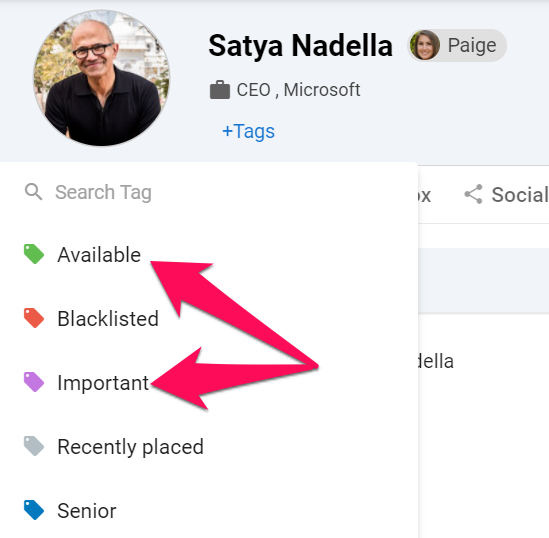
Most ATS databases contain candidates who reached the final interview stages but were not hired. These candidates are already screened and familiar with your company.
Manatal enables you to categorize finalists with custom candidate tags or statuses, then leverage smart filters and bulk actions to instantly re-engage them. This allows you to launch campaign-style outreach to your most qualified talent pools the moment a similar role opens, transforming a static database into an active, high-conversion pipeline.
Send a short message referencing the role they previously applied for and introduce the new opening. Because the candidate already knows your company, response rates are typically much higher than cold outreach.
{{cta}}
Recruitment Agencies and Recruitment Process Outsourcing (RPO)
External agencies are most useful in two situations:
- The role requires specialized expertise your internal team lacks
- The time-to-fill target is under three weeks and internal capacity is limited
Retained search firms are often used for senior or executive roles where access to passive candidates matters more than cost efficiency.
RPO works well for temporary high-volume hiring when you need additional sourcing capacity without adding permanent headcount.
Before signing an agreement, require two protections:
- A written commitment on shortlist delivery timelines
- A replacement guarantee of at least 60 days
Avoid exclusivity clauses unless the agency has proven experience in your industry.
Campus and Graduate Recruiting
Campus recruiting works best for roles where potential matters more than prior experience. It also requires advance planning.
Build relationships with two or three university career centers at least four months before your hiring window. Pair this with a structured internship program designed to convert interns into full-time hires.
Recruitment Assessment Methods
Once you’ve sourced a strong candidate, the focus shifts to assessment methods that predict job performance. The goal is to identify candidates whose skills, behavior, and working style align with the role and your organization. The stakes are high: research from the Society for Human Resource Management shows that replacing a bad hire can cost up to five times an employee’s annual salary, making a structured selection process essential.[5]
Screening: Initial Filtering
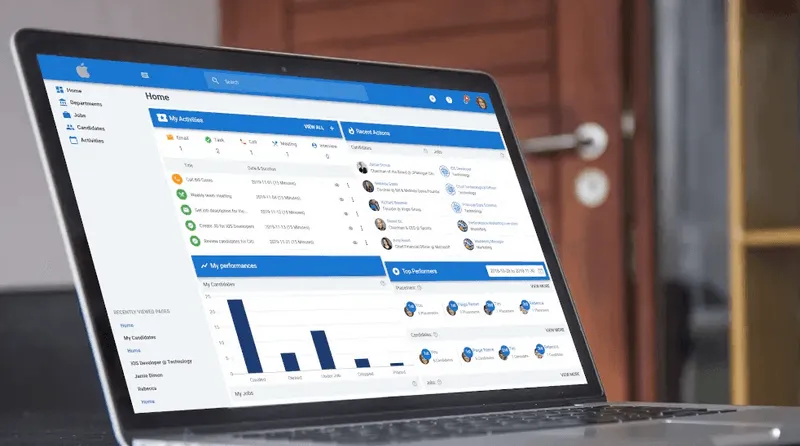
Modern ATS platforms use resume parsing to extract candidate data automatically. This speeds up the initial screening stage. Manatal’s AI scoring takes it further, utilizing profile enrichment and historical matching to evaluate candidates beyond basic keyword density. Recruiters can then focus on the applicants most likely to meet the role requirements based on deep contextual fit rather than simple ranking.
Interviews: Evaluating Candidate Potential
Structured interviews consistently outperform unstructured ones in predicting job performance.
A structured interview uses:
- A standard set of questions
- A consistent scoring rubric
- Behavioral or situational prompts
This format reduces bias and ensures every candidate is evaluated against the same criteria. Hiring managers should be trained to apply the scoring framework consistently.
Skills Testing: Verifying Competencies
Work sample tests evaluate a candidate’s ability to perform real tasks from the job.
Examples include:
- Coding exercises for developers
- Writing samples for content roles
- Sales presentations
- Analytical or problem-solving tasks
Skills-based hiring is becoming standard practice. By 2024, 81% of US employers were using skills-based hiring methods, focusing on demonstrated ability rather than credentials.[6]
Psychometric and Behavioral Assessments: Beyond Technical Skills
These assessments measure traits such as cognitive ability, personality, and behavioral tendencies.
They help evaluate:
- communication style
- problem-solving approach
- leadership potential
- team compatibility
The goal is not to hire people who all think the same. Instead, focus on cultural alignment while maintaining diversity of perspective and experience.
The Right Hiring Strategy
Developing a comprehensive recruiting strategy requires careful consideration of your organization's unique needs, resources, and objectives. A well-defined strategy ensures that your efforts are efficient, effective, and aligned with overall business goals.
To guide your decision-making, consider a "Decision Matrix" approach based on your primary constraints: budget and time.
- Low Budget / High Time Available: In this scenario, prioritize leveraging internal resources and free or low-cost channels. Focus heavily on optimizing your company’s careers page, utilizing organic social media for employer branding and sourcing, and empowering your existing employees through a robust Employee Referral Program. While time-intensive, this approach builds strong internal capabilities and a sustainable talent pipeline.
- High Budget / Low Time Available: When speed is of the essence and budget is less of a concern, strategic outsourcing and paid advertising become primary tools. Engaging specialized recruitment agencies (headhunters for executive roles, RPOs for volume hiring) can significantly accelerate the process. Invest in programmatic advertising for targeted reach and consider premium job board placements. This strategy maximizes efficiency by leveraging external expertise and advanced tools.
- Niche Role / Specialized Skills: For highly specific or hard-to-fill roles, a targeted approach is paramount. This often involves a combination of expert headhunting to access passive candidates in exclusive networks and placing advertisements on highly specialized niche job boards frequented by the desired talent. The focus here is precision and leveraging deep market intelligence.
Regardless of the specific combination of methods chosen, a successful recruitment strategy is built on clear communication, a focus on candidate experience, and a commitment to finding candidates who not only possess the necessary skills but also align with the company culture. The ultimate goal is to build a talent pool that supports the long-term success of the organization.
Conclusion
Effective hiring requires a clear recruitment strategy. You choose sourcing channels based on role difficulty, budget, and hiring timeline. Use job boards for reach, referrals for quality, and sourcing tools to reach passive specialists. Track which channels produce qualified candidates and hires. Strong selection methods reduce hiring risk. Use structured interviews and work sample tests to measure job skills. Skills-based hiring continues to expand, reflecting a shift toward evaluating candidates based on demonstrated competencies rather than credentials alone. Candidate experience also affects outcomes. As research shows that the hiring process is the biggest factor influencing whether candidates accept a job offer, aside from pay. So, focus on fast communication, clear evaluation criteria, and consistent screening. Combine sourcing, structured assessment, and measurable hiring data to build a reliable talent pipeline and improve long-term hiring performance.
Frequently Asked Questions
Q: What are the most effective recruitment methods for attracting top talent?
A: The most effective recruitment methods combine targeted sourcing with broad visibility. Job boards attract active job seekers, especially when you use niche platforms aligned with the role. Social recruiting helps you reach passive candidates who are not actively applying. Employee referral programs often produce strong candidates because employees recommend people they trust. Proactive sourcing through professional networks and maintaining a talent pool also helps you engage qualified candidates before roles open.
Q: How does social media play a role in modern recruitment methods?
A: Social media helps you reach both active and passive candidates. Platforms like LinkedIn allow you to search for candidates by skills, experience, and location for targeted outreach. Other platforms help you show company culture, employee experiences, and workplace environment. This strengthens your employer brand and gives candidates context about your organization. Social media also allows direct engagement through job posts, messages, and comments.
Q: What are the advantages and disadvantages of using online recruitment platforms?
A: Online recruitment platforms let you publish jobs quickly and reach a large candidate pool. Built-in filtering tools help you sort candidates by qualifications or keywords. The main drawback is application volume. Popular platforms often attract many unqualified applicants, which increases screening time. Competition is also high because many employers recruit from the same platforms.
Q: How do recruitment agencies differ from other recruitment methods?
A: Recruitment agencies act as external recruiters who source, screen, and present candidates to you. They rely on their own databases and industry networks, which helps them fill specialized or senior roles faster. This reduces the workload on your internal team during early screening. The main drawback is cost, since agencies typically charge placement fees.
Q: What role do employee referrals play in the recruitment process?
A: Employee referrals bring candidates through your employees’ professional networks. Referred candidates often move faster through hiring because they come with an internal recommendation. Referrals can reduce sourcing costs and improve candidate fit. However, referral programs depend on employee networks, so they should complement other sourcing methods rather than replace them.
Citations:
.webp)







.webp)

.webp)


.webp)


