


Global hiring in September 2026 is defined by a widening gap between economic performance, labor availability, and future skill requirements. As labor markets navigate uneven sector growth, AI-driven skill obsolescence, and rapid technical infrastructure expansion, talent acquisition leaders must modernize their recruitment frameworks. Legacy sourcing methods and generic keyword matching are no longer sufficient; organizations must embrace skills-based hiring, flexible talent models, and automated recruitment intelligence to stay competitive.
4 Core Market Shifts
In our Recruitment Trends Report (September 2026), we have identified four major market shifts:
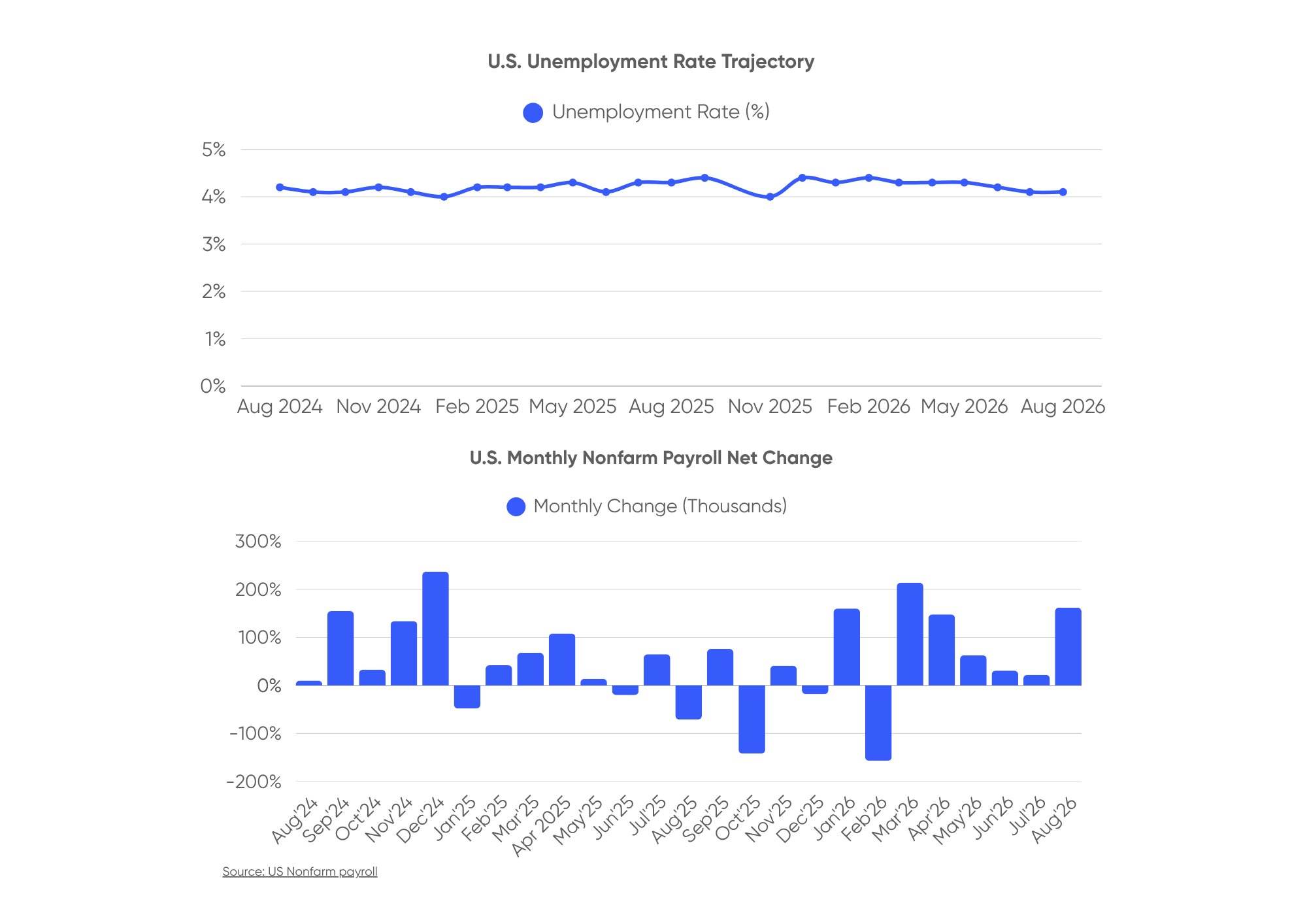
- U.S. Payroll Growth (Tech Cuts & Debt Pressures): U.S. nonfarm payrolls added 162,000 jobs in August led by service and public sectors (with women capturing 98% of gains), while tech and information roles contracted by 23,000 amid mounting national debt and wage-inflation gaps.
- Strong GDP Growth Meets U.K. Job Cuts: U.K. payroll employment dropped by 13,000 per month in June and July (cumulative 190,000 cuts since autumn 2024) and youth unemployment hit 14.6%, despite steady Q1 (2.5%) and Q2 (1.7%) annualized GDP growth.
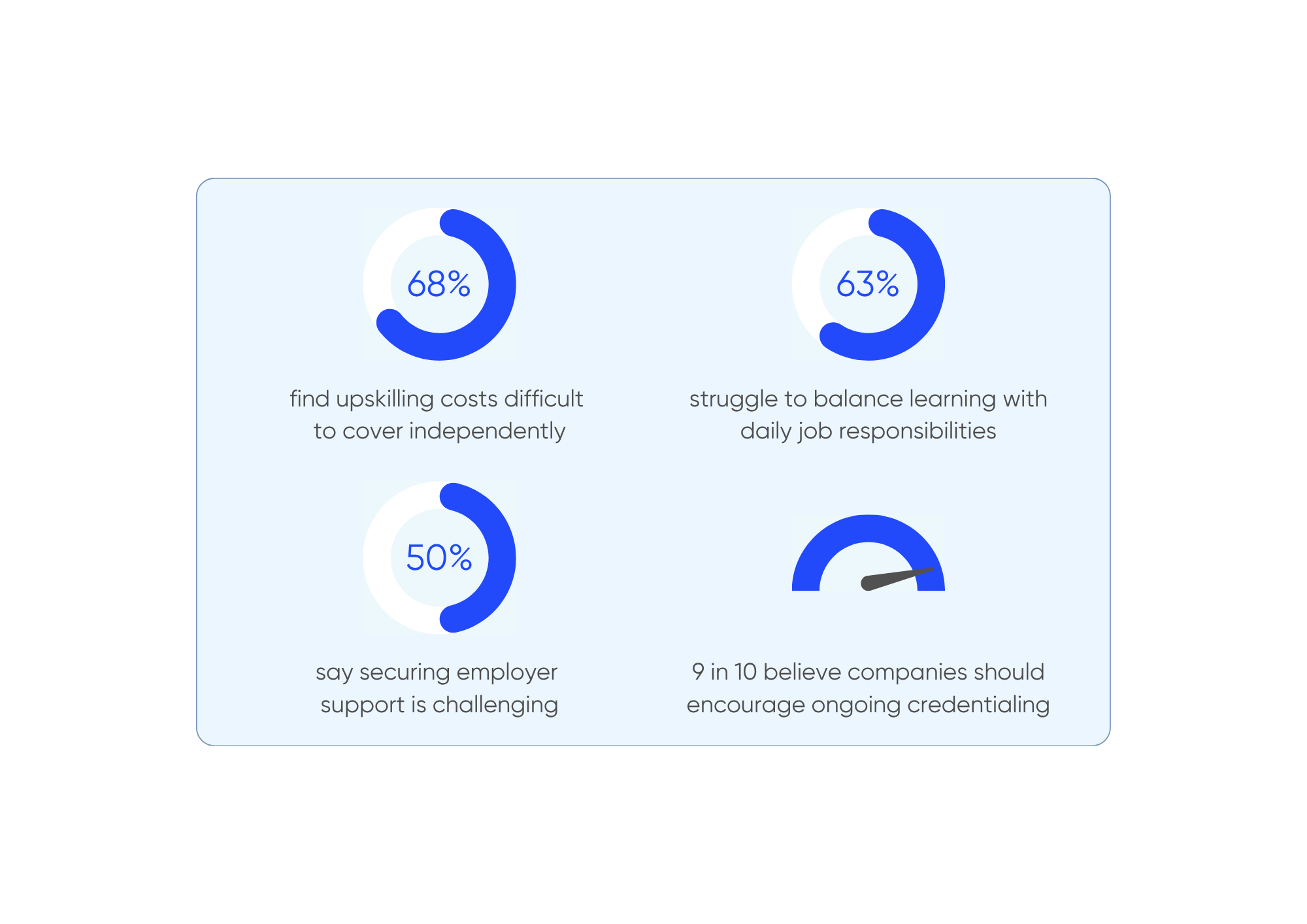
- FOBO (Worker Anxiety Over Skill Obsolescence): 58% of U.S. workers experience "Fear of Becoming Obsolete" due to rapid AI deployment, yet high upskilling costs (68%) and time constraints (63%) hinder independent learning.
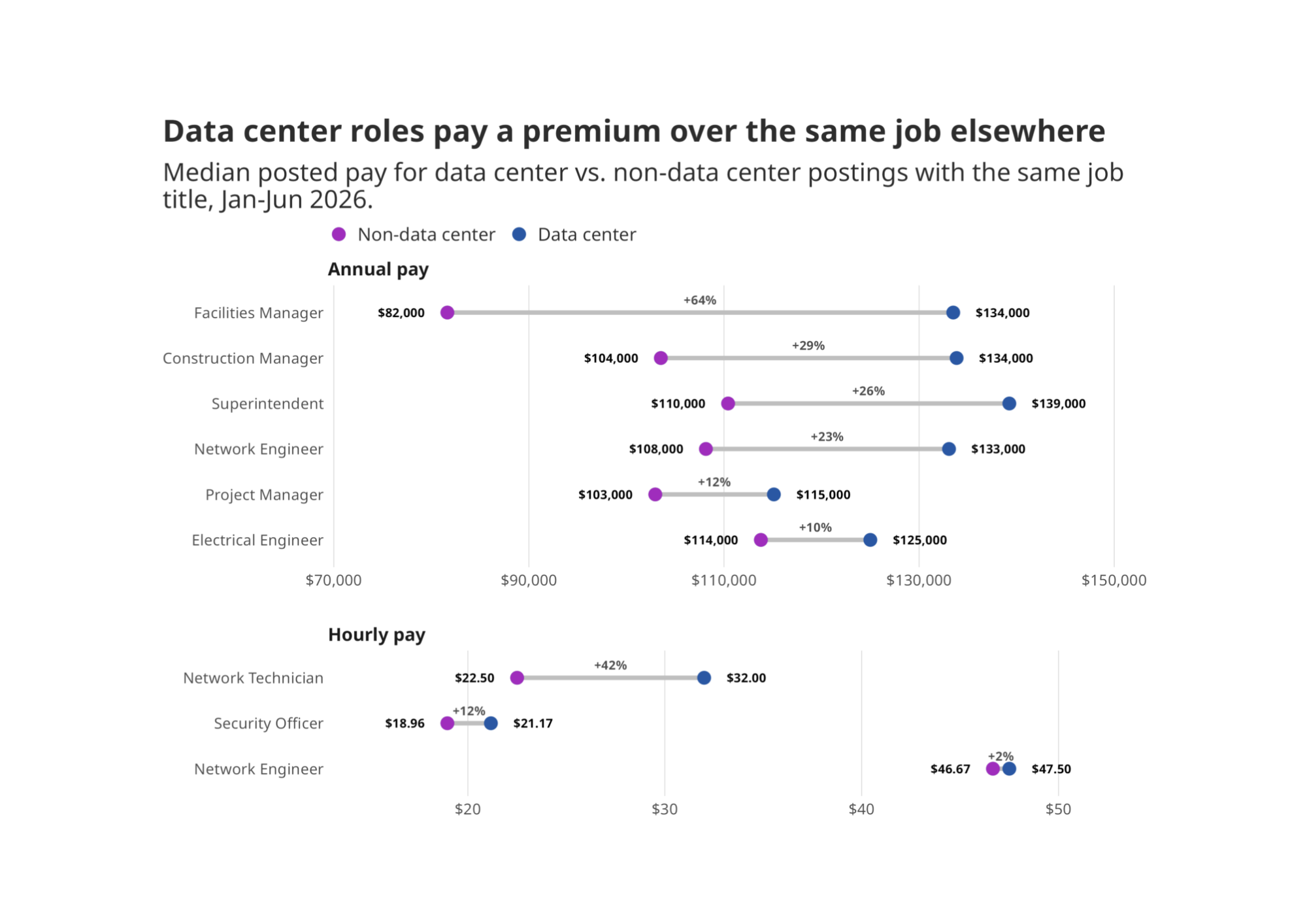
- Data Center Hiring Surge: Driven by AI infrastructure expansion, U.S. data center job searches reached 8.1x 2022 levels (>1 million searches), offering steep salary premiums alongside night-shift and travel constraints.
Let's Take a Closer Look
1. U.S. Payroll Growth: Tech Cuts, Debt
While U.S. nonfarm payrolls showed renewed strength in August 2026, headline figures mask underlying structural shifts. Net job gains remain heavily concentrated in the service and public sectors, where female workers captured nearly all net growth, while information and tech roles continue to contract amid AI automation. With wage growth trailing inflation and national debt reaching record highs, talent leaders face a volatile economic backdrop.
- Action Plan: Transition from a defensive posture to selective growth by prioritizing revenue-generating roles while maintaining flexible workforce planning to hedge against economic uncertainty.
- How Manatal Helps: Manatal’s Premium Job Posting enables recruiting teams to advertise across thousands of channels simultaneously, offering complete control over campaign duration and spend to scale recruitment as market conditions shift.
2. Strong GDP Growth Meets U.K. Job Cuts
The U.K. market presents a striking contradiction: despite steady quarter-over-quarter GDP growth, payroll employment continues to fall, bringing cumulative cuts to 190,000 since autumn 2024. While healthcare hiring remains resilient, retail and hospitality losses have driven job vacancies to a multi-year low and pushed youth unemployment up to 14.6%.

- Action Plan: Automate volume screening in hard-hit consumer sectors to reduce hiring costs, redirect talent acquisition budgets toward expanding industries like healthcare, and restructure junior roles around AI-enabled workflows.
- How Manatal Helps: Manatal's AI Interviewer and candidate scoring streamline high-volume applicant screening, while its Sourcing Hub and 2,500+ job board integrations grant instant access to candidates in growing sectors.
3. FOBO: Worker Anxiety Over Skill Obsolescence
A majority of U.S. workers (58%) now experience "FOBO" (Fear of Becoming Obsolete), with anxiety peaking in technology and financial services. While employees recognize the urgent need to adapt, high upskilling costs, time constraints, and superficial employer-led AI training leave workers struggling to bridge advanced technical skill gaps.
- Action Plan: Use emerging skill requirements as an early workforce planning signal to define transparent, skills-based career pathways and expand enterprise support for advanced technical certifications.
- How Manatal Helps: Manatal’s AI Recommendation Engine and Candidate Matching evaluate applicant pools based on verified competencies and recent certifications rather than strict, traditional career histories.
4. Data Center Hiring Surge: Premium Pay vs. Shift Constraints
Driven by relentless AI infrastructure expansion, U.S. data center job searches have surged to 8.1x 2022 levels. To attract engineering and skilled trade talent across wider geographic regions, employers offer steep compensation premiums and aggressive 401(k) benefits. However, recruiters face significant hiring friction due to extreme night-shift schedules and heavy travel demands.
- Action Plan: Establish dedicated regional talent pipelines, use structured technical assessments, and transparently market competitive pay and clear career progression to offset shift and travel constraints.
- How Manatal Helps: Manatal's Candidate Sourcing and AI Profile Enrichment enable recruiters to discover specialized technical talent across extended geographic areas while automatically enriching candidate profiles.
Conclusion
Navigating September 2026's volatile hiring landscape requires balancing data-driven recruitment automation with strategic skills-based evaluation.
Download the complete Recruitment Trends Report (September 2026) to access full datasets, granular industry benchmarks, and detailed strategic execution frameworks.
.webp)







.webp)

.webp)


.webp)


