The hiring landscape is changing quickly in late 2026. Companies are adopting AI tools at a rapid pace. At the same time, job seekers are focusing more on job security than quick career growth. Non-tech industries are now hiring more technical talent to build their own internal systems. Meanwhile, entry-level jobs are changing as automated tools handle basic tasks.
To remain competitive, hiring teams must adapt their strategy. Leaders should focus on candidate skills rather than job titles alone. They must also redesign entry-level positions and support internal career moves to retain valuable company knowledge.
7 Core Market Shifts
Our Recruitment Trends Report (October 2026) highlights seven key trends in the current job market:
- Non-Tech Companies Lead AI Hiring: Traditional sectors like retail and healthcare now post most AI roles as tech firms adjust their workforce.
- AI Changes Job Roles: High-AI roles continue to grow, shifting focus from daily routine work to higher-level planning.
- U.K. Vacancies Keep Falling: Job openings in the U.K. dropped to 702,000 as rising labor costs cause small businesses to slow hiring.
- Impact on Recent Graduates: Increased use of generative AI has led to higher graduate unemployment and lower starting pay in affected fields.
- Turnover and AI Costs: Over 60% of U.S. businesses face yearly turnover above 10%, while AI tools take over two years to deliver full financial value.
- Risks of Fast AI Layoffs: Cutting headcount too quickly can backfire, forcing firms to rehire skilled workers later at much higher costs.
- Job Seekers Value Security: Most workers now prefer stable employment over quick promotions due to tougher hiring standards.
Let's Take a Closer Look
1. Non-Tech Sectors Drive AI Sourcing
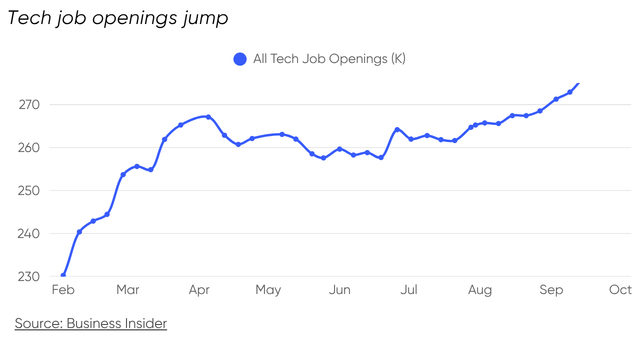
Tech companies are restructuring, but overall demand for technical skills remains strong. Traditional industries like manufacturing, retail, and healthcare are building their own AI systems. As a result, these non-tech companies now post most of the open AI positions.
- Action Plan: Take advantage of tech sector changes to hire skilled technical talent for your digital projects.
- How Manatal Helps: Manatal’s AI Advanced Search and Sourcing Hub let you search over 700 million candidate profiles to find qualified talent quickly.
2. The Real Impact on AI-Exposed Roles
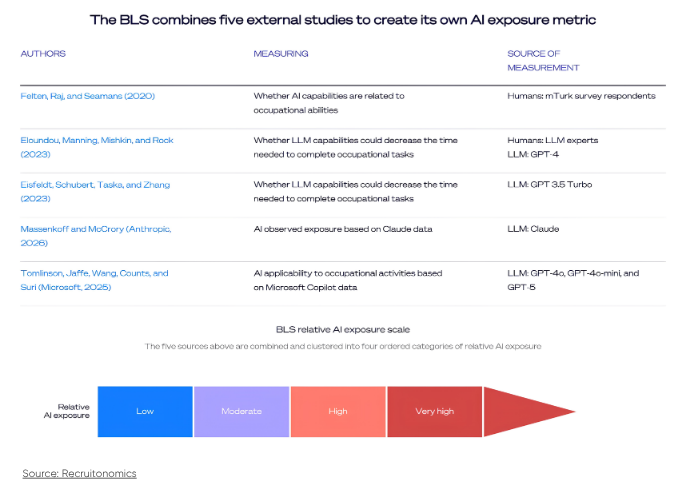
Working in an AI-heavy field does not mean jobs will disappear. Instead, the nature of the work is changing. Routine tasks are becoming automated, while roles that require strategy and decision-making continue to grow in value.
- Action Plan: Redesign administrative roles to focus on oversight and strategy rather than task execution.
- How Manatal Helps: Manatal’s Candidate Match Scoring evaluates applicants based on core skills and learnability, helping you match people to updated roles.
3. Understanding the U.K. Hiring Slowdown

Hiring activity in the U.K. remains slow as autumn begins. Economic growth is positive, but higher employment costs are forcing many small and mid-sized businesses to freeze new hiring.
- Action Plan: Shift focus toward internal training and apprenticeship programs to fill skill gaps without increasing costs.
- How Manatal Helps: Manatal’s Recruitment Analytics gives full visibility into your hiring costs so you can spend your budget effectively.
4. Navigating Challenges for Recent Graduates
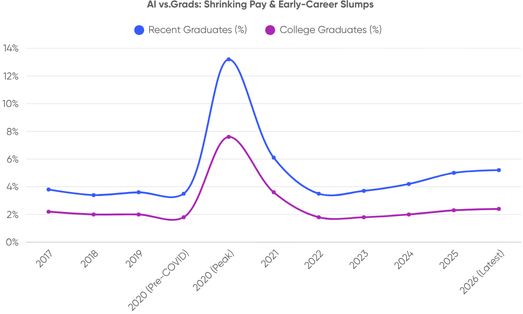
Entry-level hiring is facing significant pressure. Because AI tools now handle routine tasks, companies are spending less on graduate training programs. This shift has raised graduate unemployment and reduced starting salaries in technical fields.
- Action Plan: Update entry-level roles to combine AI tools with mentorship and critical thinking training.
- How Manatal Helps: Manatal’s AI Interviewer handles early candidate screening smoothly, while Match Scoring helps evaluate core skills fairly.
5. Managing Staff Turnover and AI ROI

Many businesses expect revenue growth, but headcount growth remains limited. High employee turnover and long setup times for new technology mean companies must wait over two years to see clear financial gains from AI.
- Action Plan: Build clear career growth paths to keep existing staff while rolling out AI tools in planned phases.
- How Manatal Helps: Manatal’s Candidate Portal lets employees view and apply for internal openings, helping you keep top talent.
6. Avoiding the High Costs of Rapid Layoffs
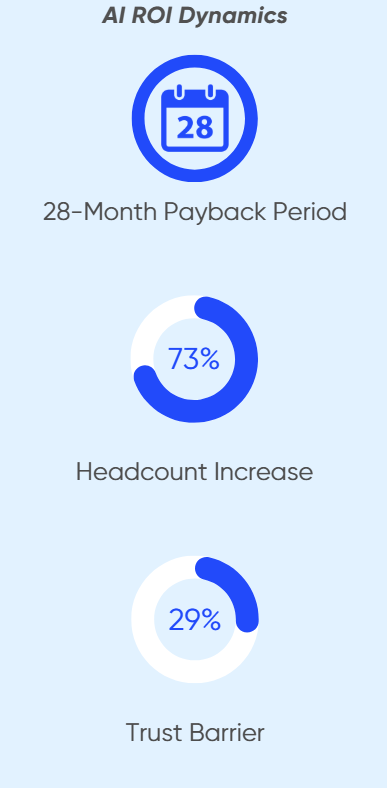
Replacing staff with AI tools can create long-term problems. Research shows that cutting roles too quickly can destroy company knowledge and force organizations to hire talent back later at higher rates.
- Action Plan: Reinvest efficiency gains from AI into training current staff for new responsibilities instead of eliminating roles.
- How Manatal Helps: Manatal’s Internal Employee Portal gives employees full access to internal job openings, helping retain skilled workers.
7. Responding to the Demand for Job Security

Job seekers are taking fewer risks in today's market. Because hiring processes are longer and stricter, workers now favor companies that offer long-term stability and clear career paths.
- Action Plan: Highlight job stability, team support, and career growth in your employer branding to attract strong candidates.
- How Manatal Helps: Manatal’s Career Page Builder helps you create a professional career site that showcases your company culture and values.
Conclusion
Succeeding in late 2026 requires careful planning, skill-based hiring, and workforce stability. To help your team adapt, the full Recruitment Trends Report (October 2026) provides detailed regional labor market data, key insights on AI adoption, and strategic guidance for managing turnover, early-career hiring, and talent retention.