





Ghost jobs have become one of the most discussed pain points in modern recruitment. These are active postings for roles that companies have no immediate intention of filling, listings that remain live on LinkedIn and Indeed for months, collecting applications that never move forward. Recruiters often frame this as talent pipelining. Without a clear process behind it, it functions more like a slow drain on candidate trust and employer reputation.
What Are Ghost Jobs?
A ghost job is a job posting that remains active on external platforms despite the role being filled, cancelled, or lacking real hiring intent. The term has moved from niche HR circles into mainstream media coverage at Forbes, the BBC, and CNBC, almost all of it written from the job seeker's perspective.
There are two types, and the distinction matters for how you fix them.
- The Accidental Ghost. Your team filled the role. Nobody unpublished the listing. This is the most common type and the easiest to fix. It is also the one that elicits the most resentment among candidates, because applicants believe they are being screened even though the decision was made weeks ago.
- The Strategic Ghost. Your team is actively collecting resumes for a role that may open in the future, or pipelining talent, without clearly communicating that to applicants. This is deliberate and carries higher legal and reputational risks.
Why Do Companies Post Ghost Jobs?
Ghost jobs do not come from a single bad decision. They come from structural gaps that most recruiting teams have not audited.
1. Talent pipelining without disclosure. Collecting resumes for future roles is a legitimate strategy. Failing to tell candidates that is the problem. When someone applies, they expect an active process. Silence followed by a form rejection three months later is what ends up on Glassdoor.
How to fix it: Label pipeline roles explicitly. Put "Future Opportunity" in the job title and be direct about the timeline in the description. Manatal's candidate database, AI enrichment tools, and LinkedIn extension let your team build a real talent bench without posting a placeholder job to collect resumes. Source actively, track candidates by pipeline stage, and engage them when the role is genuinely open. No ghost listing required.
{{cta}}
2. The recruiter-hiring manager disconnect. The hiring manager closes the role verbally. The recruiter marks it as filled in the ATS. But LinkedIn and Indeed still show it as active because no one has closed it on those platforms. This gap alone accounts for the majority of accidental ghost jobs.
How to fix it: Make closing every external listing a required step before a requisition can close. Manatal’s Collaboration & Team management provides both sides with a shared job view, a to-do list for close-out tasks, and a built-in team chat tied to each role. When status changes, everyone sees it.
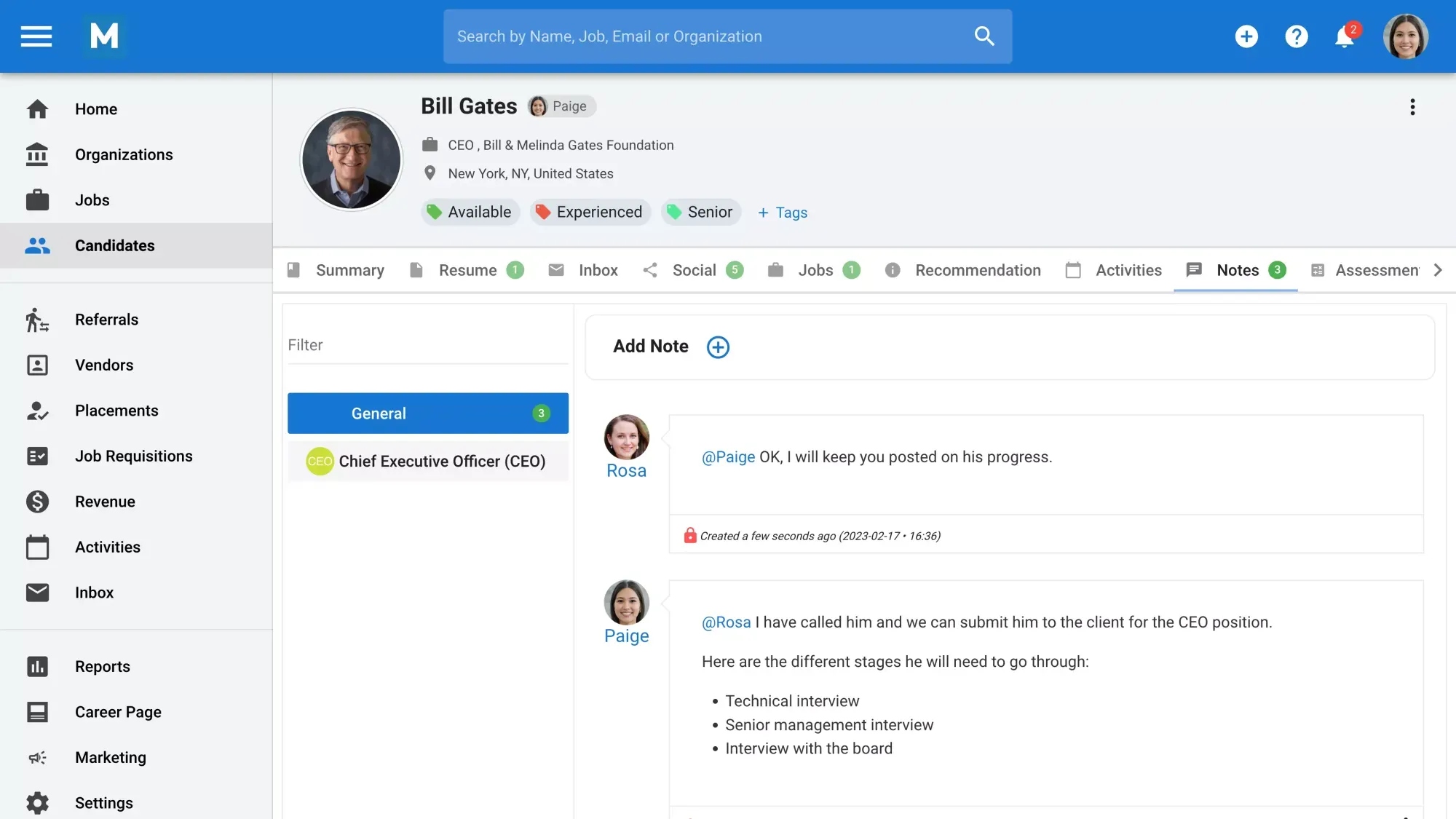
3. Internal compliance requirementsPolicy at many companies requires a formal posting even when an internal candidate is already chosen. The role goes live, the internal hire is announced, and the listing stays up because no one owns the takedown.
How to fix it: Tie every compliance posting to a documented requisition with a named owner and a close-out date. Manatal Job Requisitions feature within Collaboration & Activities gives teams a structured way to raise, approve, and close requisitions before anything goes external. The Data Privacy & Compliance feature then ensures all candidate data collected is governed under GDPR, CCPA, and PDPA, and can be permanently deleted once the process closes.
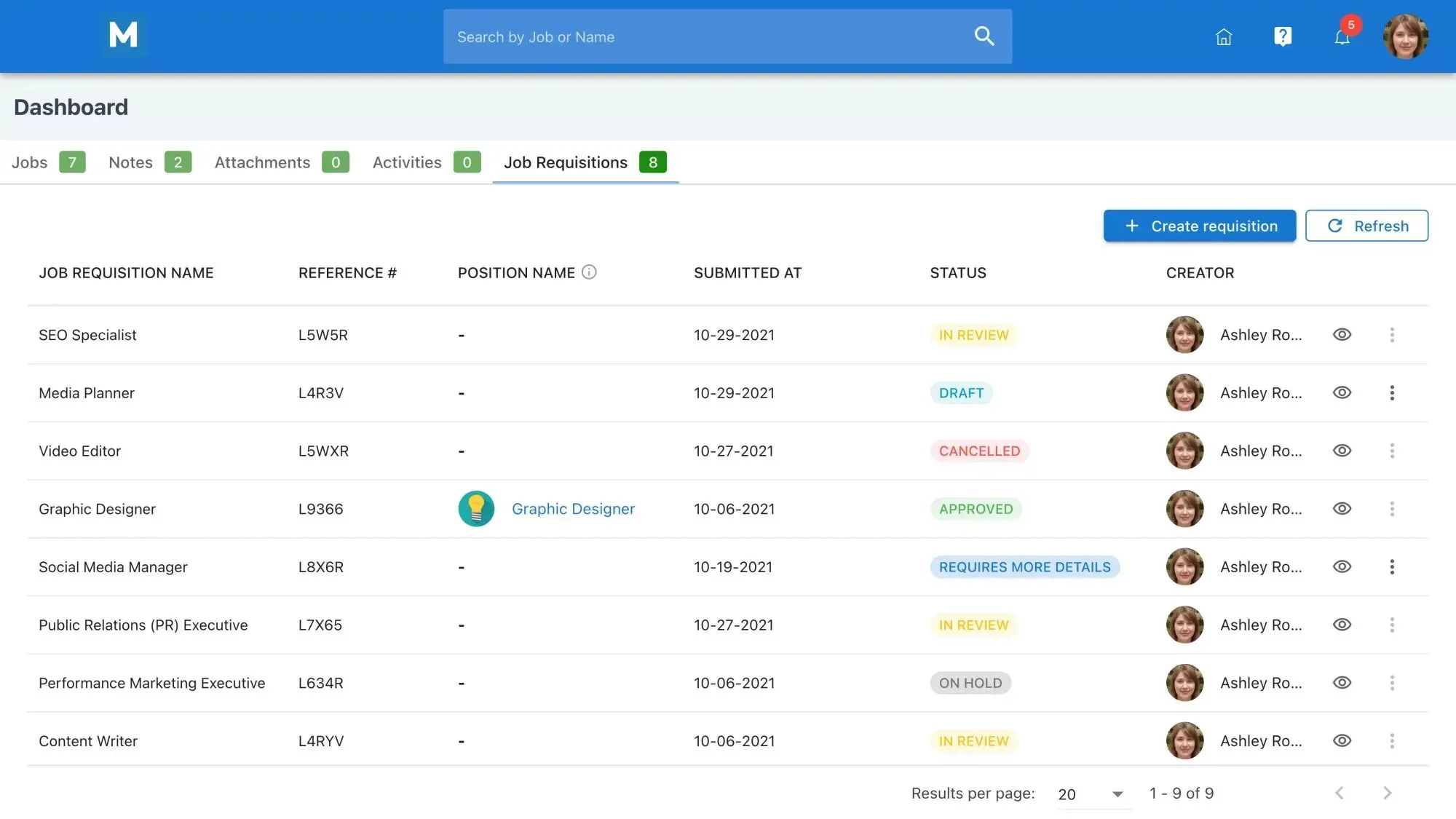
4. Perception management. Some companies post jobs to signal growth to investors or current employees, even when budgets are frozen. This is where ghost jobs stop being an admin problem and start drawing regulatory attention under deceptive advertising frameworks.
How to fix it: Stop posting jobs without approved headcount behind them. If leadership needs a signal of growth, find one that does not involve collecting applications you will never review. Manatal’s Reports & Analytics, specifically the Hiring Performance Reports and Job Reports, give leadership accurate, real-time visibility into active roles, pipeline health, and hiring velocity. The ghost listings do not have to.
.webp)
The Real Cost: Why Ghost Jobs Are Dangerous for Your Business
The phrase 'ghost jobs should be illegal' is appearing in op-eds and LinkedIn posts from high-profile candidates. It has reached the point where legislators in multiple jurisdictions are looking at 'bait and switch' job advertising. Take that seriously.
Beyond the regulatory risk, the damage you can measure right now is in four places.
- Glassdoor and Reddit reviews. Candidates keep lists. A poor candidate experience generates a Glassdoor review faster than a bad interview does. A single thread on r/recruiting calling out your company's ghost listings can suppress your application rates for months. You will not see the drop reflected in a report. You will see it in who stops applying.
- Corrupted recruitment metrics. Ghost jobs pollute your time to fill data, your applicant quality scores, and your cost per hire calculations. If a role technically closed internally 45 days ago but the listing is still live, your metrics report it as an open req. Every recruitment dashboard built on that data is lying to leadership.
- Platform considerations for job freshness. Some platforms, such as Indeed, are already limiting the organic visibility of stale listings through algorithmic freshness signals and 2026 policy changes that prioritize sponsored or ATS-integrated postings (free organic reach is now capped at 30 days for hosted jobs). [1] [2] Best practice is to promptly close filled roles to avoid misleading candidates and maintain the quality of the marketplace.
- Top candidate dropout. Experienced candidates often research listings thoroughly and skip postings older than 30–60 days without updates, assuming the role is filled, the budget is frozen, or the company appears disorganized. High performers typically avoid outdated ads, while applicants who respond to long-stale listings are often not among the strongest talent.
How to Audit Your Job Posting Right Now
Transparency is your only path forward. Take these steps today. Pull every open requisition posted more than 30 days ago and cross-reference it against your ATS. Flag any role marked 'Filled' or 'On Hold' internally that is still live externally. That number is your ghost job count.
Then take three immediate actions.
- Close or refresh every listing that is over 30 days old. If the role is still active, republish it with a new date and a status update in the description. Something as simple as 'Active search as of [month]' signals to candidates that the listing is real.
- Label pipeline roles explicitly. If you are collecting applicants for a future role, put 'Future Opportunity' or 'Anticipated Opening' in the job title. This is not a deterrent. It filters for candidates who are genuinely interested in your company, not just the immediate opening.
- Build a close-out step into every hiring workflow. When a recruiter marks a role as filled, closing every external listing must be a required step before the requisition closes. Not a best practice. A blocker.
The audit above cleans up your backlog. It will not stop the next round of ghost jobs from appearing. The core problem is that most recruiting teams manually manage postings across five or more platforms. LinkedIn, Indeed, Monster, Glassdoor, and the company's careers page each require a separate login and a separate action to close a listing.
Conclusion: The Bigger Shift Coming
Ghost jobs currently represent a significant reputational risk for employers. Regulators in several U.S. states and the Federal Trade Commission are actively examining deceptive job advertising practices, including ghost jobs, under existing consumer protection laws, with bills in New Jersey, California, and Kentucky requiring vacancy disclosures and prompt removal of filled postings, plus the FTC’s Joint Labor Task Force addressing misleading practices; [3][4] however, no equivalent examinations by EU regulators have been reported beyond general GDPR data-privacy implications. The companies that clean up their recruitment now will have a structural advantage when those rules land.
See how Manatal's job board sync eliminates ghost jobs from your pipeline. Start your free 14-day trial.
Frequently Asked Questions
Q: How do ghost jobs appear without a company intending to create them?
A: The most common cause is the disconnect between hiring managers and recruiters. A hiring manager closes a role verbally, and the recruiter marks it as filled in the ATS, but no one owns the step of unpublishing the listing from external job boards. Ghost jobs accumulate quietly from there.
Q: What damage do ghost jobs actually cause to a business?
A: Ghost jobs hit companies in four measurable ways: reputation damage on Glassdoor and Reddit, corrupted recruitment metrics like time to fill and cost per hire, reduced organic reach on job platforms due to algorithm penalties on stale listings, and top candidates self-selecting out of applying altogether.
Q: Should ghost jobs be illegal, and is there a real legal risk?
A: Ghost jobs are not yet broadly illegal, but they are drawing regulatory attention in several US states under existing consumer protection frameworks that cover deceptive advertising. Companies that fail to clean up their listings now will face a harsher correction when formal rules are introduced.
Q: What is the most effective way to prevent ghost jobs long-term?
A: Make closing external listings a required blocker in every hiring workflow, not a best practice that relies on individual recruiter discipline. Better yet, use a system like Manatal that syncs job status automatically across all integrated boards.
Citations:
.webp)







.webp)

.webp)


.webp)


