





Recent LinkedIn research found that 66% of recruiters say finding qualified talent has become more difficult, while 42% report increasing pressure to fill positions faster. [1] To stay competitive, recruiters and HR leaders must adopt modern candidate sourcing channels that combine AI-powered search, talent communities, employee referrals, talent rediscovery, professional networks, social platforms, and personalized outreach. This guide explores the latest candidate sourcing strategies, channels, and best practices used in 2026.
What Is a Candidate Sourcing Channel?
A sourcing channel is any method or platform you use to find candidates before they apply. Candidate sourcing channels are divided into active, passive, and internal categories, each crucial for a robust hiring process. Relying on just one creates a critical single point of failure in your recruitment pipeline.
- Active channels: focus on candidates who are actively seeking new roles, using job boards and professional networks like LinkedIn.
- Passive channels: target content individuals in their current roles using social media, professional communities, and talent mapping techniques to identify and attract hidden talent.
- Internal channels: involve leveraging employee networks through referral programs and maintaining connections with alumni for potential rehiring.
Top Candidate Sourcing Channels and Platforms
Active Candidate Sourcing Channels
Active channels target individuals who are explicitly looking for a new role. These candidates move fast, apply quickly, and hold high immediate intent.
- Traditional job boards have become a top channel for recruiters to identify the most relevant talent for their hiring needs. The global online recruitment market is expected to grow from USD 17.48 billion in 2026 to USD 46.07 billion by 2034. [2] These days, online platforms such as Monster, Indeed, Glassdoor, and many other niche sites are the primary way that job seekers find job listings.
- Niche job boards are specialized online platforms that cater to specific industries, roles, or demographics, offering a more targeted approach to job searching and recruitment. Platforms like Dice for technology, Hcareers for hospitality, Behance for creative roles, or FlexJobs for remote job boards narrow the funnel early.
- Professional Networking Platforms: LinkedIn remains the world's largest professional network and is the dominant sourcing platform across North America and much of Europe. In China, recruiters primarily rely on local platforms such as Zhipin and Liepin. [3] In German-speaking countries, although LinkedIn has overtaken Xing as the leading professional network, Xing continues to provide valuable access to parts of the DACH talent market. [4]
Managing twenty different sourcing channels manually leads to lost data, missed candidates, and complete administrative chaos. Manatal ATS allows you to distribute job openings to over 2,500 free and premium job boards with a single click. This includes global platforms like Indeed and LinkedIn alongside localized niche job sites.

{{cta}}
Passive Candidate Sourcing Channels
70% of candidates are passive. If your sourcing strategy relies on one or two job boards, you're fishing in 30% of the talent pool. [5]
- Use Facebook targeted ads to find local operational talent, like warehouse managers or retail supervisors. Run highly localized campaigns within a 15-mile radius of your facility.
- Instagram works for visual employer branding. Document the actual workplace experience. Show your design team mapping out user flows on a physical whiteboard. Let your employees tell their own stories through raw, unscripted video takeovers.
- On X, follow industry-specific discussions. Engage with developers or researchers who share insights about technical challenges. Build rapport by contributing to the conversation before you ever send a job pitch.
Manatal's Sourcing Hub gives you access to more than 700 million professional profiles across these platforms and more, paired with a Find Contact Details feature that surfaces direct emails and phone numbers instead of leaving you stuck in an unanswered InMail queue.
Professional Communities and Forums
Technical and specialized talent congregates on platforms dedicated to peer review and knowledge sharing.
- GitHub: Evaluate engineers based on their actual public code repositories and open-source contributions. Look at the quality of their pull requests.
- Stack Overflow: Identify top contributors in specific programming language tags. A user with high reputation scores in Python answers is a proven subject matter expert.
- Industry Forums: Dissect niche communities like Kaggle for data scientists and Reactiflux for software engineers. Slack communities, Discord servers, subreddits like r/recruiting, and industry-specific associations put you in front of people who aren't job hunting but are actively engaged in their field.
Direct Sourcing and Talent Mapping
Talent mapping is the practice of charting the exact organizational structure of your direct competitors. Identify every person in a specific department at a rival firm before an opening even occurs.
Master Boolean search recruiting to find hidden profiles on Google. Use operators like site:linkedin.com/in/ ("Product Manager" OR "PM") AND SaaS AND "Berlin” to bypass basic search limitations.
.jpg)
When you execute cold outreach, keep the first message under 100 words. State exactly why you are reaching out, mention a specific achievement of theirs, and ask for a brief 10-minute introductory call.
Internal Candidate Sourcing Channels
Talent Rediscovery
Talent rediscovery is the fastest-growing sourcing channel [6]; it's also the most overlooked. Every recruiter has a database full of candidates from past searches, people who were good enough to make the final round but lost out to someone else.
- Search your own database before you open a new sourcing campaign. Open your ATS and filter for candidates who reached the second interview stage or beyond in the last 24 months but were not hired.

Employee Referral Programs
Employee referral programs can cut your cost-per-hire by 50-90% while improving quality and retention. [7] To replicate these outcomes, organizations must focus on both strategic program design and the long-term value of referred talent.
- Program Design: Build a structured referral incentive program. Offer financial bonuses split between the hire date and the 90-day retention mark.
- Retention Benefits: Data consistently shows referred employees onboard faster and stay at companies longer than cold applicants.
Alumni Networks & Former Employees
Boomerang hires are ex-employees who return to your company with new skills and perspective. They require minimal onboarding because they already understand your operational culture.
- Maintain an active alumni registry. Send quarterly updates about company growth, new product lines, and high-level openings. Treat departing employees with respect during exit interviews; the final impression dictates whether they will ever consider returning.
Measuring Sourcing Channel Effectiveness & ROI
To accurately evaluate which recruitment platforms deliver the highest return on investment, talent acquisition teams must focus on several key metrics to track:
Key Metrics to Track
- Source-of-Hire: The definitive channel or platform that produced the signed contract.
- Time-to-Hire by Channel: The number of days from job creation to offer acceptance, tracked across each source.
- Cost-per-Hire by Channel: Total financial investment in a platform divided by the number of successful hires from that platform.
- Quality of Hire by Channel: Performance review scores of employees at their one-year mark, mapped back to where they were sourced.
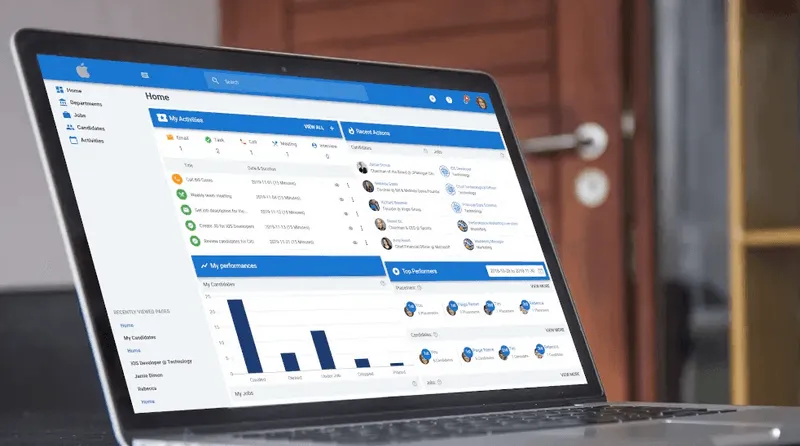
Manatal's reports and analytics features pre-built dashboards that track key metrics like time-to-hire, sourcing channel effectiveness, and team performance. Recruiters can build custom reports using a dynamic builder tool to track specific KPIs and optimize overall hiring strategy.
Conclusion
Choosing the right candidate sourcing channels is vital for attracting high-quality candidates and enhancing the overall hiring process. Recruiters and hiring managers should use a variety of sourcing channels, including freelance platforms, job boards, social media, and networking, to access diverse talent pools. Additionally, recruitment tools can aid in expanding these channels and ensuring that job vacancies are filled with suitable candidates efficiently.
Start a 14-day free trial of Manatal and build a candidate sourcing workflow that pulls from all six channels without ten separate logins.
Frequently Asked Questions
Q: What are the most effective sourcing channels for recruiting candidates?
A: Effective tools for candidate sourcing include applicant tracking systems (ATS) like Manatal, social media platforms like LinkedIn, and sourcing automation tools. AI-driven tools and CRM systems can also streamline candidate discovery and engagement. For a full list, check out our blog on recruiting tools.
Q: What is an example of a sourcing channel, and how does it work?
A: A referral program is a sourcing channel. Current employees recommend candidates from their network, the recruiter reviews and tracks those referrals inside the ATS, and the company often pays a bonus if the referral gets hired. It works because employees vouch for people they'd want to work alongside.
Q: How can recruiters use social media, referrals, and communities to source better candidates?
A: Use social media to reach candidates directly through personalized outreach, not generic job posts. Use referrals through a structured, incentivized program rather than informal requests. Use communities by participating in discussions consistently before ever mentioning an open role.
Q: What are the 5 C's of recruitment?
A: The 5 C's, as most recruitment frameworks define them, are competency, character, culture fit, communication, and commitment. They're used as an evaluation framework once a candidate is in your pipeline, separate from the sourcing channel that brought them there.
Q: What are the top channels for sourcing candidates for sales roles?
A: The top channels for sourcing candidates for sales roles include online job boards (such as Indeed and Glassdoor), social media platforms (especially LinkedIn), and employee referral programs. These channels help reach both active and passive candidates effectively.
Citations:
.webp)







.webp)

.webp)


.webp)


