





Recruiting 101 begins with understanding that talent acquisition is one of the most critical skills for HR professionals and hiring managers in today's competitive landscape. This guide serves as your foundational roadmap for navigating the complex world of talent acquisition, whether you're new to HR or looking to refine your recruiting strategies.
Recruiting 101
Recruiting is the strategic process of identifying, attracting, evaluating, and securing top talent to drive business success. While often confused with broader HR functions or simple sourcing, recruiting represents a specialized discipline that requires both art and science to execute effectively.
Recruitment: Step by Step
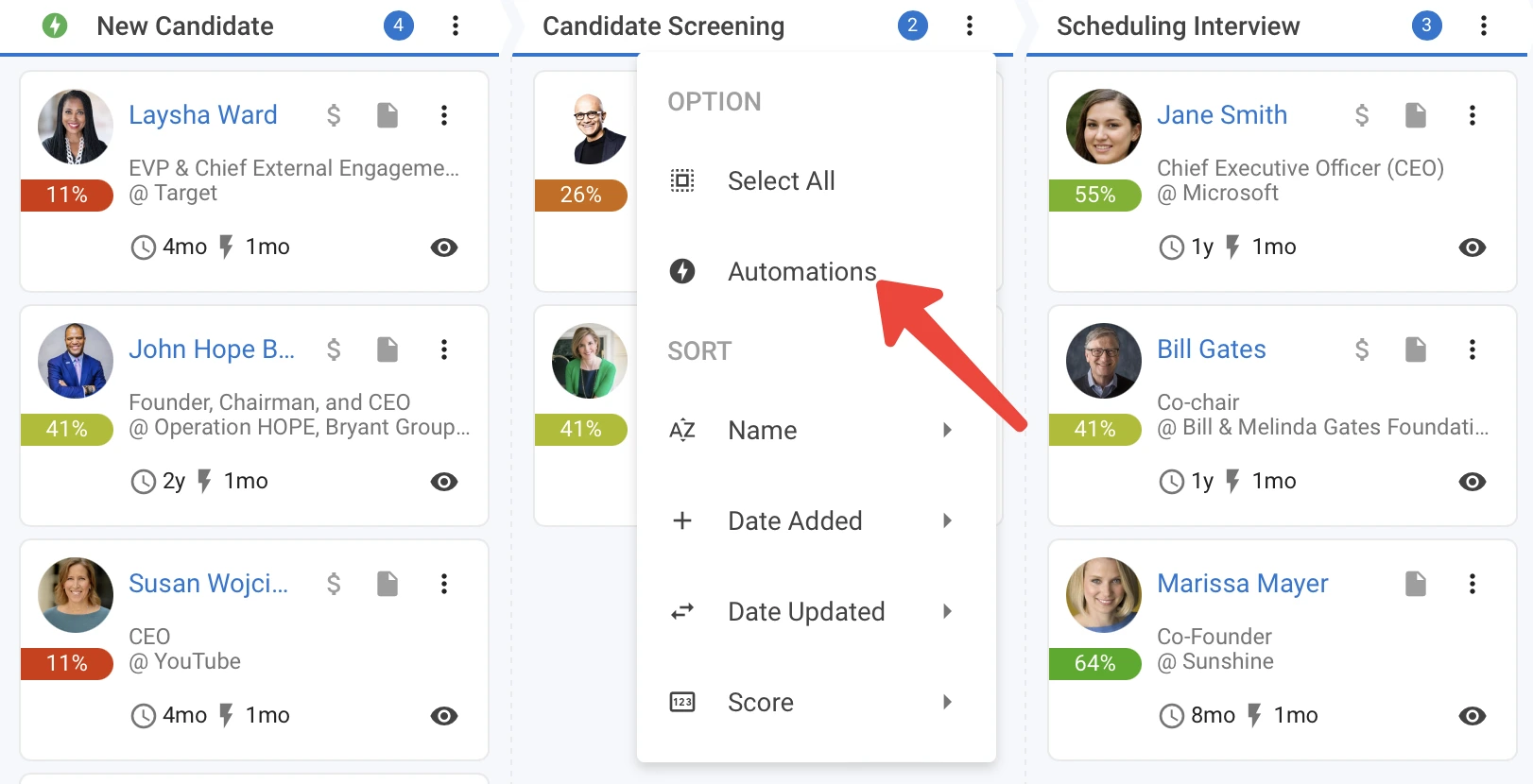
The recruitment process represents a guided adventure where each phase brings you closer to discovering hidden talent. With Manatal's workflow automation tools enhancing each stage, even beginners can implement professional-grade recruitment strategies from day one. Let's explore each critical step that forms the backbone of effective talent acquisition.
{{cta}}
Step 1: Analysis and Planning
Job analysis and planning form the foundation of successful recruiting campaigns. This initial phase involves collaborating with hiring managers to define role requirements, expectations, and success metrics. Effective planning includes understanding team dynamics, company culture fit, and long-term growth objectives.
During this phase, recruitment requirements take shape through detailed job descriptions, competency frameworks, and realistic timelines. Tips for hiring managers include involving key stakeholders early, documenting specific skills versus nice-to-have qualifications, and establishing clear evaluation criteria that align with organizational goals.
Step 2: Sourcing
Sourcing candidates involves using multiple channels to identify potential matches. Modern strategies combine traditional job boards with social media recruiting, employee referrals, and direct outreach. The key lies in knowing where your ideal candidates spend their time and crafting compelling value propositions.
Recruitment tips for hiring managers emphasize diversity in sourcing channels and maintaining consistent employer branding across all touchpoints. Advanced platforms streamline this process by aggregating candidates from multiple sources and using AI to identify the most promising prospects based on role requirements.
Step 3: Screening and Interviews
The screening and interview phase transforms your candidate pool into qualified prospects. This stage typically includes initial phone screenings, structured interviews, skills assessments, and cultural fit evaluations. Consistency in evaluation criteria ensures fair, objective decision-making.
Effective screening involves multiple touchpoints and stakeholders to provide a comprehensive candidate assessment. Tips for hiring managers include preparing structured questions, creating standardized scorecards, and ensuring all interviewers understand the role requirements and company values they're evaluating against.
Step 4: Offer and Onboarding
The final phase involves extending offers and transitioning successful candidates into productive team members. This includes salary negotiations, background checks, and comprehensive onboarding programs.
Recruitment tips for hiring managers emphasize the importance of competitive offers, clear communication throughout negotiations, and seamless handoffs to onboarding teams. The goal is to ensure every new hire feels valued, prepared, and excited about their new role from day one.
Essential Skills for Beginner Recruiters
According to a LinkedIn survey, 92% of hiring professionals believe soft skills are equally or more important than hard skills [2]. This Recruiting 101 approach to skill-building emphasizes both interpersonal abilities and systematic knowledge that drive recruiting success.
- Communication Excellence: Master both written and verbal communication to engage candidates, hiring managers, and stakeholders effectively. This includes active listening, persuasive writing, and the ability to convey complex information clearly across different audiences.
- Organization and Time Management: Juggle multiple open positions, candidate pipelines, and stakeholder expectations simultaneously. Strong organizational skills enable efficient workflow management and ensure no opportunities fall through the cracks.
- Relationship Building: Foster authentic connections with candidates, even those who may not be immediately suitable for current roles. Long-term relationship management creates valuable talent networks that pay dividends over time.
- Market Knowledge: Stay current on industry trends, salary benchmarks, and competitive landscape changes. This recruitment information provides strategic guidance to both candidates and hiring managers on realistic expectations and market positioning.
- Digital Fluency: Leverage recruiting platforms, social media tools, and data analytics to enhance efficiency and decision-making. Modern recruitment for hr requires comfort with evolving technology solutions.
Common Recruiting Challenges and Solutions
Every recruiter faces obstacles, but understanding common challenges and their solutions turns pitfalls into learning opportunities. This approach helps beginners build resilience and expertise. As Robert Walters reported, 70% of professionals have left a job due to poor culture [3]. By anticipating these challenges and preparing strategic responses, you can avoid common mistakes and build more successful recruiting outcomes.
- Candidate Shortages in Competitive Markets: When qualified candidates are scarce, expand sourcing strategies beyond traditional channels. Tips for hiring managers include partnering with universities, professional associations, and niche communities where target candidates gather. Consider alternative qualifications or remote work options to broaden your talent pool.
- Lengthy Decision-Making Processes: Slow hiring decisions frustrate candidates and create competitor advantages. Recruitment tips for hiring managers emphasize streamlined evaluation processes, clear timelines, and regular communication. Establish decision-making protocols upfront and stick to committed schedules.
- Managing Stakeholder Expectations: Conflicting requirements from different stakeholders can derail recruiting efforts. This recruiting guide recommends early alignment meetings, documented requirements, and regular check-ins to ensure everyone remains on the same page throughout the process.
- Quality vs. Speed Balance: Pressure to fill positions quickly can compromise hire quality. Smart solutions involve building robust candidate pipelines before urgent needs arise and using structured evaluation criteria that enable efficient yet thorough assessments.
Analytics-driven platforms like Manatal ATS help overcome these challenges by providing data insights that inform strategic decisions and streamline workflow management. The key is viewing initial frustrations as stepping stones toward becoming a more skilled and effective recruiter.

Tools for Beginner Recruiters
Modern recruiting success depends on leveraging the right digital toolkit to streamline processes and enhance decision-making capabilities. This approach treats tools as game changers that transform recruiting from overwhelming complexity to manageable efficiency.
- Applicant Tracking Systems (ATS): Centralize candidate management, automate workflows, and maintain organized recruiting records. Modern ATS platforms such as Manatal provide beginner-friendly interfaces while offering advanced features that grow with your expertise.
- Social Media and Professional Networks: Leverage LinkedIn, industry forums, and social platforms to identify and engage passive candidates. Social media recruiting tools expand your reach beyond traditional job board limitations.
- Communication and Scheduling Tools: Integrate calendar management, video conferencing, and automated email sequences to streamline candidate interactions and maintain professional communication standards.
- Analytics and Reporting Platforms: Track key recruiting metrics, identify process bottlenecks, and demonstrate ROI to stakeholders through data-driven insights that inform strategic improvements.
- Background Check and Assessment Tools: Verify candidate credentials and evaluate skills through standardized assessments that support objective decision-making processes.
Frequently Asked Questions
Q: What is recruiting?
A: Recruiting is the process of finding and hiring qualified candidates for open positions in an organization. It involves understanding job requirements, creating job descriptions, sourcing candidates through various methods, and guiding them through the hiring process, utilizing both traditional and modern strategies, such as social media and employee referrals.
Q: Why is recruiting important for businesses?
A: Effective recruiting is vital for a company's success as it influences performance, culture, and competitive advantage. Hiring talented individuals boosts innovation and productivity, while poor recruitment can lead to high costs and decreased morale. Strategic recruiting also enhances a company's reputation, aiding in future talent acquisition.
Q: What are the basic steps in recruiting?
A: The recruiting process starts with workforce planning and job analysis to identify necessary positions and qualifications. It progresses through sourcing candidates, initial screenings, and comprehensive assessments, culminating in job offers, negotiations, and the onboarding of successful candidates.
Q: What skills do beginner recruiters need?
A: New recruiters should cultivate interpersonal, communication, and organizational skills for managing job requirements and candidate interactions. They need active listening, persuasion abilities, emotional intelligence for cultural assessment, and basic sales skills to attract talent. Persistence and resilience are also key due to the frequent challenges in recruiting.
Q: What tools help with recruiting?
A: Modern recruiting utilizes technology to streamline hiring, employing Applicant Tracking Systems like Manatal for managing candidates and workflow. LinkedIn Recruiter aids in accessing passive candidates and industry insights, while job boards like Indeed expand candidate reach. Additional tools include video interview platforms, skills assessment software, background check services, and CRM systems for talent acquisition.
Citations:
[1] Apollo Technical
[2] LinkedIn
[3] Robert Walters
.webp)







.webp)

.webp)


.webp)


