





According to SHRM, effective screening can reduce overall hiring time by 20-30% [1]. So why do so many phone screenings still fail to do their job? [2] We've broken down what effective phone screening actually looks like: the questions, the process, and the judgment calls that matter. This guide will help you conduct phone screenings more effectively, saving recruiters time, improving the candidate experience, and enabling both sides to quickly assess mutual fit.
What Is a Phone Screening?
A phone screening is a brief, structured conversation between a recruiter and a job candidate, serving as the first step in the interview process. Typically lasting 15-20 minutes, it's designed to quickly assess whether a candidate meets basic qualifications and is worth advancing to more comprehensive interview rounds. During this call, recruiters introduce the company and the role, discuss qualifications and salary expectations, and answer questions about the position.
Conducting a Phone Screen Interview
Conducting a phone screen interview is a key step in the recruitment pipeline. This initial screening helps you determine if a candidate meets the basic job requirements before proceeding to more extensive interviews. Here are the steps to effectively prepare for a phone screen interview:
Step 1: Prepare Screening Questions
Compile a set of pertinent questions to pose to the candidate during the phone screen interview. These questions should center around the candidate's background, skills, and reasons for applying to the position. For guidance on crafting interview questions, refer to our tips on pre-screening interview questions. Consider incorporating behavioral and situational inquiries to evaluate how the candidate handles specific scenarios.
Manatal's AI interviewer feature lets you create question sets that map to specific job requirements. The tool allows you to establish uniform assessment criteria and clear grading rules before the call begins, ensuring every applicant is measured by the same objective yardstick. The feature supports multiple languages and offers customizable voice options, including English, French, Spanish, and German
{{cta}}
Step 2: Schedule the Interview
Send calendar invites with clear call details, including phone numbers, expected duration, and any materials candidates should review beforehand. Provide multiple time slot options across different days to accommodate varying schedules, and always include backup contact information in case of technical difficulties.
Step 3: Use Automated Documentation
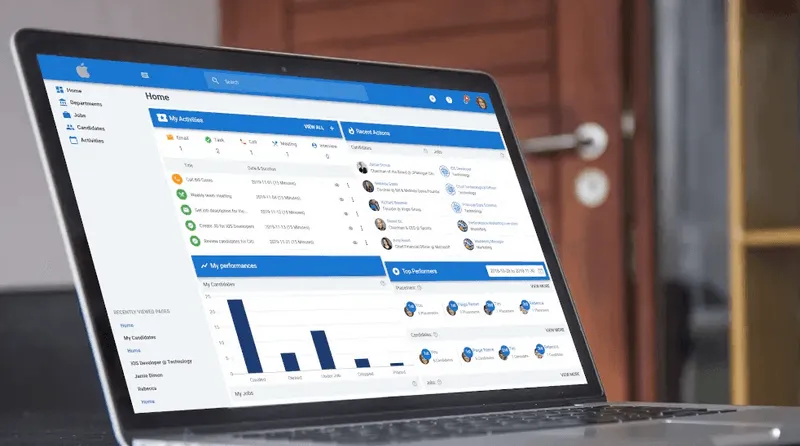
Manual data entry breaks the flow of a live conversation. Attempting to type out every candidate response comes at the direct expense of active listening and genuine engagement. The Manatal AI Notetaker automates call recording and transcription for calls scheduled via Google or Microsoft Calendar directly into candidate profiles, eliminating manual note-taking and preventing data loss, thus allowing users to concentrate on conversations and aiding in hiring decisions.
Step 4: Follow Up and Nurture Your Talent Pipeline
According to SelectSoftwareReviews, 79% of candidates will reapply if they receive feedback, even after being rejected. [3] After the phone screen interview, ensure you reach out to candidates to offer feedback and outline the next steps. Maintain professional and courteous communication, even if candidates are not chosen to progress further in the recruitment process. Create segments for candidates who demonstrated strong potential but weren't quite ready, those who might be perfect for different departments, or individuals whose timeline doesn't align with current needs but could be valuable later.
Phone Screening Dos and Don'ts
Avoid common pitfalls that drag down your time-to-hire metrics. Use this checklist to keep your team aligned.
- Do use a structured scorecard. Score every candidate on the same rubric immediately after the call. Memory fades after three consecutive interviews.
- Do sell the company vision. Top talent chooses between multiple offers. Use the screening call to generate excitement about the role.
- Don't over-explain. Leave the deep technical discussions for the hiring manager interview. Focus on the foundational requirements.
- Don't let the call run long. Cut the conversation off at the 20-minute mark. A long phone screen ruins your daily recruitment schedule.
- Don't ghost rejected applicants. Send an automated rejection email through your ATS if they fail the screen. It protects your employer brand.
20+ Phone Screening Interview Questions to Ask Candidates
Asking about a candidate's background can inadvertently lead to illegal interview questions regarding protected classes. Use these specific phone screening interview questions to extract the data you need. Each category targets a specific hiring risk.
Job Knowledge and Role Alignment
These questions verify that the candidate understands the daily realities of the position.
- What attracted you to this specific role and our company culture?
What to look for: Look for specific details about your product or recent company news. Generic answers mean they are blast-applying to every open job on the market.
- How does your previous experience directly prepare you for the challenges of this position?
What to look for: Listen for concrete examples that match the core responsibilities outlined in your job description.
- What do you consider your most significant professional achievement in your current role?
What to look for: Candidates should share quantifiable metrics. Look for numbers, percentages, or dollar amounts saved.
- What specific tools or software do you use daily to complete your work?
What to look for: Verify that they use industry-standard tools. If you use specialized tech, look for familiarity with similar platforms.
Communication and Soft Skills
Evaluate how the candidate structures their thoughts and delivers information under pressure.
- Can you describe a complex project you managed and how you explained it to non-technical stakeholders?
What to look for: Look for clarity and the ability to simplify difficult concepts without sounding condescending.
- How do you handle conflicting priorities when two different managers give you urgent tasks?
What to look for: Look for a structured approach to time management and proactive communication skills.
- Tell me about a time you disagreed with a team decision. How did you handle it?
What to look for: Look for professional maturity. They must show respect for the final decision even if they disagreed initially.
- What type of work environment allows you to perform at your absolute best?
What to look for: Ensure their preferred style matches your reality. A candidate who needs constant guidance will fail in a remote, autonomous environment.
Culture Fit and Motivation
Assess whether the candidate will thrive within your existing team dynamics and company values.
- Why are you looking to leave your current employer at this specific time?
What to look for: Look for a desire for professional growth. Avoid candidates who spend the time complaining about their current boss.
- What values matter most to you in a professional workplace?
What to look for: Check for alignment with your core company pillars.
- How do you approach learning a new skill or technology that you have never used before?
What to look for: Look for a proactive mindset. They should mention specific resources like online courses, documentation, or mentorship.
- What motivates you to perform your best work outside of a paycheck?
What to look for: Look for internal drivers like problem-solving, creative execution, or customer satisfaction.
Expectations and Logistics
Verify that the practical elements of the role align with the candidate's life and requirements.
- What are your target salary expectations for your next position?
What to look for: Ensure their number falls within your approved budget range. Do not move forward if their minimum requirement exceeds your maximum limit.
- What is your required notice period at your current employer?
What to look for: Ensure their availability matches your project timelines. A two-week notice period is standard. A three-month notice period requires strategic planning.
- Are you comfortable working according to our specific hybrid or remote policy?
What to look for: Get a clear, unambiguous commitment to your office schedule.
- Do you require sponsorship now or in the future to work in this location?
What to look for: Legal clarity. Your recruitment team needs this information to plan visa logistics or compliance steps early.
Conclusion
The phone screen is underrated precisely because it's treated as a checkbox. Utilizing AI-powered tools, such as Manatal's ATS platform, transforms phone screening into a strategic advantage by automating tasks and allowing recruiters to focus on building connections and making informed decisions. Positive candidate screening experiences boost an organization's reputation, whereas poor interactions can harm recruitment efforts. As recruitment evolves, mastering phone screening with strategic questioning, efficient processes, and thoughtful follow-ups is crucial for successful hiring.
Get started with Manatal's ATS free for 14 days to see how our AI-driven recruitment platform optimizes your screening pipeline and reduces your time-to-hire.
Frequently Asked Questions
Q: How long should a phone screening last?
A: A phone screening should typically last between 15 and 30 minutes. This timeframe is sufficient to cover basic qualifications, gauge initial interest, and determine if the candidate warrants moving forward in the hiring process. Recruitment platforms like Manatal help recruiters keep track of these initial touchpoints and schedule them efficiently through integrated task and event management systems. Keeping it brief respects both the candidate's and recruiter's time while still allowing for meaningful evaluation of key criteria.
Q: What questions should be asked in a phone screening?
A: Phone screening questions should focus on basic qualifications, availability, salary expectations, and motivation. Common questions include verifying work experience, asking about specific skills relevant to the role, discussing availability for interviews and start dates, confirming location and willingness to work on-site or remotely, and understanding the candidate's interest in the position and company. Keep questions straightforward and factual rather than behavioral.
Q: Is phone screening the same as an interview?
A: No, phone screening is not the same as a full interview. Phone screening is a preliminary filtering step designed to quickly assess basic qualifications and mutual interest before investing time in a comprehensive interview. It's typically shorter, less detailed, and focuses on fundamental requirements rather than in-depth behavioral questions, technical assessments, or cultural fit evaluations that occur in formal interviews.
Q: What happens after the phone screening?
A: After a phone screening, qualified candidates typically advance to the next stage of the hiring process, which might include in-person or video interviews, technical assessments, panel interviews, or meetings with hiring managers. In modern Applicant Tracking Systems (ATS) like Manatal, an automation rule can be set up to seamlessly move candidates to the next pipeline stage once the screening call is completed, reducing administrative lag. Candidates who don't meet the basic requirements are usually notified that they won't be moving forward.
Q: Can AI tools be used for phone screening?
A: Yes, AI tools can be used for phone screening through automated phone systems, chatbots, voice AI platforms, or video screening platforms that can ask predetermined questions and evaluate responses. These tools can help scale the screening process and provide initial filtering based on specific criteria. However, they work best when combined with human oversight, as they may miss nuanced responses or cultural fit indicators that experienced recruiters can identify.
Citation
.webp)







.webp)

.webp)


.webp)


