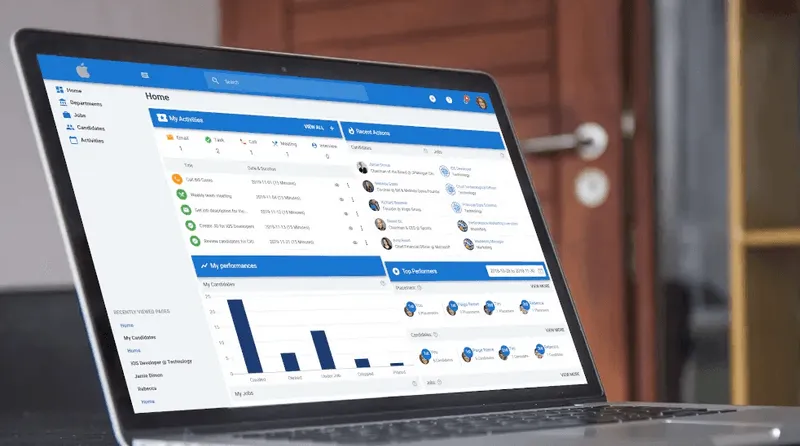


U.S. retail job openings reached about 737,000 in March 2026, up from 498,000 a year earlier, according to the BLS JOLTS survey. Retail also recorded a higher quits rate than the overall U.S. labor market, highlighting the need for retailers to keep hiring processes efficient. [1] For multi-location retailers, store-level hiring can also create coordination challenges when local managers recruit simultaneously. [2] A practical approach is to match the hiring model to each role tier, using specialized retail recruitment support for hard-to-fill management positions. This guide shows how to choose a hiring model for each role tier and run a stepwise seasonal hiring ramp that the store can follow.
What Makes Retail Recruitment Different?
The retail quits rate was about 3.0% in August 2026, versus 1.9% across all industries [3][4]. Retail quits have eased since 2021 but remain persistently above the economy-wide average, so stores continue to fill the same roles year-round. Store managers often play a key role in hiring decisions, while district leaders and HQ need visibility across locations. When each store manages hiring independently, district and HR teams can have less visibility into open roles, candidate pipelines, and staffing gaps across the network. A centralized recruitment workflow gives retailers a clearer view of hiring activity across stores while allowing local managers to retain a role in candidate selection. [5]
Choose the Right Hiring Model for Each Retail Role
Retailers rarely use one hiring approach across every position. Frontline store roles often require high-volume hiring, while leadership and specialist positions require different skills and talent pools. The hiring model should reflect the volume, skills, and business requirements of each role. The U.S. Bureau of Labor Statistics tracks retail as a large employment sector with more than 15 million jobs and separate measures for openings, hires, and turnover, reinforcing the scale and operational demands of retail hiring. [6]
1. Frontline Store Roles
Sales associates, stock associates, cashiers, and customer service associates typically require a streamlined recruitment process. Retailers may need to fill multiple openings across several stores while maintaining consistent screening standards. Use mobile-friendly applications, simple screening questions, and a streamlined hiring process that avoids unnecessary application and interview steps, as recommended by SHRM for hourly-worker hiring. [7] For seasonal peaks such as holiday shopping, increase sourcing volume and adjust hiring capacity to meet temporary increases in retail employment, which BLS identifies as a recurring seasonal pattern. [8]
Recommended Hiring Approach: Retail recruiting software, high-volume recruiting, employee referrals, local job boards, and walk-in or QR-based applications.
2. Store and District Leadership
Store managers, district managers, and regional leaders have responsibility for sales performance, staffing, operations, and customer experience. For leadership roles, use structured evaluation criteria, written interview guides, and skills-based requirements rather than relying only on years of experience. SHRM research on a retail employer found that aligning job requirements with skills and using a written interview guide was part of its approach to hiring for a manager-on-duty role. Internal mobility can also be considered when employees have transferable skills for the role, an approach highlighted in SHRM’s 2026 research on talent mobility. [9]
Recommended Hiring Approach: Targeted sourcing, employee referrals, internal mobility, specialist recruiters, and structured leadership assessments.
3. Corporate and Specialist Roles
Retail organizations also compete for candidates in merchandising, e-commerce, supply chain, analytics, marketing, finance, HR, and technology. These roles often require specific technical and functional capabilities, so define the skills required for each position before sourcing candidates. Use skills-based screening, structured interviews, and job-relevant assessments where appropriate. SHRM’s 2025 skills-first research recommends evaluating demonstrable skills and highlights behavioral interviews and structured skills assessments as practical approaches to skills-first hiring. [10]
Recommended Hiring Approach: Specialist sourcing, professional networks, skills-based screening, employee referrals, and targeted recruitment campaigns.
How to Run a Seasonal Retail Hiring Ramp
A faster seasonal retail hiring process starts with a clear workflow that store managers, district leaders, and HR teams can follow across locations. Standardization reduces unnecessary variation between stores while giving local hiring teams enough flexibility to respond to staffing needs.
Starter Stack
- An ATS with multi-store permissions, such as Manatal.
- Job boards for hourly reach, store, and district management roles.
- Google Calendar for interview slots (Outlook works the same way on Microsoft 365).
The 6-Step Seasonal Ramp
1. Forecast Hiring Demand at Store Level
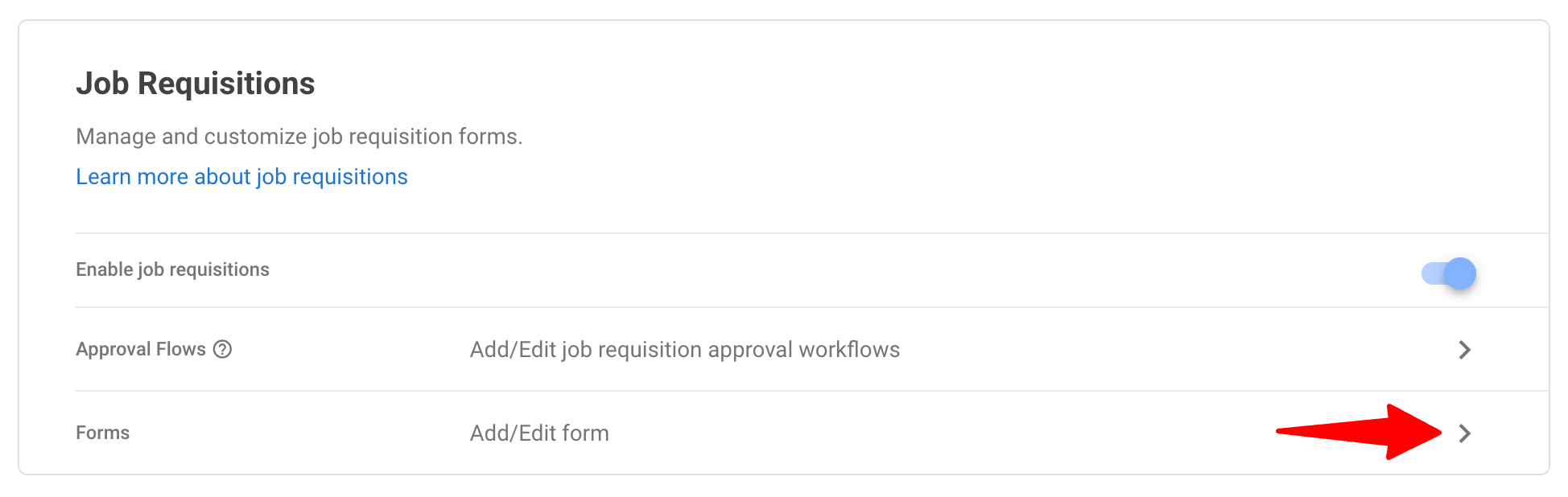
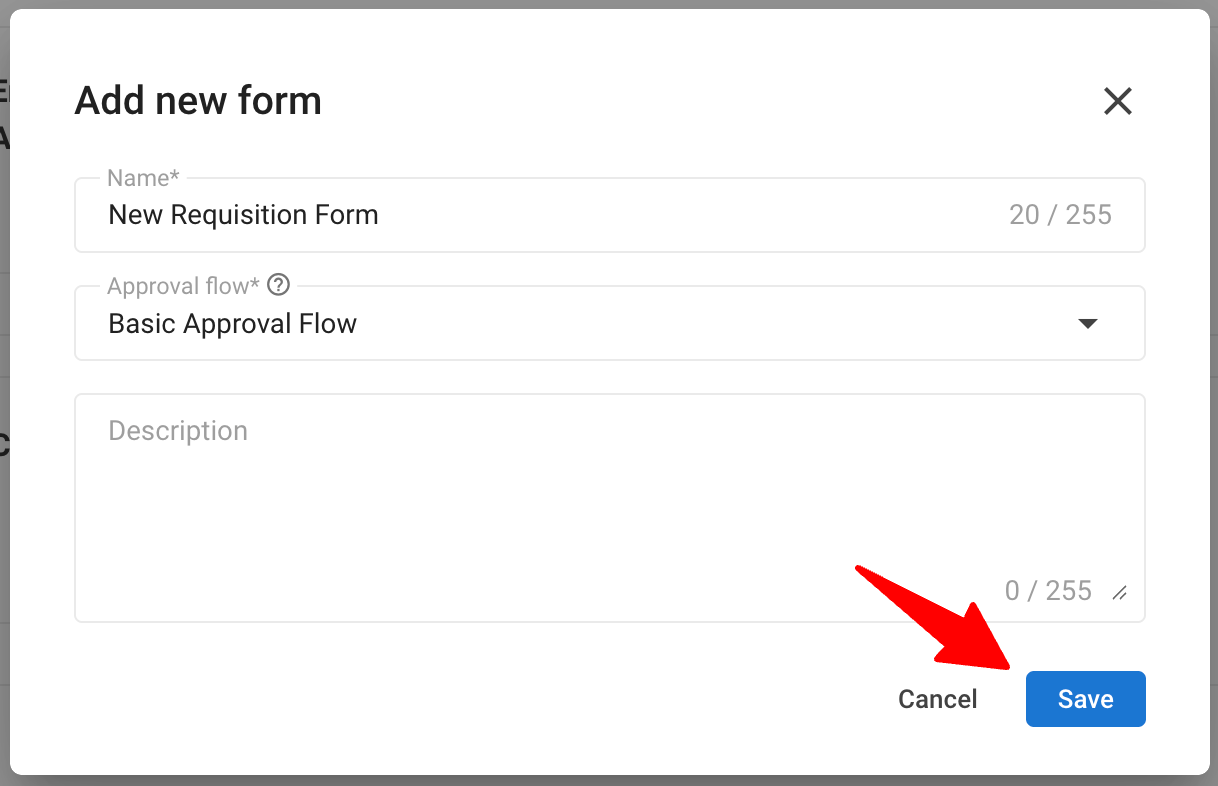
Start with expected staffing requirements for each location. Review turnover, current vacancies, store growth, operating hours, and known periods of higher customer demand. Set hiring targets for each store and define who can approve new requisitions. During seasonal peaks, use historical staffing and demand patterns to estimate additional frontline hiring needs.
How to do it in Manatal: Use Reports & Analytics to review hiring and candidate data by location, then compare current staffing needs with previous hiring patterns.
Use these insights to set hiring targets for each store before creating job requisitions.
{{cta}}
2. Simplify the Application
Retail candidates frequently search and apply for jobs on mobile devices, making a mobile-friendly application process particularly important for frontline hiring. [SHRM] Keep the application focused on information that recruiters need for initial screening. Collect essential contact details, work eligibility information, availability, and other requirements that are directly relevant to the position. Make resumes optional for roles where previous experience is not essential.
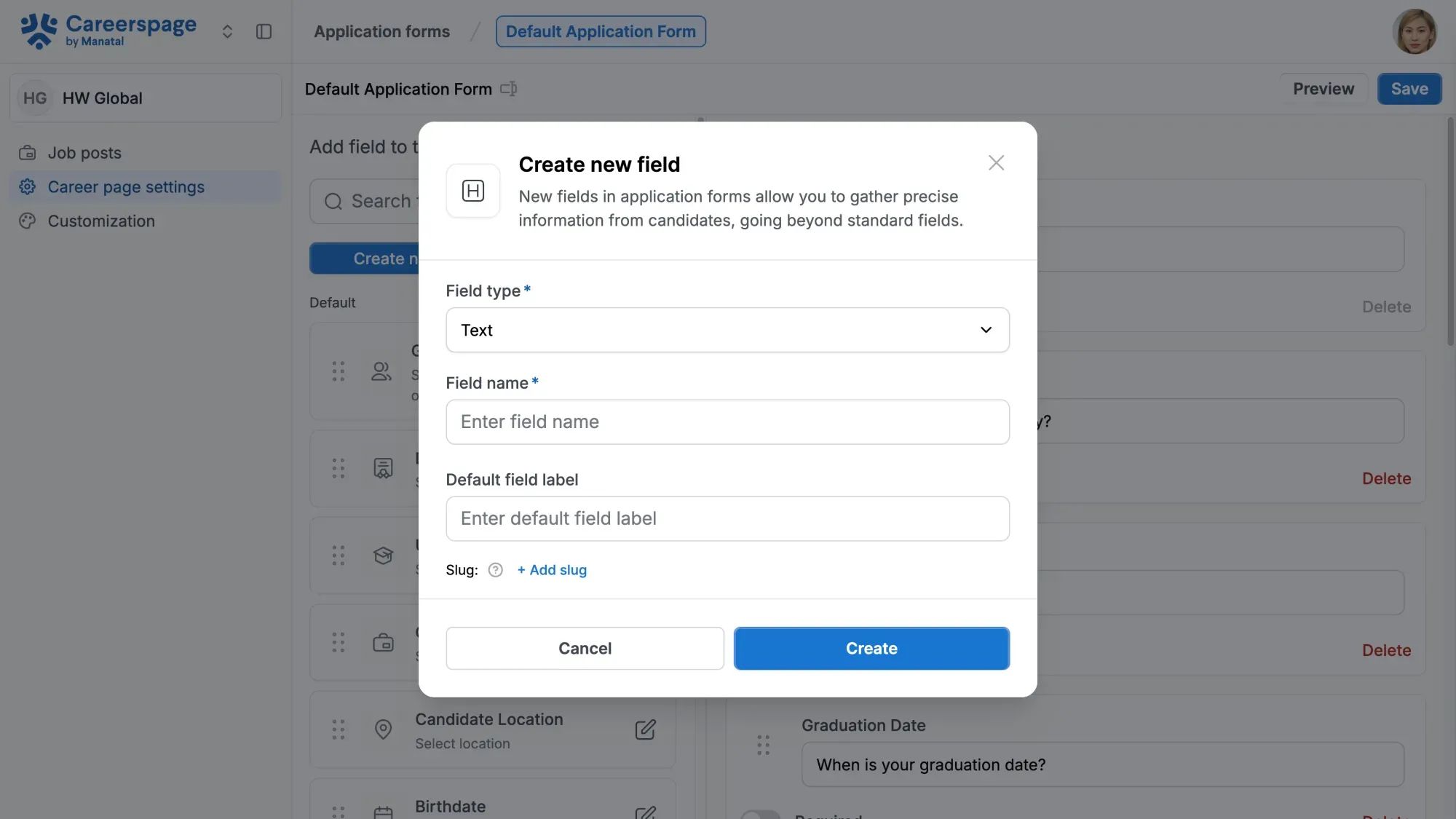
How to do it in Manatal: Customize career page application fields for each job. Add required custom fields for information such as weekend availability, preferred shifts, or relevant certifications.
3. Screen Against Consistent Criteria
Give every store the same initial screening criteria for the same role. This makes candidate evaluation more consistent and reduces the amount of time managers spend reviewing applicants who do not meet basic requirements. Use job-related screening questions for availability, required qualifications, certifications, or other legitimate requirements.
How to do it in Manatal: You can standardize screening across branches by enabling the AI Interviewer feature under Administration Settings. Once enabled, set up pre-recorded interview questions and grading criteria within each job listing, allowing candidates from all locations to be evaluated fairly against the same automated scorecard.

4. Centralize Multi-Store Hiring Visibility
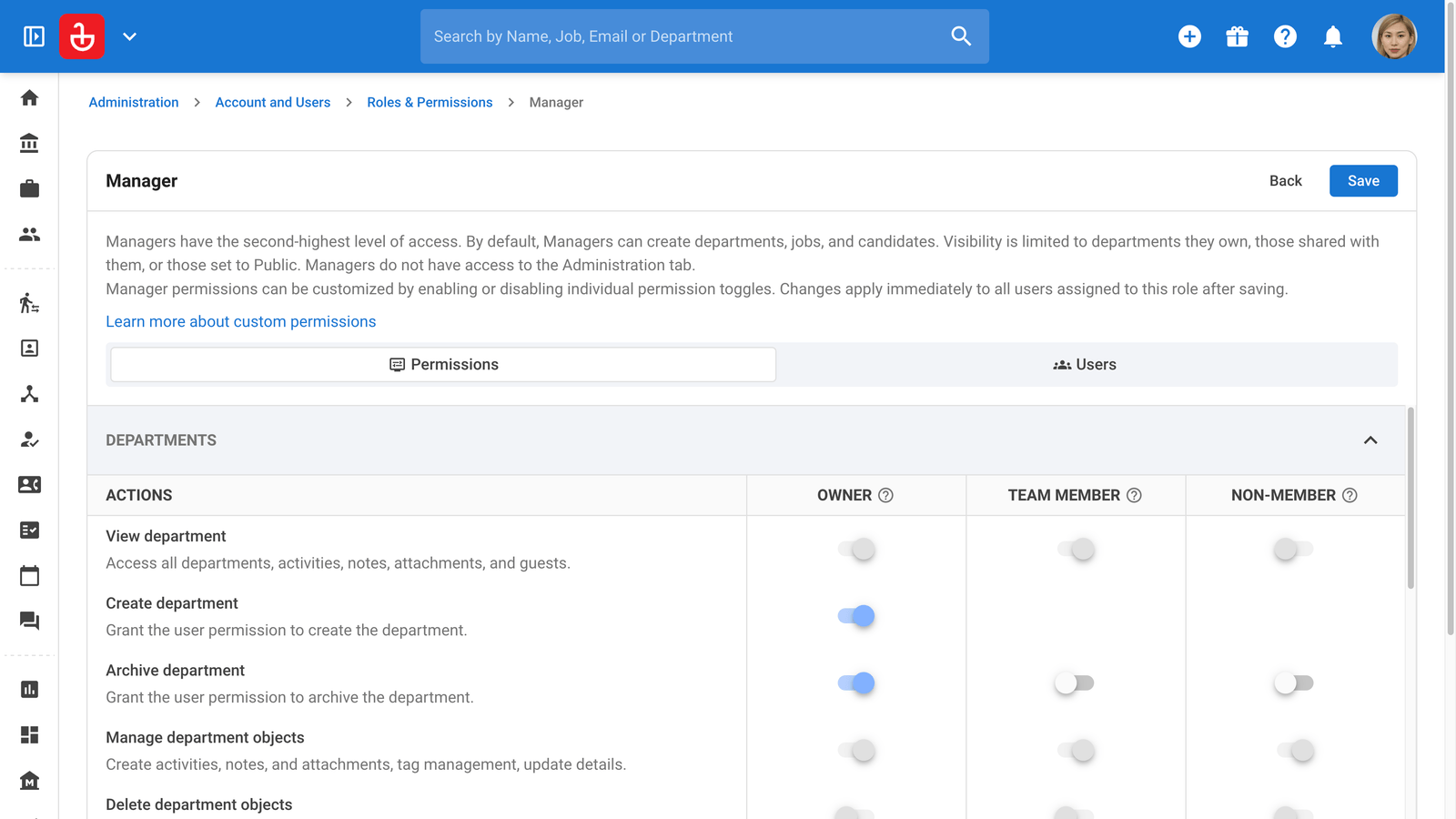
Store managers need access to candidates for their own openings, while district leaders and HR teams need a broader view of vacancies and hiring progress. A shared recruitment system can provide this visibility without requiring every team to manage separate spreadsheets.
How to do it in Manatal: Use user roles and permissions in the collaboration and team management feature to control access to jobs and candidate information. District and HR teams can monitor hiring activity across their assigned locations while store managers work within their relevant pipelines.
5. Accelerate Interviews
Use structured interview guides and consistent evaluation criteria across stores. For high-volume roles, schedule interview blocks that allow managers to meet several candidates during designated periods. Leadership and specialist roles can use longer interview processes when the responsibilities require deeper assessment.
How to do it in Manatal: Keep candidates, interview information, notes, and hiring activity within the candidate profile. Use calendar integrations where available to coordinate interview scheduling.

6. Shorten the Offer-to-Onboarding Handoff
For high-volume retail hiring, move quickly from offer acceptance to onboarding. A short, predictable process helps reduce the opportunity for candidates to reconsider their decision or accept another offer. Clear team responsibilities reduce this operational friction. Store managers and HR teams must define immediately who prepares the offer letter, who tracks candidate acceptance, and who triggers onboarding tasks such as uniform sizing, shift scheduling, and background compliance checks. Keeping centralized records updated ensures smooth communication so store teams can welcome new hires without administrative bottlenecks.
How to do it in Manatal: Automate Contract Signing: Integrate Adobe Sign or DocuSign (via Zapier Integration) directly into your pipeline to send offer letters and employment contracts for instant digital signature upon reaching the "Offer" stage.
Apply the Process to Seasonal Hiring
The core workflow can also support seasonal hiring when stores need to increase frontline headcount quickly. Retailers can reuse approved job templates, screening criteria, interview structures, and talent pools while adjusting hiring targets and timelines for the expected demand.
This keeps seasonal recruitment connected to the retailer's broader hiring process instead of creating a separate system for temporary hiring periods.
Retail Recruitment Strategies for Retention
A fast ramp fills shifts, and quality decides whether you rehire for the same role a few months later. These practices target the people who stay:
- Use employee referrals to reach candidates who are more likely to stay. A randomized study of a grocery chain found that introducing an employee referral program reduced attrition by 15%. [11]
- Keep applications mobile-friendly and remove unnecessary steps from the hiring process. SHRM recommends an easy, intuitive application process for hourly workers and specifically advises employers to eliminate inefficient steps [7]
- Give candidates realistic information about the role, including responsibilities, schedules, working conditions, and expectations. Research on retail employee turnover found that accurate and detailed job information can reduce employees’ decisions to leave. [12]
- Show employees how they can progress after joining. Research on retail career trajectories identifies the lack of skills development opportunities as a key factor in turnover. [13]
Retail hiring usually breaks down when hiring is spread across too many people, even when applicants are plentiful. When dozens of store managers each run their own inbox, spreadsheet, and interview style, HQ can't see the pipeline. Candidates get inconsistent treatment, and good applicants for one store are never offered to the store down the road. Fix the shared pipeline and the visibility first, then work on volume.
Conclusion
As store openings rise and quits rates stay above the national average, building speed and coordination into your retail recruitment strategy is essential. Balancing tech-driven high-volume hiring for hourly associates with thorough evaluations for store leadership prevents costly staffing gaps across locations. Using a structured tier-based model and a disciplined seasonal hiring ramp ensures your store managers can staff teams quickly without sacrificing quality. Manatal gives retail HR teams one pipeline across every store, with store-level permissions, shared email templates, and calendar-synced interviews. Set it up before your next seasonal ramp.
Frequently Asked Questions
Q: What is retail recruitment?
A: Retail recruitment is the process of hiring for stores and the teams that support them. It covers three tiers: hourly and seasonal associates, store and district managers, and corporate roles such as merchandising and e-commerce. Each tier needs different channels and timelines.
Q: Is it better to go through a retail recruitment agency?
A: It depends on the role. Agencies suit store leadership and executive searches, while in-house software is cheaper for repeatable hourly volume. The agency vs software vs in-house comparison above shows when each model fits.
Q: What software is commonly used for retail recruiting?
A: Most retailers use an applicant tracking system with multi-location support, paired with job boards such as Indeed and LinkedIn. Manatal's ATS supports multi-store pipelines with store-level permissions and posts jobs to multiple boards from one place.
Q: How early should retailers start seasonal hiring?
A: As a best practice, lock store headcount 10 to 12 weeks before peak, then build templates and post soon after approval. That leaves time to screen, interview, and make offers while candidates are still available. The seasonal ramp steps cover each stage.
Citations: