





Modern applicant tracking systems can reduce time to hire by automating screening, scheduling, and candidate communication, helping small teams move faster and reduce manual hiring work. [1] This guide breaks down the best applicant tracking system for small business budgets and small teams, designed for teams without dedicated IT support
Paid vs. Free Applicant Tracking Systems for Small Businesses
Choosing the right ATS software setup is critical when budget and hiring goals clash. Here is how free options stack up against paid platforms when looking for the right applicant tracking system for a small business.
Free Applicant Tracking Systems
- Strict Limitations: Usually restrict you to only one to three active job postings.
- Feature Restrictions: Offers no AI screening, no branded career pages, and zero customer support.
- The "Trap": Act more like a trial with a hard wall, forcing you to upgrade or pause hiring when you hit the limit mid-hire.
- Best Use Case: Works well only for occasional, low-volume hiring.
Affordable Applicant Tracking Systems
- Cost-Effective: Usually highly affordable, which is less than most business software subscriptions.
- Scalable: Avoids the costly restrictions of free tools when running multiple roles or building a talent pipeline.
- Risk-Free: Includes a free trial with no credit card required to test the software before buying.
Best Applicant Tracking Systems for Small Businesses in 2026
The list below focuses on tools that are actually viable for small teams: transparent pricing, low setup overhead, and no requirement for a dedicated IT or HR department.
1. Manatal
.png)
Manatal is the strongest option for small businesses that want enterprise-grade AI features without the enterprise price. The professional plan runs $15 per user per month, covers up to 15 active jobs, and holds up to 10,000 candidates. You can invite unlimited hiring managers at no extra cost. Setup takes about 15 minutes.
The key differentiator is the AI layer. When a candidate applies, Manatal's AI instantly scores and ranks them against the job criteria. For a founder reviewing 80 applications for a customer support role while also managing operations, scoring can help reduce manual screening time. The AI Candidate Enrichment feature pulls public data from LinkedIn and 20+ other platforms to automatically populate candidate profiles.
Other features included in the base plan: a company career page, one-click posting to major job boards, built-in GDPR and CCPA compliance tools, and 24/5 live chat support.
Pricing: $15/user/mo (Professional) | $35/user/mo (Enterprise)
Free Trial: Yes, 14 days, no credit card
{{cta}}
2. BambooHR
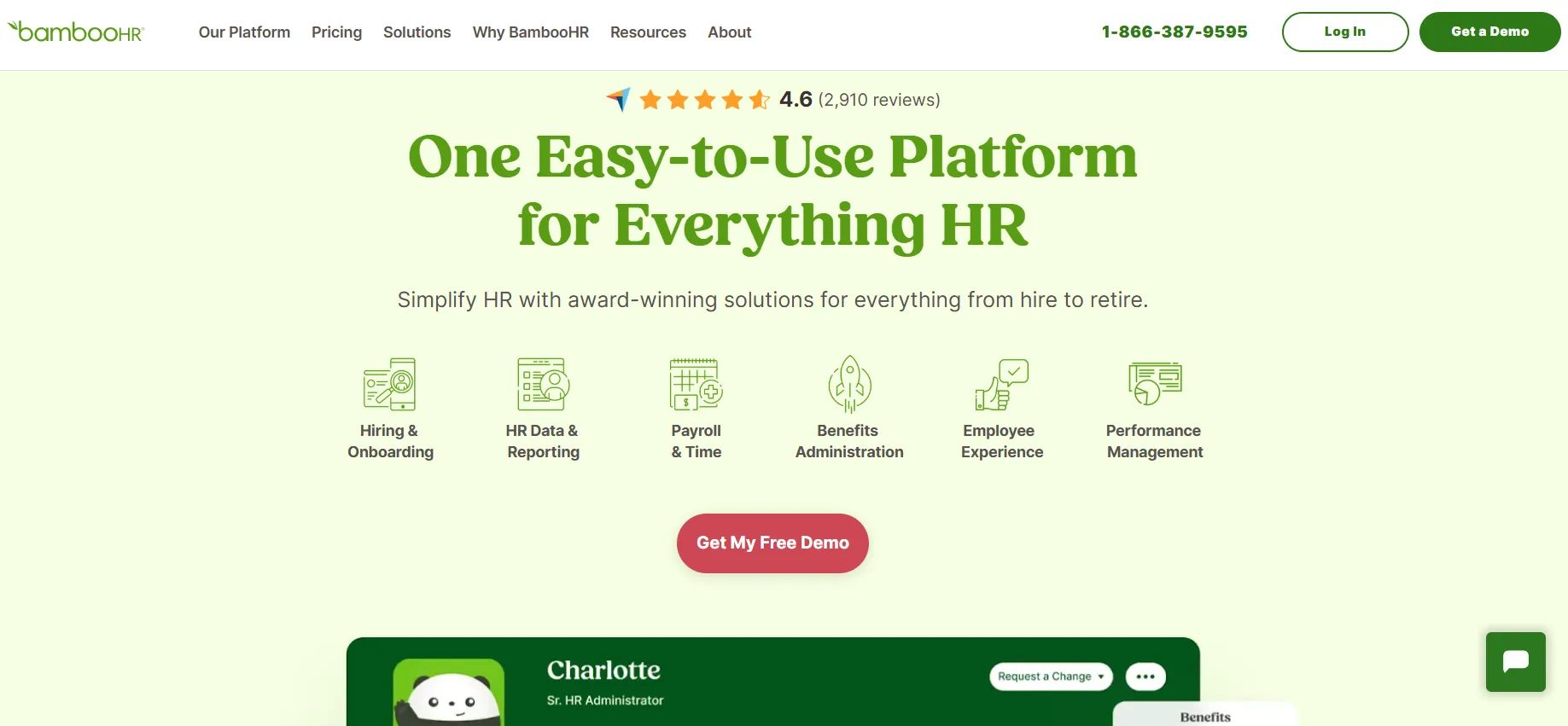
BambooHR is an HRMS first and an ATS second. BambooHR does not list rates publicly, which typically signals pricing built around company size and negotiation rather than a flat per-user rate. If you use Manatal for recruiting and BambooHR for HR management, the two connect directly through integration. Hired candidates are automatically pushed from Manatal to BambooHR, so your recruiter and HR admin never duplicate work.
.jpg)
Pricing: starts at $10 /employee/month for the Core package
Free Trial: Yes
3. Deel HR
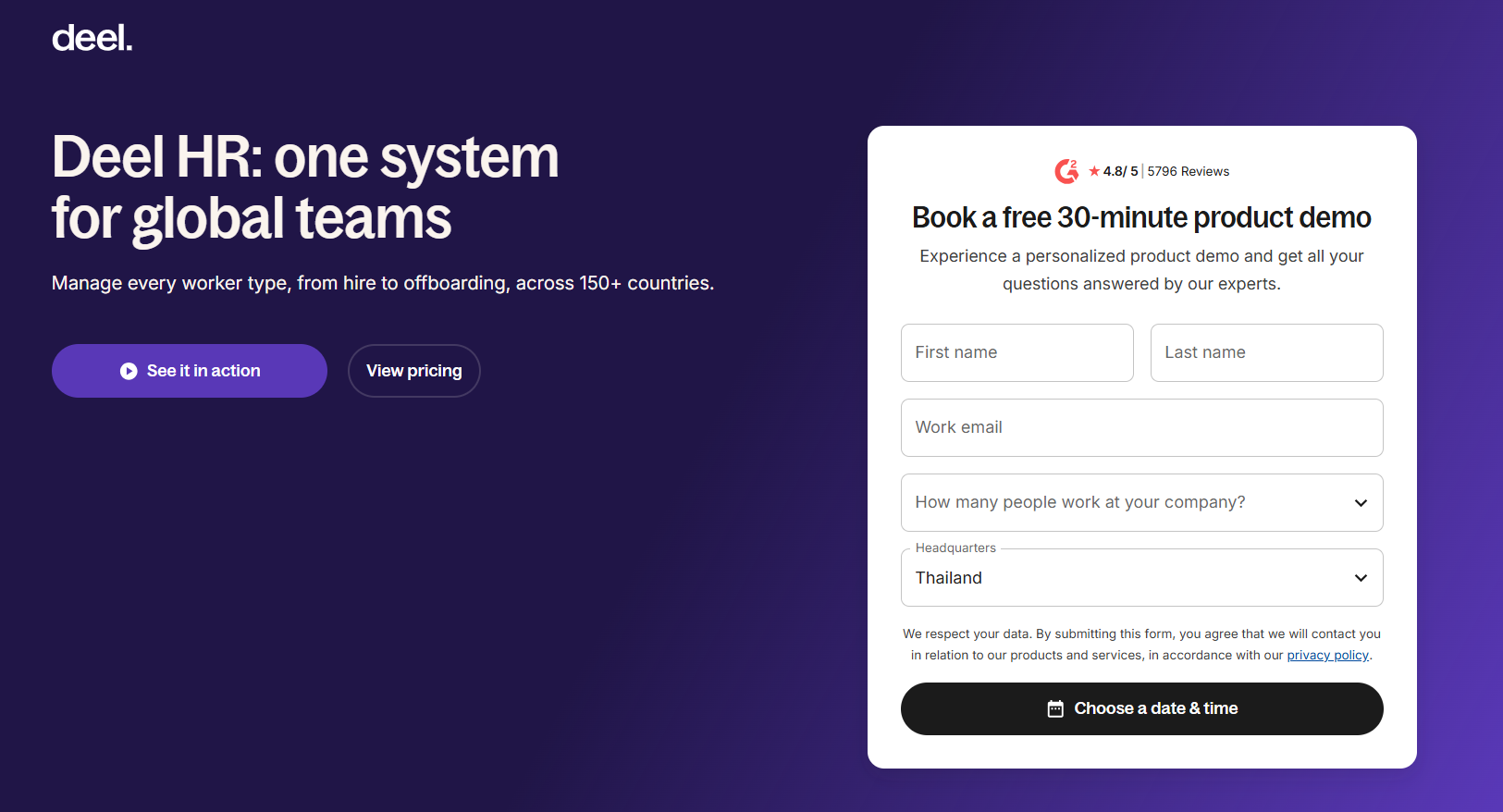
Deel HR provides recruitment tracking, specialized compliance support, and cross-border onboarding support. The application assists global organizations in managing international candidate workflows and immigration logistics.
Pricing: $5/employee/month (HRIS foundation)
Free Trial: Yes (demo)
4. Zoho Recruit
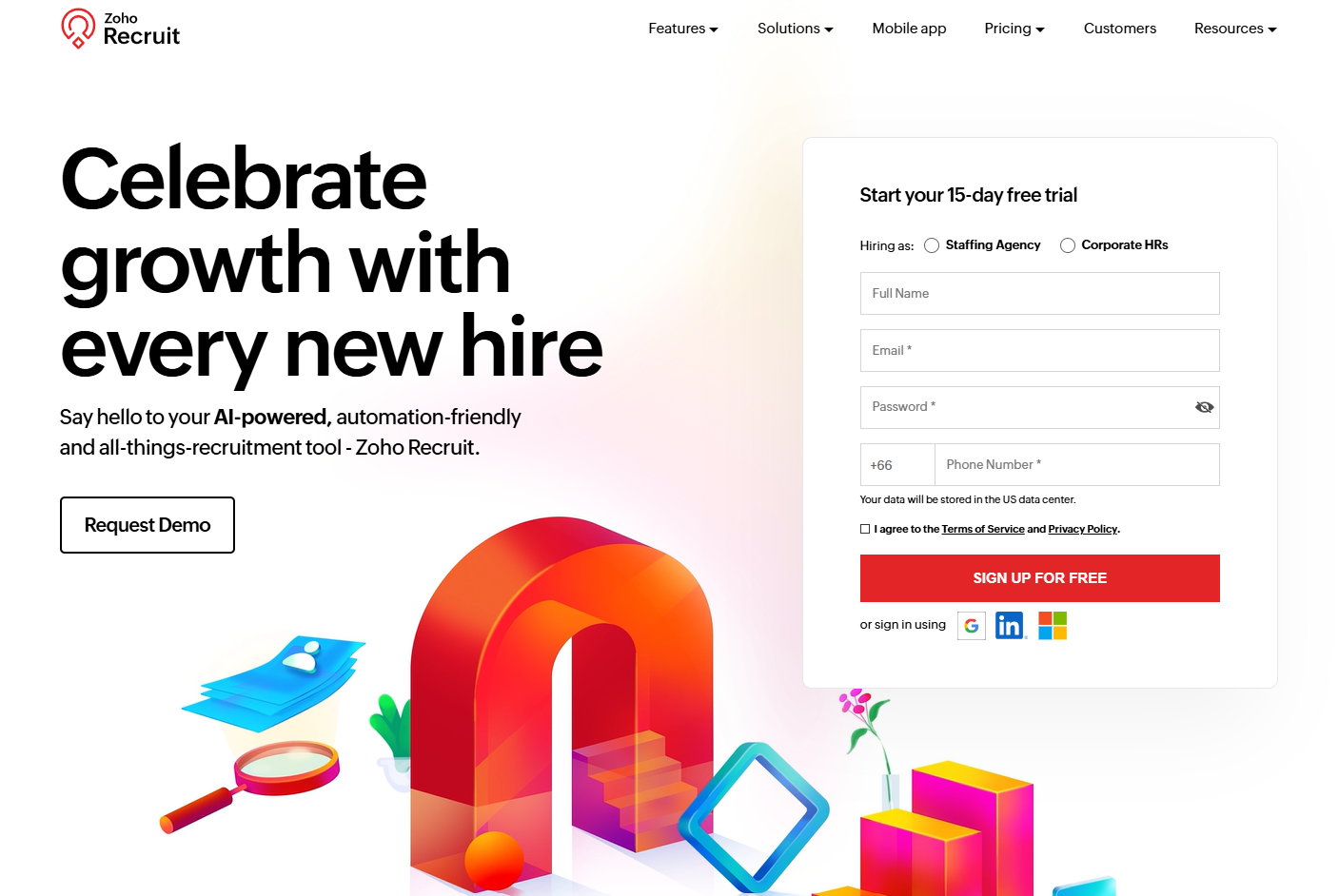
Zoho’s integration with Zoho CRM, Zoho People, and other Zoho products is its main draw. Because the applications are natively connected, data moves automatically between sales, HR, and operational systems without requiring external workarounds.
Pricing: From $25/mo
Free Trial: Yes
5. Homebase
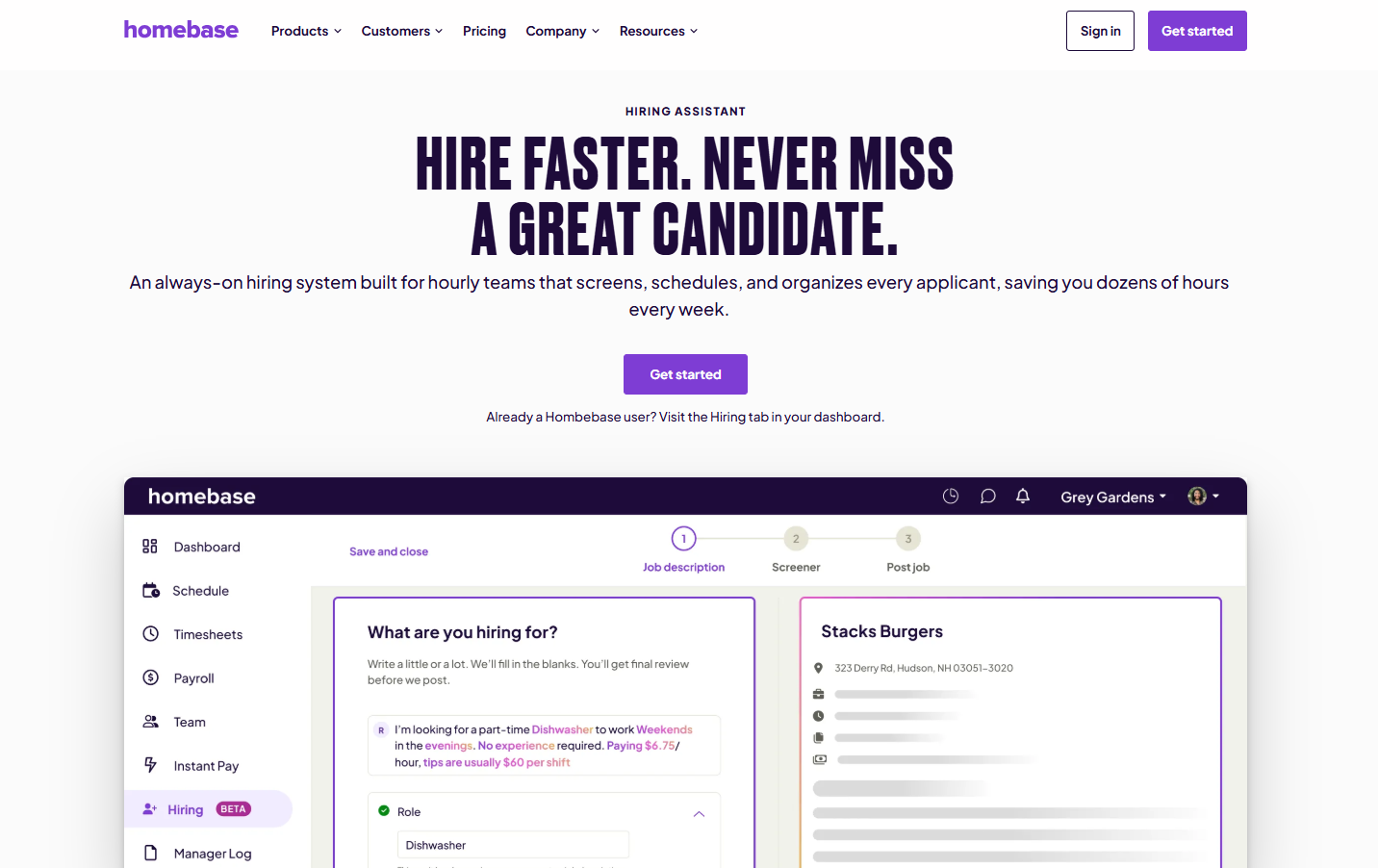
Homebase combines applicant tracking with shift scheduling and team management software. This platform is optimized for hourly workforces, local retail businesses, and food service operations.
Pricing: From $24/location/month
Free Trial: Yes
6. Folks HR
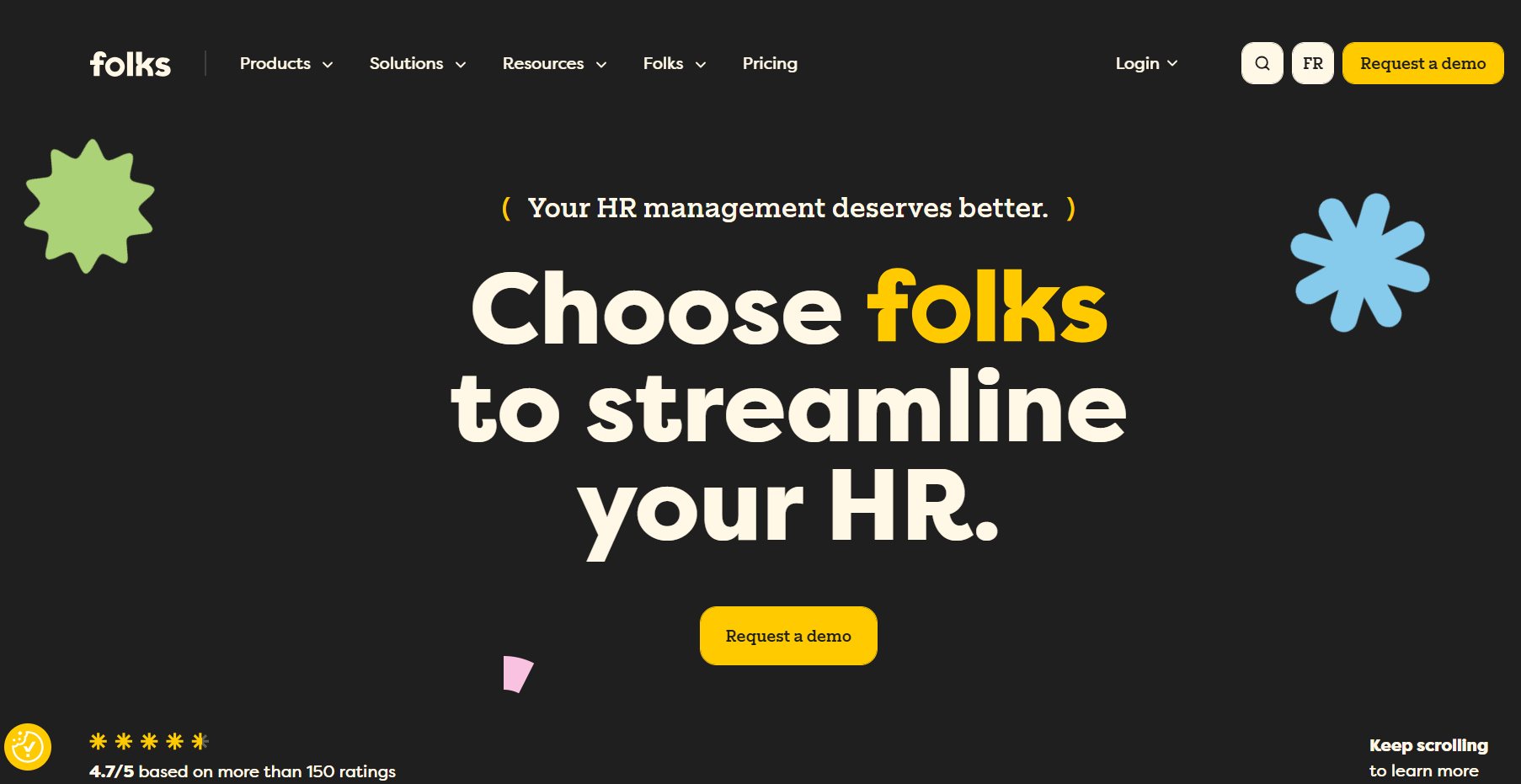
Folks HR delivers simplified applicant tracking tailored primarily for small companies and regional operations. The system coordinates basic job distribution, centralized applicant data, and electronic documentation.
Pricing: from $6/employee/month (module-dependent)
Free Trial: Yes (demo)
7. Recooty
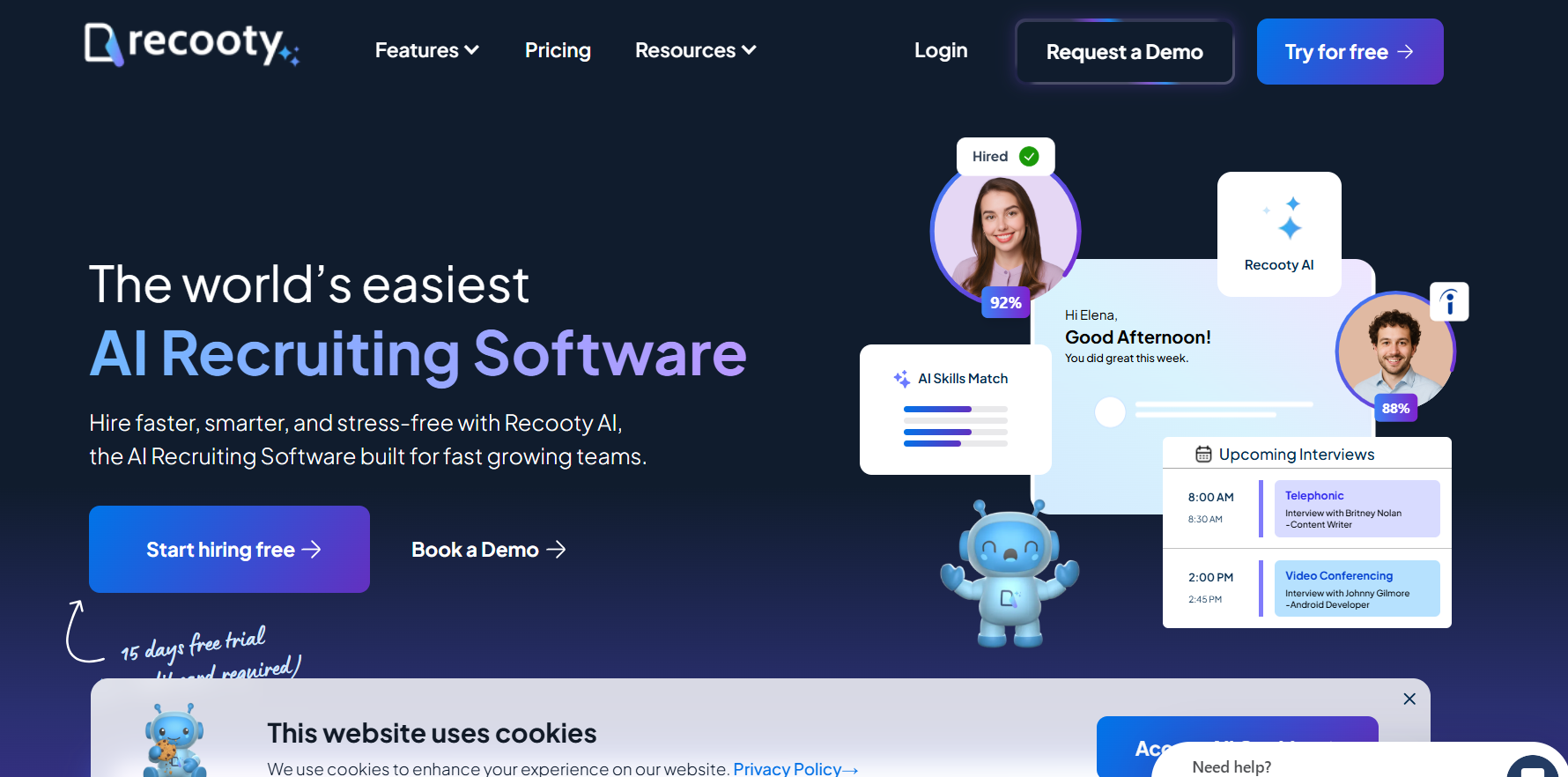
Recooty serves as a simplified candidate database, posting openings to over 250 external job networks. The system features automated fundamental screening questionnaires and a basic career page builder for low-volume hiring teams.
Pricing: starts at $79 per month (billed annually).
Free Trial: Yes
Choosing an ATS for Small Businesses
Choosing the right ATS for a small business means focusing on what actually helps you hire faster, not on extra features you may never use. Use this practical guide and checklist to evaluate your options:
1. Keep Setup & Usability Simple
- Avoid tools with lengthy onboarding or implementation phases: A good ATS for small businesses (like Manatal) takes only 15 minutes to set up.
- Intuitive Interface: The platform must be easy enough for an office manager or department head to use instantly without training or reading manuals.
2. Transparent & Affordable Pricing
- Public Rates Only: Rates should be listed publicly, showing a clear per-user cost with no hidden fees or surprise charges.
- Base Plan Values: Look for solutions that offer a free trial (no credit card required) and a base plan that includes a branded career page and lets you invite hiring managers without paying for extra seats.
3. Focus on Essential Hiring Features
- Volume-Matching Automation: If hiring 5+ people annually, you need automation, AI screening/scoring to save time, and a searchable database.
- One-Click Postings & Company Career Pages: You should be able to post to major job boards from a single interface and maintain a professional, developer-free career page.
- Mobile-Friendly Experience: Ensure the application flow is fully functional on mobile devices, as over 62% of applicants apply on mobile. [2]
4. Check Integrations & Compliance
- Integrations: Verify that the ATS instantly connects with your current tools (Google Workspace, Outlook, video conferencing, background checks) to prevent manual workarounds.
- Built-in Compliance: Ensure the tool automatically handles data privacy laws such as GDPR and CCPA, so you don't need a dedicated legal team.
- No-Cost Data Migration & Support: Confirm that migrating existing candidate data and accessing customer support are included at no additional cost.
Conclusion
Choosing an applicant tracking system for your small business comes down to fit and practicality: pick a platform that directly solves your hiring challenges with transparent pricing that scales as you grow, and look for AI features that give your small team a real competitive edge in attracting talent. Use the framework here to shortlist two or three options, take advantage of free trials, and involve your team in the evaluation.
Ready to see how an ATS can transform small-business hiring? Start your evaluation with a hands-on 14-day free trial.
Frequently Asked Questions
Q: How can an ATS help small businesses streamline candidate communication?
A: An ATS centralizes every touchpoint with candidates in one place. Automated email responses confirm receipt of applications instantly. Interview scheduling syncs directly with your calendar, removing the back-and-forth. Rejection emails go out on time, every time, which protects your employer's reputation. For a small team handling 50 applications for a single role, this alone saves three to four hours per hire.
Q: How does an ATS help manage rejection and feedback to candidates?
A: Automated messaging handles the administrative side. A candidate who applied four weeks ago and heard nothing damages your employer brand. When properly configured, an ATS sends timely status updates at every stage. It also stores interviewer feedback in a structured format, so if a candidate reapplies in the future, you have a clear record of why they were not selected the first time.
Q: Can an ATS support remote or hybrid hiring?
A: The application, screening, and initial communication stages are already digital in any modern ATS. Integration with video interview tools handles the face-to-face step. Hiring someone in a different city or country follows the same workflow as hiring a local hire. For small businesses that have expanded their candidate pool by going remote, this matters.
Q: How does an ATS help manage candidate expectations during recruitment?
A: Candidates drop out of processes when they feel ignored. Automated updates at each stage, scheduled through your ATS, remove that problem entirely. A candidate who moves from "applied" to "interview scheduled" within 24 hours has a fundamentally different experience than one who waits in silence for two weeks. That difference shows up in offer acceptance rates.
Citation:
.webp)







.webp)

.webp)


.webp)


