





Research shows that 88% of job seekers consider an employer's brand when deciding whether to apply, making employer reputation one of the strongest drivers of application intent. [1] Most corporate initiatives fail to move the needle because they treat branding as an abstract marketing campaign. Real employer branding is an operational strategy that dictates whether talent enters your recruitment pipeline or drops off entirely.
What Is Employer Branding?
Employer branding is the deliberate strategic process of shaping how job seekers and current employees perceive your company as a place to work.
There is a distinct difference between your employer brand and employer branding.
- Your employer brand is your existing reputation, whether you manage it or not.
- Employer branding is the active work you do to influence that reputation.
The foundation of this strategy is your Employer Value Proposition (EVP). Your EVP is the core promise you make to talent. It details what you offer across compensation, work culture, career growth, and work-life balance in exchange for their skills and dedication. Without a clear EVP, your branding efforts lack direction.
How to Build an Employer Branding Strategy
This actionable strategy tracks the proven methods of industry leaders like LinkedIn and Universum. [2] [3] Implement these exact steps to build a high-performing talent pipeline.
1. Audit Your Current Employer Brand
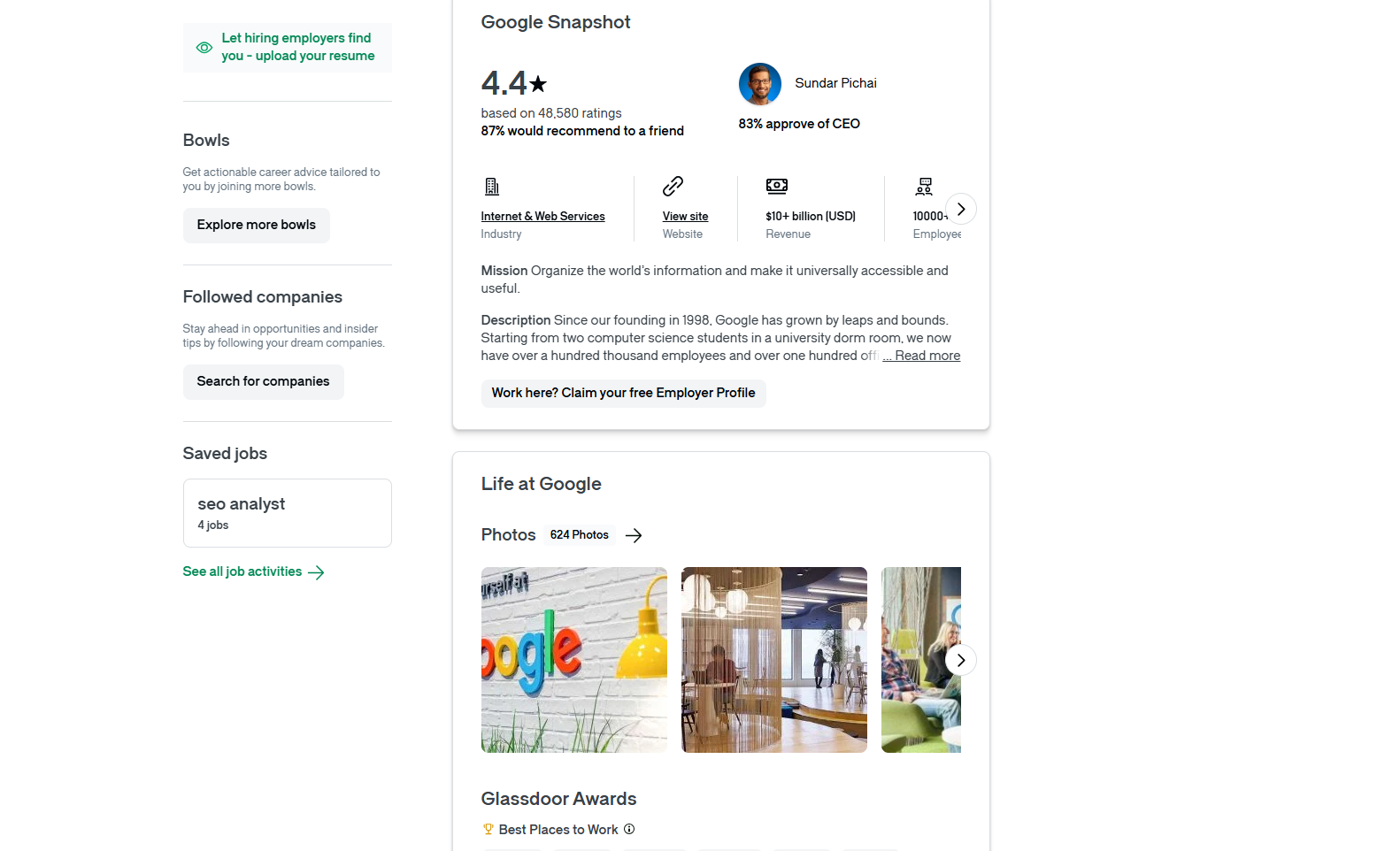
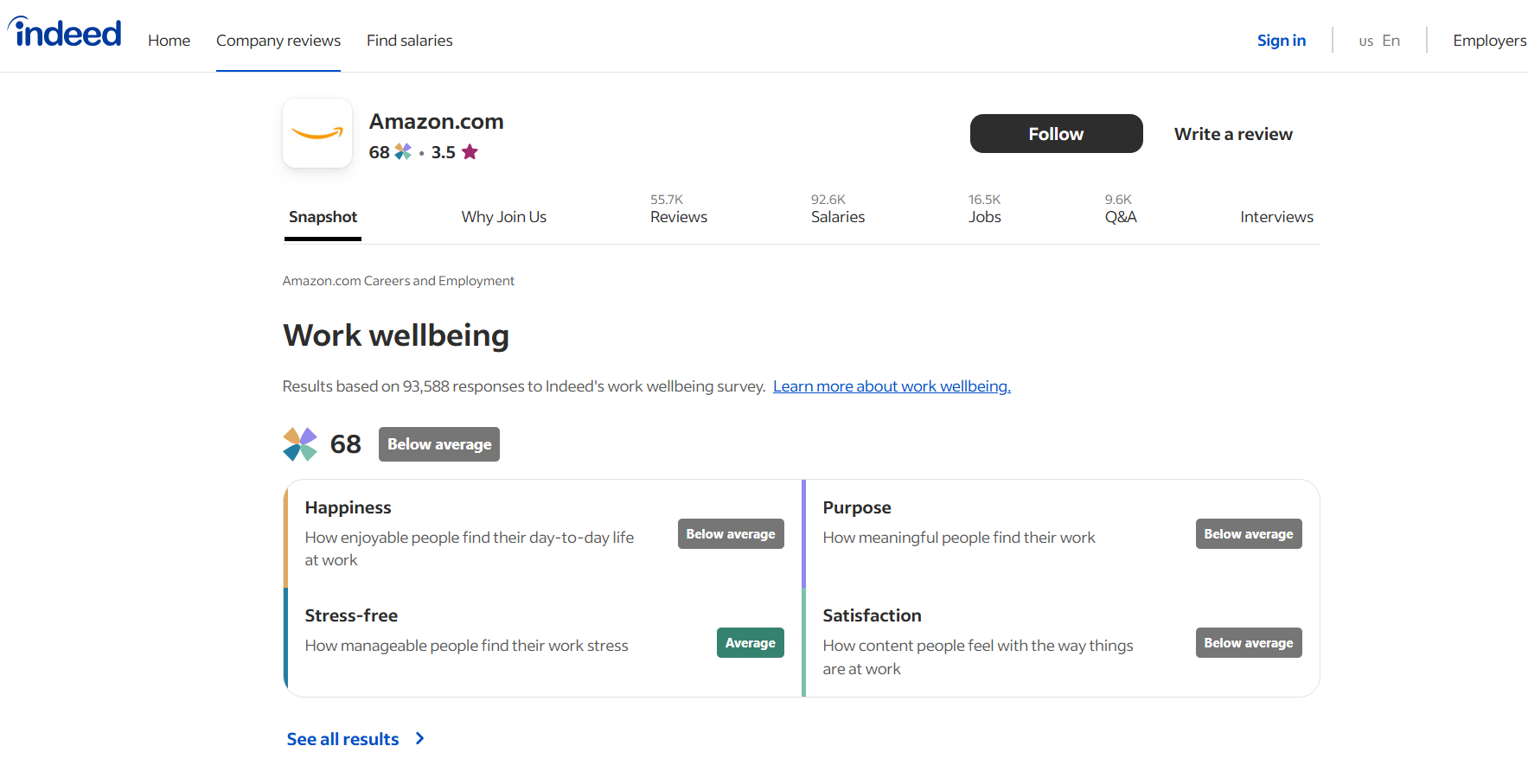
Before building your strategy, you need a clear baseline of your current reputation. Begin by scraping public reviews to pinpoint both positive and negative recurring sentiments across the web. Monitor your company pages on Glassdoor and Indeed and analyze how external audiences perceive your current workplace culture.
2. Define your EVP
Define what makes your company a great place to work by focusing on four key areas: pay, career growth, culture, and flexibility. Use your employee feedback to write honest, specific descriptions for each area. Finally, double-check these statements with focus groups across different departments to make sure your workplace reality actually matches what you promise to candidates.
- Use Miro or Mural for collaborative cross-functional brainstorming sessions. Use Notion or Confluence to document, centralize, and publish the finalized EVP framework for internal teams.
3. Align Your Career Page and Application Experience
Your company career page is your employer brand's conversion point. This page is where employer brand converts into actual candidates. A slow, generic career page causes candidates to drop out at the exact moment your branding succeeds.
Click here to see: Career Page Examples to Inspire Your Employer Branding
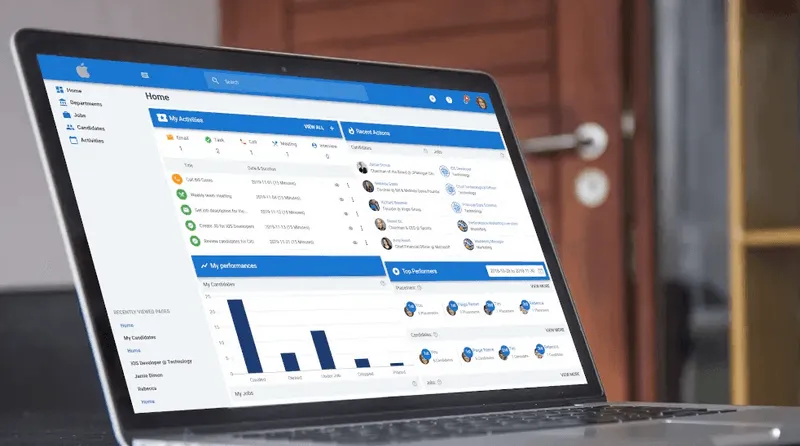
Manatal's no-code career page builder fixes this friction by letting you create a fully branded, multi-language career site on your own domain. It connects directly to your ATS so applications flow straight into your pipeline without manual data entry. You can track candidates using GA4 and Google Tag Manager, automatically score applicants with built-in AI, and scale your brand across international markets seamlessly.
{{cta}}
4. Empowering Employees as Brand Ambassadors
An authentic employer brand is driven by the real voices of your people. Encouraging your team to share their professional journeys on LinkedIn builds trust with passive candidates far better than standard corporate posts.
Here is how to build a scalable employee advocacy program:
4.1 Define What to Share
Give employees specific pillars and ideas of what makes a compelling story. Encourage them to highlight:
- Project Wins: Celebrating a product launch, a successful client onboarding, or hitting a major team milestone. (e.g., "After three months of hard work, our team just shipped the new dashboard framework...")
- Engineering & Technical Insights: Documenting how they solved a complex technical bottleneck or what they learned from a recent failure. (e.g., "We recently ran into a scalability issue with our database. Here is how we re-architected it using...")
- Daily Work Experiences: Giving a behind-the-scenes look at company culture, hackathons, or mentorship moments.
4.2 Provide the Right Tools and Guardrails
To make sharing effortless, equip your team with resources that remove the friction of content creation while preserving their authentic voice:
- Content Distribution: Utilize employee advocacy platforms like Sprout Social or GaggleAMP to push pre-approved company news, industry insights, and optional post ideas directly to employees, allowing them to share with a single click.
- Visual Assets: Create a centralized library of easy-to-use social media graphics templates in Canva. Design layouts for common scenarios (such as speaking at an event, celebrating a work anniversary, or launching a feature) so employees can quickly personalize them with their own photos and text while keeping the brand looking polished.
- Authentic Templates: Offer structural blueprints (e.g., Hook → Challenge → Solution → Takeaway) rather than rigid scripts. Remind employees that their natural style and language will always resonate more than overly managed corporate jargon.
4.3 Best Practices for Program Success
- Lead by Example: Executive and managerial participation is crucial. When leadership actively shares their own insights and tags their teams, it signals that personal branding is supported and valued.
- Offer Quick Training: Run brief workshops on LinkedIn optimization, basic storytelling frameworks, and simple Canva usage to build confidence across your workforce.
5. Tailor Your Employer Branding by Platform and Audience
To build a strong employer brand, you should showcase different aspects of your workplace culture to different audiences. Match your core pillars to the platforms where your target talent already hangs out.
- For Technical Talent: Showcase your engineering culture, tech stack, and innovation by sharing deep-dive case studies on specialized forums or technical blogs. This positions your company as an intellectually stimulating place to work.
- For Business and Commercial Roles: Share leadership insights, client success stories, and employee growth milestones on mainstream professional networks like LinkedIn to highlight your market impact and career progression.
Once you know where to share your stories, establish a consistent publishing cadence. Regular, high-quality content keeps your workplace culture top of mind for passive talent without overwhelming their feeds. Use Buffer or Hootsuite to schedule your cultural content distribution.
Why Employer Branding Matters
Investing in your reputation yields quantifiable financial and operational returns. Companies with strong brands build superior pipelines. Data from LinkedIn Talent Solutions and Glassdoor confirms the exact impact across core recruitment dimensions.
- 50% Reduction Cost-per-hire: Companies with strong brands spend half as much to source and secure candidates. You waste less budget on desperate job board spend. [4]
- 3× More Likely to Make Quality Hires: A strong employer brand attracts candidates who better match your culture and role requirements, increasing the likelihood of making high-quality hires. [4]
- More Attractive Workplace Reputation: Glassdoor reports that 77% of adults consider a company's culture before applying, making employer reputation a major factor in candidate decisions. [5]
Conclusion
Building a sustainable competitive advantage requires treating employer branding as a core infrastructure project rather than a temporary marketing push. Your reputation, your choice of sourcing tools, and your candidate application workflow dictate your overall hiring velocity. Fix the friction points in your funnel, showcase authentic team realities, and measure the direct financial outcomes. Executing a calculated employer branding strategy ensures you secure top-tier industry talent while minimizing your total acquisition costs.
Frequently Asked Questions
Q: What is employer branding in HR?
A: It is the strategic framework that talent acquisition and HR teams use to attract and retain workers. HR uses employer branding as a core people strategy to reduce talent acquisition friction and secure critical skillsets.
Q: What is an example of employer branding?
A: An example is an employee advocacy program where engineers publish technical articles about how they solved infrastructure bugs at your firm, showcasing your engineering culture directly to other developers on LinkedIn.
Q: Is employer branding marketing or HR?
A: It is cross-functional. Talent acquisition owns the strategy and outcomes, but they execute it using marketing tactics, copywriting, and digital analytics.
Q: What is the difference between employer brand and employer branding?
A: Your brand is your current passive reputation in the market. Employer branding is the active, deliberate work you perform to mold, protect, and improve that reputation.
Q: Why is employer branding important for small companies?
A: Small businesses cannot outspend massive corporations on salaries or job board advertisements. A unique employer brand is your primary competitive lever for attracting specialized talent.
Citations:
.webp)







.webp)

.webp)


.webp)


