





If you want to know how to start a recruitment agency in the UK, the decisions you make in your first 90 days will determine whether your agency reaches its first placement or closes before it does. The UK recruitment sector contributes approximately £40 billion to the economy across more than 31,000 enterprises, according to the REC's 2024/25 Industry Status Report.[1] Yet 42% of those firms told the REC that cashflow pressure constrained their growth in the past 12 months.
For a first-time founder, setting up a recruitment agency in the UK leaves little room for error. This guide covers what actually matters: choosing a business model, understanding your real startup costs, meeting your compliance obligations before you take a brief, and building systems that prevent the failures that end most agencies early.
8 Steps on How to Start a Recruitment Agency in the UK
Step 1: Select a Profitable Niche
The first step before starting your recruitment agency in the UK is to select a profitable niche for your recruitment agency, execute these specific market research and validation steps:
- Audit Your Existing Network: Map your LinkedIn connections to identify where you have direct access to hiring managers. To validate sector demand, use the ONS NOMIS Labour Market Profile to identify UK regions with high job density. For real-time demand insights, use the Data.gov.uk Online Job Postings Analyses, which provides quarterly data based on Lightcast’s tracking of millions of UK job adverts to show exactly which sectors have the highest volume of active postings.
- Calculate Niche Profitability: Perform a margin analysis using the Morgan McKinley Salary Guide to benchmark fee potential across professional services like IT, Finance, and Engineering. Aim for niches with salaries above £40,000 to ensure a minimum fee of £6,000–£8,000 per placement. If targeting the healthcare sector, use the Skills for Care Recruitment and Retention Tracker to pinpoint specific clinical and social care shortages by region, then focus your sales outreach on the geographic "hotspots" with the highest vacancy rates.
Step 2: Estimate Your Startup and Working Capital Needs
Once you have identified your niche, the next step is to manage your recruitment agency’s finances effectively. To do that, execute these specific budgeting and cash flow actions:
- Calculate Upfront & Buffer Costs: Secure £8,000–£15,000 for setup and £10,000–£20,000 for working capital. Download this Cash Flow Forecast Tool from American Express to map a 6-month "runway" assuming zero revenue. This ensures you cover fixed costs like CRM subscriptions and marketing. For your banking, use a Business Bank Account comparison tool to find a provider that offers integrated invoicing and tax pots to keep your operating capital separate.
- Bridge the Payment Gap: Because the recruitment cycle often takes 3–6 months to clear the first invoice, use an Invoice Finance matching service to find a lender if you are supplying temporary staff. This allows you to access up to 90% of an invoice's value immediately to pay contractors. To protect liquidity against slow payers, use the Government Late Payment interest guide to calculate statutory interest and compensation fees you can add to overdue invoices.
Step 3: Address UK Legal and Compliance Requirements
Now that you have your niche and budget in order, it’s time to meet UK legal requirements. To ensure that your business is legally compliant, you need to follow these specific actions:
- Define Your Model & Contracts: Decide if you are an "Employment Agency" (permanent placements) or an "Employment Business" (temporary/contract). Draft Terms of Business that clearly state fees and liability. If supplying temps, you must issue a Key Information Document (KID) to every worker before they start to comply with the Conduct Regulations.
- Data & Tax Registration: Register as a data controller and pay the data protection fee via the ICO Registration portal. To manage candidate data legally, use a GDPR consent workflow to track permissions. Register your company for Corporation Tax and PAYE through HMRC to handle business taxes and payroll for temporary staff.
To maintain ongoing compliance and avoid fines, execute the following:
- Operational Compliance: Conduct Right to Work checks for every candidate before placement using the Home Office online service. To follow the Agency Workers Regulations 2010, set a 12-week alert for all temporary assignments to trigger "equal treatment" rights regarding pay and conditions.
- Professional Standards: Join an industry body like the REC or APSCo to access legal templates and compliance audits. Use the Employment Agency Standards (EAS) inspectorate guidance to perform a quarterly internal audit of your candidate files to ensure they are inspection-ready.
Step 4: Establish Your Tech Stack
From day one, managing dual pipelines for clients and candidates on spreadsheets is a massive liability. It creates data silos, increases human error, and poses a severe GDPR compliance risk, which is a critical concern for UK agencies. To avoid losing 15+ hours a week to manual admin, you need a centralized tech stack that integrates your Applicant Tracking System (ATS) and Customer Relationship Management (CRM) into a single, automated hub.
Set up your core infrastructure using these actionable steps:
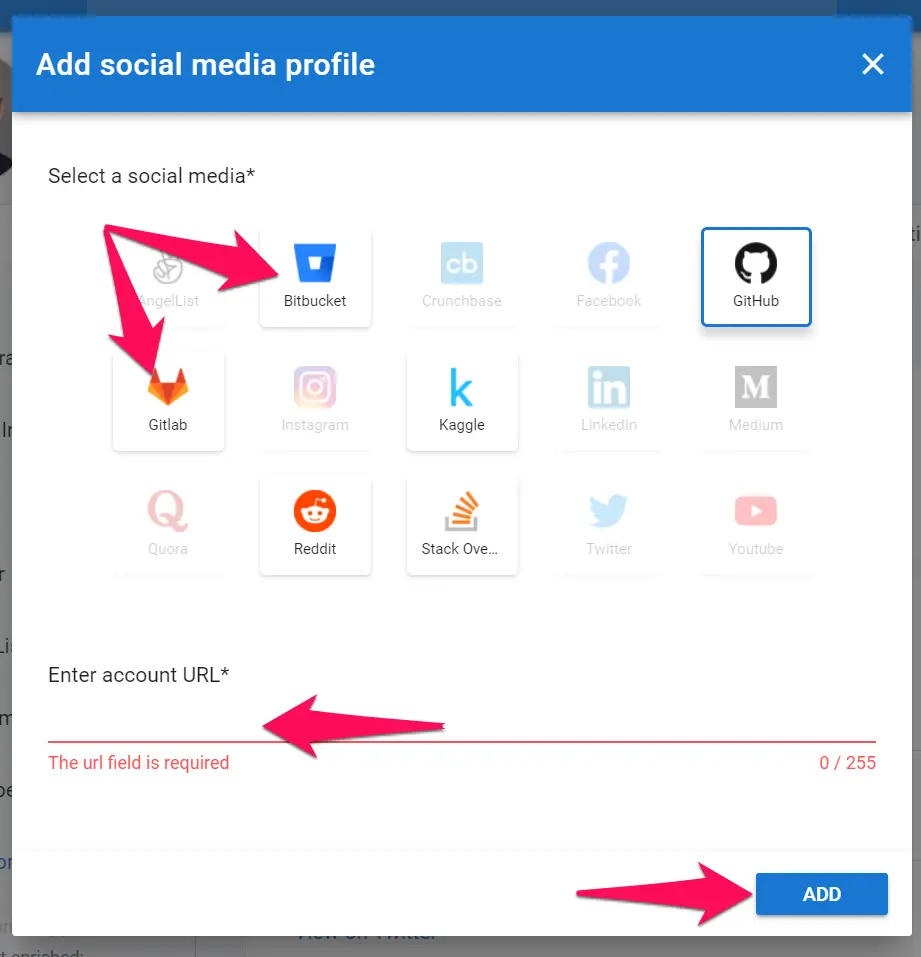
- Data Entry: Use a combined platform like Manatal to auto-parse resumes directly from LinkedIn or your inbox into formatted candidate profiles, eliminating manual typing.
- Targeted Outreach: Leverage Manatal's mass email capabilities to distribute multi-touch campaigns to prospective clients and passive talent, allowing you to scale your communications efficiently without sacrificing personalization.
- Centralize Communication: Connect your meetings and communication notes directly to your ATS/CRM. Utilize Manatal's AI Notetaker and the "Collaboration and Activities" feature to automatically transcribe calls, log email replies, and track internal updates on the correct client or candidate record.
{{cta}}
Step 5: Build Your Brand and Online Presence
Establish a professional identity by deploying a high-converting website and a verified Google Business Profile. To streamline this, use Manatal’s Branded Career Page builder to create a no-code, mobile-friendly portal that integrates with your domain. This ensures all job postings automatically reflect your brand's visual identity. Claim your profile via the Google Business portal to appear in local UK recruitment searches and begin collecting client reviews to build immediate credibility.
Maintain a consistent presence across platforms by focusing on these high-impact actions:

- Integrated Job Posting: Use Manatal to link job posts directly to your career page, ensuring a seamless application process that keeps candidates on your branded site.
- Sector Authority: Post bi-weekly updates on UK-specific trends, such as IR35 compliance or niche salary benchmarks, to position yourself as an expert.
- Direct Outreach: Connect with five hiring managers daily using LinkedIn’s Advanced Search. Personalise requests with specific company news to demonstrate your focus on quality and speed.
Step 6: Implement Client Acquisition Strategies
Starting a recruitment agency requires a proactive approach to building a strong client base from the ground up. Before reaching out to prospects, adopt a recruitment CRM to manage your sales pipeline, automate back-and-forth communication, and provide clients with transparent visibility into the hiring progress. Alongside digital tools, establish a strong online presence with a mobile-friendly website and consistent, engaging social media content to build credibility.
- Reverse-Engineer Competitor Success: Audit rival agencies' websites to identify which companies they currently serve, then leverage your network to introduce your services to those decision-makers.
- Execute Targeted Cold Outreach: When reaching out to the companies discovered in the previous point, utilize optimized subject lines and automated follow-up sequences, as cold emails can be nearly 40 times more effective than social media platforms combined for gaining new clients.
- Weaponize Candidate Relationships: Past or unplaced candidates can become your best lead generators; nurture these relationships so they advocate for your agency to their future employers.
Step 7: Build a Robust Candidate Pipeline
To fill your initial client briefs quickly without overspending, implement these immediate, short-term sourcing tactics tailored to the UK market:
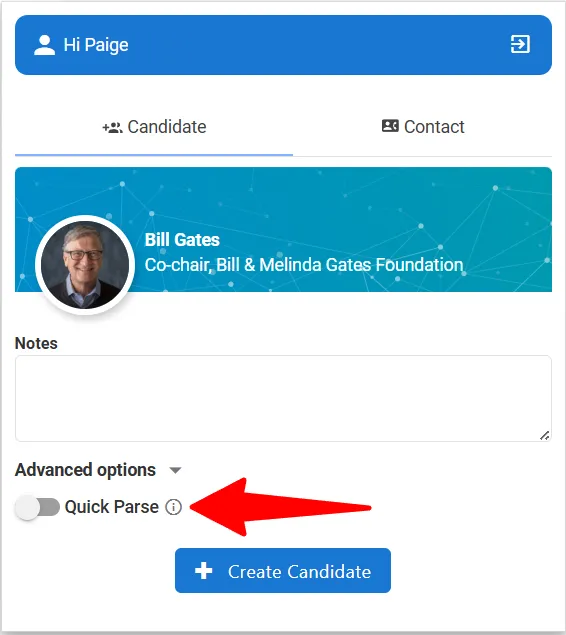
- Hack LinkedIn Sourcing: Filter candidates by specific UK postcodes, right-to-work status, and niche keywords. Bypass high LinkedIn Recruiter fees by using ATS Chrome extensions (like Manatal) to scrape, parse, and import profiles directly into your GDPR-compliant recruitment pipeline.
- Mine UK-Specific Databases: Use your ATS Sourcing Hub in tandem with major UK candidate databases (e.g., CV-Library, Reed) to instantly shortlist talent based on localized skills and immediate availability, launching targeted email campaigns to engage them instantly.
For a sustainable, long-term talent pool that consistently feeds your new agency, build automated inbound channels and proactive headhunting habits:
- Saturate UK Job Boards: Automate job distribution across top general UK boards (Totaljobs, Indeed UK) and industry-specific sites (e.g., Stack Overflow), utilizing localized search terms to capture active job seekers.
- Convert Passive Local Talent: Dedicate time daily to map out competitors' staff within your UK niche. Engage this 70% of the workforce via InMail with specific value propositions, such as better regional salary benchmarks or flexible working terms.
- Launch a Conversion-Focused Career Page: Build a localized career hub that clearly states your agency’s UK market expertise and values, acting as a landing page to capture and convert candidate traffic from your targeted social media campaigns.
Step 8: Scale and Grow Your Team
Lastly, to scale sustainably, trigger hiring only when your billable work consistently exceeds your current bandwidth. Ideally, when monthly revenue reaches $3 times your overheads. Use a Resource Capacity Planner to visualize your team’s workload or a Sales Forecast Template to confirm you have the financial runway. When you’re ready to transition from a solo operation to a team, follow this guide on how to recruit the recruiter to identify consultants who possess the billing potential and cultural fit your agency needs.
- Minimize Overhead: Before committing to full-time UK salaries, outsource admin tasks like CV formatting or LinkedIn sourcing to specialists on Upwork or Fiverr Pro to keep fixed costs low.
- Standardize Operations: Use Loom to record screen-share tutorials of your specific workflow and store them in a Notion workspace to create an instant training manual for new hires.
- Centralize with Tech: Implement Manatal’s AI recruitment platform to manage your database; use its AI candidate scoring to automate screening and its recruitment CRM tools to monitor team KPIs like CV-to-interview ratios.
- Maintain Compliance: Stay updated on UK regulations via the REC and use Manatal’s automated triggers to ensure your new staff consistently collect mandatory GDPR and Right to Work documentation.
Detailed Cost Breakdown by Business Model
Most first-time founders underestimate what it costs to launch a compliant, operational agency. The figures below separate one-time costs from recurring monthly costs and show how your model choice affects your capital requirement.
One-Time Startup Costs
Monthly Recurring Costs by Model
Cash Flow Timeline by Model
This is where most new founders miscalculate. You incur monthly costs from day one. Revenue arrives much later.
Permanent (perm) model: Your first placement fee will typically clear 6 to 12 weeks after you receive your first brief. From a standing start, most new perm agencies take 3 to 4 months to generate their first invoice. Budget for at least 4 months of fixed costs as working capital before you launch.
Temp and contract model: Once workers are on assignment, you invoice weekly and receive payment within 30 to 60 days depending on client payment terms. But you pay workers before clients pay you. For a new temp desk without any working capital facility, this gap is the primary operational risk. One in five established UK recruitment agencies depends on external finance or credit just to manage day-to-day operations, according to the REC's 2024/25 data. Invoice financing or a funding facility must be in place before your first temp placement, not after.
Common Failure Points
Most new UK recruitment agencies fail for predictable reasons. The table below maps the most common failure points to their root causes and the specific fixes that address them.
- Cash runs out before first placement: no working capital model and unrealistic time-to-revenue assumptions lead to closure before validation; fix by building a four-month fixed cost buffer before launch
- GDPR breach in the first 90 days: delayed ICO registration and poor data handling expose the business to enforcement and client loss; fix by registering with the ICO before engaging any candidates
- Placement fee not collected: absence of signed Terms of Business and candidate ownership clauses removes the legal basis to invoice; fix by drafting and legally reviewing TOBs before contacting clients
- AWR breach on a temp desk: no system to track worker tenure creates tribunal risk; fix by using an ATS that tracks assignment start dates and flags week 12
- No clients after three months: overly broad niche and unclear value proposition result in zero revenue; fix by defining one sector and one job type before launch
- Candidate data deletion failure: lack of retention policy and audit trail leads to SAR non-compliance and enforcement risk; fix by setting data retention rules in your ATS before storing any data
- First client terminates agreement: vague or unreviewed terms trigger disputes and lost fees; fix by using solicitor-reviewed TOBs with clear rebate conditions
- Temp workers paid incorrectly: manual payroll errors and incorrect statutory calculations create HMRC and tribunal exposure; fix by implementing a dedicated payroll system or using an umbrella partner from day one
Step-by-Step Launch Checklist
Complete these steps in sequence. Each one has a dependency on the previous.
- Register your limited company at Companies House. Digital incorporation costs £100 as of 1 February 2026. Identity verification is now mandatory for all new directors and Persons with Significant Control under the Economic Crime and Corporate Transparency Act 2023. Timeline: 24 to 48 hours.
- Register with the ICO. Do this before you process any personal data. A candidate's name, email address, and CV count as personal data. The Tier 1 annual fee is £52 for organisations with a turnover under £632,000 or up to 10 staff members. Operating without registration is a criminal offence under the Data Protection Act 2018. Timeline: immediate online registration.
- Register with HMRC. Register for Corporation Tax and Self Assessment. If you are launching a temp desk, register for PAYE immediately. Timeline: 2 to 4 weeks.
- Open a business bank account in the company name. UK challenger banks including Tide, Monzo Business, and Starling can onboard a new limited company within 48 hours. You need this before you can invoice clients or receive payments.
- Draft and legally review your Terms of Business before any client contact. Cover: placement fee percentage and basis, payment terms, rebate and replacement triggers, candidate ownership period (minimum 12 months from introduction), exclusivity terms, and liability limitations. Budget £200 to £500 for a solicitor review.
- Set up your ATS and CRM before entering any candidate data. Configure pipeline stages, consent management workflows, data retention rules, and your client pipeline structure before you create your first record. Retrofitting compliance into a populated system costs more in time and risk than building it correctly at the start.
- Set up professional indemnity and public liability insurance. Annual combined cost for a solo agency typically runs £450 to £850. Confirm that your policy covers the specific sectors you intend to work in.
- Publish your GDPR privacy notice on your website. This is a legal requirement under UK GDPR Article 13. It must explain what data you collect, why you collect it, how long you retain it, and how candidates can exercise their rights. Your ATS should link to this notice at the point of candidate data capture.
- Build your candidate pipeline before your first client call. A specialist agency with 50 to 100 consented, qualified candidates in a defined sector can demonstrate active candidate availability from the first conversation with a prospective client. That changes the dynamic of early BD conversations.
- For healthcare, social care, or education placements: Begin the relevant framework accreditation process before approaching NHS trusts or local authorities. Allow 3 to 6 months for accreditation. You cannot compliantly supply regulated settings without it.
Conclusion
How to start a recruitment agency in the UK comes down to execution, not ideas. Founders who succeed align their business model with their capital, meet compliance requirements before trading, and build structured systems from the start.
If you are setting up a recruitment agency in the UK, focus on three things: cash flow, niche clarity, and pipeline development. Agencies that reach year two do these early. Agencies that fail delay them.
This is not a capital-intensive business, but it is timing-sensitive. Get the sequencing right, and the model works.
Frequently Asked Questions
Q: Do I need a licence to start a recruitment agency in the UK?
A: If you are researching how to start a recruitment agency in the UK, you do not need a general trading licence in most cases. You must comply with the Employment Agencies Act 1973 and the Conduct Regulations 2003, but there is no separate licence application. The exception is labour provision in agriculture, food processing, and shellfish gathering, which requires a Gangmasters and Labour Abuse Authority (GLAA) licence. Healthcare staffing to NHS settings requires NHS Workforce framework accreditation, which is a separate process with a 3 to 6 month lead time.
Q: What is the difference between an employment agency and an employment business?
A: When setting up a recruitment agency in the UK, you need to understand this distinction early. An employment agency places candidates into permanent roles and earns a fee from the client after a successful hire. An employment business supplies temporary workers, acts as the employer of record, and invoices the client for a margin above the worker's pay rate. The distinction is legally defined under the Conduct Regulations 2003. It determines your payroll obligations, contract structure, AWR compliance requirements, and your liability when a placement fails. You can operate as both, but your contracts and systems must clearly reflect which model applies to each engagement.
Q: When do I need to register with the ICO?
A: If you are learning how to set up a recruitment agency in the UK, ICO registration is not optional. You must register before you process any personal data. A candidate's name, email address, phone number, and CV all count as personal data under UK GDPR. Register with the ICO before you speak to your first candidate. The Tier 1 annual fee is £52 for organisations with turnover under £632,000 or up to 10 staff members. Operating without registration when you are required to pay the fee is a criminal offence under the Data Protection Act 2018, with a maximum ICO fine of £4,350 for non-payment.
Q: How long does it take to make a first placement fee?
A: A common question when starting a recruitment agency in the UK is how quickly revenue comes in. From a standing start, expect 8 to 16 weeks before your first invoice clears. This assumes you have a defined niche, an active candidate database, and are in conversations with prospective clients at launch. Budget for 4 months of fixed costs as working capital before you open. If your first placement comes faster, that buffer becomes growth capital. If it takes longer, it keeps you operational.
Q: Do I need to register for VAT when I launch?
A: For founders setting up a recruitment agency UK, VAT registration is not required immediately. The threshold is £90,000 in taxable turnover on a rolling 12-month basis. Most new agencies will not cross this in year one. You must monitor your rolling turnover from day one and register with HMRC before you exceed the threshold. Voluntary registration can make sense if your clients are VAT-registered businesses, as it allows you to reclaim input VAT on your own costs.
Note: This threshold may change from April 2026. Check current HMRC guidance.
Citations
.webp)








.webp)

.webp)


.webp)


