





The average role in the US takes 42-45 days to fill, and the average cost per hire for non-executive roles is $5,475, according to SHRM's 2025 Benchmarking Report. [1] It goes without saying that the traditional recruitment process has proven time-consuming and costly, prompting many organizations to seek innovative solutions. Recruiting platforms exist to put that control back in your hands. This guide breaks down what they actually are, what sets paid tools apart from free ones, and how to evaluate which option best fits your hiring volume before you sign anything.
What Is a Recruiting Platform?
A recruiting platform is software that manages the full hiring pipeline, from publishing a job opening to sending an offer letter. It replaces the fragmented process of manually posting jobs on individual sites, sorting resumes in your inbox, tracking candidates in a spreadsheet, and chasing hiring managers for feedback.
Drawing a clear line between two overlapping categories:
- Applicant Tracking Systems (ATS) handle the internal pipeline. They give you a structured view of every candidate at every stage, automate communication, and store the data you need for compliance reporting. A good ATS tells you exactly where every open role stands at any moment.
- All-in-one recruiting platforms go further. They fold the ATS into a broader infrastructure that includes multi-channel job posting, sourcing from professional networks, AI-driven candidate scoring, a recruitment CRM for agency pipelines, and integrations with premium job boards at your contracted rates.
Paid vs. Free Recruiting Platforms
While recruiting platforms efficiently streamline your hiring process, the level of control and functionality you get varies significantly depending on your budget.
- What Free Recruiting Platforms Typically Offer: Basic tools suitable for filling a small number of roles, such as applicant tracking and manual job posting to limited boards.
- What Free Recruiting Platforms Often Lack: Multi-board posting, AI resume screening, EEO/compliance reporting, CRM functionality, premium board integrations, advanced analytics, or support. Some free tools may lack enterprise-grade security and compliance controls.
Some paid platforms, including Manatal, offer extended free trials specifically so you can measure that ROI against your actual workflows before committing.
Top Recruiting Platforms for 2026
Manatal

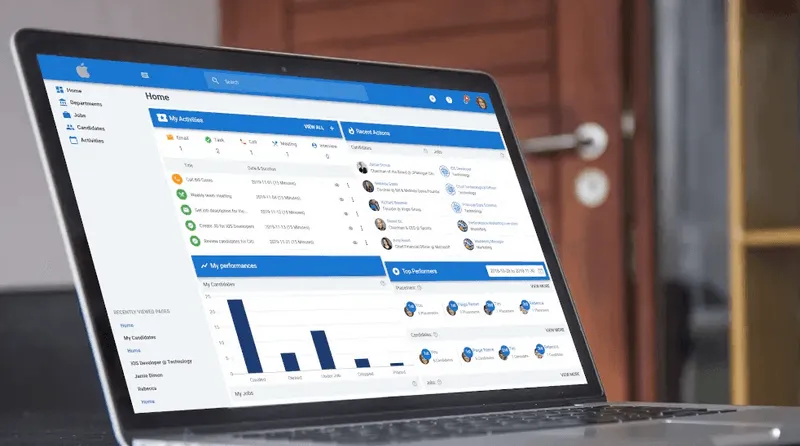
Manatal is an AI-powered recruiting platform built for HR teams, staffing agencies, and executive search firms that need a single system to manage their entire pipeline. It combines an ATS with a recruitment CRM, AI candidate scoring, and multi-channel candidate sourcing. What makes Manatal stand out is its integration with other recruiting platforms, allowing you to save time and effort by managing all your hiring activities in one place. It also offers a user-friendly interface, customizable workflows, and advanced reports and analytics tools.
Pricing:
- Professional Plan: $15 per user per month
- Enterprise Plan: $35 per user per month
- Enterprise Plus: $55 per user per month
{{cta}}
LinkedIn Recruiter

LinkedIn Recruiter is a popular choice for recruiters looking to tap into LinkedIn's vast network of professionals. It comes with advanced search filters, personalized recommendations, and InMail messaging. LinkedIn is unique for its advanced search filters and intelligent matching. This recruiting platform also provides reports and insights, allowing you to accurately track your performance.
Pricing:
- LinkedIn Recruiter Lite: $170/month per single license
- LinkedIn Recruiter Professional Services: $500-$850/month per single license
- LinkedIn Recruiter Corporate: $1,080/month per single license
You can check out this blog for more answers to, ‘How much is LinkedIn Recruiter?’
HiBob
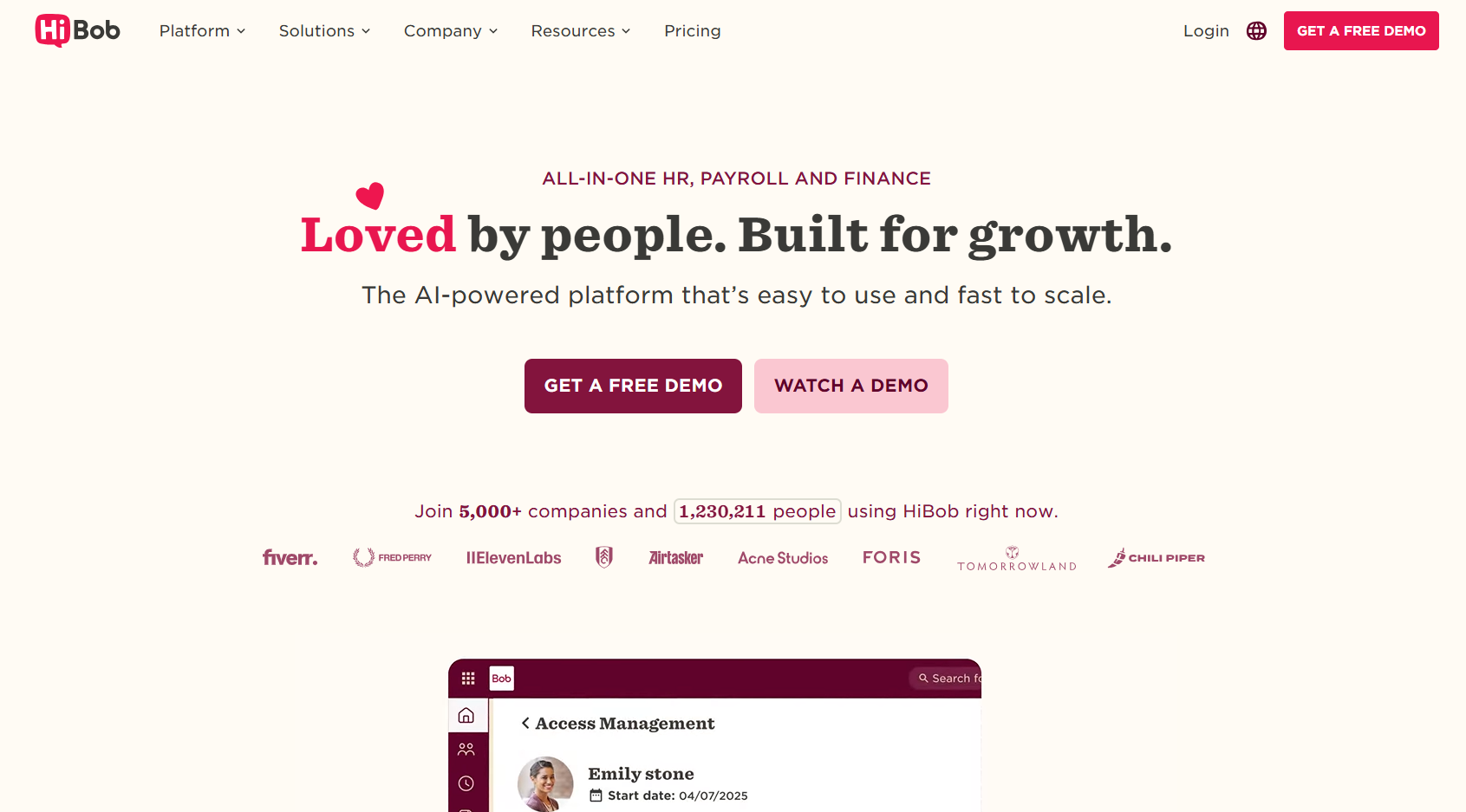
HiBob (also known as Bob) is a modern HRIS system focused on employee engagement, onboarding, workforce management, and company culture. While not a dedicated recruiting platform, it integrates with ATS systems and supports onboarding and internal talent mobility.
Pricing:
- Customized based on your company’s size
Leoforce
Leoforce is an advanced AI talent sourcing platform (powered by Arya). Its sole focus in recruiting is to use predictive analytics and machine learning to scour hundreds of professional networks, instantly surface high-quality passive candidates, and rank them based on historical hiring success.
Pricing:
- Custom enterprise pricing
WorkDigital
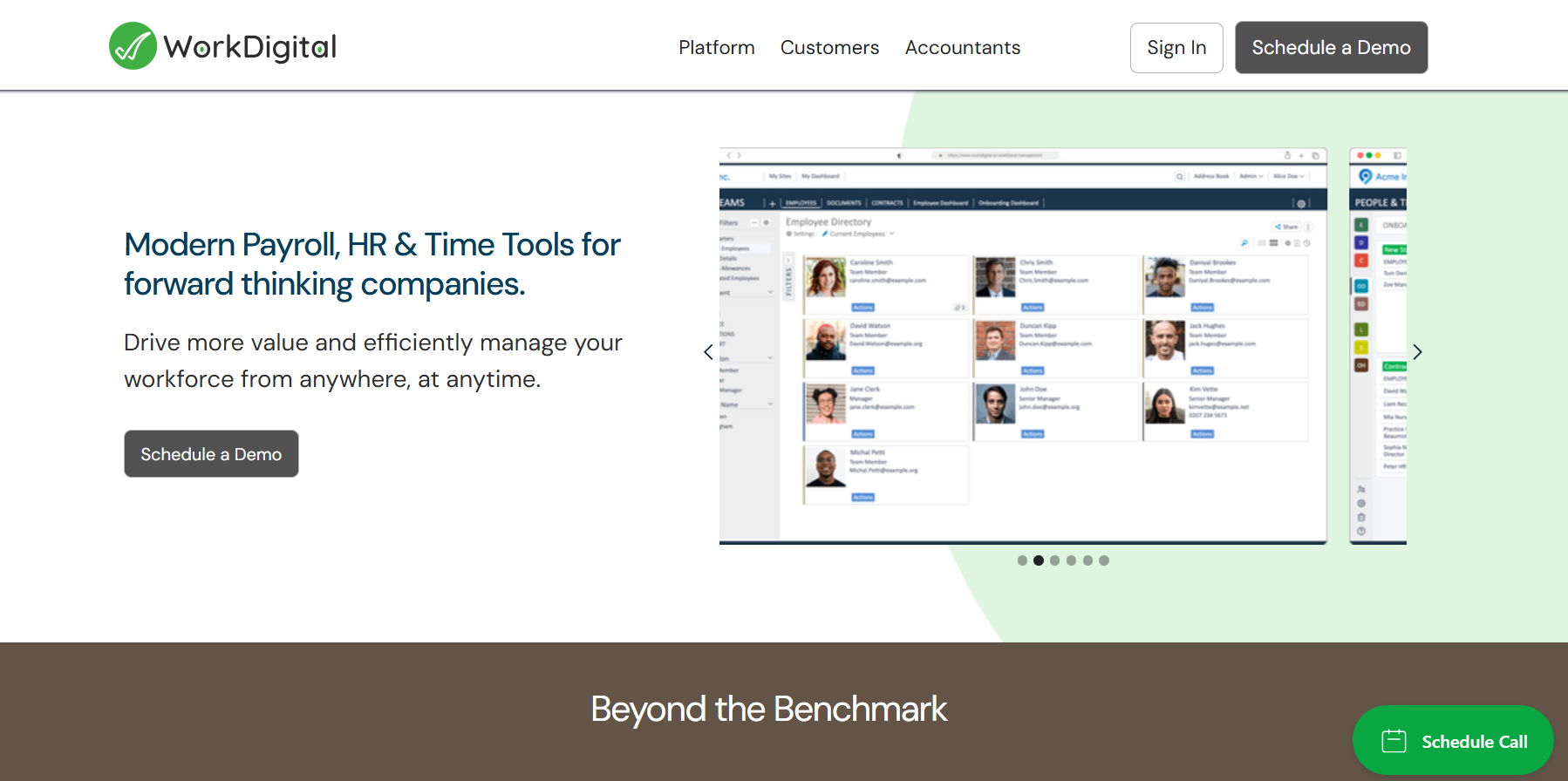
WorkDigital specializes in data-driven background screening, candidate verification, and talent assessment. It helps recruitment teams drastically reduce time-to-hire by automating reference checks, evaluating legal compliance, and verifying candidate credentials efficiently before the final job offer is made.
Pricing (Per Employee)
- Starter Plan: £5 per employee/month
- Pro Plan: £7 per employee/month
- Enterprise Plan: custom pricing via sales consultation
Omni HR
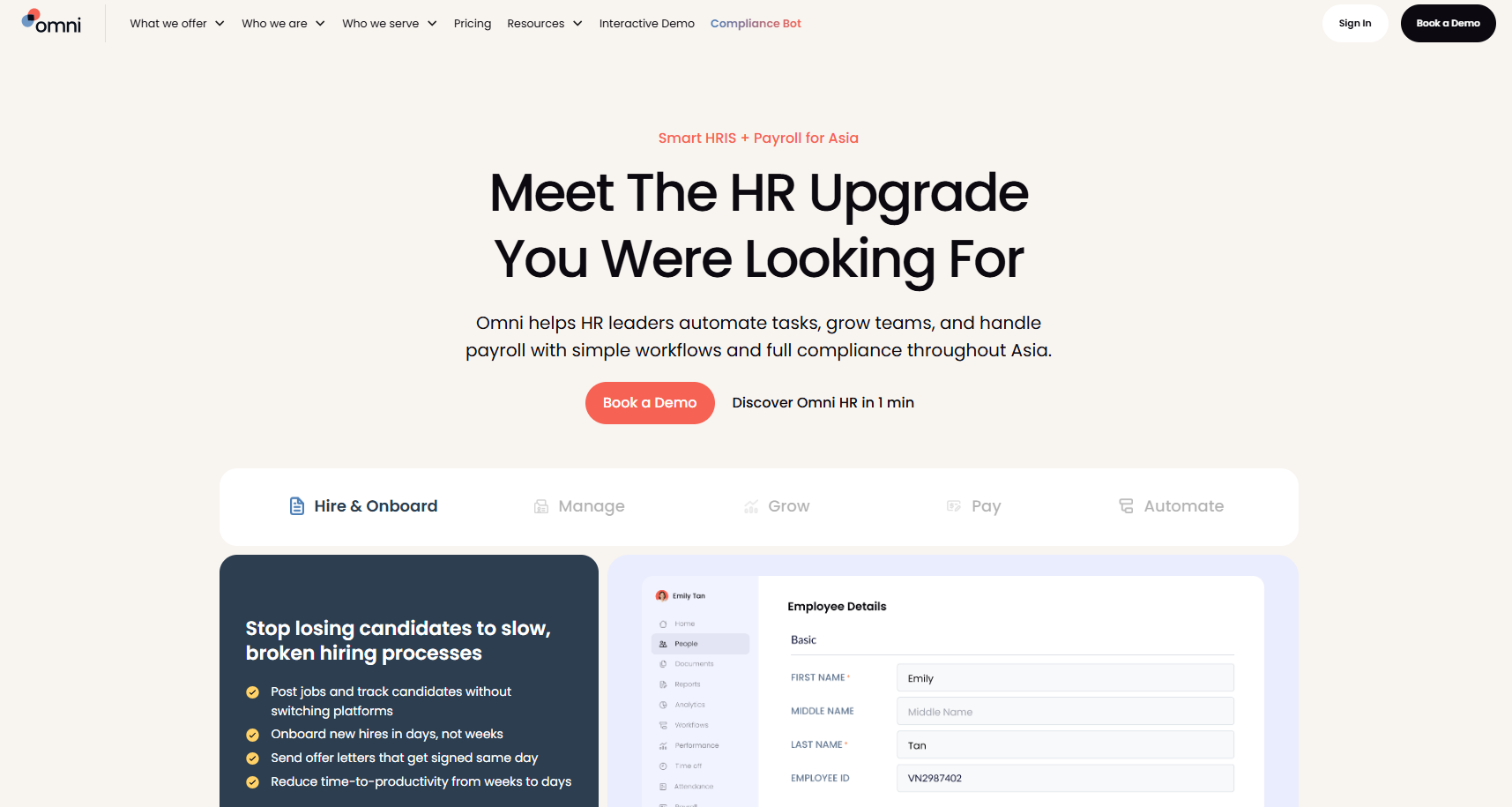
Omni HR is a modern HR suite that streamlines the recruitment lifecycle for growing companies. On the recruiting front, it excels at managing internal hiring workflows, job requisition approvals, and instantly creating official employee profiles for successful candidates upon hire.
Pricing:
- Core HR Platform: starts at $3/employee/month
- Additional modules such as:
- Time Off: +$1/employee/month
- Performance: +$2/employee/month
- Payroll: from $2–$4/employee/month
- Recruitment (ATS): custom pricing via sales consultation
BambooHR
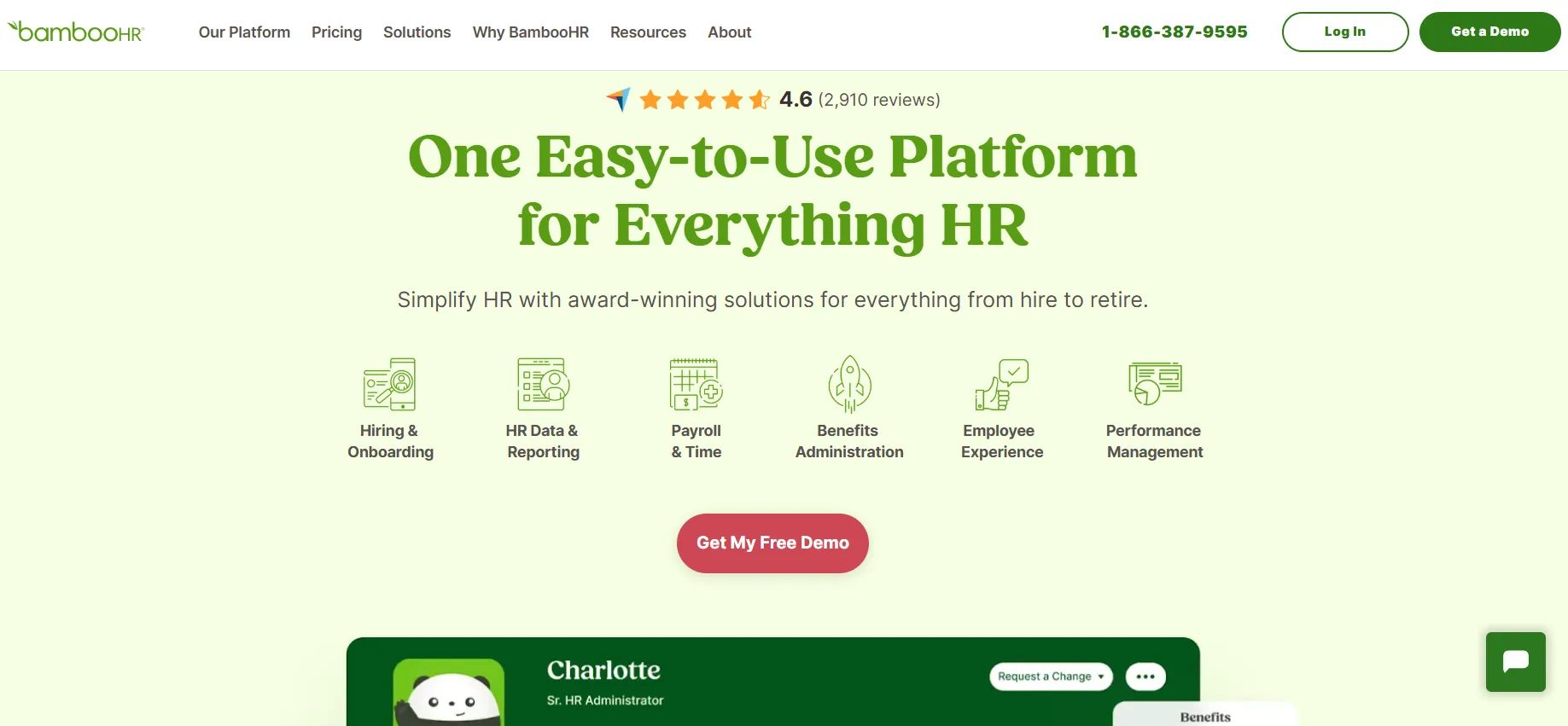
BambooHR is popular HR software tailored for small and medium-sized businesses. On the recruiting and talent acquisition side, it shines in its post-hire and onboarding capabilities, providing automated welcoming workflows, digital new-hire paperwork, and smooth data transfer from applicant tracking into central employee records.
Pricing (Per Employee):
- Core Plan: $10 per employee/month
- Pro Plan: $17 per employee/month
- Elite Plan: $25 per employee/month
Manatal offers native integration with BambooHR and many other recruiting platforms. For instance, BambooHR users can send candidates from Manatal directly to the BambooHR platform.
.jpg)
Evaluating Recruiting Software Platforms
The market is crowded. Use these four criteria before any conversation with a vendor.
- Hiring Volume and Role Complexity. High-volume, repeatable roles need strong automation and screening tools. Specialized or executive roles need deeper sourcing capabilities and stronger CRM features. Most platforms are better at one than the other.
- Integration Requirements. List the tools your team already uses: HRIS, calendar systems, video conferencing, and payroll. A recruiting platform that doesn't integrate with your existing stack creates duplicate work instead of eliminating it.
- Compliance Obligations. Identify your regulatory environment before you evaluate features. GDPR if you're hiring in Europe. PDPA if you're hiring in Southeast Asia. CCPA if you're hiring at scale in California. Confirm whether any shortlisted platforms handle these natively.
- Total Cost of Ownership. Per-user pricing looks different at five users versus fifty. Get the all-in cost projection for your actual team size before comparing sticker prices across vendors.
Case Studies: Companies That Leverage Recruiting Platforms
Unilever

Unilever processes hundreds of thousands of applications annually for internship and graduate programs, making manual screening at that volume operationally unviable. To address this, the company implemented an AI-driven recruitment funnel that uses Pymetrics' behavioral games and video interview platform. The system streams initial candidate screening by evaluating core competencies through conversational patterns and text analysis. The measurable impact was significant: Unilever saved over 50,000 hours of recruiting time, reduced time-to-hire by 75%, and saw its candidate offer acceptance rate increase to approximately 80% (a 16% improvement). [2]
L’Oréal

L’Oréal’s high-volume recruiting challenge spans 150 countries, requiring simultaneous recruitment across dozens of markets. To manage this scale and language complexity, the company deployed "Mya," an AI chatbot for recruiting. However, L'Oréal has adjusted its strategy to ensure interviews remain "AI-free zones," focusing on genuine human interaction due to concerns about candidates using generative AI tools. [3]
Amazon

Amazon uses AI and machine learning in its recruitment process to recommend jobs to candidates based on factors such as search behavior and skills. By 2026, Amazon will have enhanced its AI capabilities with predictive hiring analytics and security measures to detect fraudulent activities. Despite these advancements, Amazon remains committed to integrating human judgment in the hiring process to address concerns about biased AI algorithms. [4]
Conclusion
Most companies that are still fighting long time-to-fill numbers and high cost per hire are facing a process problem. Recruiting platforms solve process problems. The question is whether the tool you're currently using, including spreadsheets and manual job posting, is the right one for the volume and complexity of hiring you actually do. Start with your numbers. Calculate the cost of your current process in recruiter hours and the revenue impact per unfilled role. Then evaluate platforms against that baseline.
Frequently Asked Questions
Q: How do modern recruiting software platforms utilize data analytics to improve long-term employee retention?
A: Advanced systems like the Manatal recruiting platform track post-hire metrics through integration with internal HRIS software. This data tracking identifies which sourcing channels yield the longest-tenured employees, allowing talent teams to shift their acquisition budgets toward high-quality talent pools that align with company retention goals.
Q: Can recruiting platforms completely eliminate unconscious bias during the initial resume screening phase?
While software cannot completely eliminate human bias, specialized recruiting platforms offer blind hiring features. These tools automatically redact identifying information such as names, gender, graduation years, and photos from resumes before hiring managers review them, ensuring candidates are evaluated solely on their objective skills and experience.
Q: What are the hidden implementation costs associated with transitioning to enterprise-level recruiting software platforms?
A: Beyond the subscription sticker price, hidden costs often include data migration fees (moving old candidate data from legacy spreadsheets), custom API integration setups for specialized internal tools, mandatory team training workshops, and premium customer support SLA packages.
Q: How do data privacy laws like GDPR affect how multinational companies configure their recruiting platforms?
A: Compliance laws require recruiting platforms to have automated data-retention workflows. For example, if a candidate in the EU is not hired, the platform must automatically delete their personal data after a specified period or obtain explicit consent to retain their resume in the company's talent pool for future openings.
Q: Is it possible to integrate third-party skill assessment tools directly into standard recruiting software platforms?
A: Yes. Most modern recruiting software platforms feature an open API or a built-in marketplace that allows seamless integration with specialized coding tests, psychometric evaluations, and video interviewing tools, creating a centralized dashboard for all candidate scores.
Citations:
.webp)







.webp)

.webp)


.webp)


