

Career mobility can support employee retention by giving people opportunities to develop skills and move into new roles. LinkedIn Learning's 2025 Workplace Learning Report found that 88% of organizations are concerned about employee retention, while providing learning opportunities is respondents' No. 1 retention strategy. The report also identifies career progress as employees' top motivation to learn. [1] This guide explains what career mobility is, the main types of mobility, how to build an internal mobility program, the benefits and challenges, and practical examples.
What Is Career Mobility?
Career mobility describes movement through a person's career, including changes in roles, levels, occupations, locations, or employers. Within an organization, these moves are generally described as internal mobility. In employer-focused contexts, related terms include internal mobility and talent mobility, although these terms are not always interchangeable. It can include promotions, lateral moves, temporary assignments, and geographic changes.
Types of Career Mobility
Career mobility takes several forms across an organization, each serving a unique role in employee development and workforce planning:
- Upward mobility (vertical): a move into a role with greater responsibility, such as a support agent becoming a team lead.
- Lateral mobility: a same-level move that builds new skills, such as shifting from sales into customer success.
- Internal mobility: movement between roles, teams, projects, or levels within the same organization. This is the primary focus of this guide.
- Project-based mobility: a short-term, cross-functional assignment, such as joining a product launch team for one quarter.
- Geographic mobility: a transfer to another site or location, sometimes paired with a promotion or a new market.
How to Build a Career Mobility Program
Most internal mobility runs inside the applicant tracking system that already stores your candidate and employee records, so you can build on tools you own. Here is an ordered workflow that names each step and its human checkpoint:
1. Build a skills inventory.
An effective mobility program relies on accurate workforce skill data rather than manager memory or job titles. Document existing workforce capabilities alongside the specific skills required for hard-to-fill target roles.
How to do it: Distribute a standardized skills assessment across teams. Require employees to document current technical skills, certifications, and proficiency levels in their HR profiles. Use the U.S. Department of Labor’s O*NET Online free database to cross-reference industry-standard skill taxonomies and define technical prerequisites for target roles.
2. Map career paths.
Employees rarely move internally if the jump between roles feels undefined or risky. Map clear, incremental paths from high-turnover frontline positions to specialized destination roles (e.g., Customer Support Rep > Tier 2 Technical Support > Junior Systems Administrator).
How to do it: Analyze historical top-performer transitions to identify overlapping competencies between adjacent positions. Define explicit milestones (e.g., specific tool certifications or project completions) required to advance at each level. Use the Federal Reserve Banks’ free Occupational Mobility Explorer tool to analyze skill transferability scores between specific occupations in your region.
3. Establish a Transparent Internal Job Board
Ungated external hiring demoralizes current staff and limits internal visibility. A transparent internal job board ensures existing employees receive fair, structured access to open positions before external recruitment begins.
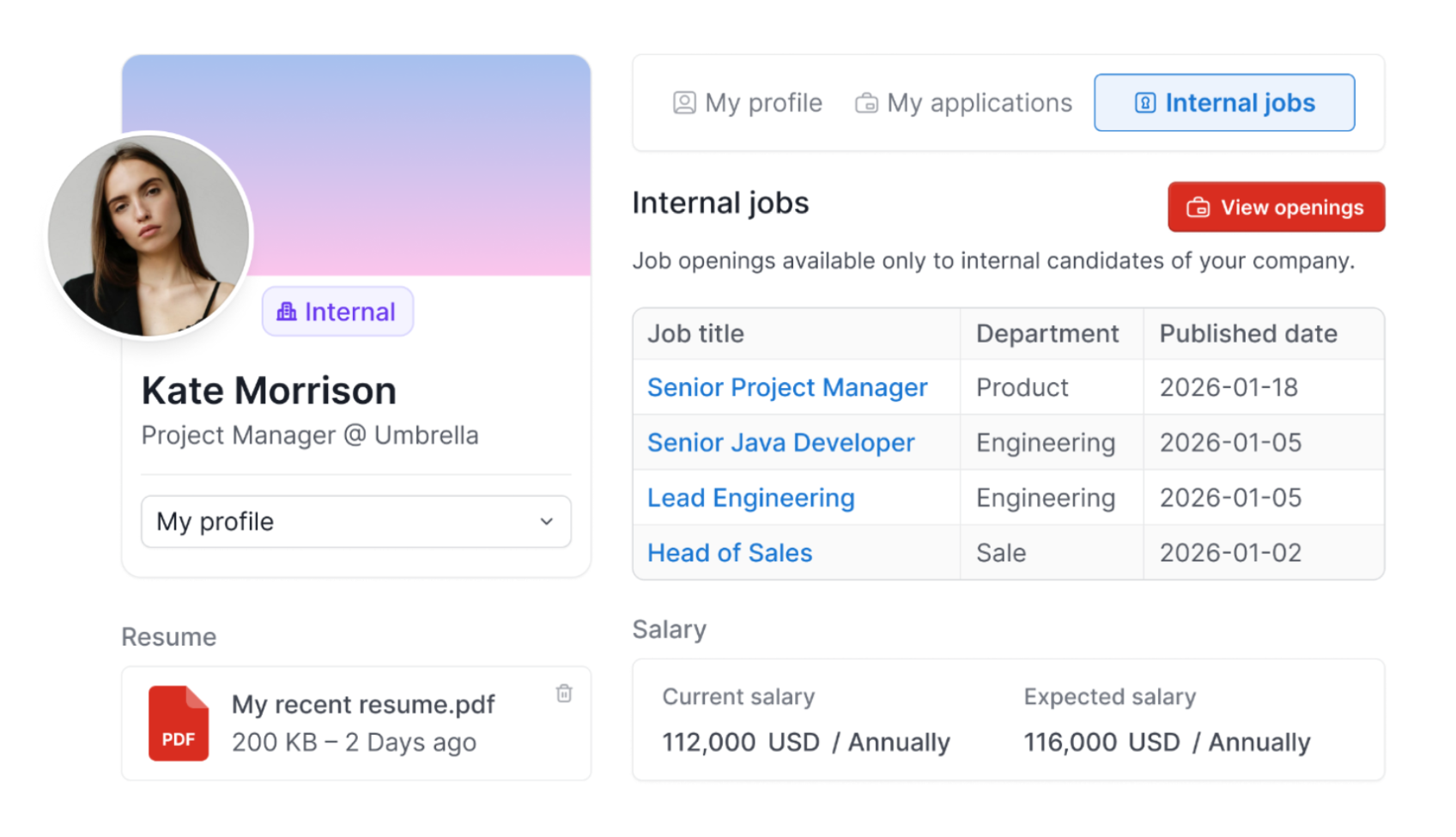
How to Run It: Configure your internal application policy to grant current staff an exclusive 5-to-10-day application window before opening vacancies externally. Publish all open roles to Manatal’s Employee Portal, enabling internal candidates to view job details and apply directly through dedicated employee career pages.
{{cta}}
4. Use skills-matching software to surface candidates.
Step four is where most programs stall, because who is ready to move often comes down to which manager knows whom. Use skills-matching software to surface internal candidates by skills and experience, then have a recruiter or hiring manager confirm fit before advancing anyone.
How to do it with Manatal AI Recommendations: Open your posted job in Manatal, go to Jobs, click the Summary tab, and save a detailed job description (≥150 words) to automatically extract requirements.
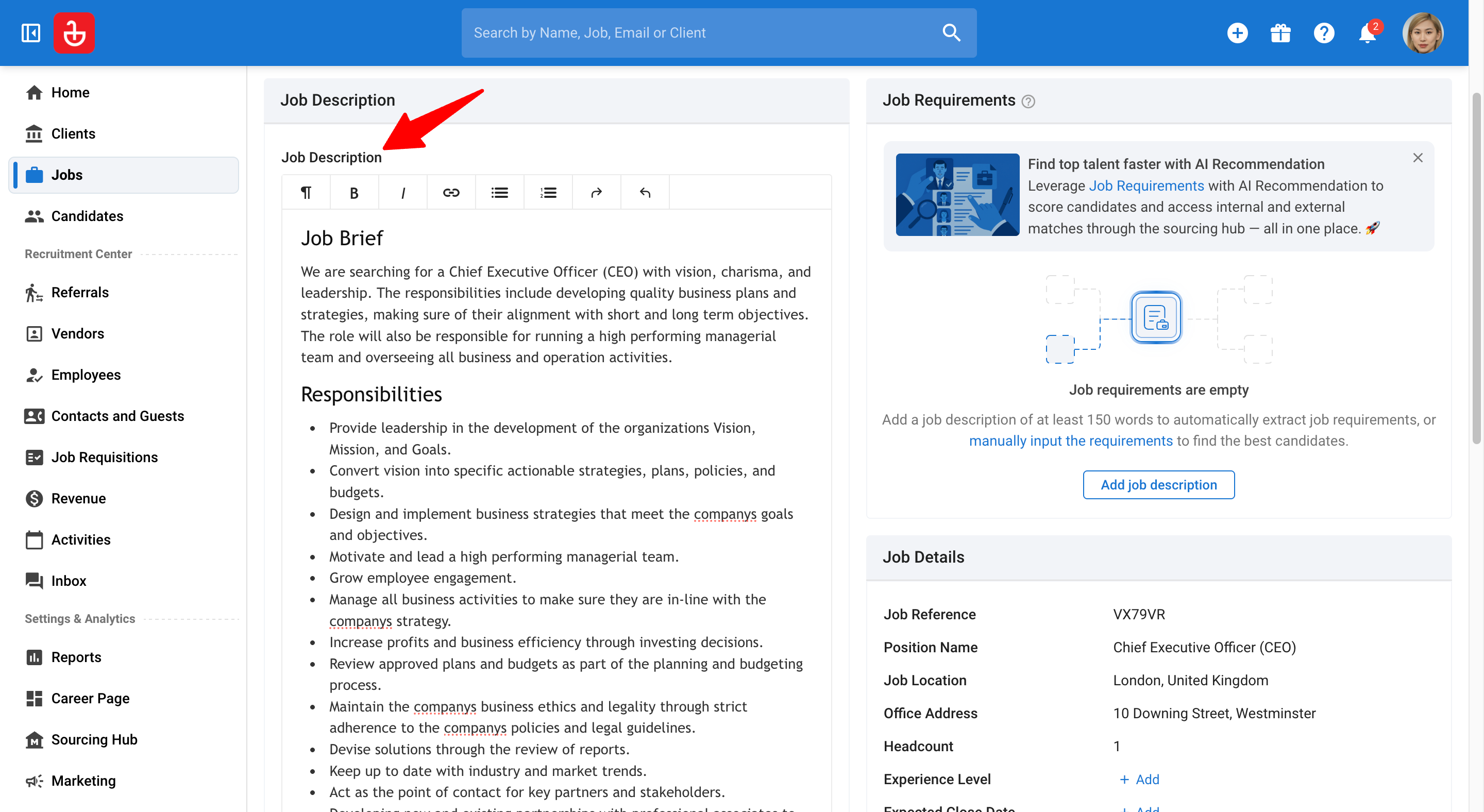
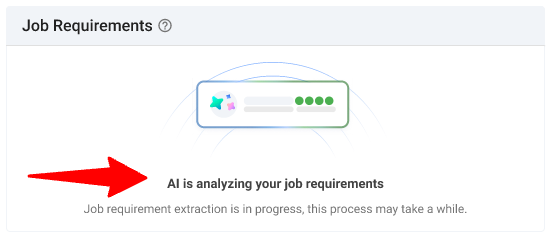
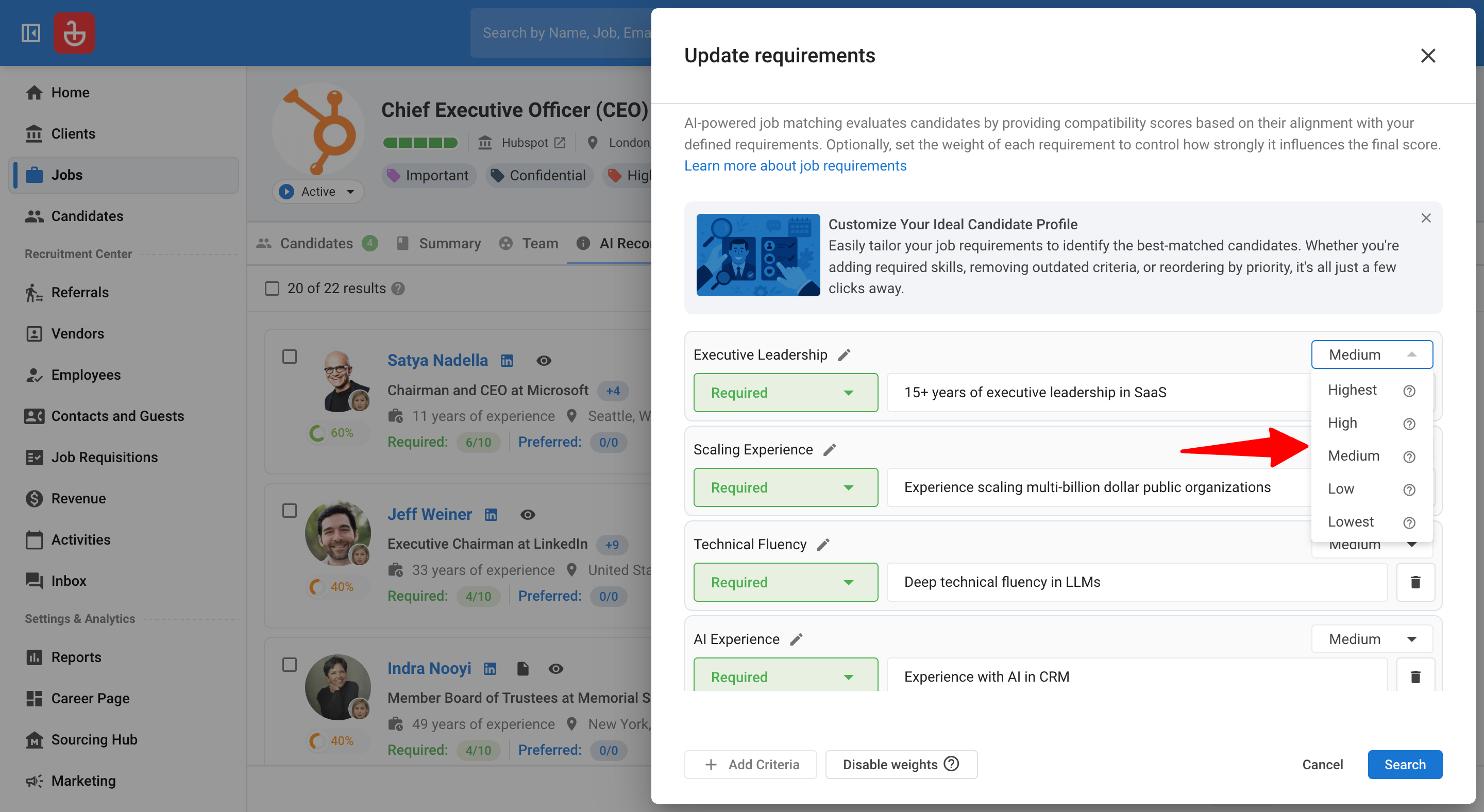
Or click manual input job requirements to set up to 10 criteria.
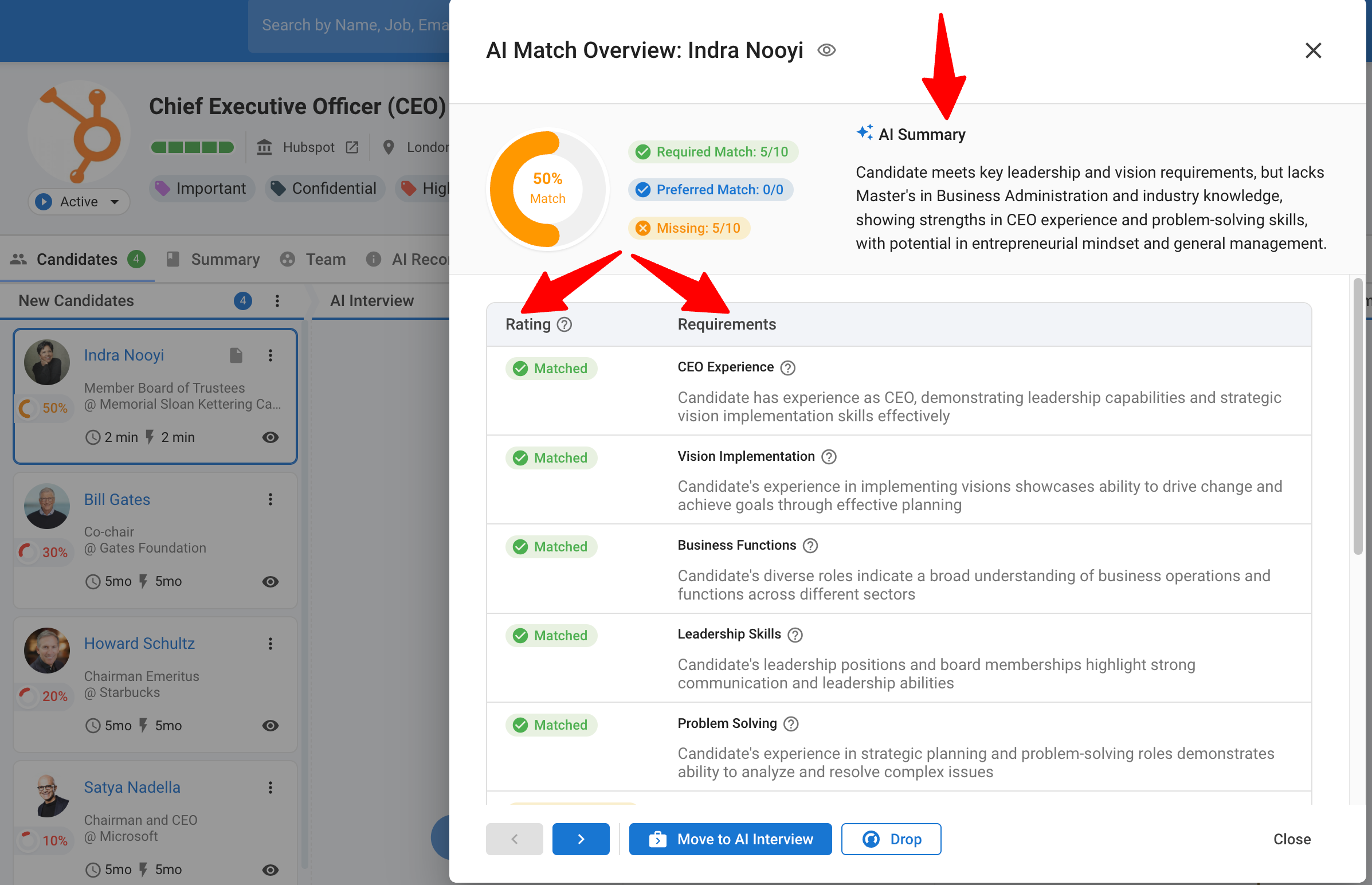
Then, navigate to the AI Recommendations tab to view instantly scored internal candidates, review their AI match explanations, and click Add to Job to advance the best fits.
{{cta}}
5. Enable manager mobility checkpoints.
Talent hoarding occurs when managers block high-performing direct reports from applying to internal vacancies out of fear of understaffing their own teams. Formal approval workflows protect internal mobility from manager pushback.
How to Run It: Establish an organizational policy requiring manager notification only after an internal candidate passes an initial recruiter screening. Enforce a standardized 30-to-45-day transition window upon offer acceptance, requiring the releasing manager to document a backfill and handoff plan before the employee transfers.
6. Provide targeted development support.
Surfacing candidates is ineffective if internal applicants lack specific technical or domain bridges required for their destination roles.
How to Run It: Pair shortlisted internal applicants with senior peer mentors in the destination department. Assign structured stretch assignments, such as shadow hours, trial project sprints, or access to free upskilling frameworks like Coursera for Business or LinkedIn Learning tracks, tied directly to mapped role competencies.
7. Measure and refine performance.
Program success depends on quantifiable improvements in internal fill rates, retention, and time-to-productivity compared to external hires.
How to Run It: Monitor three key performance indicators (KPIs) quarterly: Internal Fill Ratio (target 20–30% of open roles), 1-Year Retention Rate of Internal Movers, and Time-to-Productivity. Review these analytics annually to refine skill taxonomies and expand low-performing career pathways.
Why Career Mobility Matters to Employers
Career mobility drives strong business performance, workforce agility, and long-term retention. Here is why employers are making it a top strategic priority:
- Strategic Priority & Executive Focus: Internal mobility is rising to the top of organizational agendas, with 55% of career development champions and 48% of other companies ranking it higher for the year ahead. This shift comes as 49% of L&D leaders report executive concern that current employees lack the necessary skills to execute business strategy. [1]
- Faster Hiring & Better Retention: Tapping into internal talent allows companies to deploy people faster, significantly shorten time-to-fill, and drive stronger retention compared to relying solely on external hiring. Providing growth opportunities keeps high-performing employees engaged, eliminating the stagnation and burnout that force top talent to seek prospects elsewhere. [2]
- Cost Efficiency & Higher ROI: Internal hiring drastically reduces external talent acquisition costs, including recruitment agency fees, external job advertising, and onboarding time. It also protects organizational ROI by keeping accumulated domain knowledge, skills, and institutional context inside the company.
- Skill Development & Organizational Agility: Mobility programs build a highly adaptable talent pool with a deep understanding of your company's culture and operations. Cross-functional moves and new challenges foster continuous learning and innovation, equipping employees with the skills needed for future business needs.
- Stronger Employer Brand: Demonstrating a commitment to internal career pathways enhances your reputation in the job market, making it significantly easier to attract ambitious new talent who want long-term growth.
Challenges in Implementing Career Mobility Programs
Despite the benefits of internal mobility, many organizations face difficulties in implementing effective internal mobility programs. Here are some of the common challenges and mistakes you should avoid.
- Lack of Awareness & Misconceptions: Employees often believe mobility is restricted to senior roles, while managers may view team transfers as a threat to performance or stability rather than a shared goal.
- No Clear Strategy or Standardized Process: Without clear framework alignment with business goals, evaluating and matching internal talent becomes inconsistent, inefficient, and prone to unfairness.
- Bias Toward External Hiring: Deep-rooted preference for outside candidates, driven by perceived higher qualifications or fresh perspectives, creates resistance to updating rigid job descriptions and internal hiring policies.
Career Mobility Examples
Here are some companies that have successfully implemented career mobility programs:
1. Google
Google, one of the world’s leading technology companies, has a flexible career mobility program that encourages employees to explore different roles and projects within the company, based on their interests, skills, and goals. Here is a successful internal mobility and switching roles story of Google; Alison Agüero Dooley has been at the company since the summer of 2014, when she was an MBA student. Since then, she’s held three different roles: gTech Ads MBA Intern, gTech Ads Product Operations Manager (POM) for YouTube Ads, and Product Manager for YouTube Ads. [3]
2. Unilever
Unilever, a multinational consumer goods company, has implemented a holistic internal mobility program that supports employees’ personal and professional growth. Unilever’s internal mobility program includes career conversations, feedback tools, learning resources, cross-functional projects, and internal gigs. The company's internal mobility program has increased employee engagement, productivity, and loyalty, as well as fostering a culture of innovation and collaboration. [4]
Conclusion
If you are an organization that wants to attract and retain the best talent in the market, prioritizing and investing in career mobility programs is an effective way to achieve that goal. It can help you save costs, increase employee satisfaction and engagement, and develop a skilled and experienced workforce. Career mobility can also give you a competitive edge in the talent market and help you achieve your organizational goals. This works when moving people follows the same skills-based discipline you already apply to external hiring. Build a skills inventory, open internal roles, match on evidence, and keep a human checkpoint on every move.
For a wider view of the tools involved, see Manatal's guide to AI recruitment, starting with a 14-day free trial.
Frequently Asked Questions
Q: Can you give an example of career mobility?
A: A support rep who learns SQL and moves into a junior data analyst role is a clear example. The person stays with the company while stepping into a higher-value role, demonstrating how lateral skill development can successfully unlock internal promotion paths without increasing external recruitment overhead.
Q: What is the difference between career mobility and internal mobility?
A: Career mobility is the broad, overarching concept of an employee moving into new roles, levels, or cross-functional projects throughout their career. Internal mobility, on the other hand, is the employer’s structured strategy and operational program for making those specific career moves happen within one organization.
Q: What is an internal mobility program?
A: It is a structured process designed to evaluate and fill open roles with existing talent before looking externally. ATS platforms like Manatal streamline this by leveraging AI to score internal employee profiles against open requisitions, ensuring candidate shortlists are generated based on objective skills and verified experience.
Q: How do employers encourage upward career mobility?
A: Employers can encourage growth by publishing all open opportunities on a transparent internal job board, mapping clear promotion pathways, and providing targeted upskilling programs. Integrating these opportunities into an ATS, similar to Manatal, also allows recruiters to seamlessly source, track, and engage internal candidates for leadership pipelines alongside external applicants.
Q: How do you measure career mobility?
A: Track your internal mobility rate and the long-term retention rate of employees who transition into new roles. Comparing these metrics against annual benchmark targets helps HR leaders evaluate program ROI and identify potential skill gaps across various departments.
Citations: