

HR leaders facing administrative sprawl often struggle to navigate the maze of overlapping software categories, acronyms, and vendor promises. Finding the right HR system requires clear insight into what these platforms do, how they differ, and where each fits within an organization. The primary goal when evaluating different types of HR software is to map out options clearly so you can select tools that align with your immediate operational needs and long-term business trajectory.
The Two Tiers of HR Software
For practical purposes, HR software can be grouped into two broad categories: core HR platforms and specialized functional tools. At the foundation sit core all-in-one platforms, which act as centralized repositories for employee records, organizational structures, and baseline processes. Above this foundation sit specialized, single-function tools that handle dedicated workflows like recruitment, payroll, learning, or performance management.
Understanding this division prevents costly software redundancies. A mid-sized business rarely replaces an entire HR system database just to improve its hiring pipeline; instead, it plugs a specialized tool directly into its core system via API integrations. These core platforms provide stability and central governance, while specialized tools supply the depth required for complex daily operations.
Core HR Platform Types: HRIS, HRMS, HCM, and TMS
Core systems establish the digital backbone of human resources operations. While vendors occasionally use these terms interchangeably, distinct differences exist in functional scope, reporting capabilities, and organizational target size.
- Human Resource Information System (HRIS): Focuses on central core employee data storage, benefits administration, baseline payroll processing, and self-service portals. Best suited for growing SMBs needing a reliable single source of workforce truth.
- Human Resource Management System (HRMS): Encompasses all capabilities of an HRIS while adding comprehensive time, labor, and basic talent management modules. Best suited for mid-market organizations balancing daily workforce tracking with administrative oversight.
- Human Capital Management (HCM): Covers the entire employee lifecycle alongside advanced strategic workforce planning, global compliance, and predictive talent analytics. Best suited for complex mid-market and enterprise organizations operating across multiple regions.
- Talent Management System (TMS): A specialized module or standalone platform focused on employee development, performance management, succession planning, learning, and related talent processes.
For a deep dive into core systems, check out our dedicated guide to learn about structural architectures and baseline administrative workflows within a modern HRIS system.
Specialized HR Software Categories
Beyond core platforms, functional tools handle the heavy lifting for operational tasks. Deploying these specialized options ensures deep capability rather than surface-level functionality.
Applicant Tracking System (ATS)
Manages talent acquisition end-to-end, including multi-channel job distribution, AI resume screening, interview scheduling automation, and candidate pipeline tracking.
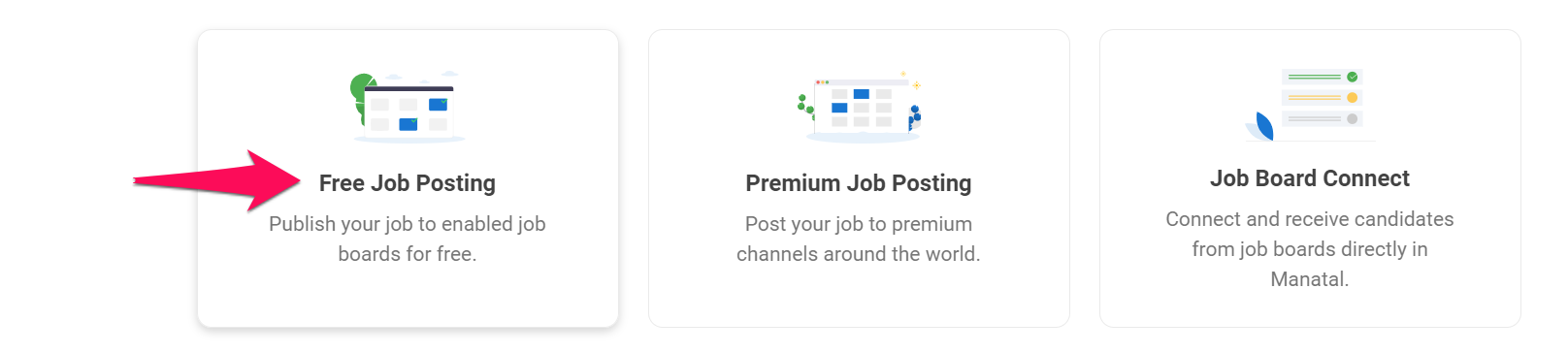
- Manatal: Serves as a dedicated recruitment specialist, using AI recommendations to score applicants against requirements while automatically publishing listings to over 2,500+ free and premium job channels.
{{cta}}
Calculates wages, manages tax withholdings, automates direct deposits, and ensures compliance with statutory tax filings across regional jurisdictions.
- WorkDigital: Supports clock-ins, timesheets, shift scheduling, and time-off management. It is suited to organizations that want to manage attendance alongside payroll and other HR processes.
- Paychex Flex: Supports payroll calculations, tax administration, and employee payment workflows. Businesses can add HR administration, employee benefits, and retirement services as their needs grow.
Time & Attendance
Tracks employee clock-ins and clock-outs, manages shift scheduling, calculates overtime, and tracks paid time off (PTO) accruals.
- Omni HR: Combines attendance tracking, time-off management, and employee administration. Its multi-country capabilities make it relevant for businesses managing teams across APAC markets.
- Homebase: Offers employee scheduling, time tracking, and basic workforce management. Paid plans add advanced scheduling, time-off controls, and HR features.
Benefits Administration
Oversees health insurance enrollment, retirement plans, open enrollment windows, and ongoing benefits compliance verification.
- PlanSource: Provides benefits administration and enrollment technology for organizations managing complex employee benefit programs. It supports benefits communication, eligibility workflows, and connections with insurance and payroll systems.
- Employee Navigator: Manages benefits enrollment, life-event changes, carrier integrations, and ACA reporting. It is particularly relevant to employers and brokers handling multiple benefit plans and compliance workflows.
Performance Management
Coordinates goal tracking, continuous feedback loops, peer reviews, and formal annual performance evaluations.
- Lattice: Supports performance reviews, goal management, and employee development. Additional modules cover engagement, growth, and compensation.
- Betterworks: Connects individual goals with company priorities through OKRs, feedback, and performance reviews. It is designed for organizations seeking a structured approach to performance alignment and ongoing employee development.
Learning Management System (LMS)
Delivers training programs, tracks mandatory compliance certifications, and hosts employee upskilling content.
- TalentLMS: Let organizations create courses, deliver online training, and track learner progress. It is a practical choice for employee onboarding, internal training, and compliance courses.
- Docebo: Offers enterprise learning management, course delivery, certification tracking, and learning analytics. Its multilingual and multi-audience capabilities suit organizations with large or geographically distributed workforces
Employee Engagement
Measures staff sentiment through pulse surveys, tracks peer-to-peer recognition, and provides actionable culture analytics.
- Qualtrics Employee Experience: Provides employee experience surveys, sentiment analysis, and analytics across the employee lifecycle. It is suited to larger organizations that need to analyze workforce feedback and identify drivers of engagement and retention.
- Culture Amp: Provides employee engagement surveys, organizational feedback, and people analytics. Its insights help HR teams identify workplace issues, understand employee sentiment, and plan targeted improvements.
The global HR software market is projected to reach $23.68 billion in 2026, according to Fortune Business Insights. [1] Gartner reports that AI is reshaping HR operating models as organizations increasingly use AI for transactional tasks, allowing HR professionals to focus more on strategic talent leadership. [2] SHRM’s State of AI in HR 2026 found that AI use in HR is concentrated in recruiting (27%), HR technology (21%), and learning and development (17%). [3]
How to Choose the Right Types of HR Software
Selecting software requires diagnosing operational bottlenecks instead of shopping for features in a vacuum. Pinpointing existing process failures clarifies which HR software solution yields the highest immediate return on investment.
- Targeting the Primary Problem: A company struggling with open position backlogs requires an ATS, not a broad HR overhaul. Inaccurate wage payouts demand dedicated payroll software. Bottlenecks in PTO approvals or basic record updates point toward an HRIS. Enterprise-wide skill gaps signal a need for an HCM or TMS.
- Matching Company Stage & Size: Early-stage startups and small SMBs benefit from a lean core platform or a targeted specialist for their biggest operational headache. Mid-market organizations typically require a core HRIS/HRMS combined with best-of-breed functional tools connected through native APIs. Large enterprises require full HCM suites supported by complex custom integrations.
- Key Evaluation Criteria: Evaluate software options based on API open-architecture integration, user interface design, data security standards (including field-level permissions and audit trails), and total cost of ownership, including implementation fees.
How to Build Your HR Software Stack
Assembling a functional technology stack requires an intentional, step-by-step rollout to avoid workflow disruptions.
1. Map Operational Pain Points: Document the two or three administrative workflows consuming the most manual labor hours, such as candidate tracking, payroll reconciliation, or time card approvals.
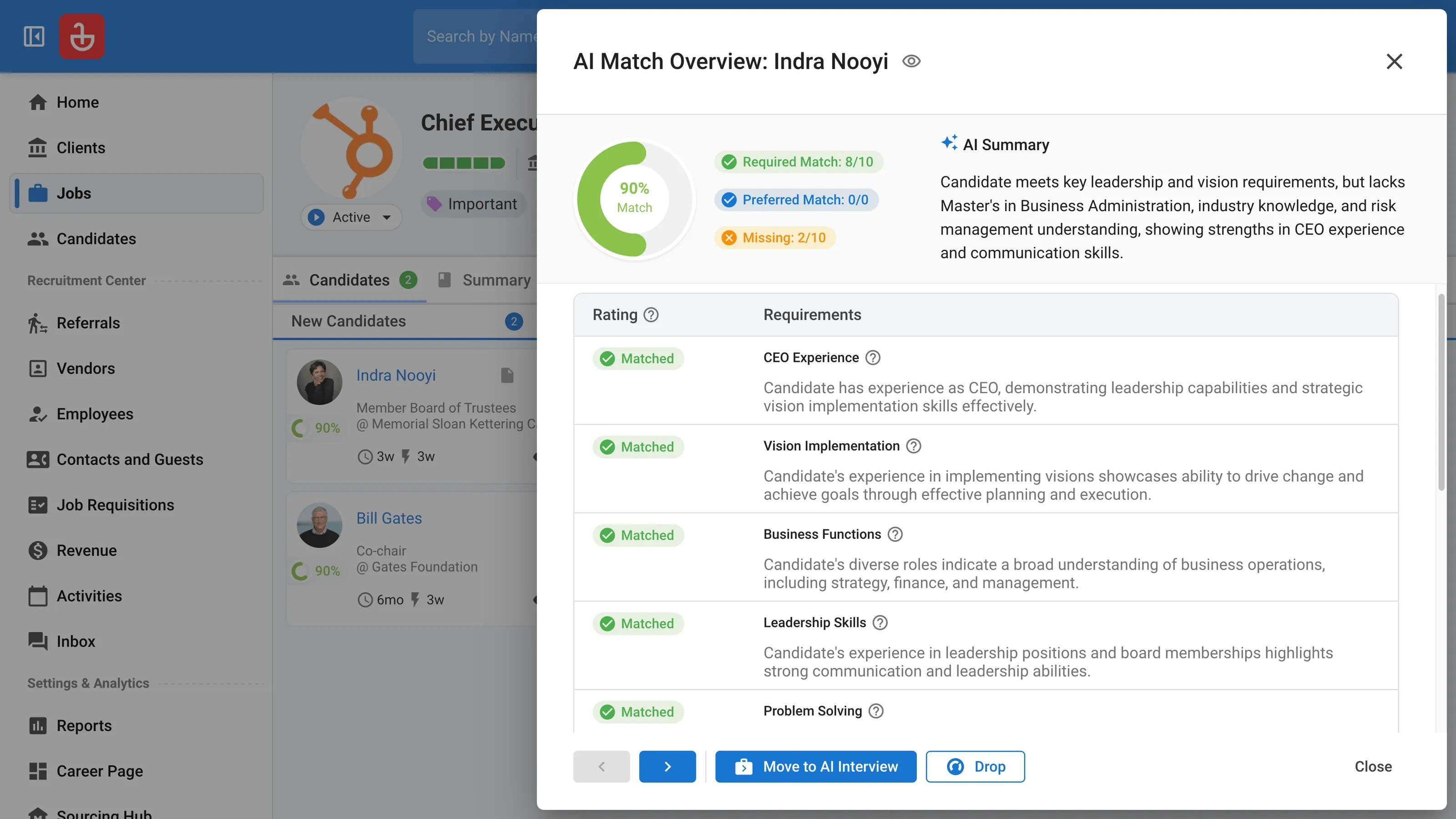
How to do it: Audit daily HR tasks to identify manual bottlenecks, such as spending hours manually screening resumes or chasing hiring managers for feedback. Leverage Manatal's AI Recommendations to extract job requirements, score and rank candidates against those criteria, and review requirement-level gaps.
{{cta}}
2. Establish the Core HR System: Choose an HRIS or HRMS platform to serve as your single source of truth for base employee data.
How to do it: Select a core system that centralizes employee records, organization charts, and basic PTO tracking. Ensure it features open API architecture so future specialized tools can sync seamlessly with employee profile data.
3. Layer Specialized HR Tools: Introduce dedicated systems to resolve targeted bottlenecks, such as deploying a recruiter-built ATS like Manatal for hiring or an external provider like Gusto for payroll processing.
How to do it: Plug Manatal into your recruitment pipeline to automate multi-channel job postings to over 2,500 job boards. This resolves hiring bottlenecks without bloating your core database.
4. Wire Up Integrations: Configure API connections between functional tools and your core database to ensure automatic data syncing without manual entry.
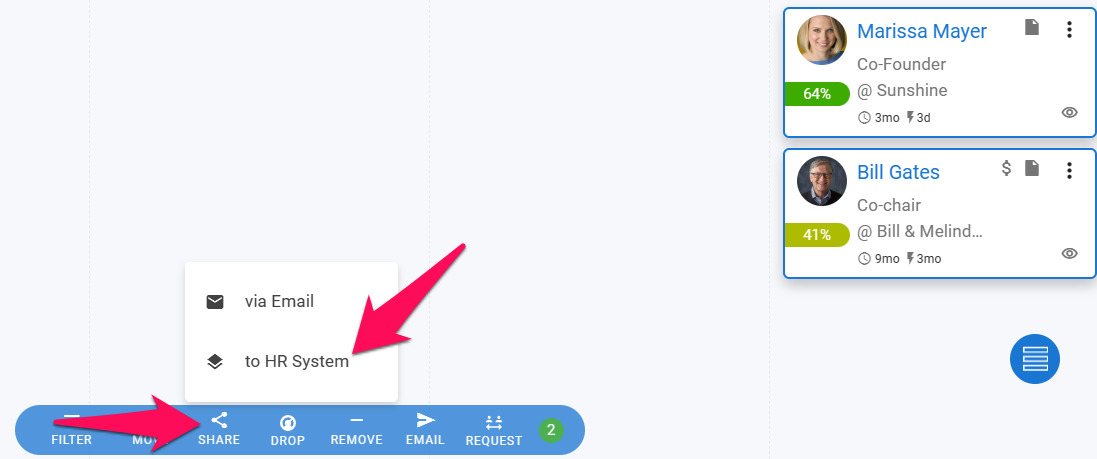
How to do it: Connect Manatal with your core HRMS via native integrations or open APIs so candidate profiles automatically convert into new employee records upon hiring. From job pipeline, select one or more candidates you wish to send to the HR system. Click on "Share" and then on "to HR System" from the dropdown menu.
5. Configure Permissions & Compliance Controls: Define role-based access parameters, set up data encryption protocols, and verify regulatory audit logging.
How to do it: Set up granular access controls within Manatal and your core HRIS to restrict sensitive candidate data and personal records to authorized personnel. Verify that data storage meets regional data protection requirements and industry compliance standards.
6. Launch via Human Checkpoints: Pilot the new stack within a single department first. Maintain human oversight for critical authorization gates, including candidate hiring decisions and final payroll sign-offs, before expanding company-wide.
How to do it: Roll out the new workflow to your primary hiring team first while keeping human recruiters in charge of final interview invitations and candidate scoring approvals. Refine system settings based on initial team feedback before launching across the entire enterprise.
Conclusion
Buying a monolithic human resources software platform under the assumption that it will solve every HR challenge often results in underutilized, bloated software. High-performing HR operations focus on building a lean stack anchored by a reliable core HR system and complemented by best-in-class functional tools. Address your sharpest operational pain points first, ensure your tools communicate seamlessly, and scale your technology infrastructure as your workforce grows.
Ready to transform your recruitment process with specialized AI tools? Start a 14-day free trial with Manatal today.
Frequently Asked Questions
Q: What are the main types of HR software?
A: The three primary platform types are HRIS, HRMS, and HCM. An HRIS manages baseline core data, an HRMS adds labor and time tracking, and an HCM handles complex enterprise workforce lifecycle planning, alongside functional tools such as ATS platforms like Manatal for recruiting, payroll software, and learning systems.
Q: What are the 5 types of HRIS human resources software?
A: One common HRIS classification divides systems into five categories: Operational (data management), Tactical (resource allocation), Strategic (workforce planning), Comprehensive (integrated administrative functions), and Limited-Function (single-task reporting).
Q: What is the most popular HR software?
A: There is no single HR software platform that is the most suitable or widely used across every organization. Adoption varies by company size, industry, geographic requirements, HR processes, and software needs. Organizations may use an HRIS or HCM as their core system and add specialized tools such as Manatal ATS for recruiting, or other workflows.
Q: How do I choose the right types of HR software for my business?
A: Start by identifying your team's single largest administrative bottleneck. Match that immediate operational need against your current company size, verify integration capabilities with existing systems, and prioritize ease of adoption for end users.
Citations: