





Posting a role across multiple job boards can easily take up to 30 minutes per job (depending on the number of channels). [1] For a company hiring 50 people a year, that amounts to dozens of hours annually spent on repetitive administrative work, time that could be better spent engaging candidates. Automated job posting software eliminates the need for this step entirely. Create the job description once, push it to 20+ boards simultaneously, and hire faster.
Automated Job Posting Software
Automated job posting software is a tool designed to streamline and simplify the process of posting job vacancies across multiple platforms. This allows recruiters to create and post job listings to connected job boards and company career pages.
Manatal's one-click job posting automates the entire process. Create your post once and select your target job boards. The system then formats each listing, manages logins, and publishes everything simultaneously.
{{cta}}
How to Set Up an Automated Job Posting
Only 6% of employers successfully reduced their time-to-hire this year, while 60% of organizations saw time-to-hire actually increase. [2] The strategy below eliminates the distribution bottleneck that's eating your speed-to-market advantage.
Step 1: Start with Free Boards and Establish a Baseline
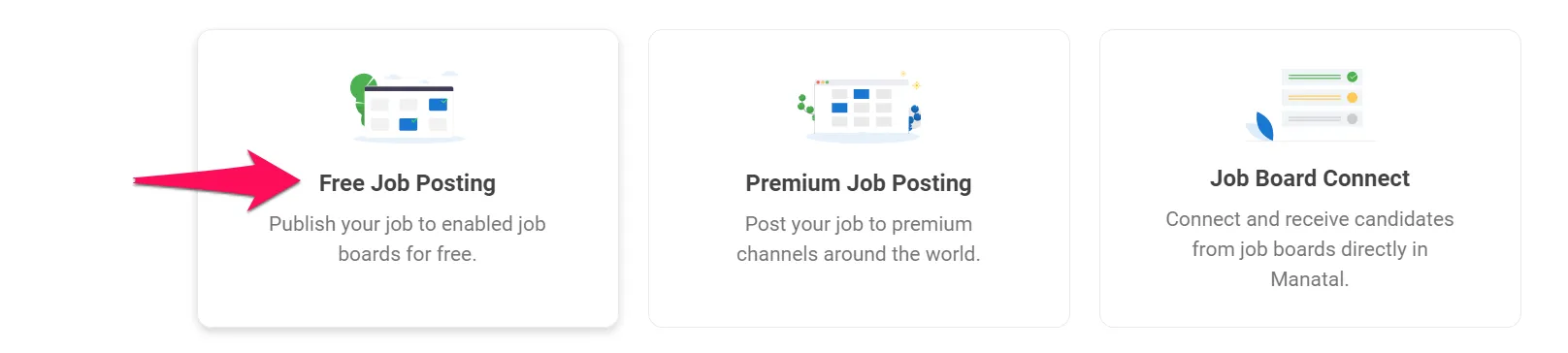
Before committing to premium spend, identify which channels naturally resonate with your industry. Configure your ATS to auto-post to these major free job boards:
- Entry-level and high-volume roles: Indeed, Glassdoor, ZipRecruiter (free tier)
- Tech Job Boards: WellFound, Dice (may require paid plans)
- Healthcare Job Boards: Health eCareers, Practice Link
- Finance Job Boards: eFinancialCareers
- Remote Job Boards: WeWorkRemotely, Remote.co, FlexJobs
Run this for 30 days, and track application volume and quality by source of hire. This data provides the baseline you need for any future budget discussions.
Step 2: Analyze before spending on premium boards
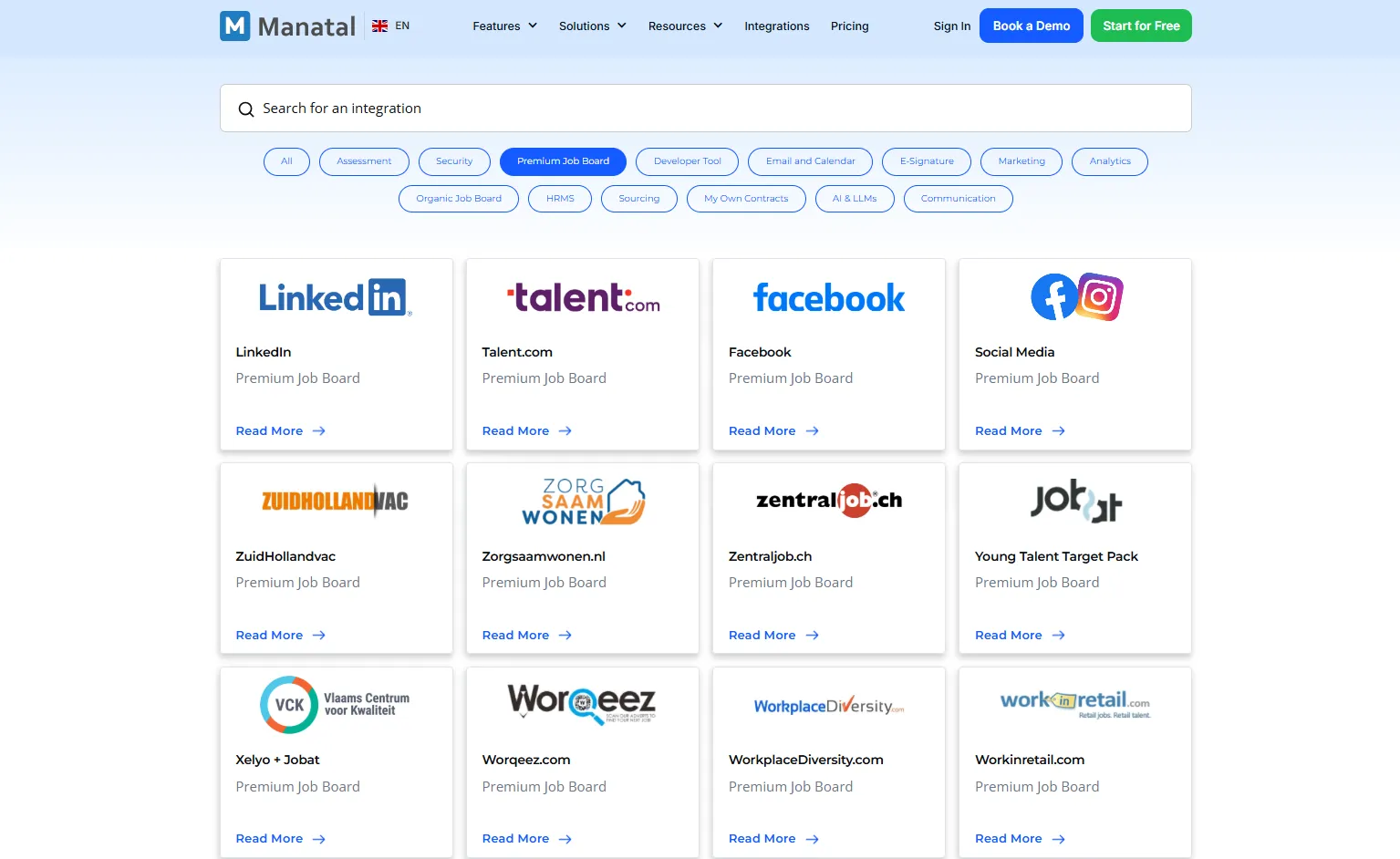
After 30 days from step 1, if you're hiring software engineers and LinkedIn free posts are generating 40% of your qualified applicants, upgrade to LinkedIn's premium job slots. Manatal allows posting job ads on over thousands of premium channels globally directly from the platform.
Step 3: Managing Your Paid Quotas in One Place
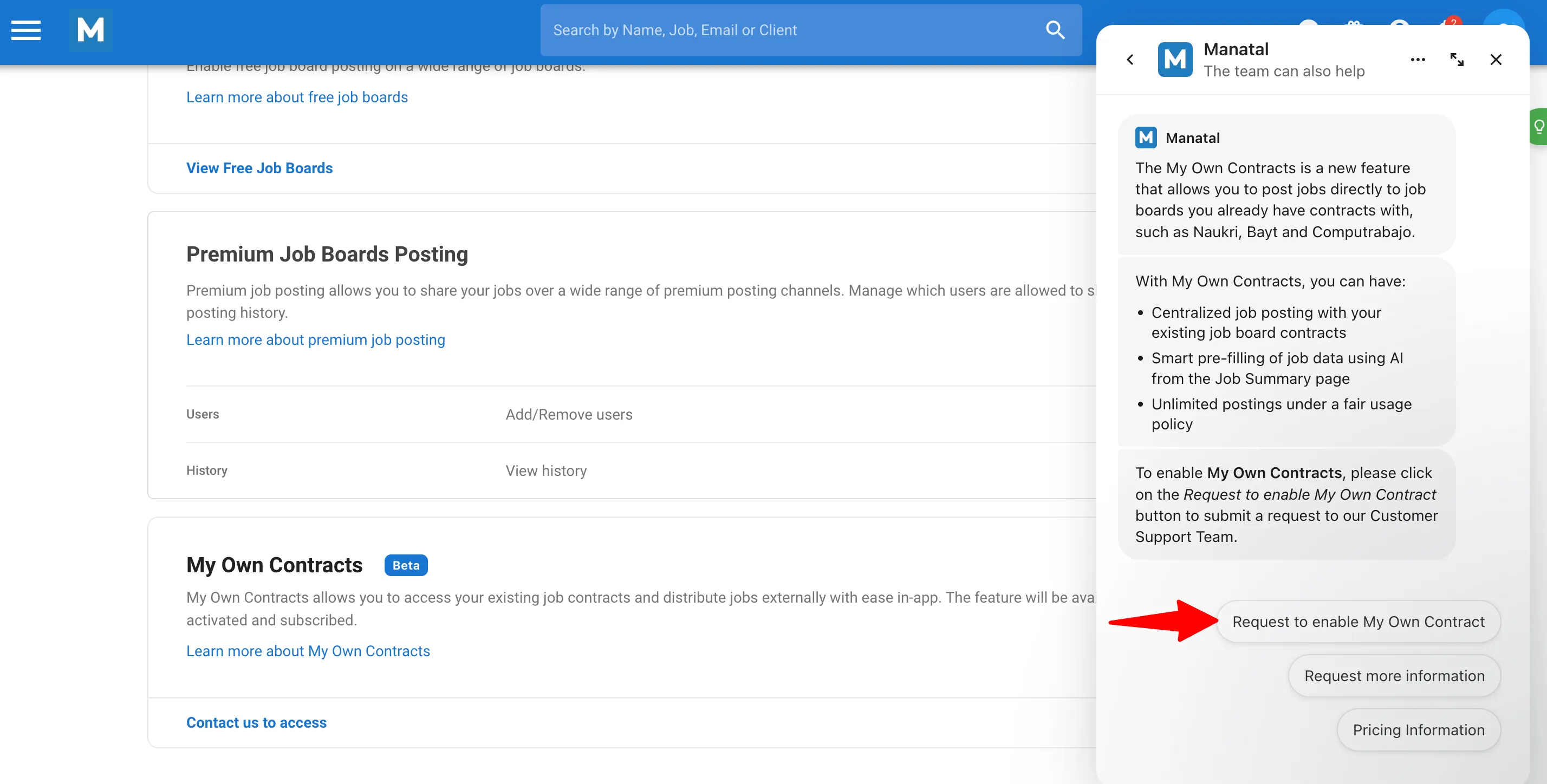
An effective system should enable you to automatically distribute job openings to the channels where you hold active paid contracts. Once your contracts are configured, the system remembers your quotas and posting details, allowing you to quickly automate the distribution process to premium channels without switching between screens. Manatal's My Own Contracts feature allows for the instant distribution of vacancies to your preferred premium channels while maintaining full control over your contracted quotas and tracking metrics directly within the platform.
Step 4: Manage your budget effectively
If a paid niche job board produced zero hires, reallocate that budget before renewing. Calculate your cost per hire (CPH) for each channel using the following formula:
Cost Per Hire = Total Investment in Channel ÷ Number of Hires from that Channel
Most modern ATS platforms, such as Manatal, provide source-of-hire reporting, moving you away from manual spreadsheets.

Job Board ROI Tracking Template
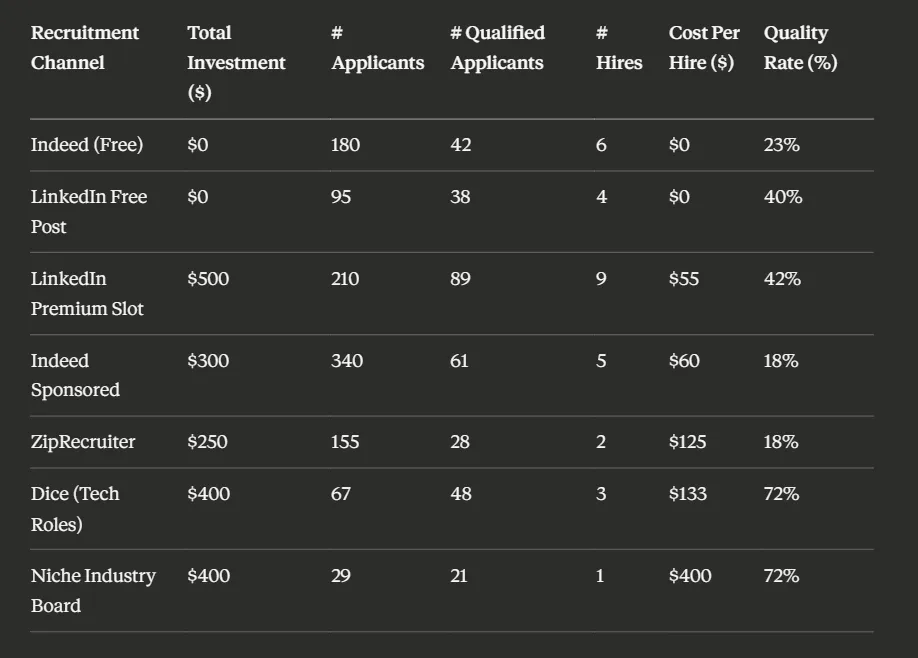
Use this framework to identify which recruitment channels deliver the best return on investment. The template is designed to be run monthly during the first 90 days of any new channel, then quarterly once you have established baselines.
How to read this template:
Quality Rate = Qualified Applicants ÷ Total Applicants. This is often more telling than cost per hire. From the example above, Dice has a high CPH but a 72% quality rate, meaning nearly 3 in 4 applicants met the role requirements.
The cost per hire on free boards shows as $0 here; please factor in your recruiter's time to get a fully loaded figure.
The reallocation signal: If a channel's CPH is consistently more than 3x your best-performing channel with no quality advantage, reallocate that budget before the next billing cycle.
The manual tracking limitation: This template provides a framework, but it requires you to pull data from each board separately and maintain it manually. ATS platforms with built-in analytics, including Manatal's report and analytics feature, eliminating the need for spreadsheets and surfacing insights without manual effort.
Essential Tools for Automation
To maximize your reach and minimize manual tasks, leveraging an automated job posting strategy through third-party integrations is essential. These tools streamline the distribution process by connecting your recruitment software directly to your team's favorite communication and project management platforms.
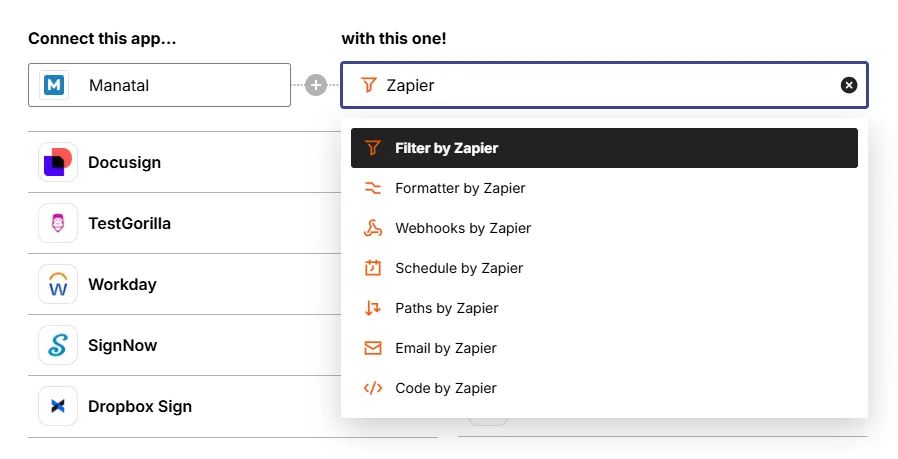
Zapier
Connects your ATS to virtually any downstream platform through no-code automation workflows. Common job posting use cases include routing new job postings to a Slack channel so the team sees openings immediately; pushing postings to niche community platforms (Discord servers, LinkedIn groups, and industry Slack communities) that aren't part of your ATS's native distribution network; and triggering Trello or Asana tasks when a role is posted to manage the downstream hiring workflow.
Google for Jobs
Automatic schema markup and structured data posting. Manatal formats your job posts to appear in Google's job search results without requiring technical SEO knowledge or manual schema configuration.
Microsoft 365 / Google Suite
Calendar and email automation for interview scheduling and candidate communication. Auto-send confirmation emails, sync interview slots across team calendars, and eliminate manual scheduling coordination.

Mailchimp
Email marketing automation for candidate re-engagement. When integrated with Manatal, send targeted email campaigns announcing new job openings directly to your existing talent pool. Reactivate past applicants from previous roles without manual list-building or CSV exports.
%20(1).webp)
Conclusion
The shift toward automation is a necessity for remaining competitive in a fast-paced market. Automated job posting allows your team to focus on high-value human interactions, such as interviewing and candidate engagement, while the software handles the logistics of reaching the right audience. Moving forward, the most successful HR departments will be those that use these tools not just to post jobs but also to analyze performance and refine their hiring strategy through real-time data.
Frequently Asked Questions
Q: How does automated job posting software save time for recruiters?
A: Automated job posting software eliminates manual data entry by instantly pushing a single job description across multiple boards. Using Manatal, recruiters cut their posting time from hours to seconds, allowing them to focus on interviewing rather than admin work.
Q: Can automated job posting distribution platforms improve my hiring budget?
A: Yes. These platforms track which channels actually produce hires. Manatal provides clear metrics on the source of hire, helping you stop spending money on job boards that deliver zero results.
Q: Does LinkedIn integration assist in reaching passive candidates?
A: Absolutely. Connecting your software to LinkedIn allows for instant sharing across professional networks. Manatal automates this reach, ensuring your open roles appear in front of qualified candidates who aren't actively checking job boards.
Q: How do automated job posting monitoring services prevent candidate drop-off?
A: Top candidates are often off the market within 10 days [4]. Automation triggers instant, personalized auto-replies that set clear expectations, ensuring candidates feel engaged from the moment they click "apply.”
Q: What makes automated job posting matching software different from a basic post?
A: Basic posting is passive, but matching software actively scores resumes against your requirements as they arrive. Manatal uses AI to instantly rank these applicants, so you spend your time talking to the most qualified people first.
Citation:
.webp)







.webp)

.webp)


.webp)


