

Recruiters are judged on outcomes: quality hires, filled roles, and satisfied candidates. The problem is that many recruiters spend much of their time on administrative work rather than activities directly tied to hiring outcomes. Learning how to be a good recruiter is largely about managing where you spend your hours. This guide covers the skills, habits, and modern workflows that separate good recruiters from great ones, including the metrics that prove it and the concrete implementation steps most "how-to" listicles skip.
What Makes a Good Recruiter?
A good recruiter reliably fills roles with well-matched candidates. A great one raises quality of hire over time and builds a pipeline that pays off long after the immediate req closes.
Key skills for modern recruiters include, from LinkedIn’s Future of Recruiting report:
- Communication and relationship building with candidates and hiring managers
- Active listening and empathy to understand candidate motivations and hiring-manager needs
- Reasoning and judgment when evaluating candidates, interpreting information, and advising stakeholders
- Talent-market knowledge to understand skills availability, role requirements, and changing workforce needs
- Organization and follow-through to keep candidates and hiring teams aligned throughout the recruitment process
The difference between good and great? Great recruiters measure their own performance, iterate on what the data shows, and invest time in the human work (relationships, judgment) that machines cannot replicate. They treat candidate experience as a competitive advantage rather than a checkbox.
Communication and Candidate Experience
Communication is where recruiters can win or lose candidates. PwC found that nearly half (49%) of job seekers in high-demand fields, such as technology, have turned down a job offer because of a poor hiring experience. [1] More candidate-experience research also shows that 47% of candidates would withdraw from a recruitment process because of poor communication. [2]
Concrete behaviors that separate strong communicators:
- Send timely application acknowledgments: Set up automated post-application confirmation emails via Manatal’s Email Automation so every candidate, whether they apply through your company career page or another application channel, receives one.
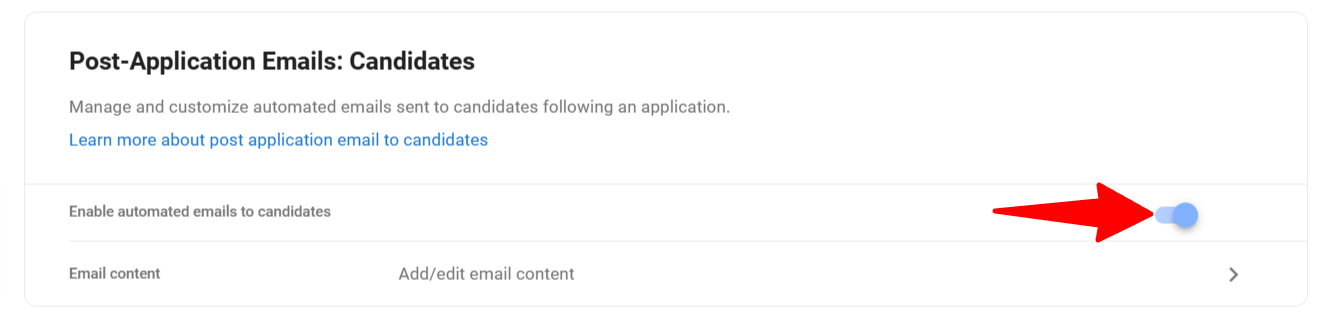
- Maintain transparent expectations across all channels: Customize your automated email templates for applicants from direct career site openings, open applications, and external job boards (like LinkedIn or Indeed) using seamless workflow triggers to outline hiring stages and timelines early on.
- Run structured intake meetings: Align with hiring managers before sourcing begins so the candidate-facing role descriptions and email updates match job realities from day one.
- Streamline referrer engagement: Keep internal stakeholders in the loop with automated post-referral updates, turning your employees into proactive brand advocates.
- Close rejected candidates with respect: Utilize automated email triggers to deliver clear, empathetic rejection or status updates without adding manual tracking overhead, protecting your employer branding from candidate ghosting.
YOU MIGHT LIKE: Candidate Rejection email template
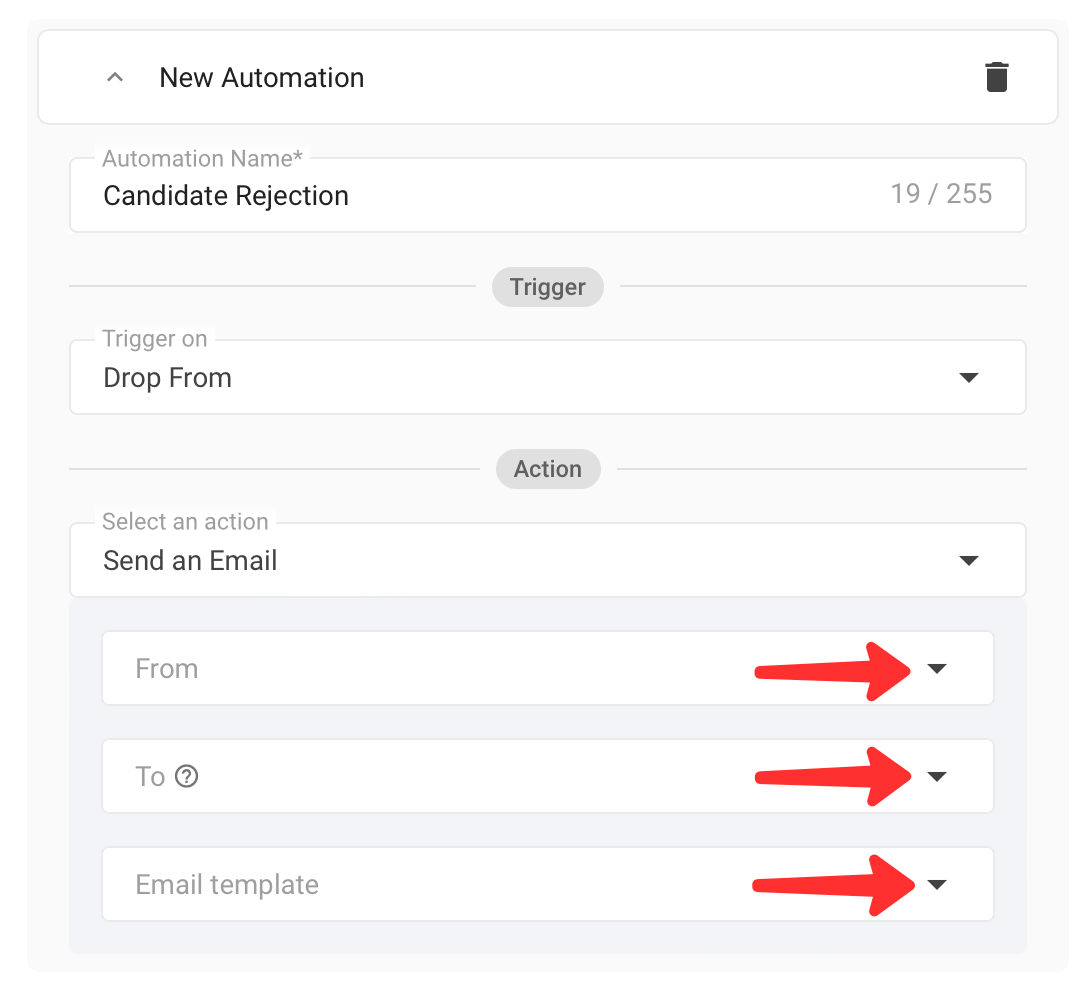
These actions build trust, reduce candidate ghosting, and protect your employer brand. The recruiter who communicates well fills roles faster because fewer candidates drop out.
{{cta}}
Sourcing and Market Expertise
A good recruiter does not wait for applicants to arrive. Proactive sourcing, passive-candidate outreach, and fluency in market conditions set high performers apart.
What this looks like in practice:
- Know the salary range for every role before the intake meeting, and calibrate expectations with the hiring manager early
- Build Boolean searches and saved searches in LinkedIn to surface passive candidates who match the profile
- Write outreach messages that reference something specific about the candidate's background; never copy-paste a generic template
- Track which sourcing channels actually convert to hires, then double down on what works
Expand your talent pool effortlessly using Manatal’s Candidate Sourcing, which automatically aggregates passive candidate profiles from multiple channels into a centralized database.
LEARN MORE: How to source passive candidates
How Good Recruiters Measure Themselves
The SERP is full of advice to "track your efforts." What it rarely covers is which metrics matter and what to do about them. Good recruiters use these five:
- Time-to-hire: Days from job opening to accepted offer. Long times signal process bottlenecks or sourcing gaps.
- Quality-of-hire: New-hire performance and retention at 6 and 12 months. This is the north star, though it requires tracking beyond the start date. See Manatal's attrition-rate guide for how retention connects to recruiting quality.
- Offer-acceptance rate: The percentage of offers that candidates accept. Low rates point to misaligned expectations, slow processes, or poor candidate experience.
- Candidate NPS: A one-question survey at the end of the process asking candidates how likely they are to recommend you as an employer. Fast feedback on experience quality.
- Source effectiveness: Which channels produce the most hires, and at what cost. This tells you where to invest.
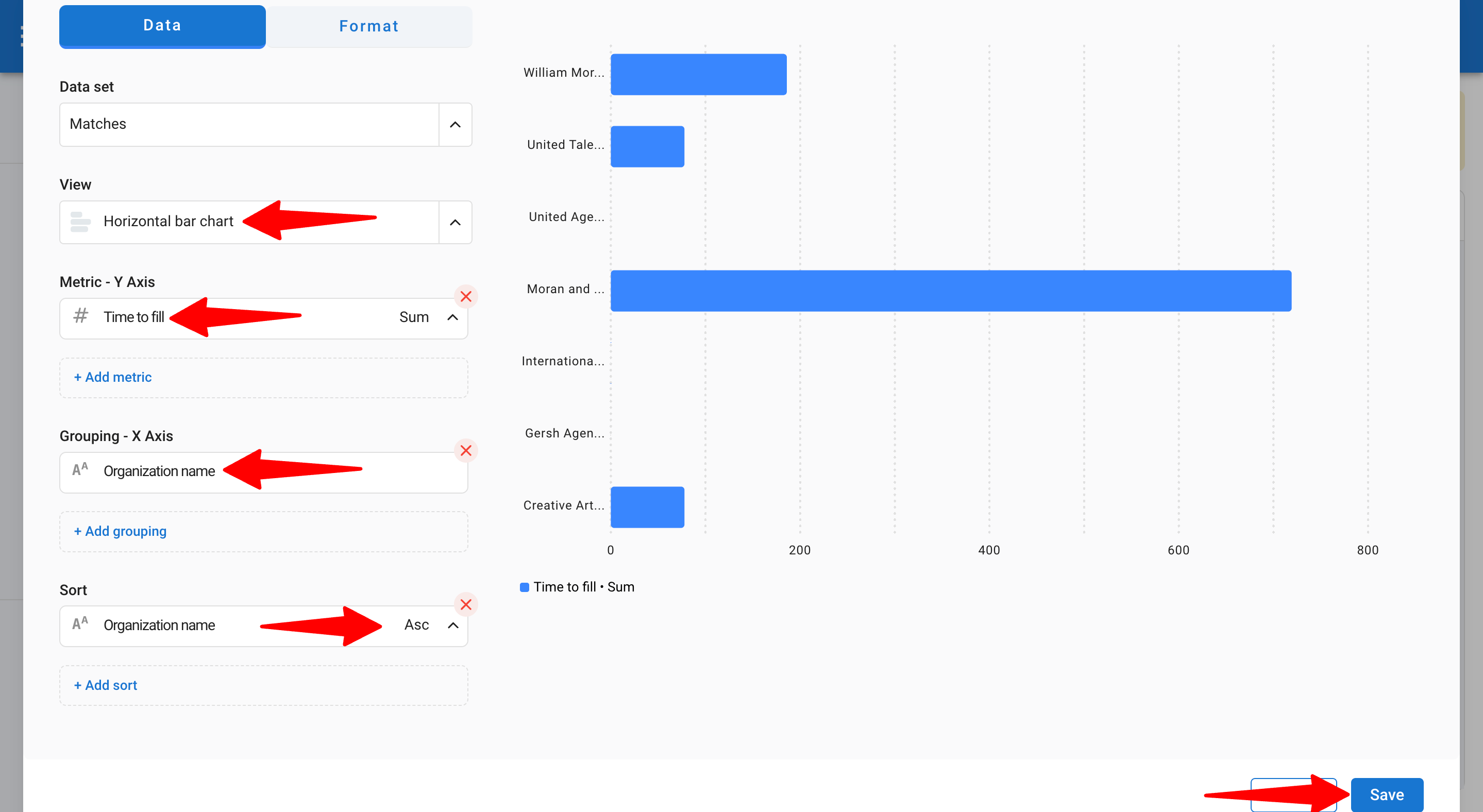
Measure, review weekly or biweekly, and adjust. The metrics turn opinion into proof and reveal where to fix your process. For more on building dashboards and reports, see Manatal's Reports and Analytics feature.
The Modern AI-Assisted Recruiter Workflow
LinkedIn’s Future of Recruiting research shows that 74% of hiring professionals want generative AI to automate repetitive recruiting tasks so they can focus on more strategic work. The same research found that 67% want AI to make candidate sourcing faster and easier. [3] This is what a concrete, AI-assisted recruiting process looks like in practice.
Recommended Recruiting Tech Stack
- ATS/recruiting platform as the single system of record: Manatal or similar
- Sourcing/networking: LinkedIn for passive-candidate searches
- Scheduling: Calendly or your ATS's native scheduling for candidate self-service
- Optional drafting aid: An LLM like ChatGPT for first-draft outreach, always human-edited before sending
AI-Assisted Recruiting Workflow
1. Source: Build candidate lists using the People-Match AI Chrome Extension to import profiles directly from supported platforms like LinkedIn into Manatal.
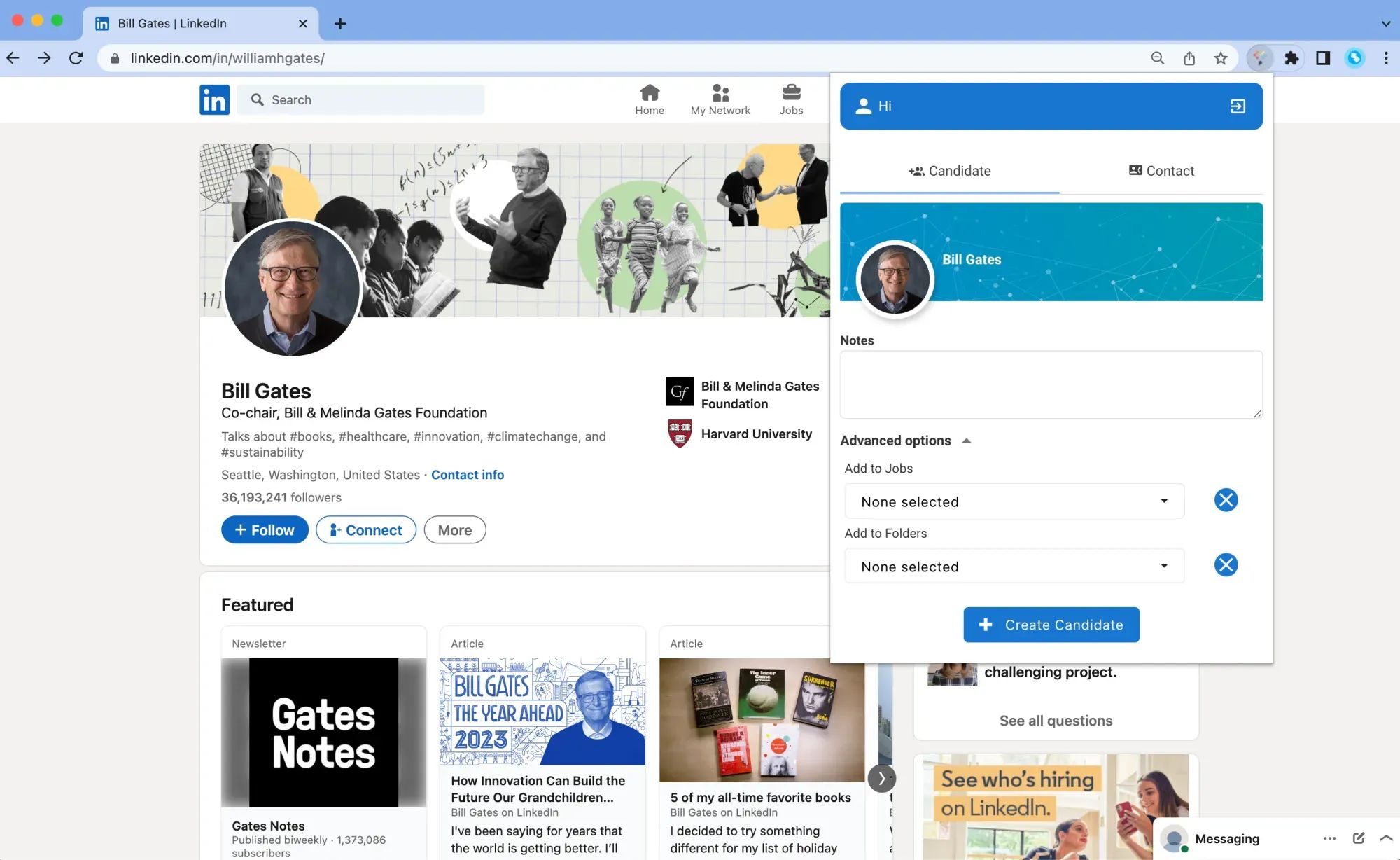
Then, run AI Candidate Enrichment to automatically gather and attach publicly available online profiles, skills, and background details to each candidate record.
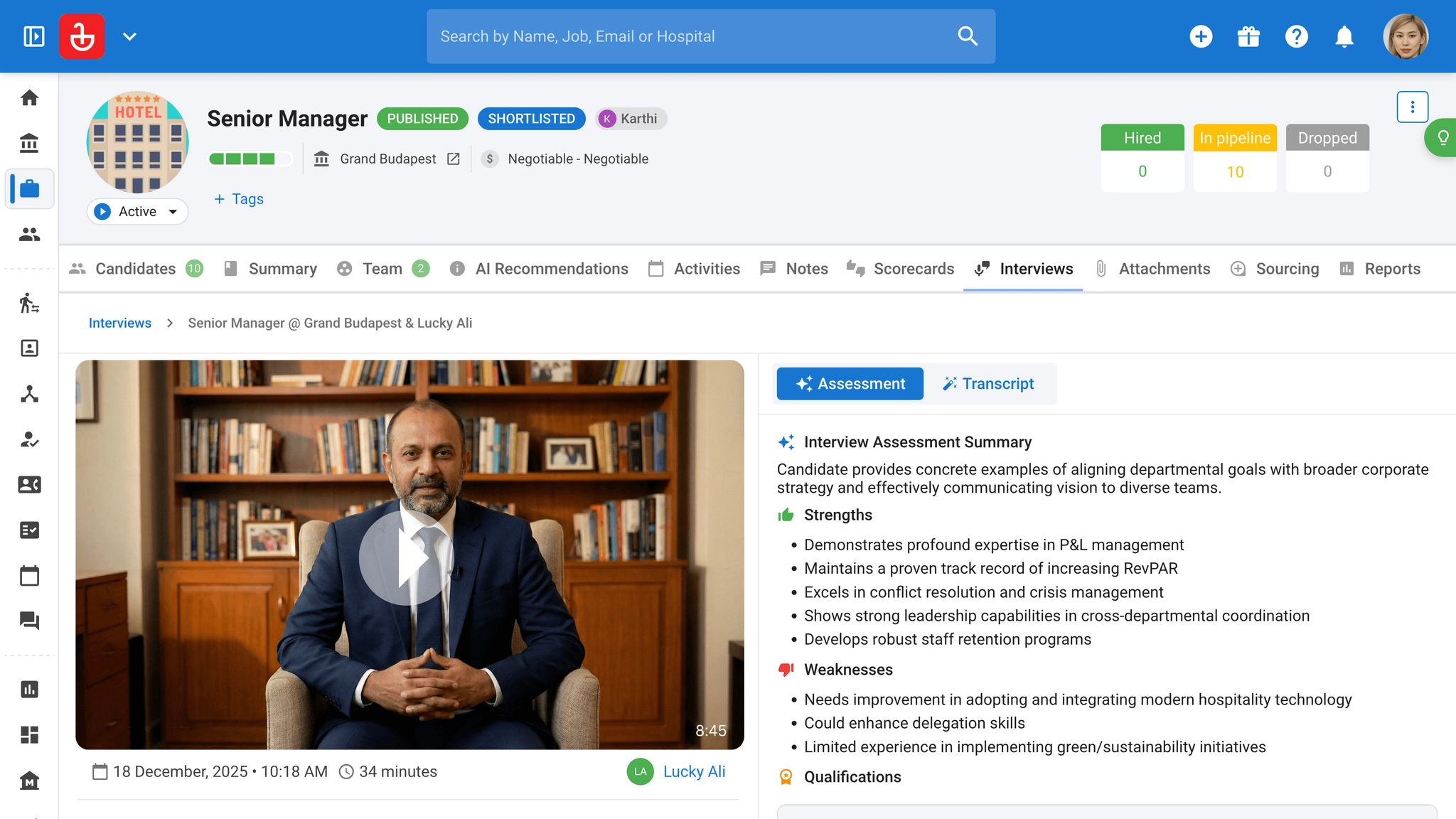
2. Screen at scale: Conduct standardized, asynchronous video interviews in multiple languages using an AI interviewer. Define questions and criteria for the AI to score responses, generate transcripts, and summarize candidate insights, allowing recruiters to review concrete data before making shortlisting decisions.
3. Shortlist and coordinate: Share target shortlists through the Premium Guest Portal, giving hiring managers and authorized stakeholders centralized access to review candidates, track recruitment progress, add notes, and complete scorecard-based evaluations.
4. Communicate: Set up workflow automation paired with email templates to trigger automated candidate communications based on pipeline stage changes. Simultaneously, organize candidates into searchable talent pools for future hiring needs.
5. Measure and iterate: Monitor recruitment performance through reports & analytics to track key metrics such as time-to-hire, cost-per-hire, channel conversion rates, and pipeline bottlenecks, and continuously refine your hiring strategy.
Organization, Time Management, and Resilience
Even with the right tools, recruiters need habits that protect their time and mental energy.
- Calendar-block sourcing time: Protect 60-90 minutes of uninterrupted deep-work time for proactive searches. Reactive recruiters run out of pipeline.
- Batch similar tasks: Group candidate outreach, hiring-manager check-ins, and ATS updates into dedicated blocks instead of context-switching all day.
- Use self-scheduling: Tools like Calendly remove the back-and-forth of interview coordination.
- Handle rejection: Pipelines stall, offers get declined, and roles get canceled. Great recruiters move on quickly without taking it personally.
Resilience is a learned skill. The recruiter who stays consistent when pipelines slow down outperforms the one who only hustles when things feel urgent.
Fair, Consistent, and Compliant Hiring
A good recruiter runs a process that is defensible and reduces bias. This dimension rarely appears in "how to recruit" advice, but it matters.
- Use scorecards: Evaluate every candidate against the same criteria, scored the same way.
- Standardize interview questions: Ask the same questions in the same order. Ad-hoc interviews introduce inconsistency.
- Document decisions: Keep notes that explain why a candidate advanced or did not.
- Respect candidate data: Handle personal information responsibly and in line with your company's data policies.
Structured hiring is better for candidates and protects the organization. It also improves quality-of-hire by removing gut-feel decisions that tend to replicate existing biases.
For more on building a strong candidate experience into your process, see Manatal's candidate experience page and effective recruitment guide.
Conclusion
Mastering how to be a good recruiter and eventually a great one comes down to making smart choices about where you invest your energy. Exceptional recruiters combine strong communication and genuine empathy for candidates with data-backed decisions. Adopting modern AI workflows and tools like Manatal, you can eliminate repetitive administrative tasks and focus on high-impact human connections. In the end, great recruiting goes beyond just filling open roles. It is about raising the quality of hire, protecting your employer brand, and building sustainable pipelines for long-term hiring success.
Frequently Asked Questions
Q: What are the 5 C's of recruitment?
A: The 5 C's are a framework for evaluating candidates: competence (can they do the job?), character (do their values align?), chemistry (will they work well with the team?), culture fit (do they match the organization's environment?), and compensation (are expectations aligned?). Good recruiters assess all five during the process, often supported by structured scorecards within platforms like Manatal to support more consistent evaluation.
Q: What are your top 3 qualities as a recruiter?
A: The three that matter most: clear communication, empathy for candidates, and market knowledge. Communication builds trust and keeps pipelines moving. Empathy helps you understand candidate motivations. Market knowledge lets you advise hiring managers and set realistic expectations.
Q: What makes a good recruiter different from a great one?
A: A good recruiter fills roles with qualified candidates. A great recruiter raises the quality of hire over time, builds pipelines that pay off for future roles, and treats every candidate interaction as an opportunity to strengthen the employer brand. Great recruiters also leverage data insights from platforms like Manatal’s Reports & Analytics to continuously refine their sourcing strategies and hiring efficiency.
Q: What are the red flags a good recruiter watches for?
A: Unexplained resume gaps without a clear story, inconsistent answers across interviews, negative talk about previous employers, unrealistic salary expectations with no flexibility, and disengagement during the process. Centralizing candidate notes and interview scorecards in Manatal helps recruitment teams track these signals consistently across multiple interview rounds.
Q: What is the golden rule of hiring?
A: Treat every candidate the way you would want to be treated as a job seeker: communicate clearly, respect their time, and close the loop, even with rejection. Automated email workflows in Manatal can help recruiters provide more timely status updates and reduce manual follow-up.
Citations: