





In 2026, teams that actively track hiring metrics against industry benchmarks can identify bottlenecks earlier and significantly reduce unnecessary hiring costs through process optimization and automation. [1] This guide gives you the industry-standard recruitment benchmarks for 2026, the exact formulas to calculate each one, and a clear framework for deciding which numbers actually matter for your specific hiring model.
What Are Recruitment Benchmarks?
Recruitment benchmarks are performance metrics and standards used to evaluate and measure the effectiveness, efficiency, and quality of an organization's recruitment process. These benchmarks help companies understand how well they are attracting, selecting, and hiring candidates relative to industry standards or their own historical performance.
The Core Distinction: Benchmarks vs. Metrics
To establish a clear framework, it is essential to distinguish between metrics and benchmarks.
- A metric serves as a raw data point, such as your current 'Time-to-fill.'
- A benchmark acts as the industry standard for comparison.
For instance, the 36 to 42-day average for mid-level corporate roles. Ultimately, while your talent acquisition metrics illustrate your current performance, benchmarks define the standard you should strive to achieve.
2026 Recruitment Benchmarks Cheat Sheet
Optimize your hiring strategy with our 2026 Recruitment Benchmarks Cheat Sheet. We have compiled data from leading sources like SHRM and AIHR so you can quickly benchmark your team's efficiency against current global standards.
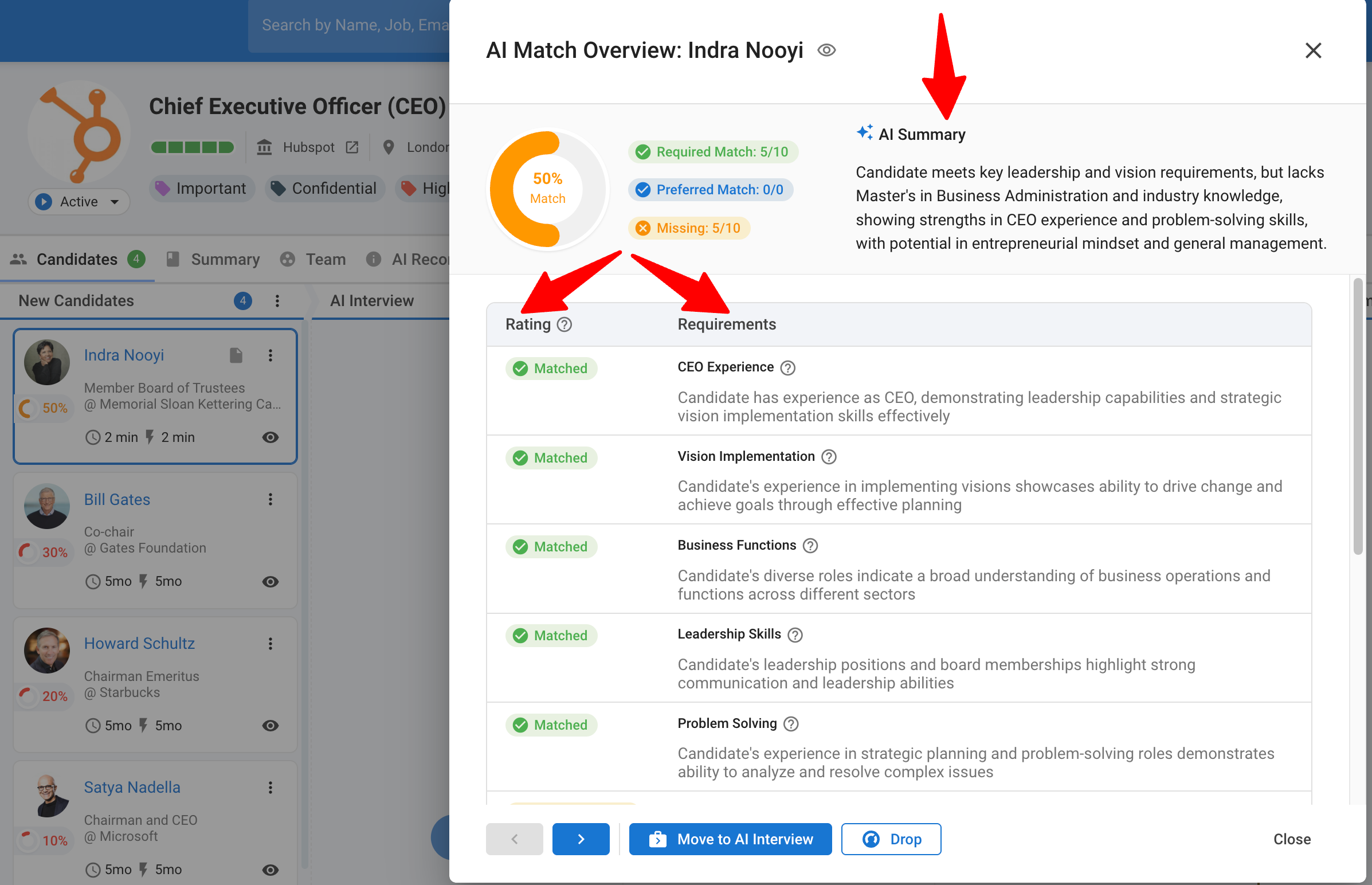
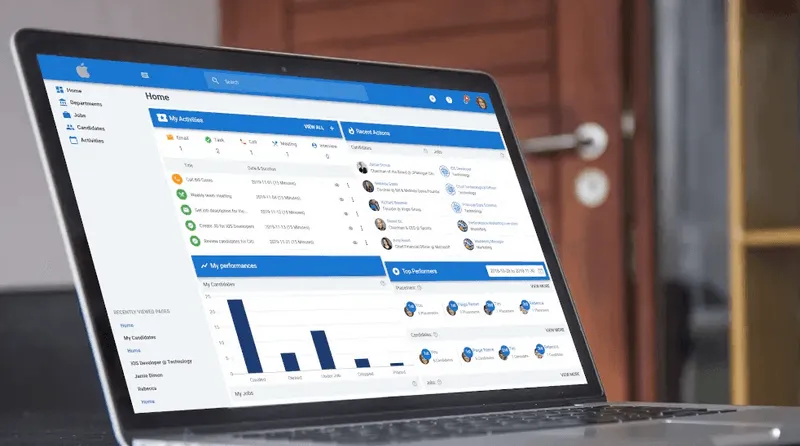
Manual calculation of the metrics listed above is a time-consuming process and prone to human error. Manatal’s Advanced Reports and Analytics centralize these performance metrics. The dashboard visualizes time-to-fill, source of hire, and the essential data points for all other recruiting metrics. Manatal uses AI candidate recommendations to match talent to roles instantly. This directly improves your time-to-hire and cost-per-hire benchmarks.
{{cta}}
Understanding Recruitment Benchmark Metrics
Speed Metrics
1. Time-to-Fill: To gain actionable insights, segment time-to-fill benchmarks by role family rather than averaging across the company, as blending diverse roles masks specific categories that may be causing delays.
2. Time-to-Hire: Days from a candidate's application to an accepted offer. Where time-to-fill reflects the organization, time-to-hire reflects the recruiter's process efficiency.
3. Time in Pipeline Stage: How long candidates spend at each stage: screening, first interview, assessment, final round, and offer. This is an internal recruitment benchmark: you set the target yourself based on your process design, then track whether you're meeting it. It's the one that actually explains why time-to-hire is slow.
Quality Metrics
4. Quality of Hire: The formula combines three post-hire inputs: 90-day performance rating, first-year retention, and hiring manager satisfaction and then divides by three. Build a 90-day check-in into your standard process and make it the recruiter's job to initiate it. Once you have 6 to 12 months of consistent data, your quality of hire benchmark becomes one of the most useful diagnostic tools in your operation
5. First-Year Attrition Rate: First-year attrition is what happens when quality-of-hire goes unmeasured. You don't catch the misfit at screening. You catch it through the exits.
6. Offer Acceptance Rate (OAR): Measures whether your process converts finalists into actual hires or loses them to competitors at the finish line. Rates below 75% signal a compensation gap, a slow offer process, or candidate experience problems that surfaced too late. A strong employer brand directly supports OAR and reduces cost per hire by eliminating reopens.
7. Hiring Manager Satisfaction Score: Measures how the business perceives recruiting quality, separate from whether the hire worked out. It's a leading indicator of process health. Collect this 30 to 60 days after the start date, not at the offer stage. A score below 7 consistently means your process is frustrating the business, even when you're filling roles on time.
Cost and Sourcing Metrics
8. Cost-per-Hire (CPH): Internal costs (recruiter time, hiring manager interview hours, ATS licensing) account for up to 60% of total spend and are routinely untracked. If your CPH is running more than 20% above your industry peer group, calculate sourcing channel costs separately before drawing any conclusions.
9. Channel Conversion Rate: Most teams track where applications come from. Few track whether those applications turn into hires. Referrals convert at the highest rate. Job boards produce volume but the lowest conversion. Nearly half of all sourced hires already exist in companies' own databases.
10. Application Completion Rate: Measures the percentage of candidates who start the application process and finish it. Rates below 60% indicate an application that's too long, requires unnecessary upfront information, or isn't mobile-optimized.
11. Candidate NPS: Measures whether people who went through your hiring process, hired or not, would recommend your company as a place to apply to. A direct read on employer brand health. Organizations with a positive candidate NPS see offer acceptance rates 15-20% higher than those with neutral or negative scores.
12. Pipeline Diversity Rate: Measures whether your sourcing and screening process is producing a diverse candidate pipeline, or filtering it out before it reaches the hiring manager. Reflects the demographic composition of your target talent market, not a generic national average. Track this at every pipeline stage. If your applicant pool is 40% diverse but your offer stage is 10%, the drop-off is happening at a specific point. Find it and fix it there.
Agency vs. In-House: How Recruitment Benchmarks Differ
The 12 benchmarks above apply across every hiring operation. How you prioritize them depends on your structure.
- In-house HR teams should weigh quality metrics most heavily. Quality of hire, first-year attrition, and hiring manager satisfaction reflect whether your function is actually serving the business. Compare time-to-fill across departments as well. If Engineering takes 55 days and Sales takes 28 days, that's a process difference, not a market difference. Internal benchmarking between business units surfaces improvements that industry averages never will.
- Recruitment agencies operate on a different performance model entirely. Your clients pay for speed and fit. Prioritize time-to-submit (target 3 to 5 business days from job brief to first submission), interview-to-offer ratio (target 3:1 to 4:1), and fill rate. If you're submitting 8 candidates per placement, your screening quality is the problem. Track placement revenue per recruiter as your productivity benchmark. It makes the business case for every language-related process investment, so your leadership will act on it immediately.
How to Improve Your Recruiting Benchmarks
Knowing where you sit against these benchmarks is step one. Closing the gap is where most teams stall.
1. Standardize Your Interview Process to Cut Time-to-Hire
Unstructured interviews are among the biggest causes of hiring delays, as inconsistent interview methods often slow decision-making. To streamline recruitment, create a standardized interview framework for each role type, including fixed interview stages, structured recruiting scorecards, and clear feedback deadlines (such as a 24-hour feedback rule).

2. Build Proactive Talent Pools to Lower Cost-per-Hire
Reactive hiring leads to higher recruiting costs due to repeated sourcing and advertising efforts. In contrast, proactively building and maintaining talent pools from existing candidates, referrals, and previously engaged applicants reduces sourcing time and improves hiring efficiency. Streamline your re-engagement strategy with Manatal’s candidate sourcing tools, designed to keep your talent pool active and ready.
3. Use AI to Remove Manual Screening Bottlenecks
Reuters reported that LinkedIn’s AI recruiting tools are helping recruiters reduce manual work and improve candidate response rates. [10] Manatal's AI recommendation screening tools address this by filtering candidates based on set criteria. This directly compresses your time-to-hire.
Conclusion
Industry benchmarks are just a starting point for recruitment processes. It's vital for companies to track their own trends and improve their metrics over time. Focusing on internal benchmarks allows businesses to make better hiring decisions. This approach involves consistently tracking internal data, comparing it with industry standards for context, and setting tailored targets for recruitment success. Start that tracking with Manatal's 14-day free trial. You can pinpoint every bottleneck and align your performance with global hiring standards.
Frequently Asked Questions
Q: How can organizations utilize recruitment benchmarks to differentiate between market trends and internal process inefficiencies?
A: Comparing department-specific data, such as a 55-day time-to-fill in Engineering versus 28 days in Sales, teams can determine if delays are caused by external talent scarcity or internal friction, allowing for more targeted process improvements.
Q: Why is it recommended to measure recruiting benchmarks like hiring manager satisfaction 30 to 60 days post-hire rather than immediately after the offer?
A: Waiting 30 to 60 days ensures the manager has had sufficient time to work with the new employee, providing a more meaningful assessment of the hire's actual fit and the recruiter’s ability to meet the specific needs of the business unit.
Q: What role does candidate experience play in achieving high-performing recruiting metrics benchmarks?
A: A candidate NPS above +30 serves as a primary indicator of a healthy employer brand. Companies that reach these levels often see offer acceptance rates jump by 15% to 20%, which significantly lowers the total cost per hire. Using Manatal simplifies the engagement process, ensuring candidates stay informed and engaged throughout the journey.
Q: How do performance metrics for recruiters differ when operating in an agency setting versus an in-house environment?
A: While in-house recruiters focus on long-term quality and retention, agency performance metrics prioritize speed and conversion efficiency, focusing on targets like "time-to-submit" (3–5 days) and maintaining an "interview-to-offer" ratio of 3:1.
Q: How does tracking "Time in Pipeline Stage" help teams meet their overall recruiting benchmarks for speed?
A: This metric identifies the specific phase where candidates stall, often the gap between the final interview and the decision, enabling teams to implement Service Level Agreements (SLAs) for feedback that prevent top talent from being lost to faster competitors.
Citations
.webp)







.webp)

.webp)


.webp)


