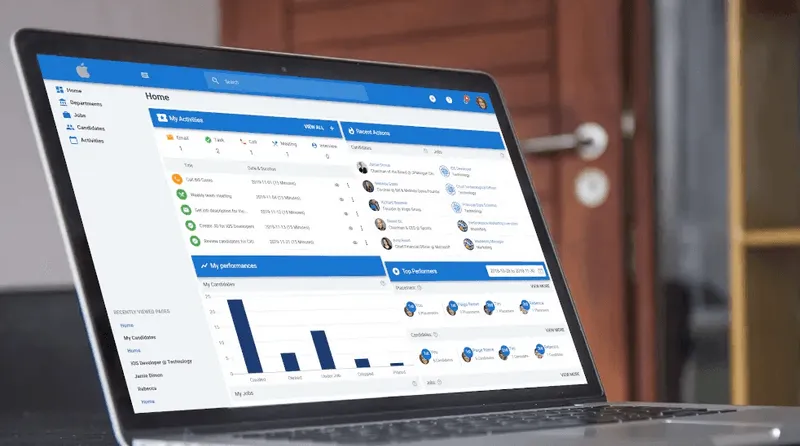


Hiring across several countries multiplies the job boards, labor laws, currencies, and time zones you manage, and most teams improvise a separate process per market. A global recruitment strategy replaces that sprawl with a repeatable workflow, a mapped toolset, and clear compliance decisions for each country. By the end, you will select target markets, set the right employment model for each country, source in each region, and measure results market by market.
Global Recruitment Strategy vs. Domestic Hiring
A global recruitment strategy is your plan for finding, evaluating, and hiring people in more than one country. It also covers the operations that keep hiring compliant and consistent. Domestic hiring runs on one legal system, currency, job-board set, and working day; global hiring changes all four at once.
Four concrete differences separate the two:
- Legal and compliance: Every country adds its own labor law, contract rules, and worker-classification tests.
- Sourcing channels: Each market has dominant boards and networks beyond LinkedIn and Indeed.
- Compensation and currency: Pay ranges, benefits, and statutory costs differ by country.
- Time zone and communication: Interviews and onboarding span working days that rarely overlap.
For the general definition of the wider function, see our guide to what talent acquisition is.
Global Recruitment Strategy vs. Global Talent Acquisition
Global talent acquisition and a global recruitment strategy are related, and people use the terms interchangeably, but they cover different scopes. Talent acquisition is the broader, ongoing function: workforce planning, employer brand, and long-term pipelines. The recruitment strategy is the cross-border hiring plan and its execution, the part that turns pipelines into hires in specific countries.
If you want the wider function rather than the execution layer, read our talent acquisition strategy guide, or the general recruitment strategy overview for single-market planning.
How to Build a Global Recruitment Strategy
Scaling talent acquisition internationally provides access to specialized skills, but managing cross-border hiring without a structured framework leads to legal bottlenecks, compensation mismatches, and extended time-to-fill. Executing an end-to-end global hiring workflow ensures legal compliance, localized candidate engagement, and centralized pipeline management.
1. Market Intelligence and Salary Benchmarking
Sourcing talent internationally without local market data risks misaligned compensation packages and inefficient ad spend. Evaluating regional pay benchmarks, talent availability, and notice periods upfront ensures budget feasibility before launching sourcing campaigns.
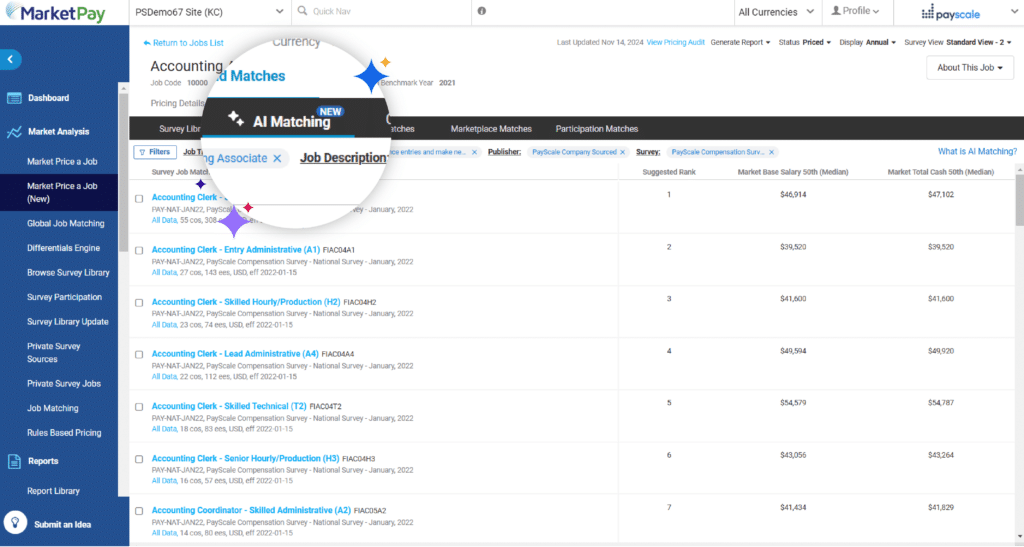
How to Run It: Define core role requirements and cross-reference target hiring locations against global salary databases like Mercer or Payscale. Rule out markets where compensation expectations exceed budget parameters or standard notice periods conflict with operational timelines.
2. Compliant Employment Infrastructure
Hiring across borders exposes organizations to local tax obligations, statutory benefit mandates, and right-to-work regulations. Establishing direct legal entities or utilizing Employer of Record (EOR) platforms prevents regulatory penalties and accelerates candidate onboarding.
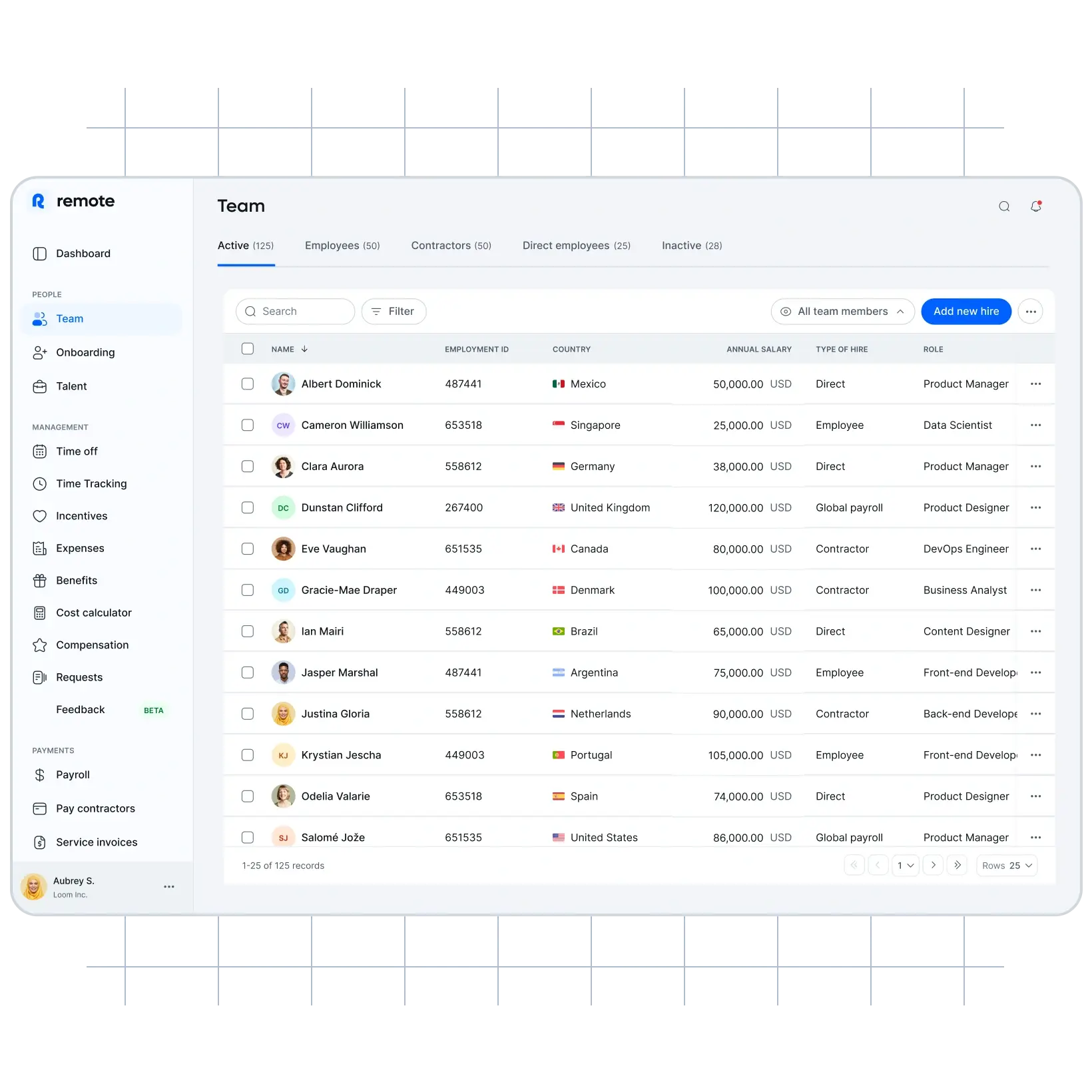
How to Run It: Select the employment model per target market: direct entity setup, independent contractor agreement, or EOR services through platforms like Deel or Remote. Secure legal sign-off on localized contract templates, probation limits, and statutory contributions prior to extending offers.
3. EVP and Requisition Localization
Generic job postings designed for domestic markets often fail to attract international talent due to differing cultural norms and benefit expectations. Localizing job descriptions, currency formats, and Employer Value Propositions (EVP) increases conversion rates while maintaining consistent evaluation standards.

How to Run It: Adapt job descriptions to regional terminology and display compensation ranges in local currencies. Highlight region-specific incentives, such as private medical coverage or mandatory holiday allowances, and translate requisitions using translation tool like DeepL for non-English target regions.
4. Centralized Multichannel Sourcing
Managing individual logins for dozens of regional job boards creates fragmented applicant pipelines and administrative delay. Distributing requisitions automatically across global and regional networks aggregates international candidates into a single system for rapid screening.
How to Run It: Use Manatal’s Candidate Sourcing feature to broadcast job openings to over 2,500 free and premium channels globally, including regional boards like SEEK, JobStreet, and Naukri. Tag incoming applicants by target market and run Boolean search strings to source specialized international talent.
5. Standardized Asynchronous Evaluation
Time zone barriers and unstandardized interview formats introduce evaluation bias and slow down selection processes for cross-border candidates. Structured scoring frameworks and asynchronous assessment tools streamline international candidate evaluation without compromising hire quality.
How to Run It: Conduct structured interviews using a universal evaluation scorecard across all regions. Implement asynchronous video interview tools like Manatal’s AI Interviewer or technical skill testing platforms like TestGorilla to bypass scheduling constraints before holding final debriefs.
{{cta}}
Why Companies Hire Globally in 2026
Talent scarcity is the main reason companies build a global recruitment strategy. According to Deloitte's 2026 Global Human Capital Trends, 85% of business leaders call workforce adaptability critical, yet only 7% say they lead at it.[1] Widening the search across borders is one direct way to close that gap.
Trusting your candidate data is a related problem. Deloitte's 2026 talent acquisition technology research found that 95% of executives worry about the accuracy of their candidate skills data. Only 5% of organizations report significant progress on its quality.[2]
Hiring difficulty is global. ManpowerGroup's 2026 Global Talent Shortage survey found that 72% of employers across 41 countries, nearly three in four, struggle to find skilled talent.[3]
Shortages run deep in major economies: Germany at 83%, France at 74%, the U.K. at 73%, and the U.S. at 69%. When the shortage sits everywhere, sourcing in more markets is the rational way to widen the qualified pool.[3]
Most global recruitment strategy advice stops at attraction and branding, but the part that actually breaks is operations. Teams that scale international hiring centralize every country's pipeline, channels, and candidate data in one ATS first. They layer compliance decisions on top, rather than running a separate mini-process per country.
Staying Compliant When Hiring Across Borders
Compliance is where cross-border hiring carries the most risk, so treat it as a per-country decision rather than a single policy. Start with worker classification, since treating a contractor like an employee triggers misclassification penalties, back taxes, and benefit claims in most jurisdictions.
Your first structural choice is how to employ each hire:
- Contractor: fastest and cheapest to start, but the highest misclassification risk when the person works like an employee.
- Employer of record: hire compliantly without a local entity, since the provider acts as legal employer and handles payroll for a fee.
- Own legal entity: the highest upfront cost and setup time, best reserved for large, long-term headcount in one country.
Beyond the model, confirm right-to-work and visa status before you make an offer. Store candidate records in line with local data-residency and GDPR rules when that data sits in your ATS. For candidates in the EU, that means a lawful basis to process their data, defined retention periods, and controls on where records are hosted.
Measuring a Global Recruitment Strategy
Measure your program by market, because a single blended average hides the countries that are working and the ones that are not. Track these metrics per country:
- Time-to-fill by market: Measure each country on its own, since notice periods and supply differ widely.
- Cost-per-hire: Include EOR or agency fees, job-board spend, and relocation, not only recruiter time.
- Source effectiveness by region: Track which boards and channels actually produce hires in each country.
- Quality-of-hire: Tie it to performance and retention at 6 and 12 months per market.
- Offer acceptance rate: Watch for markets where offers stall on pay, benefits, or notice periods.
Benchmark each market against itself over time rather than against the others. A 60-day time-to-fill can be strong in one country and weak in another, so track the trend inside each market.
Conclusion
A working strategy comes down to sequence. Choose markets against budget and supply, fix the compliance model per country, source through the right regional channels, and measure results per market. Keep the process in one ATS so pipelines, candidate data, and reporting stay consistent, and start with two or three markets before you scale.
Ready to run every country's hiring from one pipeline? Start for Free.
Frequently Asked Questions
Q: How does global recruitment work?
A: You pick target countries, set the compliant employment model for each, source through global and regional channels, then run one standardized selection process. Manatal’s ATS keeps every country's pipeline and candidate data in one place.
Q: What are the main global recruitment strategies?
A: Common approaches include direct hiring through a local entity, hiring through an employer of record, engaging contractors, and building remote-first distributed teams. Most companies mix these by market based on cost, risk, and headcount plans.
Q: What should a global recruitment strategy include?
A: It should cover target-market selection, a per-country compliance model, localized descriptions and pay, a mapped sourcing and interview toolset, and country-level metrics. Named owners and checkpoints keep the process consistent as you add markets.
Q: What tools do you need for a global recruitment strategy?
A: At minimum, one ATS like Manatal as the system of record, multi-country job distribution, a time zone scheduler, video interviewing, and an e-signature tool. Add an employer of record and a background-check vendor per market where required.
Q: How long does it take to hire in a new country?
A: Time-to-fill varies by market, so benchmark each country separately rather than using a global average. Notice periods, visa steps, and thin talent supply can add weeks compared with domestic hiring.
Citations